
The Hair Growth Guide Nobody’s Talking About (But Everyone Needs)
Let me guess—you’re here because you’ve noticed more hair in the shower drain than usual. Or maybe you’ve been trying to grow your hair out for what feels like forever, and it’s just… sitting there. Refusing to cooperate.
I get it. Hair growth is one of those things that seems simple until you actually try to understand it. Then suddenly you’re drowning in contradictory advice, miracle products that don’t work, and that one friend who swears by rubbing onion juice on their scalp at 3 AM.
So let’s cut through the noise and talk about what actually matters when it comes to growing healthy hair.
What’s Really Happening Up There?
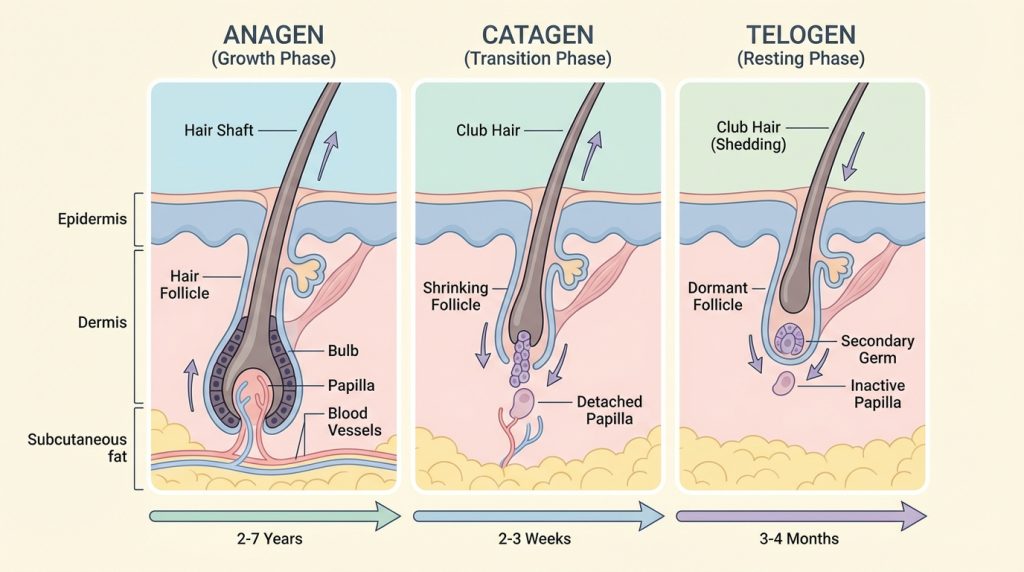
Here’s something that might surprise you: your hair is already growing. Right now. Even the hair you think has “stopped growing” is actually doing its thing—about half an inch per month, give or take.
The problem isn’t usually that your hair won’t grow. It’s that it breaks off before you notice the length. Or it’s stuck in a resting phase. Or you’re doing something that’s sabotaging the whole process without even realizing it.
Your hair grows in cycles, and understanding this matters more than most people think. Each strand goes through three main phases: the growth phase (which lasts 2-7 years), a brief transition phase, and a resting phase where the hair just hangs out before eventually falling out. At any given moment, about 90% of your hair is actively growing, while the rest is taking a break.
This is why you shed 50-100 hairs every single day, and it’s completely normal. Your scalp isn’t trying to betray you—it’s just doing its job.

The Foundations Nobody Wants to Hear About
I know you came here looking for a magic serum or a secret ingredient. But I’m going to level with you: the foundation of hair growth is frustratingly basic.
Protein is non-negotiable. Your hair is literally made of a protein called keratin. If you’re not eating enough protein, you’re trying to build a house without bricks. Most people need somewhere between 50-100 grams daily, depending on their body weight and activity level. No expensive supplement can fix a protein-deficient diet.
Iron matters more than you think. This one catches people off guard. Iron deficiency is incredibly common, especially in women, and it’s one of the sneakiest causes of hair thinning. Your hair follicles need iron to do their job. When you’re running low, your body prioritizes more important functions (like, you know, keeping you alive) and puts hair growth on the back burner.
Your scalp environment is everything. Think of your scalp like soil. You can’t grow a healthy garden in terrible soil, no matter how good your seeds are. A scalp that’s constantly inflamed, clogged with product buildup, or dealing with conditions like seborrheic dermatitis isn’t going to support optimal hair growth. Just like maintaining your overall health requires attention to multiple factors, your hair needs a holistic approach.
What Actually Works (And What’s Just Marketing)
Let’s talk about the ingredients that have actual science behind them, not just pretty packaging.

Minoxidil is the real deal. Originally developed as a blood pressure medication, researchers noticed it had this interesting side effect: hair growth. It works by extending the growth phase of your hair cycle and increasing blood flow to follicles. The catch? You need to use it consistently, and if you stop, you’ll lose the gains. It’s like going to the gym—the benefits only last if you keep showing up.
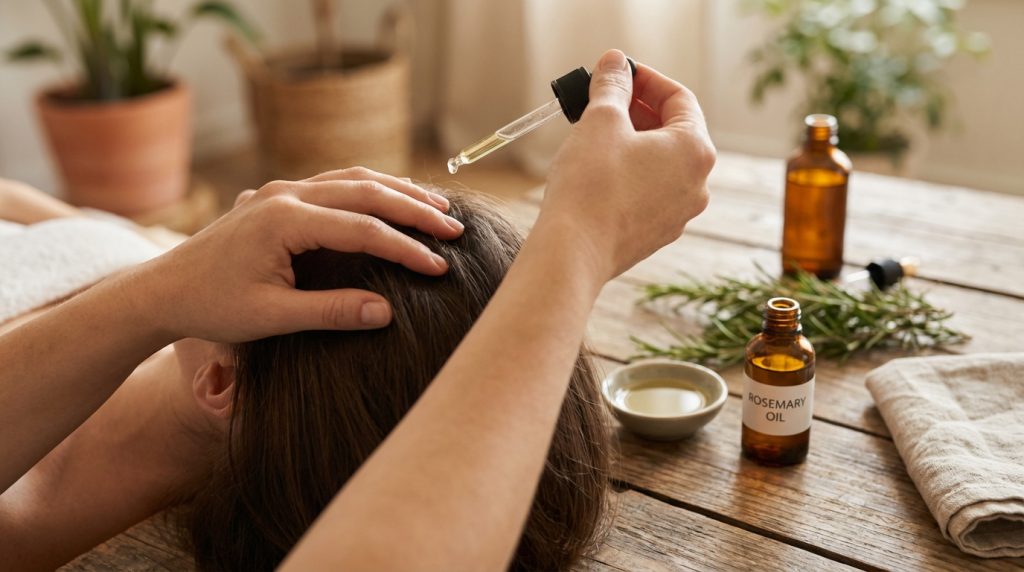
Rosemary oil has been getting a lot of attention lately, and here’s the thing: the hype isn’t entirely unfounded. A study compared rosemary oil to 2% minoxidil and found similar results after six months. Now, this doesn’t mean rosemary oil is a miracle cure, but it does suggest that for some people, it’s worth trying—especially if you want a more natural approach.
Biotin is where things get complicated. Yes, biotin deficiency can cause hair loss. But actual biotin deficiency is pretty rare if you eat a normal diet. Taking biotin supplements when you’re not deficient probably won’t do much. However, if you are deficient (which can happen with certain medical conditions or if you eat a lot of raw egg whites, weirdly enough), supplementing can make a real difference.
Caffeine applied topically might actually help. Research suggests that caffeine can stimulate hair follicles and counteract the effects of testosterone-related hair loss. Some shampoos contain caffeine for this reason, though you’d need to leave them on your scalp for a few minutes rather than immediately rinsing.
The Habits That Make or Break Your Progress
You could have the best products in the world, but if your daily habits are working against you, you’re fighting an uphill battle.
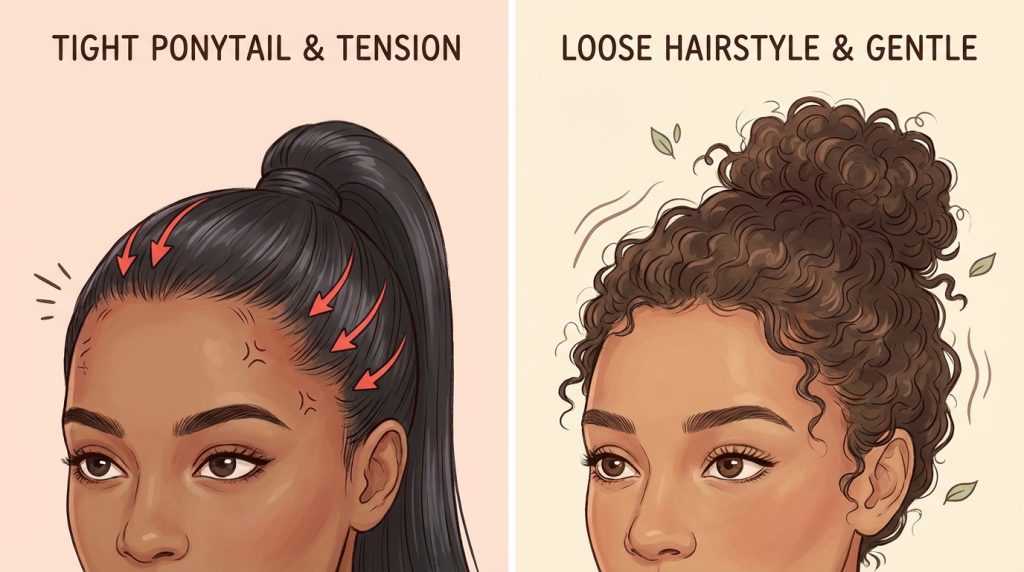
Stop tying your hair up so tight. Traction alopecia is a real thing, and it’s caused by repeated tension on your hair follicles. Those sleek, tight ponytails and buns? They’re gradually damaging your hairline. If you regularly get headaches from your hairstyle, that’s your first clue that you’re pulling too hard.
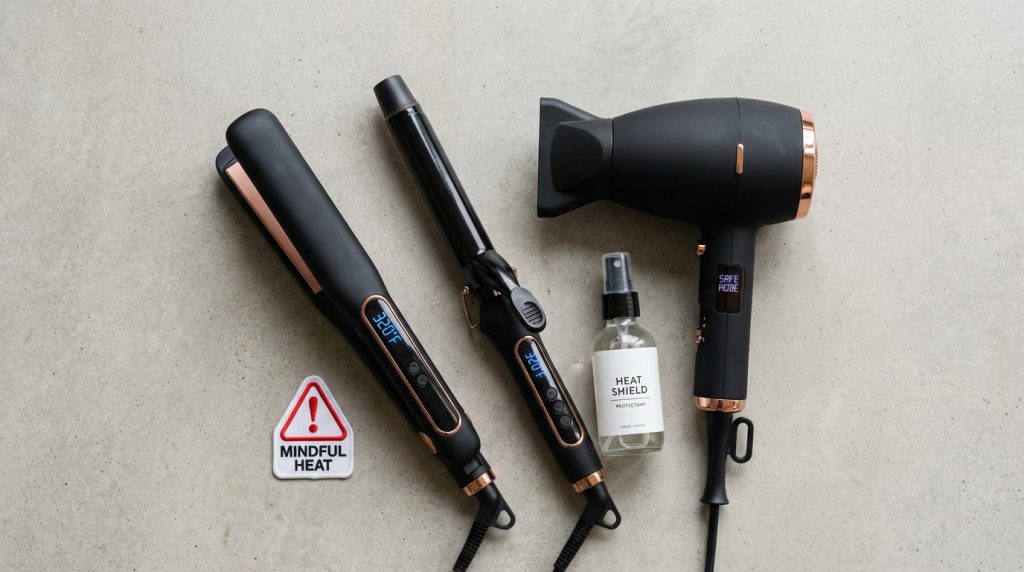
Heat styling needs boundaries. I’m not going to tell you to never use heat—that’s unrealistic for most people. But using a flat iron on maximum heat every single day is literally cooking your hair. If you must use heat, apply a heat protectant first and keep the temperature below 400°F. Better yet, embrace your natural texture a few days a week. If you’re looking for inspiration, check out some medium-length hairstyle options that work with your hair’s natural state.
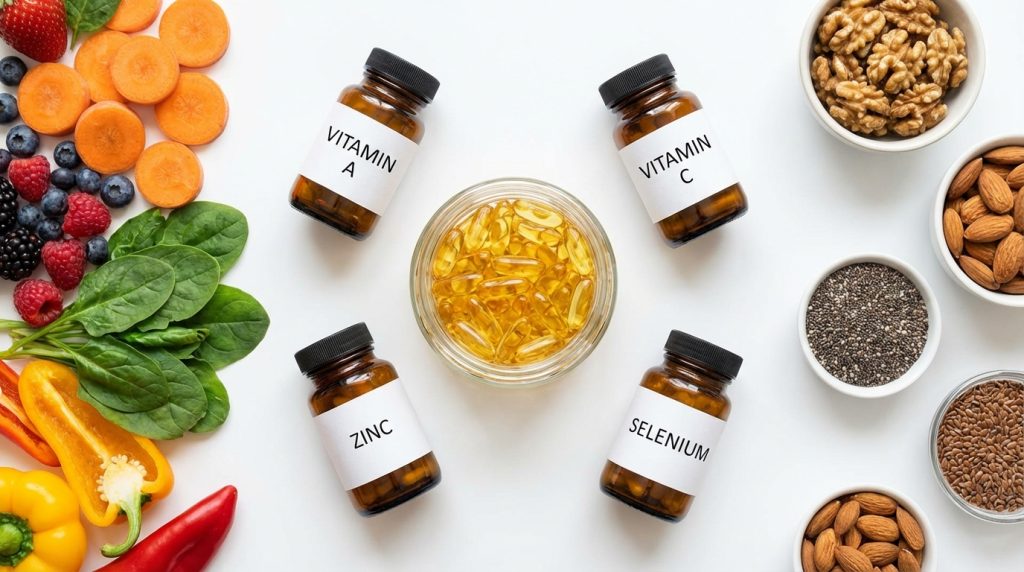
Your diet affects everything. You can’t out-supplement a terrible diet. Omega-3 fatty acids, vitamins A and C, zinc, selenium—these nutrients all play specific roles in hair health. A diet heavy in processed foods and low in vegetables isn’t giving your body the tools it needs to build strong hair.
Stress is sabotaging you in ways you don’t see. When you’re chronically stressed, your body can prematurely push hair follicles into that resting phase I mentioned earlier. This is called telogen effluvium, and it’s why people sometimes notice increased shedding a few months after a stressful event. The hair doesn’t fall out immediately—there’s a delay, which makes it hard to connect the dots.
The Truth About Growth Rate
Here’s something I wish more people understood: you can’t really speed up your hair’s natural growth rate. That half-inch per month? That’s largely determined by genetics. You’re not going to find a product that makes your hair grow three times faster, no matter what the Instagram ads claim.
What you can do is create the optimal conditions for your hair to reach its full growth potential and minimize breakage. This means your hair gets longer because you’re retaining length, not because each strand is growing faster.
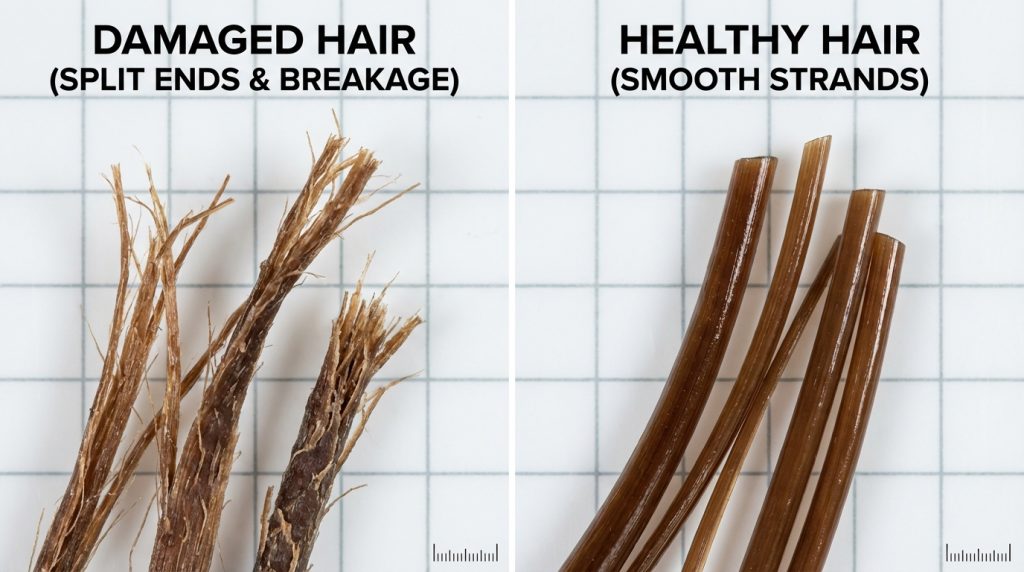
Think of it this way: if your hair grows half an inch per month but breaks off a quarter inch every month due to damage, you’re only gaining a quarter inch. Fix the breakage problem, and suddenly you’re seeing real progress.
When to Actually Worry
Some hair loss is normal. That 50-100 strands per day? Don’t panic about that. But there are signs that something more serious might be going on.
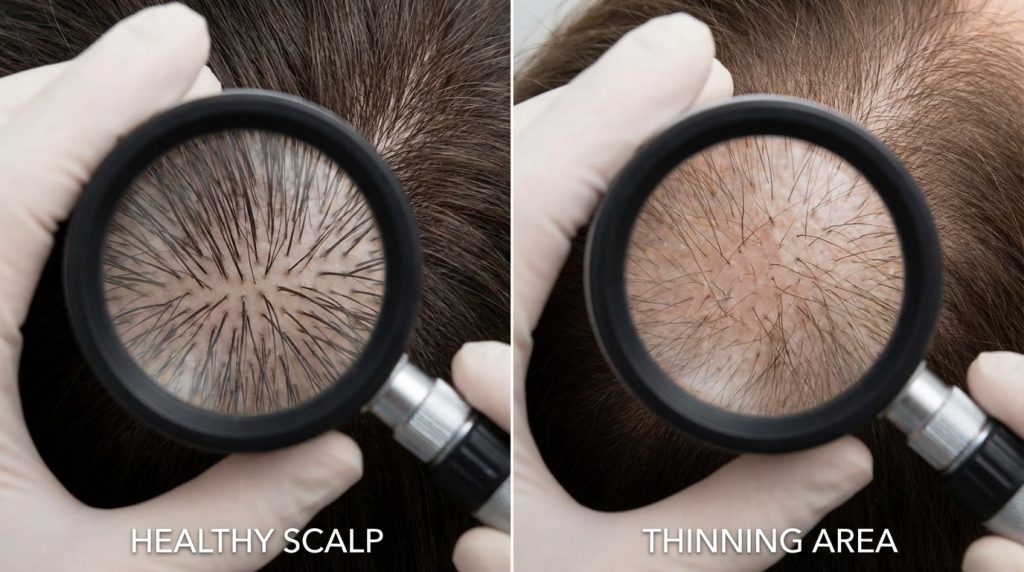
If you notice sudden, dramatic shedding that lasts more than a few months, that’s worth investigating. Bald patches, severe thinning in specific areas, or hair that comes out in clumps—these aren’t normal and could indicate underlying health issues like thyroid problems, autoimmune conditions, or hormonal imbalances.
Sometimes the solution isn’t a better conditioner. Sometimes it’s getting your blood work done and addressing what’s happening inside your body. The connection between physical health and external appearance is stronger than most people realize.
The Long Game
Growing healthy hair is boring. It’s not sexy, it doesn’t make for good social media content, and it requires patience that most of us don’t want to exercise in our instant-gratification world.
But here’s what the long game looks like: eating enough protein and varied nutrients, keeping your scalp clean and healthy, minimizing damage from heat and tight hairstyles, managing your stress levels, and giving your hair time to actually grow.
Most people who think their “hair won’t grow past a certain length” are actually dealing with a breakage problem. Their hair is growing, but it’s breaking off at the ends at the same rate. Fix the breakage, and suddenly you’ll see length you didn’t think was possible.
You might also just have a shorter growth phase than someone else. Some people’s hair naturally stays in the growth phase for 3 years, while others get 7 years. That’s why your friend can grow waist-length hair while yours stops at your shoulders. It’s not that you’re doing anything wrong—it’s just biology.
What I’d Do If I Were Starting Over
If I could go back and give myself advice when I first started caring about hair growth, here’s what I’d say:
Get a scalp massager and use it regularly. Increasing blood flow to your scalp might help, and even if the growth benefits are modest, it feels amazing and reduces stress.
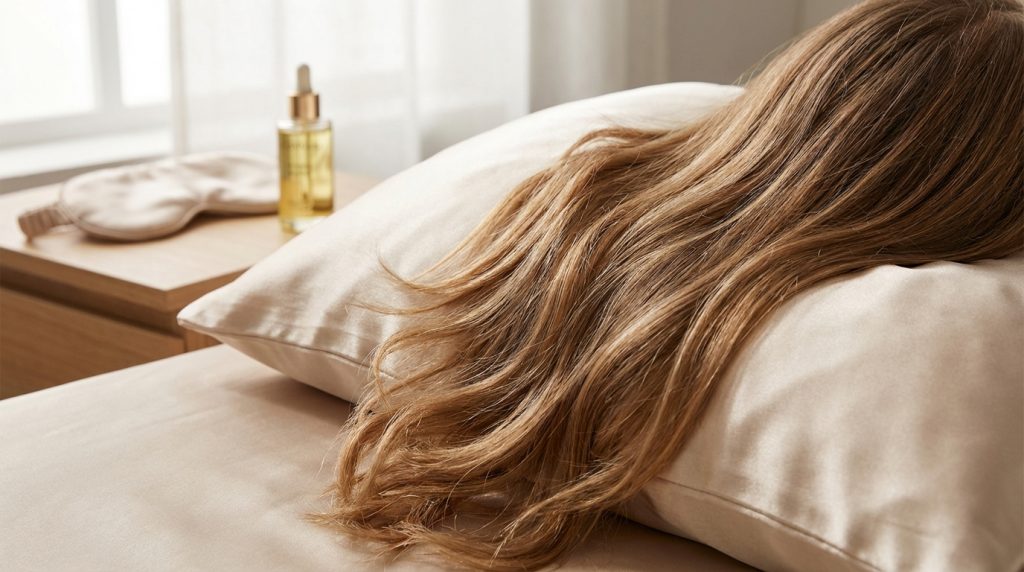
Invest in a silk or satin pillowcase. Cotton pillowcases create friction that leads to breakage and frizz. This is such a simple change that makes a real difference.
Be patient with treatments. Whether you’re trying minoxidil, rosemary oil, or just improving your diet, give it at least three to six months before deciding it’s not working. Hair growth is slow, and the results aren’t immediate. If you’re interested in more holistic approaches, you might explore how manifestation techniques can support your hair growth journey through mindset and visualization.
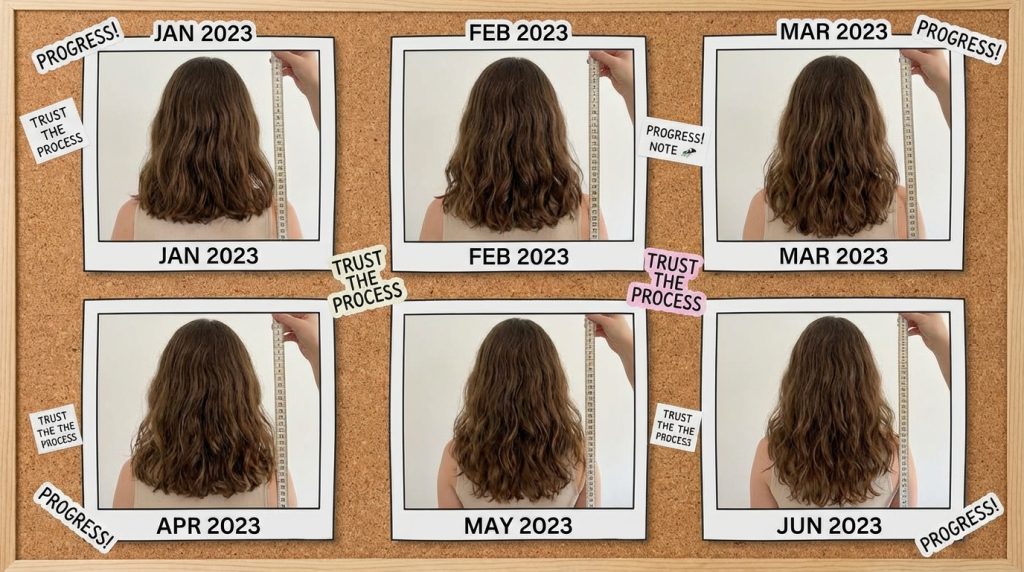
Take progress photos. Your hair grows so slowly that you won’t notice day-to-day changes. Monthly photos from the same angle, in the same lighting, will actually show you what’s happening.
Stop obsessing. Seriously. Constantly measuring, comparing, and stressing about your hair can actually make things worse because stress affects hair growth. Set up a good routine, stick with it, and then live your life.
The Bottom Line
There’s no shortcut to healthy hair growth. There’s no miracle product that will give you rapunzel-length hair in three months. What there is: science-backed ingredients that can help, lifestyle factors that matter more than you think, and the reality that sometimes you just need to be patient and work with what you’ve got.
Your hair is growing right now. The question is whether you’re creating an environment where it can thrive and reach its full potential, or whether you’re sabotaging it with damage, poor nutrition, and unrealistic expectations.
Take care of your scalp, feed your body properly, minimize damage, and give it time. That’s the real secret. Everything else is just details. And remember, your hair deserves better than just looking good—it deserves to be healthy from the inside out.
Citations:
-
Almohanna HM, Ahmed AA, Tsatalis JP, Tosti A. The Role of Vitamins and Minerals in Hair Loss: A Review. Dermatol Ther (Heidelb). 2019;9(1):51-70.
-
Panahi Y, Taghizadeh M, Marzony ET, Sahebkar A. Rosemary oil vs minoxidil 2% for the treatment of androgenetic alopecia: a randomized comparative trial. Skinmed. 2015;13(1):15-21.
-
Fischer TW, Hipler UC, Elsner P. Effect of caffeine and testosterone on the proliferation of human hair follicles in vitro. Int J Dermatol. 2007;46(1):27-35.
-
Guo EL, Katta R. Diet and hair loss: effects of nutrient deficiency and supplement use. Dermatol Pract Concept. 2017;7(1):1-10.
-
Trost LB, Bergfeld WF, Calogeras E. The diagnosis and treatment of iron deficiency and its potential relationship to hair loss. J Am Acad Dermatol. 2006;54(5):824-844.
-
Samrao A, Price VH, Zedek D, Mirmirani P. The “Fringe Sign” – A useful clinical finding in traction alopecia of the marginal hair line. Dermatol Online J. 2011;17(11):1.