
Victorian Fashion Inspiration for Modern Outfits
Picture this: you are doom-scrolling red carpet pics, half-bored, when a corset top with lace sleeves and a giant skirt stops your thumb mid-swipe.
It feels dramatic. Extra. Weirdly romantic.
You do not know if you want to wear it to brunch or battle, but you cannot look away.
Maybe you have already searched something like victorian fashion inspiration modern at 2 a.m., just to see if anyone else is into this mashup of soft drama and sharp structure.
The vibe is clear. It looks old, but it feels aggressively right now.
Charli XCX in an exposed corset. Emma Stone in a gown that looks like it could hide a whole sofa under the back. Chappell Roan going full frills, hair, and makeup like a goth fairy-tale queen.
None of that came out of nowhere. It all traces back to one long, intense era where clothing did the most.
The Victorian era built outfits around feelings that still hit hard now: power, romance, mystery, and curves that are shaped on purpose.
Stick around and you will see how that history turned into runway looks, how to steal the best parts for daily outfits, and where the line sits between fun dress-up and body-hating nonsense.
If that corset-filled explore page has been living rent-free in your brain, keep going. This is where it starts to make sense.
What Made Victorian Fashion So Iconic (And Why It Still Slaps)
Victorian fashion started with one extremely watched woman. Queen Victoria ruled from 1837 to 1901 and was basically the Beyoncé of her century, with everyone staring at what she wore and copying it as fast as they could.
At the same time, tech was changing clothes. Sewing machines, synthetic dyes, and early fashion magazines meant pretty dresses stopped being only for rich people. For the first time, a shop girl and a duchess could chase the same trend, just at different price points. That first wave of fashion access feels a lot like scrolling the same feeds now.
The core Victorian goal was simple and dramatic: build an hourglass shape so strong it almost looked drawn on. That meant a tight-looking waist, rounded hips, full bust, and skirts so wide they could brush door frames. To get there, women layered a chemise, corset, petticoats, crinoline cages, and later, bustles stacked on the back.
The corset is where most horror stories live, so a quick reset helps. For many women, it was more like a structured bra than a torture device. It was worn over a soft chemise, often made from flexible materials, and the goal was proportion more than the tiniest waist number. In a strange way, that made Victorian beauty standards a bit more forgiving than people think.
Extreme tightlacing absolutely existed, with health problems that came with it, from breath issues to squished organs. It was the dramatic exception, not the daily norm. What really defined the look was everything wrapped around the corset: rich velvet, satin, and silk; deep shades like burgundy and midnight blue; lots of black and cream; and so many details, from lace and frills to floral ribbons.
“The corset never really disappeared; it just moved from the outer body to the inner body.”
— Valerie Steele, fashion historian
Those are the exact ingredients that make Victorian inspiration feel modern and wearable now: structured shapes, rich textures, and careful detailing that still work with sneakers and a tote bag.
The Victorian Pieces Taking Over Modern Runways and Red Carpets Right Now
Victorian style is not some niche cosplay corner. Once the eye knows what to look for, it shows up in almost every big fashion moment, from viral premieres to couture shows and streaming-era movies.
“Fashion is the armor to survive the reality of everyday life.”
— Bill Cunningham
Victorian-inspired looks are a perfect example of that “armor”: dramatic on purpose, but still grounded in feelings we recognize.
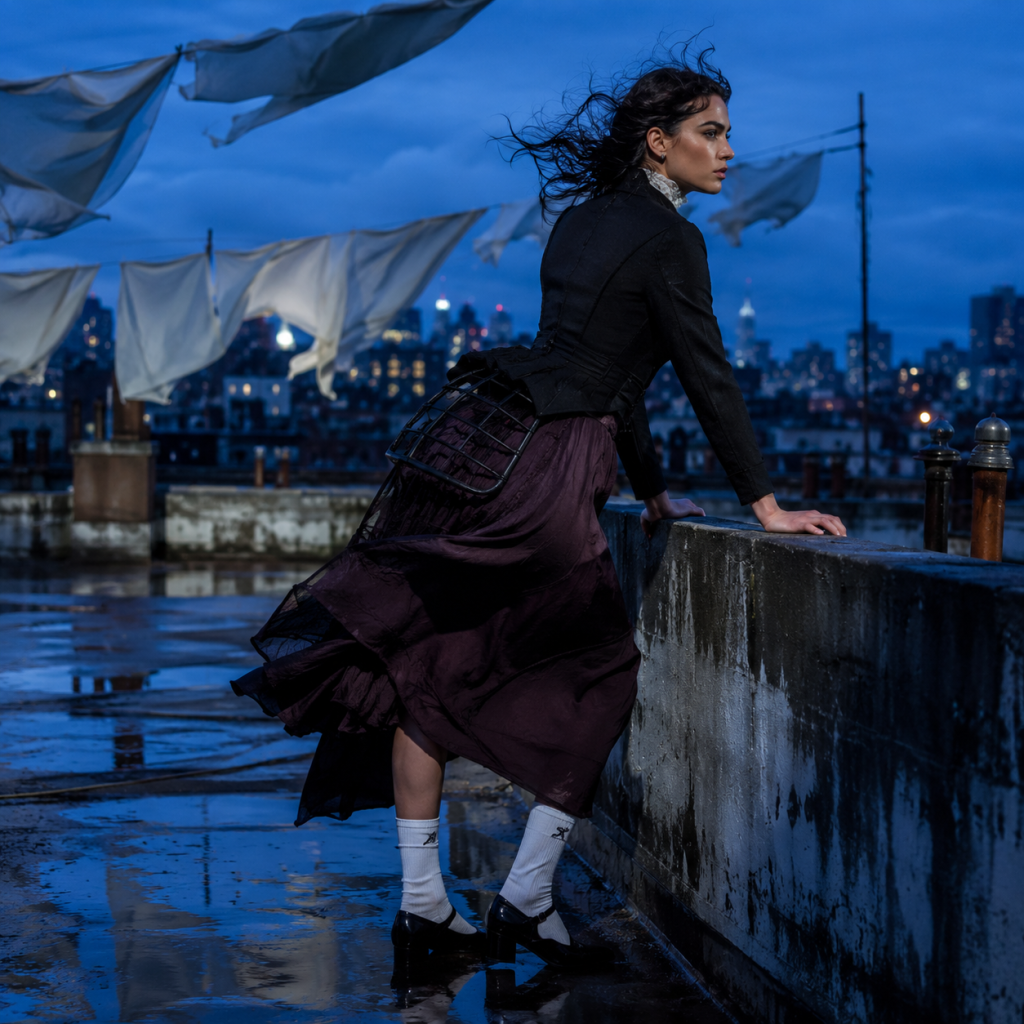
On The Red Carpet
Red carpets are where Victorian drama sneaks into mainstream style in plain sight. The silhouettes look familiar, but they are styled with modern hair, makeup, and confidence, which is why they read as fashion, not costume.
| Celebrity | Designer | Victorian Element |
|---|---|---|
| Charli XCX | Jean Paul Gaultier | Exposed corset with a wide, frilly neckline that leans into structured romance |
| Emma Stone | Louis Vuitton | Bustle-style gown that builds serious volume on the back of the skirt |
| Nicola Coughlan | Custom Dior | Clean, classic hourglass shape with a nipped waist and flowing skirt |
| Lady Gaga | Samuel Lewis | Dark, gothic mood pulled from Victorian mourning looks and high drama |
| Chappell Roan | Vintage Jean Paul Gaultier | Full Victorian energy through silhouette, frills, and styling choices |
| Doechii | Thom Browne | Bustle padding that sculpts the back of the dress into a bold curve |
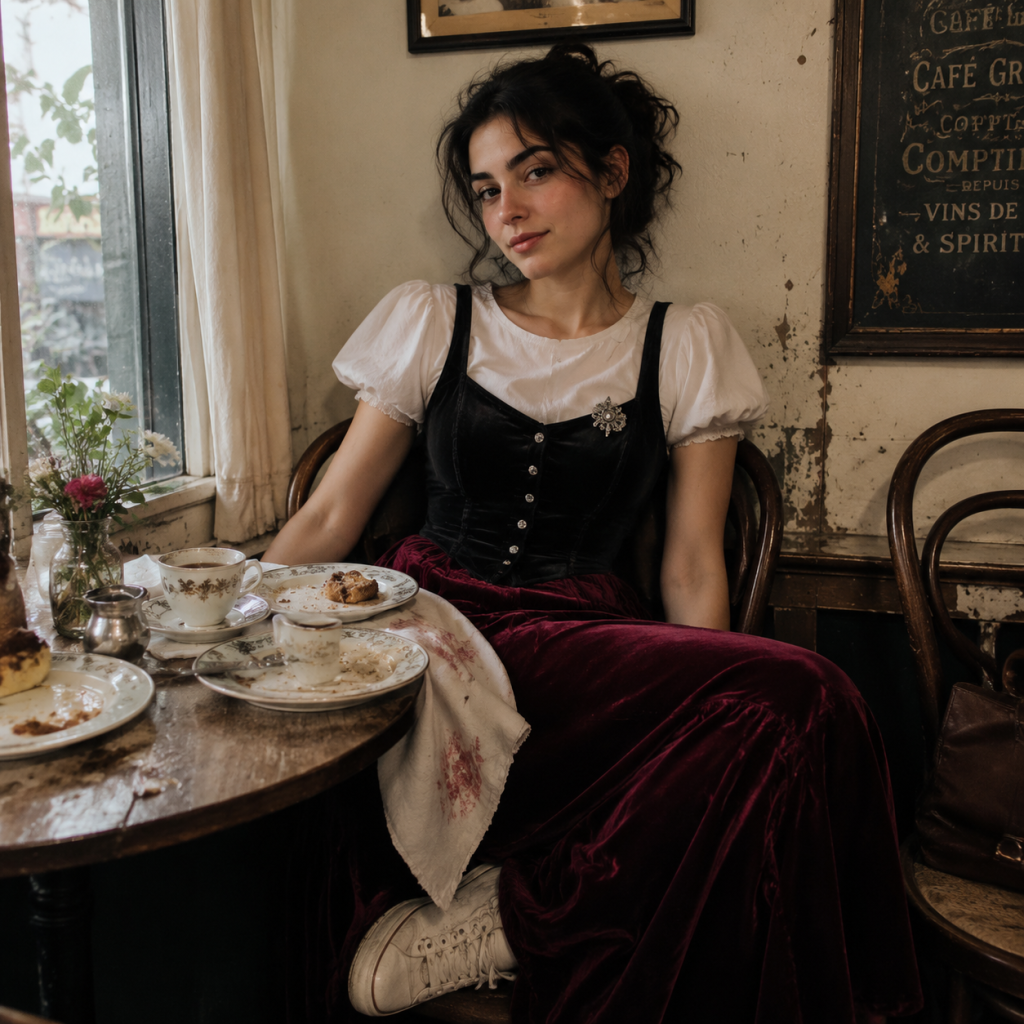
What matters is not that these looks quote a history book. It is that they use Victorian tricks on purpose:
-
One strong shape
-
One clear focal point
-
Everything else edited down
That is the same mindset you can use when If you want a more low-key version of this mood, dark feminine energy is an easy way to make Victorian shapes feel sharper and less costume-y. pulling victorian fashion inspiration modern outfits from your closet.
On The Runway And Screen
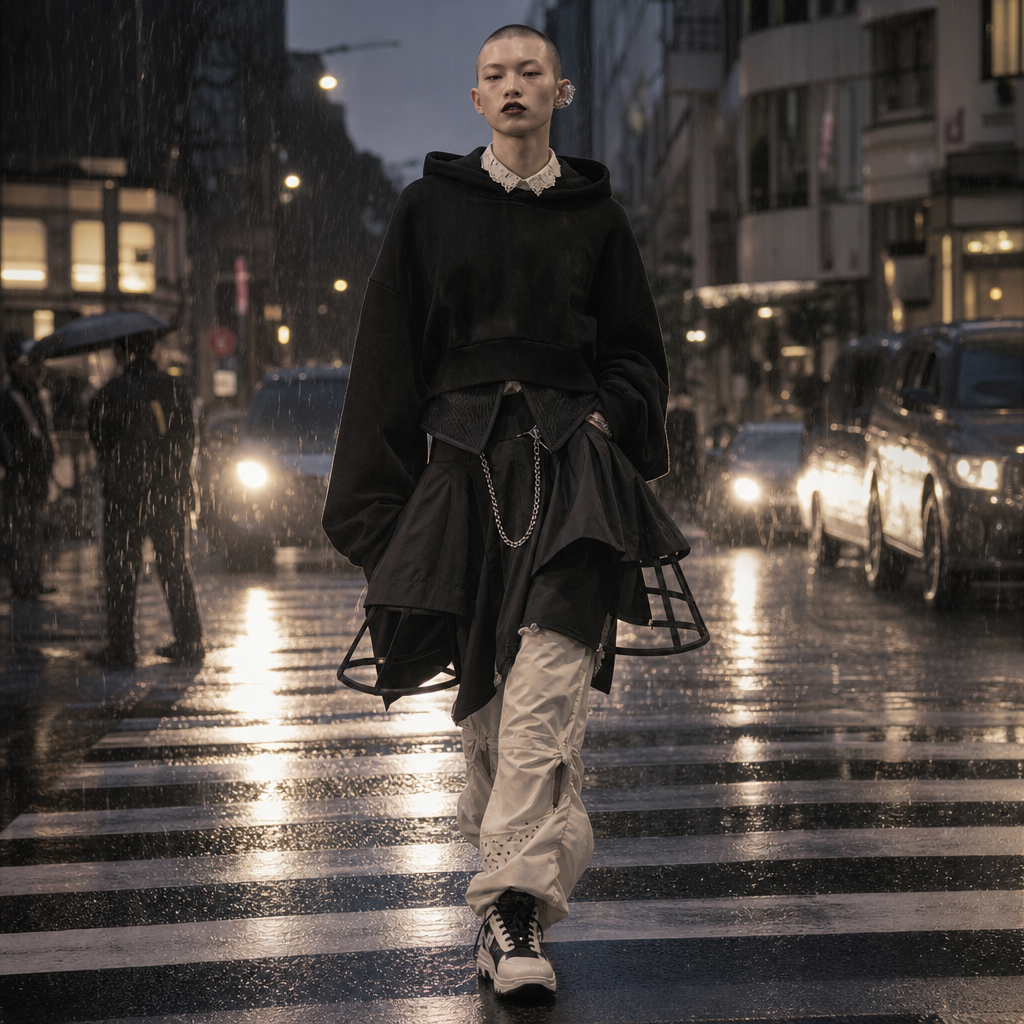
Runway shows go even harder on structure. Houses like Loewe, Jean Paul Gaultier, and Valentino are putting crinoline cages on the outside of dresses, turning what used to hide under skirts into the main character. The architecture that once stayed secret now becomes the whole flex.
Movies are doing their part, too. The new Nosferatu leans into dark Victorian layers, with chemises, corsets, and mourning wear that feel accurate and unsettling at the same time. Wicked spins the same ideas into fantasy, with Glinda’s bubble dress built from spirals of nylon crinoline, straight out of Victorian skirt engineering.
Then there is the comeback of the peplum. When Moeka Hoshi, Kehlani, or Elle Fanning wear tops that flare out at the waist, they are using a direct descendant of the old “small waist, strong hips” rule. The same goes for designer Charles Jeffrey, who sends hoop skirt shapes on people of every gender, turning a once strictly feminine symbol into something that questions who even gets to wear drama.
Put together, runway and screen prove that Victorian fashion inspiration for modern style is not about copying full outfits. It is about stealing shapes and details and dropping them into fresh stories.
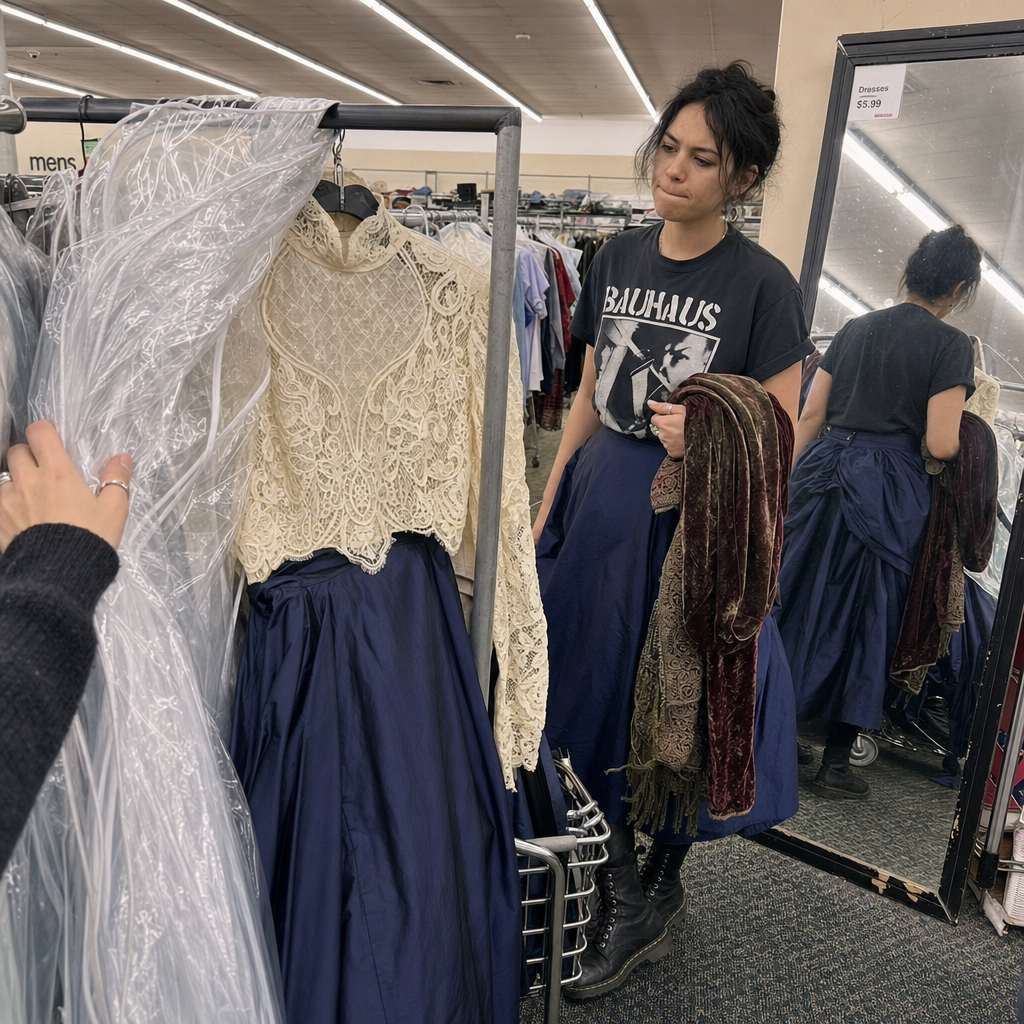
How To Add Victorian Fashion Inspiration To Your Modern Wardrobe Without Looking Like You’re In A Play
The goal here is not to show up to class looking like an extra from a gaslight horror movie. The goal is one or two Victorian moves in an outfit that still feels like you, on a random Tuesday, grabbing coffee and living life.
Think of these as sliders, not switches. You nudge the look toward Victorian with color, texture, or shape, then pull it back with sneakers, a tote bag, or simple hair and makeup.
-
Start With A Maxi Skirt.
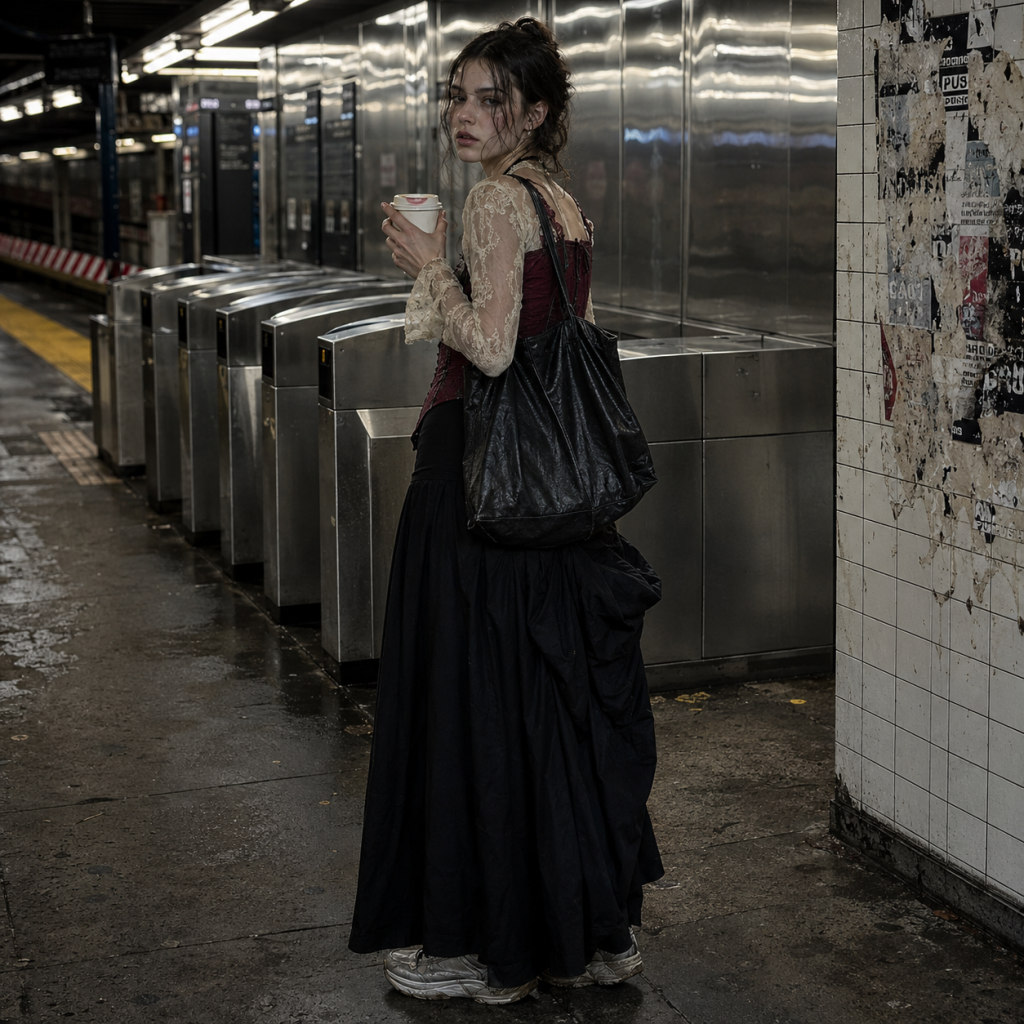
A straight or slightly flared maxi skirt does a lot of work with almost no effort. It copies that long, sweeping line Victorians loved, without needing a cage under it. Pair it with a graphic tee or cropped hoodie and you get that victorian fashion inspiration modern mix in one shot. Thrift store formal racks are full of skirts that only need a hem or a different top to feel current. -
Commit To The Color Palette.
Victorian style leans into deep burgundy, inky black, dark blue, dusty pink, and clean white. If you pick one of these shades as your “main character” for an outfit, everything starts to look more intentional. A burgundy skirt with a black tank and chunky boots or a dark blue dress with white socks and sneakers gives drama without shouting “theater kid.” -
Go For High Collars Or Lace Overlays.
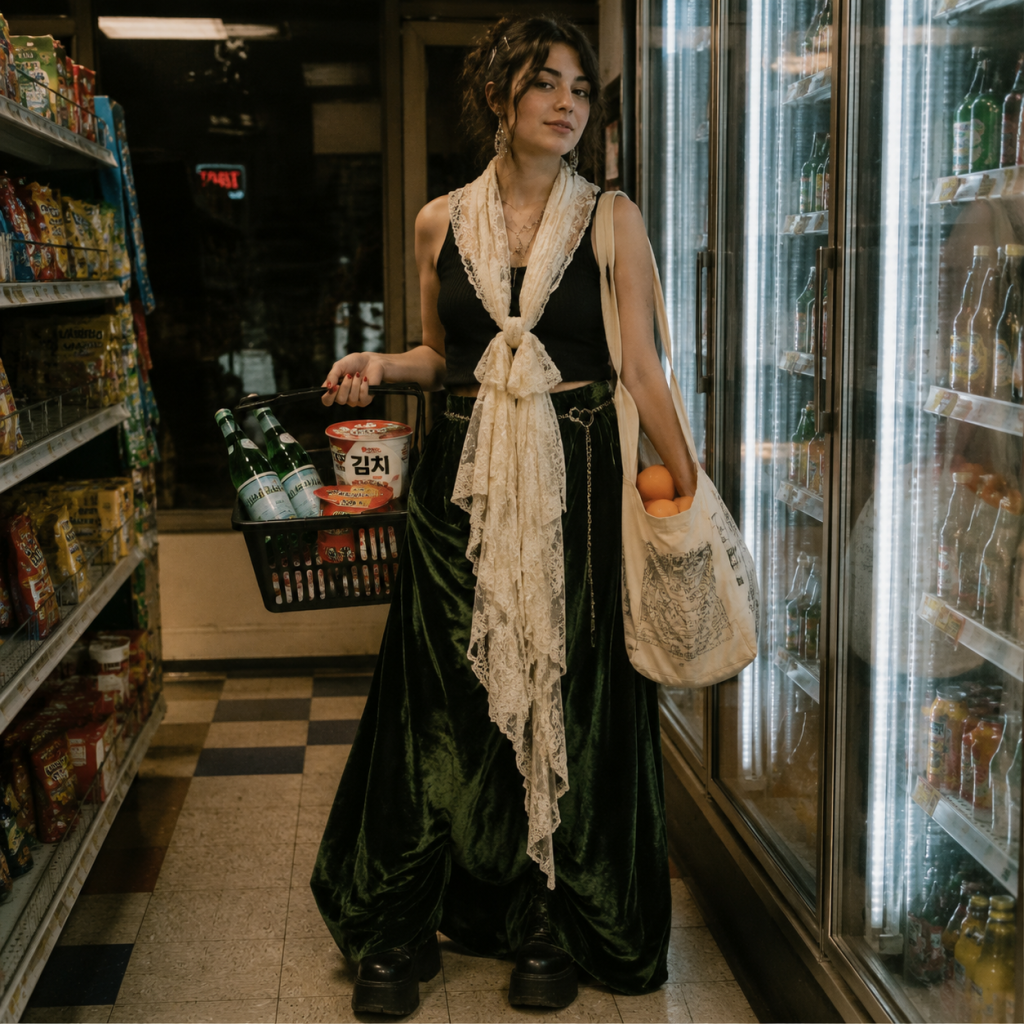
A high-collar blouse instantly says Victorian, even if you wear it with baggy jeans. If a full buttoned-up neck feels like too much, look for pieces with lace across the neckline or chest that mimic the effect in a softer way. Layer them under a denim jacket or bomber and the vibe shifts from costume to cool, especially when the rest of the outfit stays casual.
-
Add Frills And Lace Intentionally.
Frills and lace can go childish fast, so placement matters. Look for one strong detail, like a sleeve with ruffles or a lace-trimmed hem, instead of head-to-toe flounces. White lace over a dark red or black base is one of the quickest ways to get that Victorian fashion tension that feels romantic and a little bit edgy. -
Incorporate Floral Motifs.
Victorian people were obsessed with flowers, from embroidery to secret meanings in bouquets. You can pull that into your outfits with a floral brooch, embroidered blouse, or tights with a subtle floral pattern. Mixed with modern pieces, the result feels like soft armor instead of a costume, especially when the rest of the outfit stays simple. -
Throw On A Shawl.
A shawl sounds like something your great-grandparent keeps on the back of a chair, but styled right, it is powerful. Worn over a tank and jeans, it adds movement, texture, and a little old-world drama without locking you into a full look. You can loop it, drape it, or even belt it, and thrift stores are full of affordable options in velvet or lace. -
Keep Hair And Makeup Minimal.
This is where outfits tip from “stage play” back to real life. When you wear a strong Victorian-inspired piece, let your hair stay sleek or messy in a normal way and keep makeup fresh and light. That contrast tells everyone the drama is a choice, not a costume, which is the energy a lot of Shownd readers aim for when they build outfits from historical inspo on a real-person budget.
Guides on Shownd lean into this mix-and-match mindset, helping you pull Victorian fashion inspiration into a wardrobe that still works for school, dates, and late-night snack runs. Take whichever tips feel fun, ignore the rest, and treat the whole thing like play.
The Real Talk: Is The Victorian Revival Empowering Or Just A Trap?
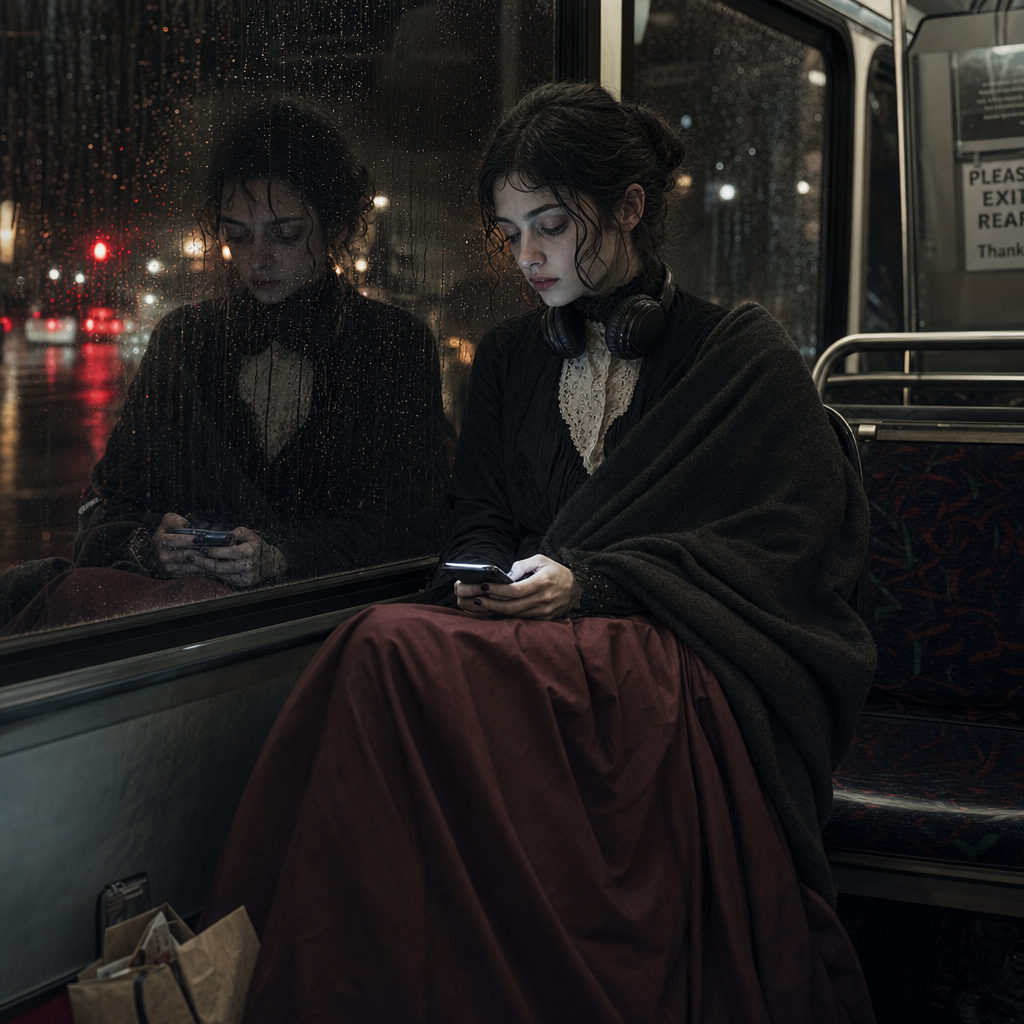
There is a reason people argue about corsets on TikTok comment sections. Bringing back Victorian shapes feels exciting and aesthetic, and at the same time, some parts of the trend poke at old wounds around body control.
On the rough side, waist trainers echo the worst parts of tightlacing logic. They promise magic results if you just squeeze hard enough, even though doctors warn about skin irritation, breathing issues, and more. The emotional crash when you take the thing off and your body looks like itself again is brutal, especially if the whole point was chasing a smaller waist.
Marketing sometimes makes it worse. One brand pushed a post-birth corset with “sexy” messaging, telling new parents to snap back as fast as possible. Fashion historian Valerie Steele has pointed out that the corset did not disappear so much as move inside, through diet, workouts, and surgery — a tension explored in academic work such as the Saartjie Baartman’s body shape study, which examines how Victorian dress ideals imposed particular body standards — and that hits hard when you scroll fitness content. Even on red carpets, things get rough. Elle Fanning fainted in a too-tight dress, and Kim Kardashian talked about not being able to sit or use the bathroom in her Met Gala gown.
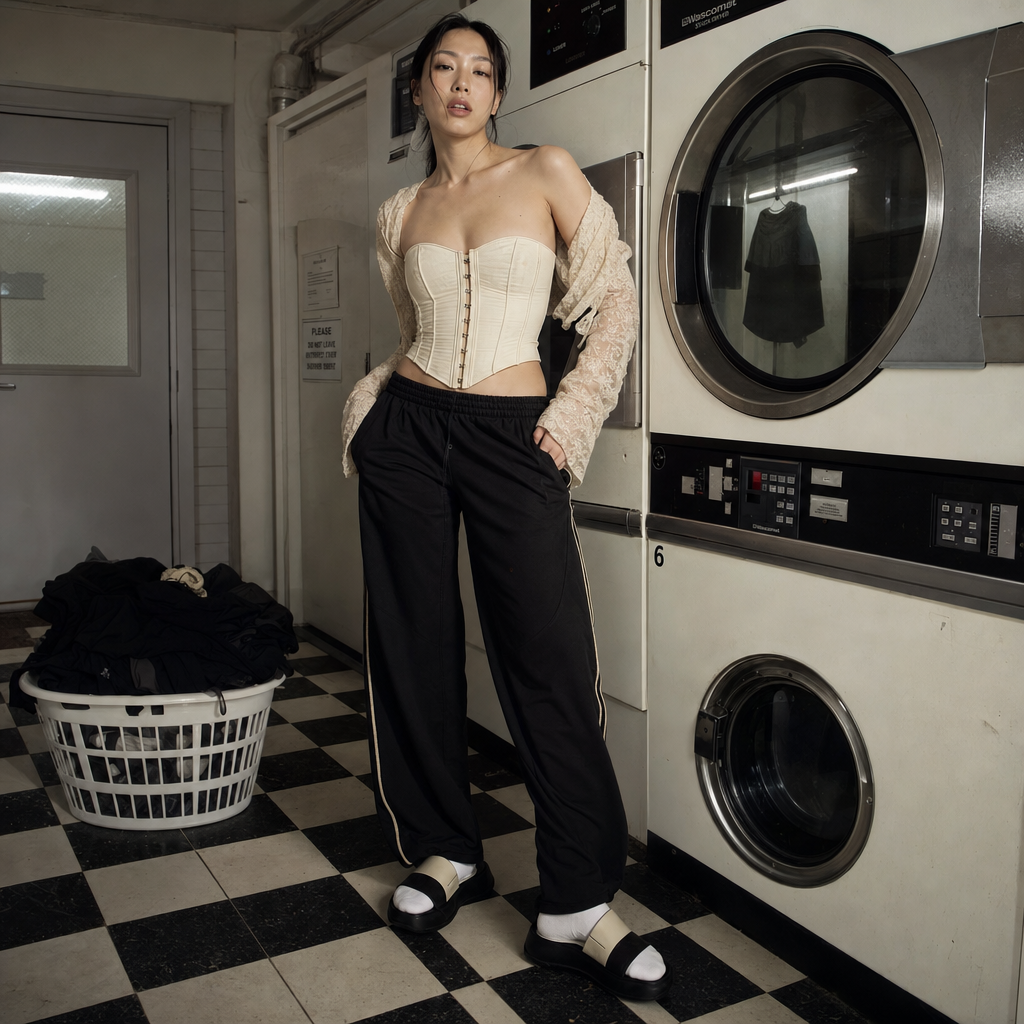
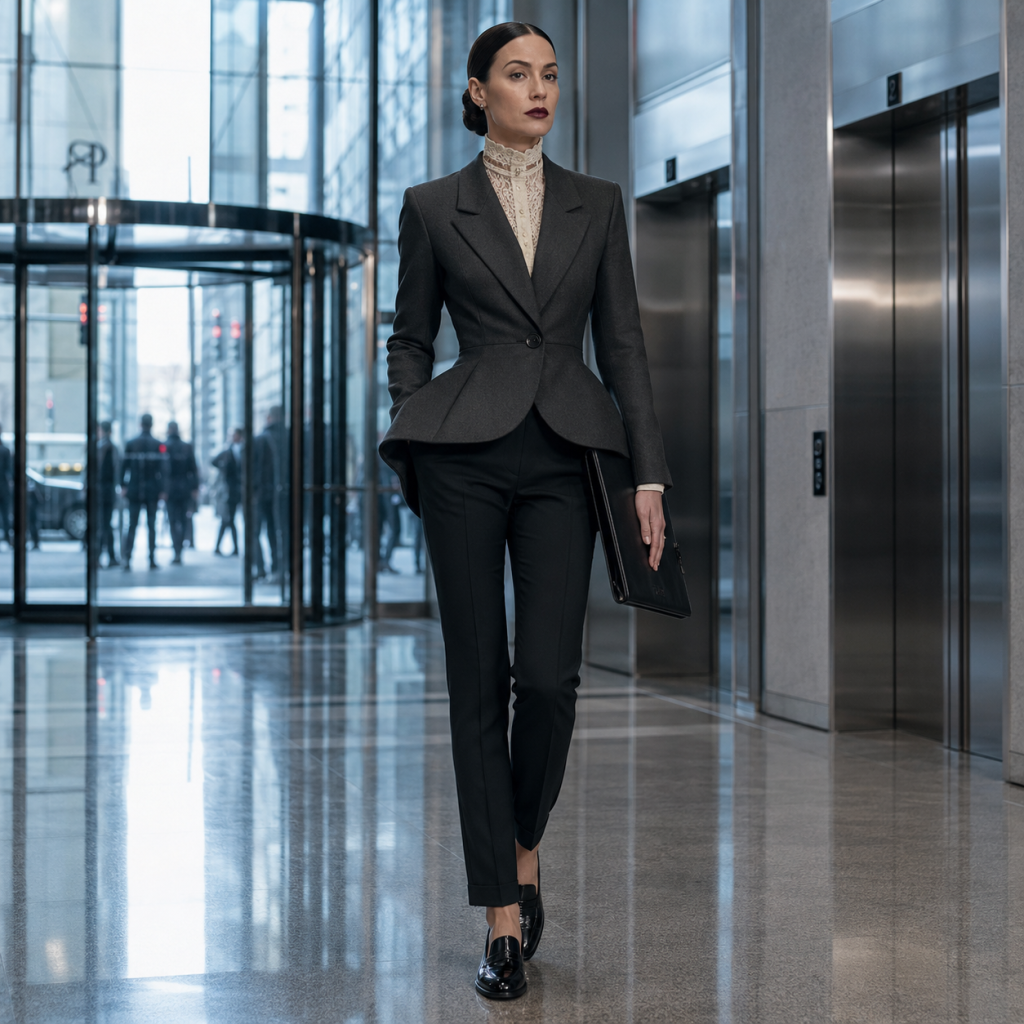
There is another side, though, where people use the same shapes to claim space instead of shrink into it. Designer Charles Jeffrey sent hoop skirts on bodies of every gender, which throws the old rulebook out the window. A modern pannier-style suit on a woman in an office reads like armor, not a cage. Even cartoon villains like Scarlet Overkill in Minions turn that wide-hip dress into a symbol of power.
To keep it simple, you can ask yourself:
-
Does this piece help me feel bigger, louder, or more myself?
-
Or does it make me feel smaller, restricted, or wrong without it?
The line between fun and trap is not drawn by fabric. It is drawn by how you feel. If Victorian-inspired pieces help you tell the story you want, wear them. If they start to feel like punishment, you get to take them off.
Victorian style was never about quiet clothing. It was about using fabric, color, and structure to send a very clear message before anyone even spoke.
That same mindset works now, just with fewer ribs in danger. A lace collar here, a velvet maxi skirt there, maybe a shawl over jeans or a corset-style top with sneakers, and suddenly outfits feel more intentional without turning into cosplay.
You do not need a full era in your closet. You only need a few pieces that make you feel how those red carpet pictures look in your head. So scroll, thrift, pin, experiment, and keep whatever parts of Victorian fashion inspiration for modern outfits make you feel most like yourself. Style is supposed to be play, not pressure.
FAQs
What Is Victorian Fashion Inspiration For Modern Wardrobes?
Victorian fashion inspiration for modern wardrobes means lifting specific ideas from 1837–1901 style and bending them into outfits that work right now — a period well documented through historical resources on fashion maintained by the Library of Congress. Think corset-style tops, lace, high collars, rich fabrics, and dramatic skirts, mixed with modern basics so the result feels wearable, not like costume duty.
How Do I Style Victorian-Inspired Pieces Without Looking Costumey?
The trick is balance and editing. Pick one strong Victorian element, like a frilly blouse or velvet maxi skirt, then pair it with simple pieces such as plain tees, sneakers, straight-leg jeans, or a clean blazer. Keep hair and makeup low-key and let that single statement piece do the talking. If you want ideas, outfit guides on Shownd break down this mix step by step.
What Are The Best Victorian Fashion Elements To Thrift?
Thrift stores are packed with lace blouses, velvet dresses, shawls, long skirts, and high-collar tops that read very Victorian when styled right. Check formal racks and nightgown sections for hidden gems, and remember that a small alteration or fresh styling can turn a “grandma” piece into a strong fit.
Is The Modern Corset Trend Actually Safe To Wear?
Most modern corset-style tops are built for looks and light shaping, not serious waist shrinking, which makes them fine for everyday wear if they feel comfortable and you can breathe easily. The real concern is waist trainers that claim to change your body shape, since they can cause health issues and bring back the worst parts of historical tightlacing.
Sources for this article include fashion history research, recent runway coverage, and interviews with costume designers and fashion historians.