
60+ Blonde Hair Color Shades That Are Actually Worth Screenshotting
So you’re flirting with going blonde in 2025. Maybe you’ve been staring at Sabrina Carpenter’s buttery blonde circa her 2024 VMAs look, or you’re still not over Beyoncé’s warm honey blonde from the Renaissance era. Perhaps Kim Kardashian’s Met Gala platinum moment lives rent-free in your head, or Sydney Sweeney’s soft beige blonde has you convinced it’s finally time to make the leap.
Here’s the thing: “going blonde” isn’t actually one decision. It’s about sixty different decisions wrapped in one category, and the gap between a sun kissed honey and a cool platinum is basically the difference between ordering a latte and ordering straight espresso. Both are coffee, but they’re completely different vibes.
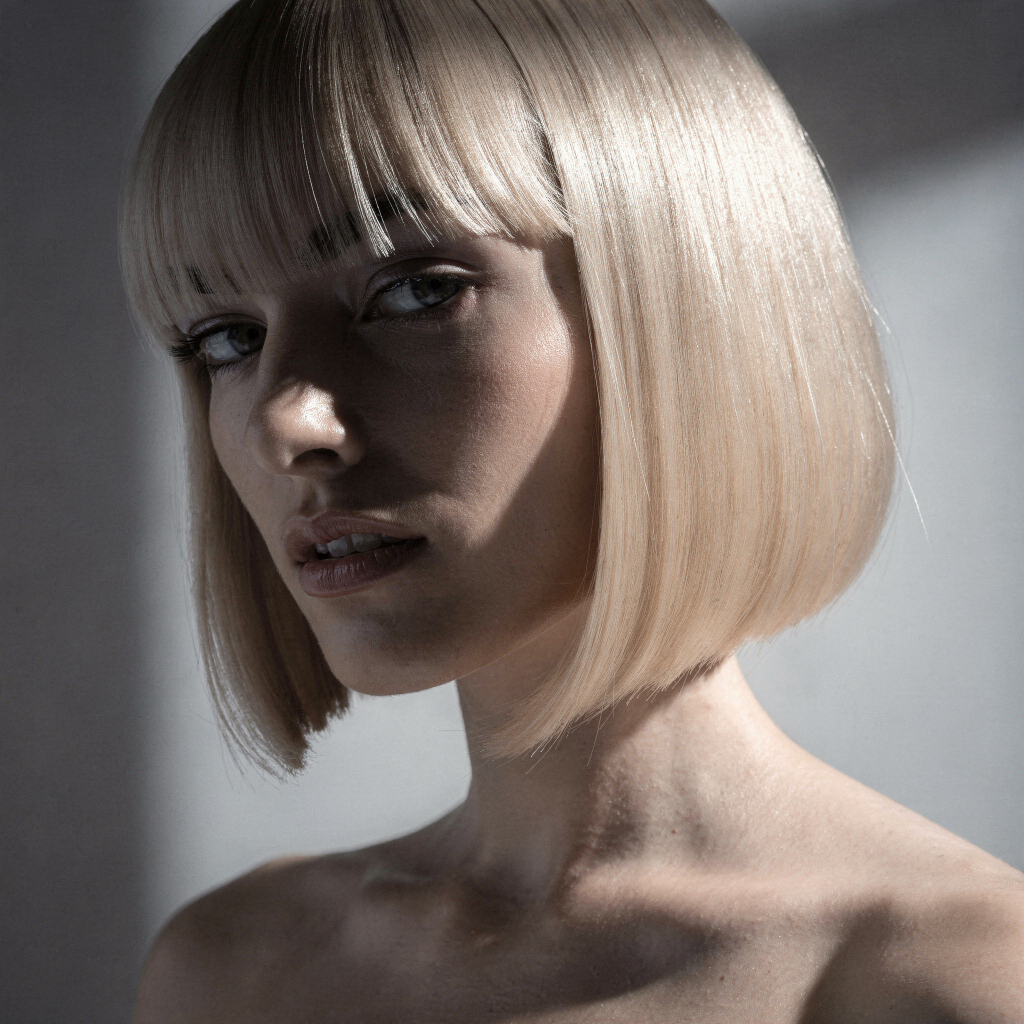
This guide covers over 60 specific blonde hair color ideas, from whisper-soft baby blonde to full-on white platinum and everything in between. We’re talking warm shades that make your skin glow, cool tones that give main character energy, and lived-in bronde blends for anyone who wants gorgeous color without becoming best friends with their colorist. Plus, we’re getting into the real stuff: maintenance expectations that won’t lie to you, how to match shades to your skin tones, and what each category actually costs you in terms of time, money, and hair health.
This isn’t a listicle with fifty aesthetic names and zero substance. By the end of this 3000+ word deep-dive, you’ll have screenshot-able shades for your camera roll, the exact words to say to your colorist so they don’t give you something completely different, and a realistic sense of what level of commitment each blonde family requires. Whether you’re a natural brunette taking the plunge or a current blonde looking to switch things up, consider this your complete blonde bible.
Classic Blonde Icons: Timeless Shades That Never Miss
Before we get into the trendy, niche, or experimental stuff, let’s cover the OG blonde hair colors that have been around for years and still absolutely hit in 2025. These are your forever-trending options—the shades that work for first-time blondes, people who don’t want to chase micro-trends, and anyone who believes in “if it ain’t broke, don’t fix it” energy.
The classics include shades like honey blonde, golden blonde, champagne blonde, ash blonde, baby blonde, sandy blonde, beige blonde, and neutral blonde. Each has its own mood, its own ideal skin tone match, and its own maintenance reality. Let’s break them down.
Honey & Golden Blonde
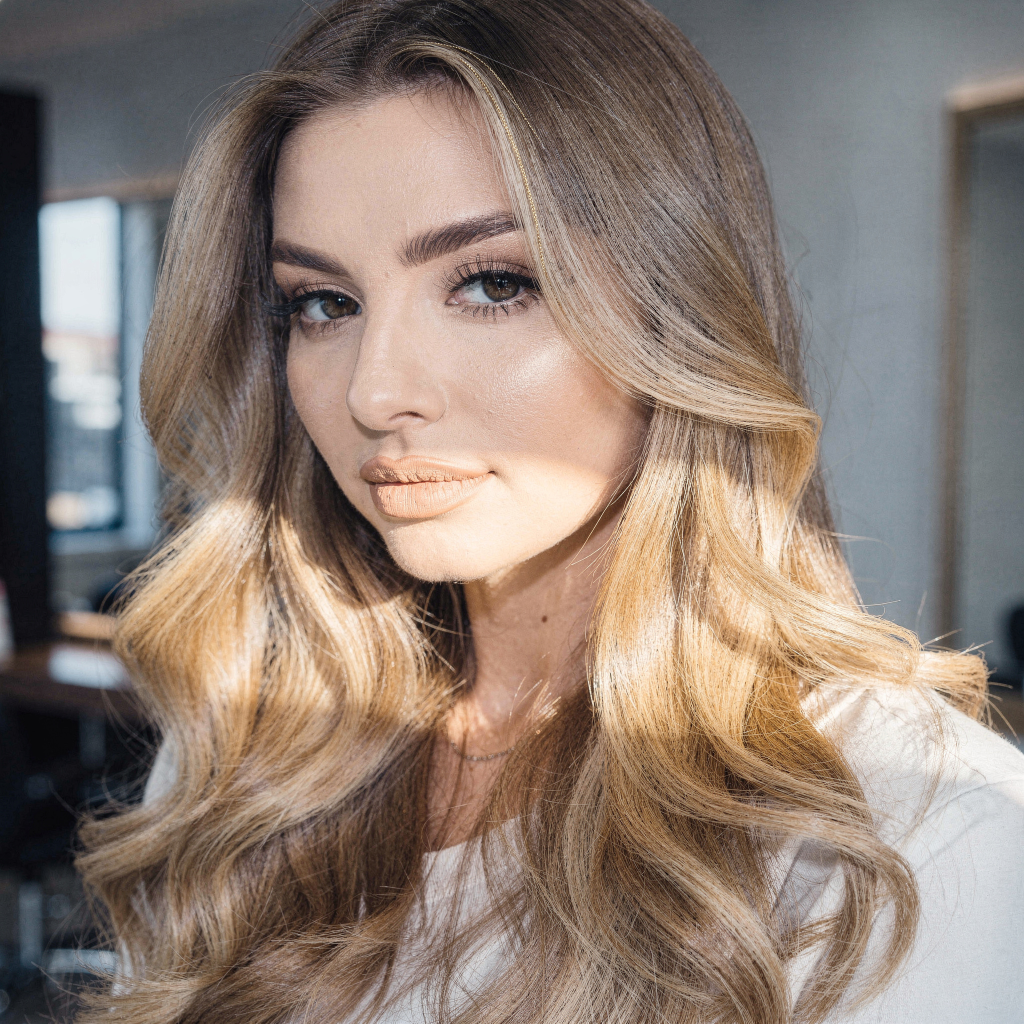
Honey blonde is that syrupy, warm blonde with golden hues and subtle caramel undertones. Think Beyoncé during her 2016 Lemonade era—rich, dimensional, and absolutely glowing. This shade is perfect for medium to deep skin tones and anyone chasing “summer in Mykonos 2023” energy without trying too hard. The beauty of warm honey blonde is that it works as a stepping stone for brunettes transitioning to blonde because it doesn’t require stripping all the warmth out of your natural base.
For skin tone matching, honey blonde is beautiful on warm or neutral skin tones, and it particularly shines on medium complexions with darker eye colors—think rich brown to almost-black eyes. The maintenance level sits at medium: you’ll want a gloss every 6–8 weeks to keep the warmth looking intentional rather than faded. Skip the purple shampoo unless your color shifts too yellow; over-cooling honey blonde just makes it look muddy.
Golden blonde is the classic, high-shine, old-Hollywood version of blonde. Picture Blake Lively on basically any red carpet or early Gigi Hadid runway moments—shimmery, creamy, and soft with that expensive glow. This shade works especially well with warm or neutral undertones and brings blue, green, and hazel eyes alive. Golden blonde looks especially elegant when streaked with buttery blonde highlights for extra dimension.
Both honey and golden blonde look best with soft waves or blown-out layers that show off the dimensional color. Ask your colorist for blonde balayage or melted highlights instead of a flat single-process color—you want movement, not monotone. Style-wise, lean into warm bronzer, peach blush, and gold jewelry to complete the cohesive warm-girl aesthetic.
If you want your warm blonde to pop even more, try colorful eye makeup for beginners.

Champagne & Baby Blonde
Champagne blonde is a soft, cool-to-neutral blonde that mixes pearl and pale gold in the most elegant way possible. Think Hailey Bieber’s late-2022 hair color—understated luxury that photographs beautifully without screaming for attention. This shade flatters cool or neutral skin tones and gives off quiet luxury vibes without requiring extreme maintenance.
Baby blonde is light but never harsh. It’s that toddler’s natural, sun-bleached color—very soft, fine, and slightly warm but airy. This shade is ideal for pale or light-medium skin and works perfectly for anyone who wants to be noticeably blonde without looking like they’re trying too hard. Baby blonde reads as naturally light eyes and fair skin coded, but can work on warmer complexions with the right undertones in the formula.
The key difference? Champagne leans slightly more beige and cool, while baby blonde is lighter and a bit warmer but still delicate. Both can go brassy or dull fast (light blonde = more room for visible tone shifts), so glossing and toning are non-negotiable. Stick with sulfate-free shampoo and occasional purple products to maintain that fresh-from-salon glow.
When booking, ask your stylist for super-fine subtle babylights, a soft root smudge for natural-looking grow-out, and a translucent gloss. This combination gives you that “I was born this blonde” effect rather than obvious highlights.
Ash, Sandy & Beige Blonde
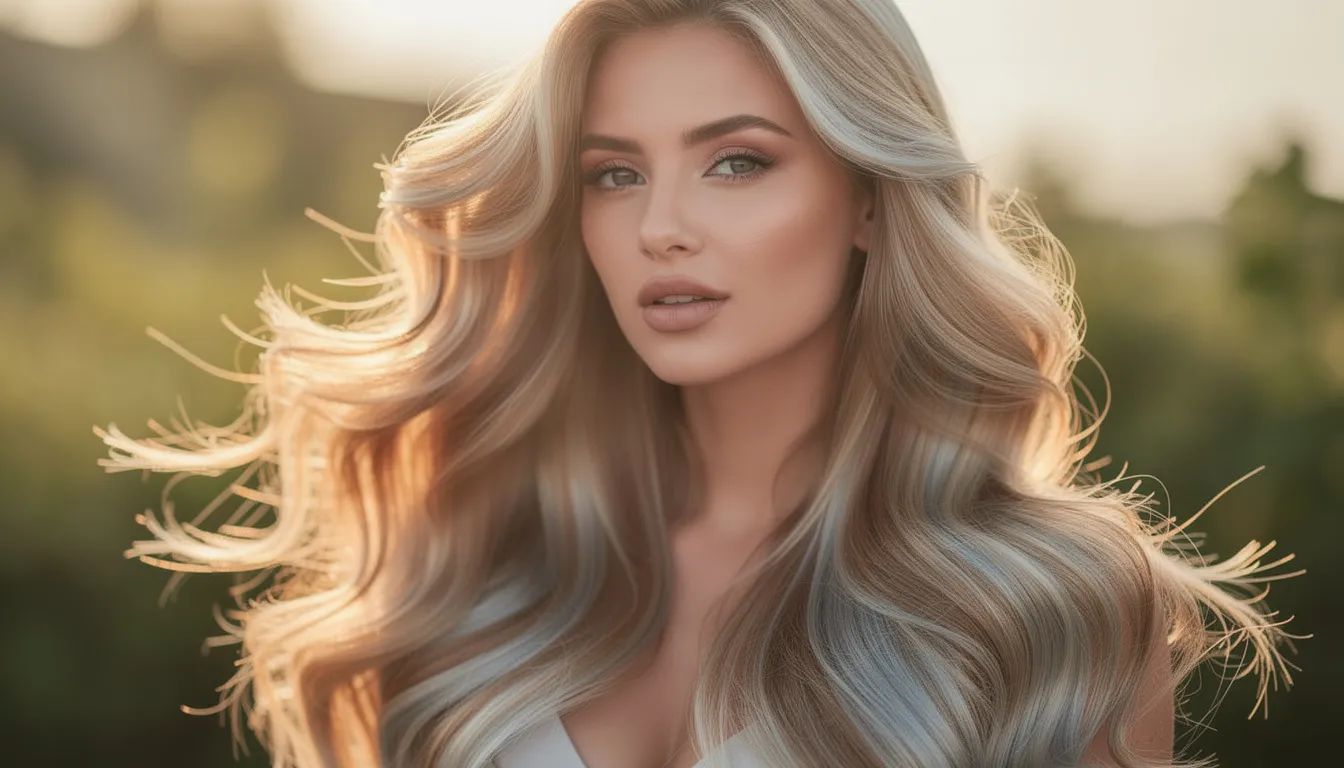
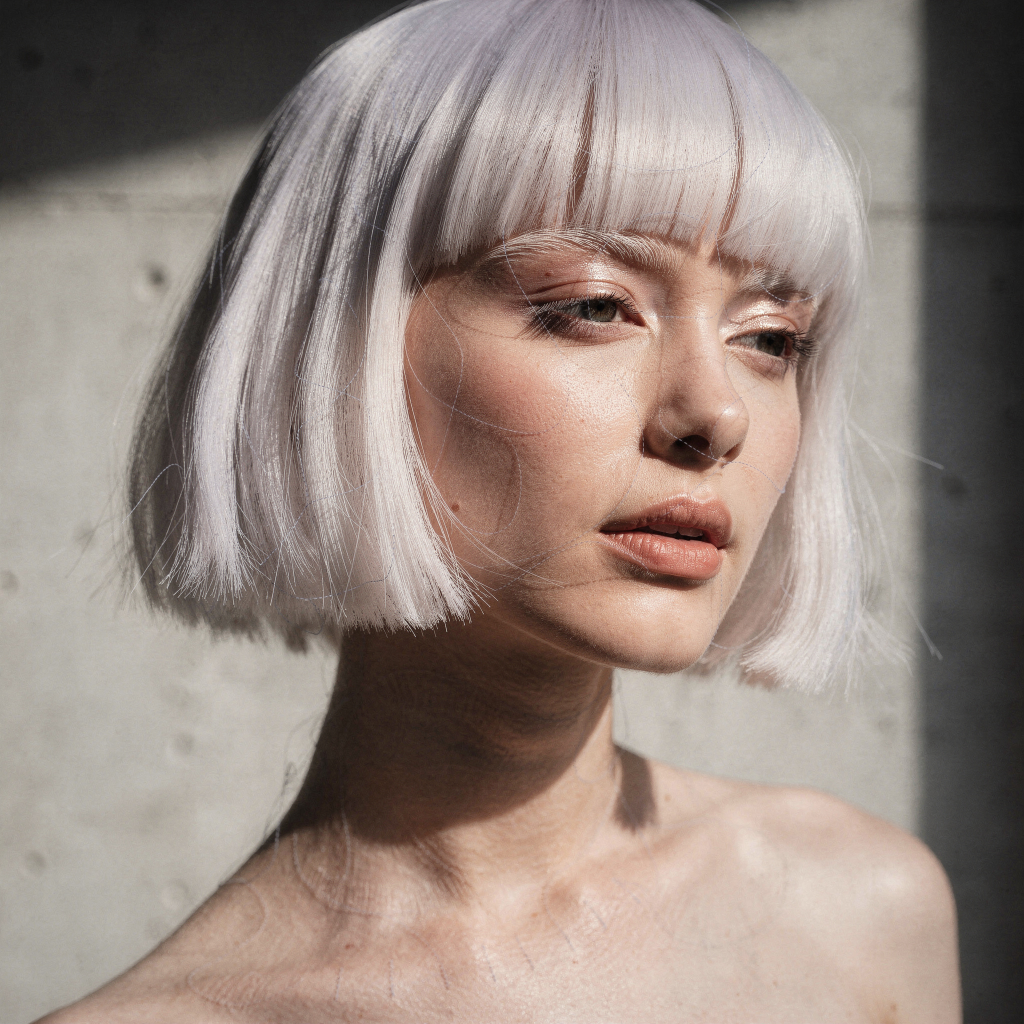
Light ash blonde hair is the cool, smoky blonde with grey or blue undertones that took over the Scandi-girl aesthetic around 2020 and hasn’t really left. It’s perfect for canceling warmth in your natural hair tone and flatters cool undertones beautifully. Ash sits on the cooler side of the blonde spectrum with hints of blue, grey, green, and violet that work together to neutralize any brassy tones.
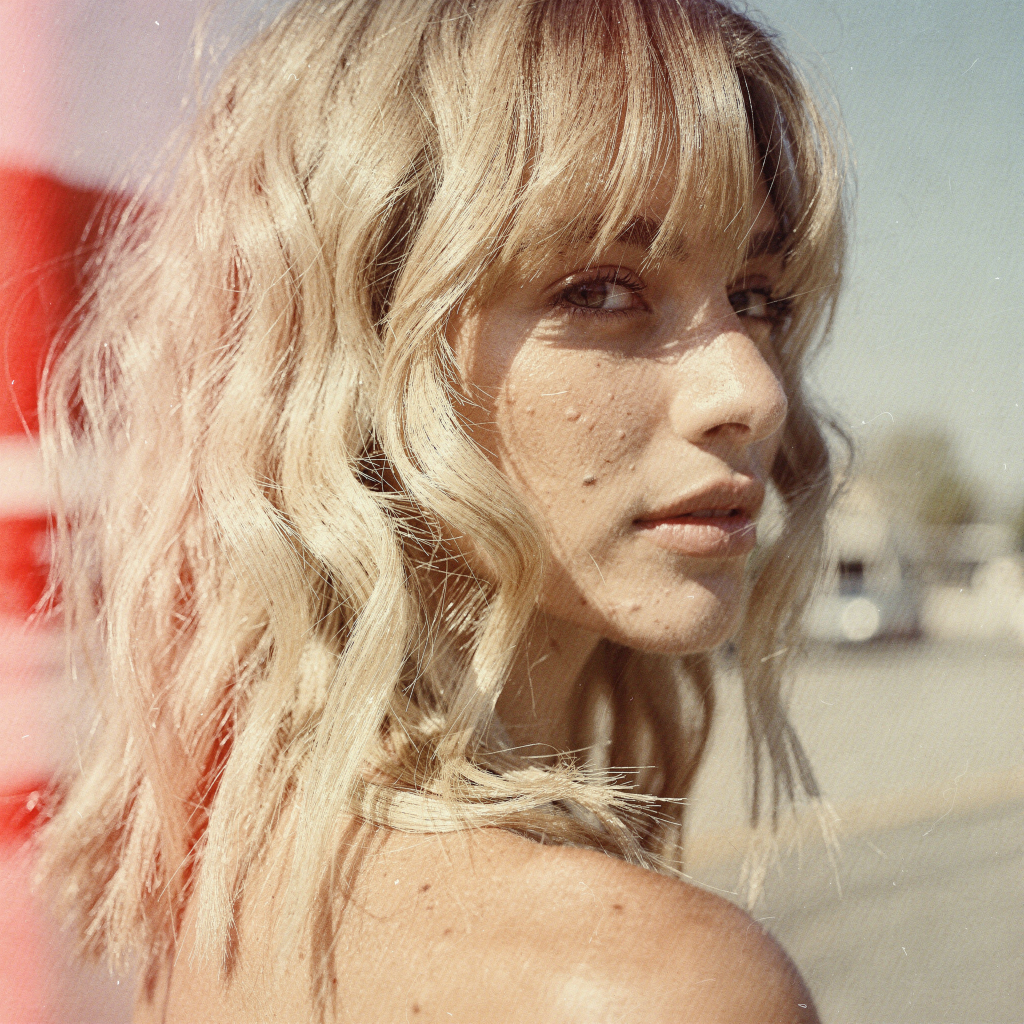
Sandy blonde is soft, beachy, and sits somewhere between warm tones and cool undertones—like wet sand at sunset with both golden and ashy threads running through it. This shade works for almost every undertone because it’s not committing too hard in either direction. Sandy blonde is peak “I just got back from two weeks in California” energy.
Beige blonde is the true neutral middle ground. Not too warm, not too ashy, just… perfectly balanced. This is the ideal shade for anyone who hates visible yellow but also doesn’t want their hair reading grey or silver. Beige blonde is especially flattering on fair complexions with pink undertones and light eyes, and it works across light, medium, and dark skin as long as undertones are cool or neutral.
Quick warning: ash blonde can look flat or accidentally “grandma grey” if your colorist over-tones it, while sandy and beige shades are more forgiving and lower-risk for first-timers. These lived-in blonde tones look best with undone waves, air-dried texture, or a shaggy lob that matches the effortless vibe of the color itself.
Cool Girl Icy Blondes: Platinum, Silver & High-Contrast Shades
This section is for the dramatic, high-impact blonde hues: ice blonde, white platinum, silver blonde, Scandinavian blonde, and pearl blonde. These are the shades that stop people in their tracks and make strangers ask “who does your hair?”
Let’s be real upfront: these looks are high-maintenance and usually require multiple bleach sessions unless you’re already sitting at a very light blonde base. We’re talking 2–4 sessions spread over 8–12 weeks if you’re starting from brown hair or darker. The payoff is undeniable, but go in with realistic expectations.
White Platinum & Ice Blonde
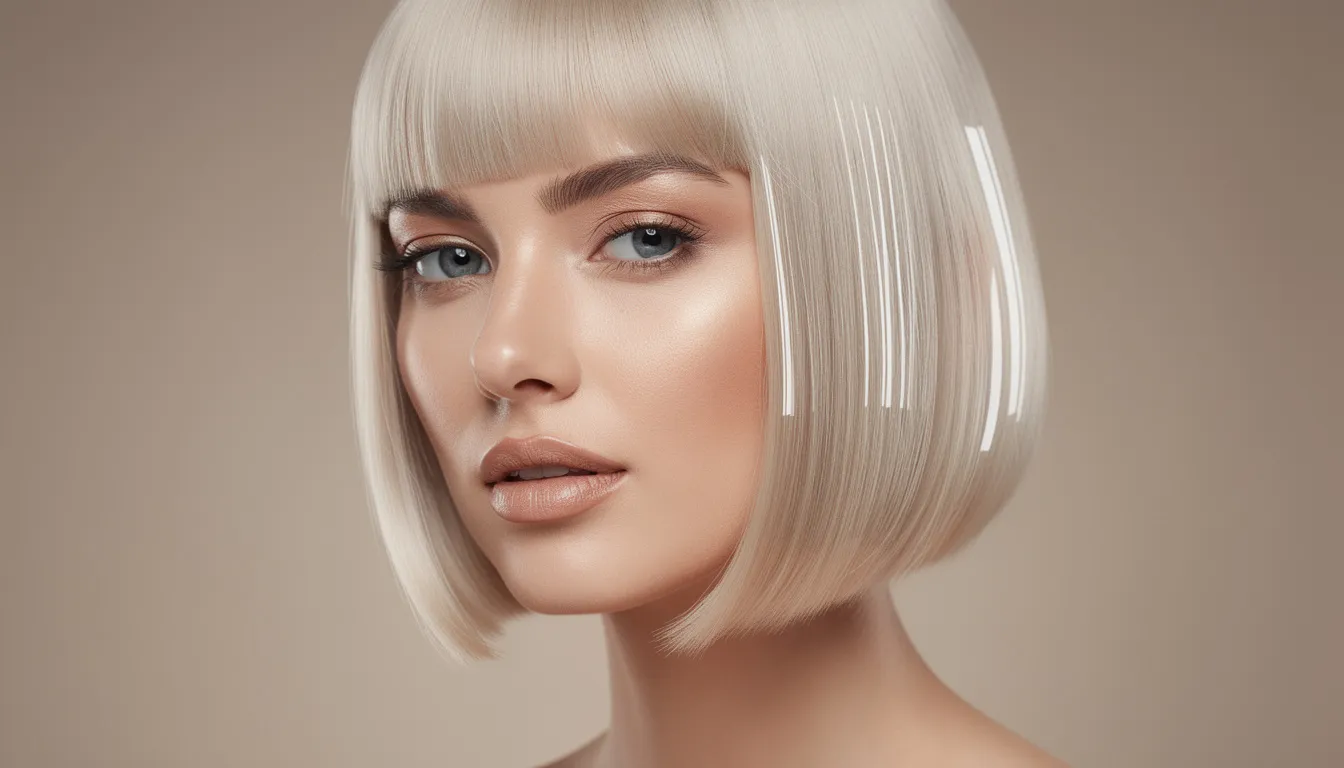
Platinum blonde hair in its purest white form is almost solid, snow-white blonde with near-zero visible warmth. Think Kim Kardashian at the 2022 Met Gala or Billie Eilish’s 2021 platinum phase—statement hair that reads as intentionally extreme. This is cool platinum at its most committed.
White platinum requires lifting your natural hair color to a very pale yellow (we’re talking level 10-11), then toning with violet or blue-based toners to neutralize any remaining warmth. At-home maintenance includes purple shampoo used correctly (not every wash, and never left on too long unless you want a purple cast).
Ice blonde is a slightly softer version that keeps those icy, cool tones but can include hints of pearl or pale beige for dimension. It’s still dramatic but has a touch more wearability for everyday life.
Both shades come with damage warnings. We’re talking bond-building treatments as non-negotiable, low-heat styling as your new religion, and spacing out bleach sessions to avoid breakage. Your hair is being lifted to its absolute lightest point, so respect the process or pay the consequences.
Styling-wise, these shades look incredible on razor bobs, sleek glass hair, or a messy shag. Fair warning: roots will show in 3–4 weeks, so consider a shadow root or root smudge to slightly extend wear between salon visits.
Pearl, Silver & Scandinavian Blonde
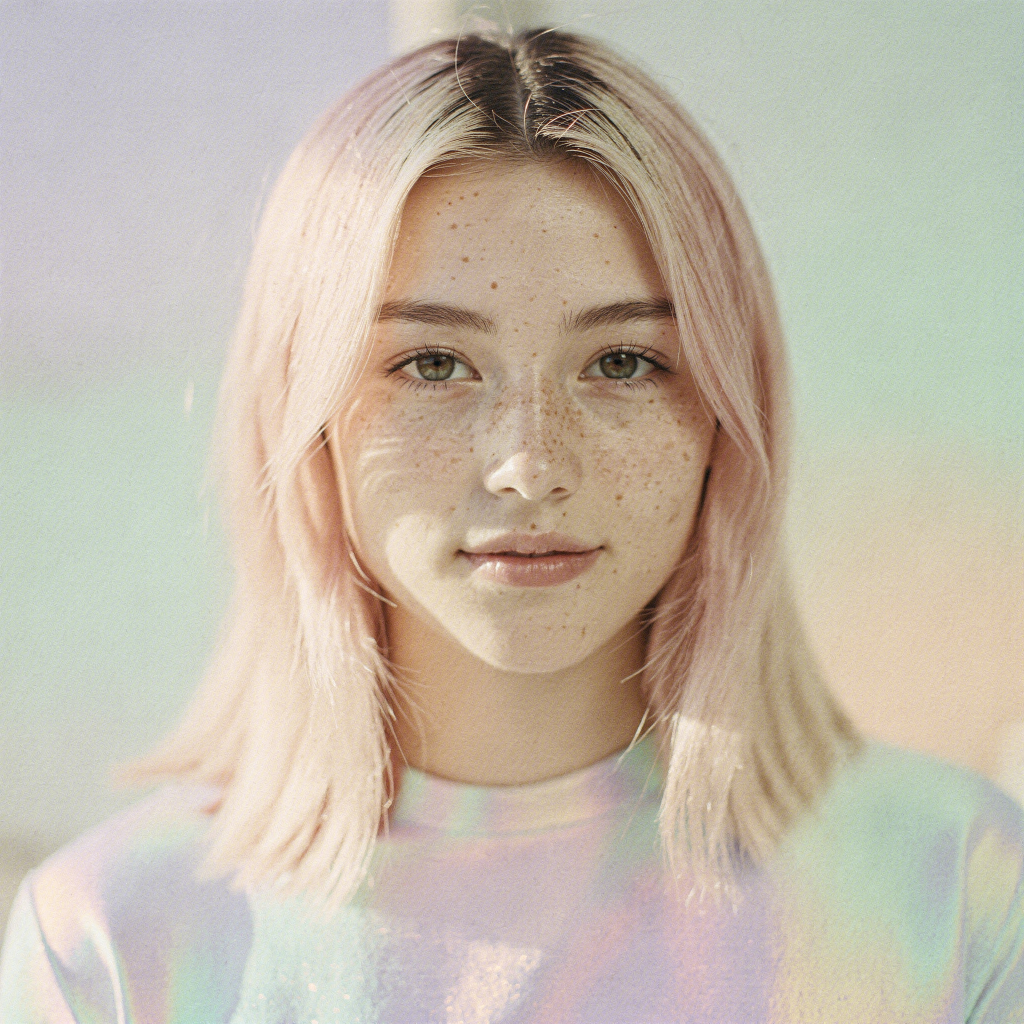
Cool pearl blonde is exactly what it sounds like: cool but soft, with milky, opalescent tones rather than flat metallic silver. This shade is perfect for people who think they want grey hair but still want something that flatters their skin. Pearl blonde works beautifully on light or medium cool skin tones.
Silver blonde goes full metallic—gunmetal or sterling silver tones layered over a very light blonde base. This was huge in the 2018–2021 era and has evolved into more subtle, sophisticated versions. The creamy hue of modern silver blonde feels editorial without being costume-y.
Scandinavian blonde is a mix of icy platinum with whispery butter threads, inspired by Nordic natural blondes. It’s bright blonde with micro-dimension—think the lightness of platinum but with enough tonal variation to look organic rather than dyed.
Important: silver shades fade the quickest, often shifting to a dusty, dull blonde within 2–3 weeks unless refreshed with tinted masks or glosses. This family of blonde shades is best for cool-toned skin, light eyes, and people willing to commit to a purple shampoo routine. Use it once a week maximum, never leave it on for more than 3–5 minutes, and always follow with conditioner.
Need styling inspo that actually suits lived-in blonde? Try these romantic hairstyles for date night.
Warm, Cozy & “Edible” Blondes: Caramel, Butterscotch & Strawberry
Now we’re getting into the latte, honey, and dessert-coded blondes—the ones that look incredible in natural light and make your skin look warm and glowy without any filter. These shades read as approachable, expensive, and perfectly imperfect.
This category includes caramel blonde, butterscotch blonde, toffee blonde, warm copper blonde, strawberry blonde, rose blonde, blush blonde, and apple-cider blonde. These are the best options for brunettes easing into blonde territory, or current blondes who want to go richer for fall/winter without feeling like they’ve abandoned the blonde family entirely.
Caramel, Butterscotch & Toffee Blonde
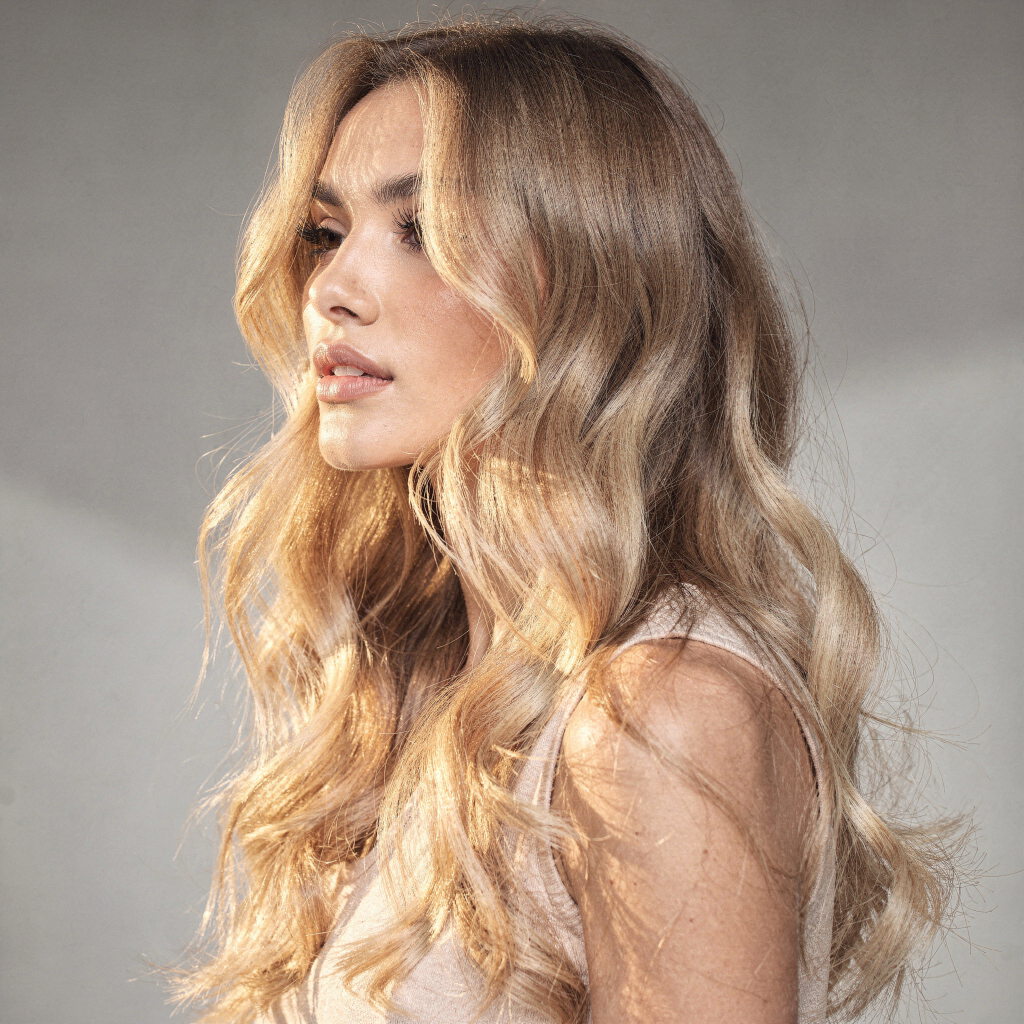
Caramel blonde sits between brown and blonde on the spectrum—a deep, golden blonde that’s perfect on naturally dark blondes and light brunettes who want soft, sun-melted pieces. Think Kylie Jenner’s 2023 bronde moments. This is expensive blonde territory: rich, dimensional, and undeniably luxurious.
Caramel works as a stepping stone for brunettes transitioning to blonde because it doesn’t require extreme lightening. It’s also a solid choice for blondes going darker who don’t want to lose brightness entirely. Best for medium to dark warm or neutral skin tones.
Butterscotch blonde is richer and creamier than honey blonde, with more syrupy depth and less obvious gold. The buttery tones in this shade flatter warm or olive tones beautifully—it’s giving “I vacation in the south of France” without trying too hard.
Toffee blonde goes even darker—a smoky caramel with intentional lowlights and dimension. This is ideal for fall color refreshes or anyone chasing “expensive brunette with blonde ribbons” energy. The darker base with bright blonde pieces creates a harmonious blend that reads as natural and elevated.
These shades are lower maintenance because dark roots blend more naturally. Ask for balayage or root smudge techniques that let you stretch salon visits to 10–12 weeks without looking grown out. Style with soft curl-wand waves, blowouts, or diffused curls to show off the multi-tonal ribbons.
Strawberry, Rose & Blush Blonde
Strawberry blonde is a true mix of blonde and copper-red—like early 2010s Isla Fisher but lighter, with a golden-strawberry glow that’s been flooding 2024 Pinterest boards. This warm shades category is specifically noted as the best hair color for green eyes, though it also makes blue and hazel eyes pop dramatically.
Strawberry blonde works best on light warm skin tones and gives major romantic, whimsical energy. It’s a statement without being extreme.
Rose blonde is cooler, with pink-pearl shifts layered over a blonde base—subtle rose gold that’s perfect for festival season or anyone bored of plain blonde who wants something unique. This shade can be adjusted based on your undertone: more pink for cool skin, more peach for warm.
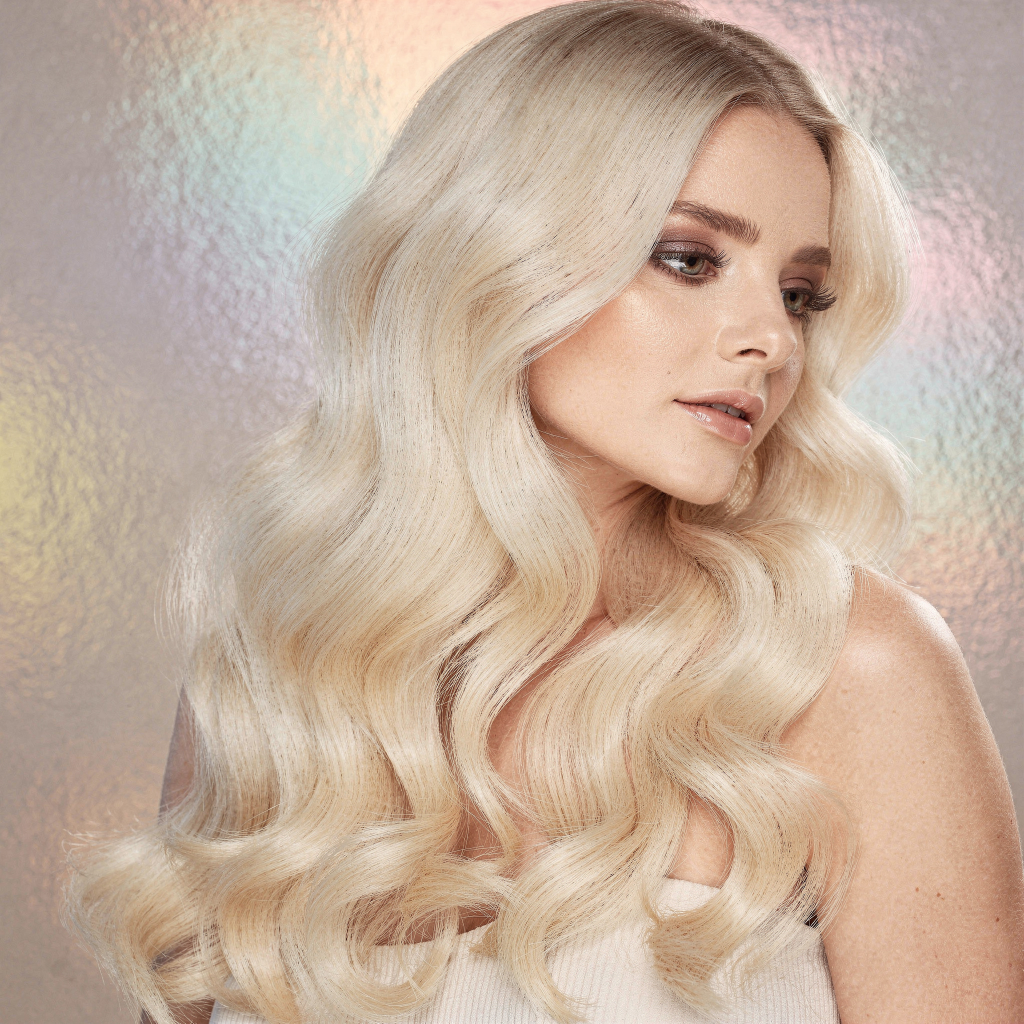
Blush blonde is softer than full rose gold, with just a wash of rosiness that looks almost like a filter in real life. It’s ideal for light to medium skin tones and gives “effortlessly cool” without requiring full commitment to bright pink.
Reality check: red and pink pigments fade fast—we’re talking 2–4 weeks before they start washing out. Keep the tone fresh with tinted conditioners or color-depositing masks at home. If you’re commitment-phobic, try these shades as toners over existing blonde for a “temporary era” instead of permanent dye.
Lived-In, Low-Maintenance & Bronde Blends
This section is all about effortless, “I woke up like this” blonde: bronde, lived-in blonde, shadow roots, dirty blonde, and money pieces. These are the perfect shade options for students, busy 9–5 workers, or anyone who doesn’t want a 4-week root schedule or major damage concerns.
The looks here include bronde balayage, dirty blonde, rooty ash blonde, lived-in caramel blonde, neutral bronde, beige bronde, dark shadowed blonde, and babylights with shadow root. Low maintenance color at its absolute finest.
Bronde & Beige Bronde
Bronde is exactly what it sounds like: a 50/50 dimensional blend of brown and blonde. You’re neither fully brunette nor fully blonde—you’re the best of both worlds. This is ideal for anyone scared of going too light but still wanting noticeable brightness and face framing dimension.
Beige bronde is a more neutral-toned version that avoids both strong gold and strong ash. It flatters most undertones and has been super on-trend since 2022 for good reason—it’s universally wearable and grows out beautifully.
Bronde is best achieved with balayage or foilyage techniques, leaving depth at the roots and underneath sections to keep hair looking thick and dimensional. When booking, ask for “lived-in bronde with money pieces around the face, not stripy highlights” for a modern result.
This shade works extremely well on naturally dark blonde to medium brown bases and is significantly more forgiving of skipped appointments than lighter blonde shades. Your natural base color becomes part of the look rather than something to hide.
Dirty Blonde, Rooty & Shadow-Root Blondes
Dirty blonde mixes cooler beige, soft brown, and lighter pieces in a way that reads effortlessly cool. Think Gigi Hadid’s early career color or Hailey Bieber’s darker blonde phases. This low maintenance shade is one of the most forgiving on the blonde spectrum because the mix of tones hides grow-out naturally.
Rooty blonde is any blonde with intentionally darker roots—usually 1–3 levels deeper than the mid-lengths—to mimic natural grow-out. This is a strategic choice, not neglected maintenance.
Shadow root blonde takes it further with a blurred, melted root area that transitions softly into blonde, eliminating harsh demarcation lines. The natural looking blonde effect is peak “I don’t try too hard but look amazing anyway.”
These styles let your natural hair color peek through, making them perfect for brown-eyed brunettes going slightly lighter without constant upkeep. Style with texturizing spray, sea salt products, or air-dried waves to emphasize the laid-back, lived in vibe.
Blonde for Every Hair Texture: Curls, Coils, Waves & Poker Straight
Here’s something that doesn’t get talked about enough: texture matters. Blonde hair will look and behave completely differently on 2A waves, 3B curls, and 4C coils compared to poker-straight hair. The way light catches dimensional color on spiraled strands versus flat sheets creates entirely different effects.
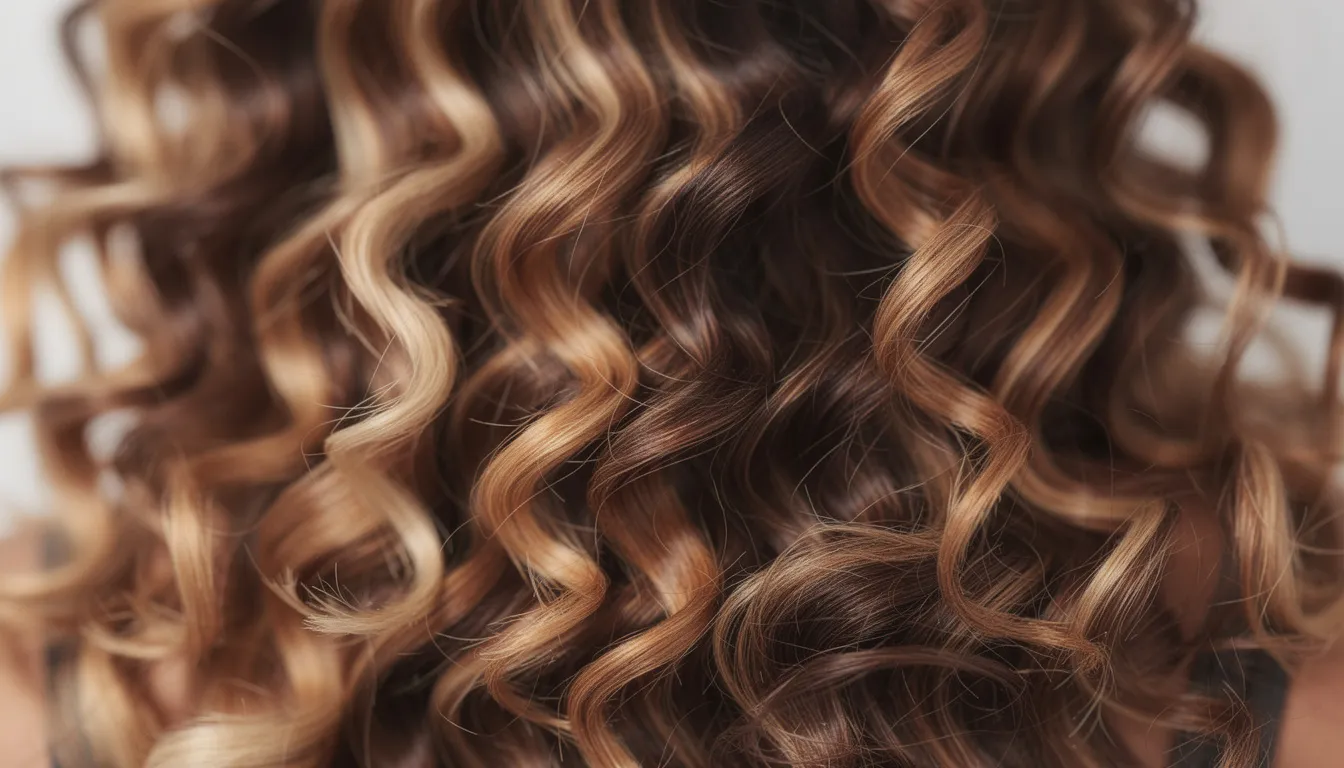
Blonde Ideas for Curly & Coily Hair
Caramel curls blonde features rich caramel and honey highlights painted on mid-lengths and ends, keeping roots darker to protect the curl pattern and minimize damage at the fragile root area. This gives extra dimension that spirals beautifully with each curl.
Lived-in curly blonde uses a dark brown or dark blonde base with soft wheat and honey ribbons focused on the outer layer and around the face. This face framing technique brightens your look without requiring all-over bleach.
Milky butter blonde curls layer warm, creamy blonde onto curls in a way that avoids over-bleaching the same strands repeatedly—crucial for maintaining curl integrity.
Curly and coily hair is typically drier and more fragile, so aggressive platinum probably isn’t the best first move. Low-contrast warm blondes are safer and still deliver beautiful results. Deep conditioning, bond-repair masks, and waiting at least 8–10 weeks between major lightening sessions are non-negotiable for maintaining healthy texture.
Pro tip: show your stylist photos of curls similar to your own texture in the chosen shade, not just straight-hair inspo. How blonde looks on stretched, photographed curls versus your natural pattern can be drastically different.
Blonde Ideas for Straight & Wavy Hair
Straight and wavy hair shows lines and bands more clearly, so seamless blending and toning become critical. Any unevenness or banding is immediately visible.
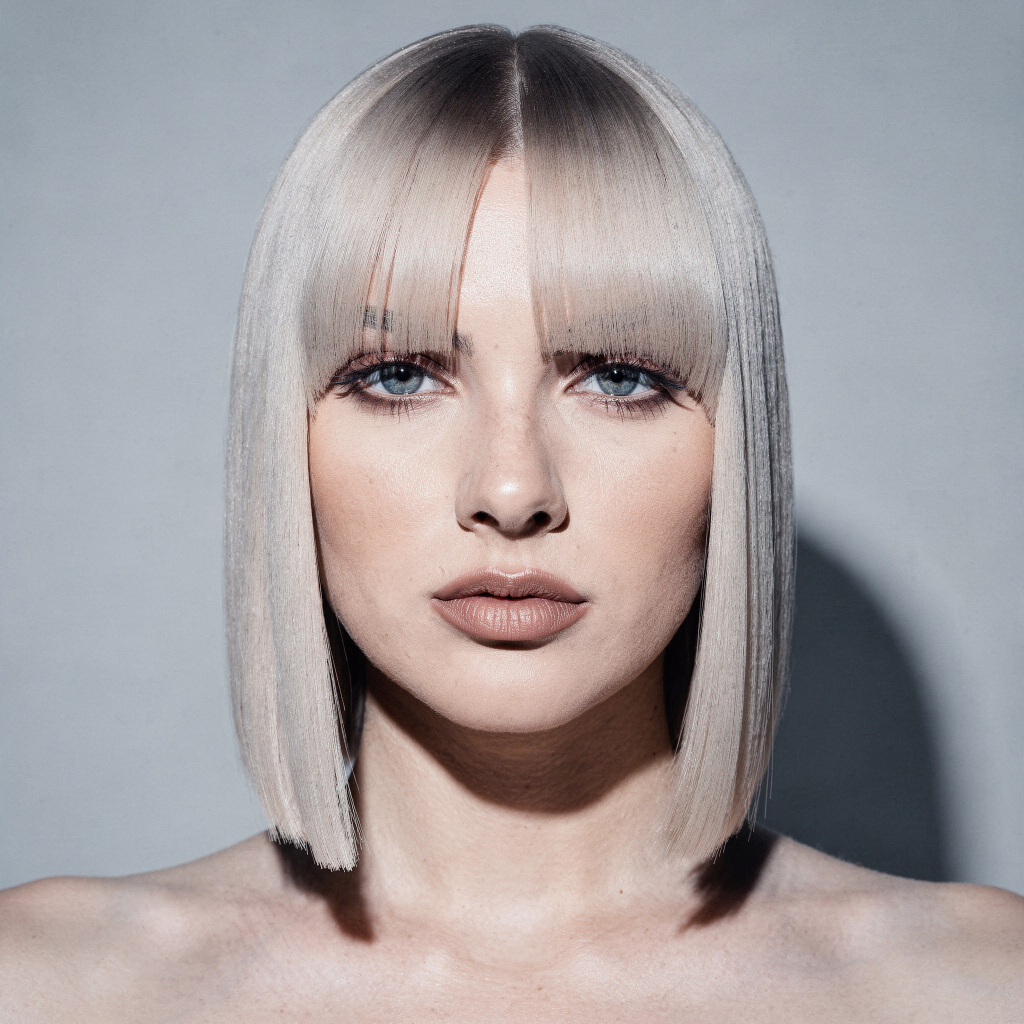
Blonde bobs with multi-dimensional color—think beige shadow roots, bright blonde highlights as money pieces, and soft lowlights—create a chic, expensive-looking result on straight hair.
Scandinavian blonde on ultra-straight hair gives that clean, Scandi influencer aesthetic, while sandy blonde waves nail TikTok “clean girl” vibes perfectly.
If you wear high ponytails or slick buns often, ask for micro-babylights around the hairline so your color looks intentional from all angles. Wavy hair can handle chunkier pieces and balayage sweeps because the bends in the hair hide some of the lines between colors naturally.
How to Choose Your Blonde Shade: Skin Tone, Eye Color & Lifestyle
Not every viral blonde works on every person. That’s just reality. The real filters for finding your perfect shade aren’t trends or celebrity inspo—they’re your skin undertone, your eye color, and honestly, how much effort you’re willing to put into maintenance.
Matching Blonde to Your Skin Tone
Understanding your undertone is the foundation of choosing flattering hair colors. Here’s the quick breakdown:
|
Undertone |
How to Identify |
Best Blonde Matches |
|---|---|---|
|
Warm |
Gold/olive veins, gold jewelry flatters, peachy foundation |
Honey blonde, golden blonde, caramel blonde, strawberry blonde |
|
Cool |
Blue/purple veins, silver jewelry flatters, pink foundation |
Ash blonde, platinum, ice blonde, pearl blonde, champagne |
|
Neutral |
Mix of warm/cool indicators, both metals work |
Beige blonde, sandy blonde, bronde, soft champagne |
For fair cool skin, light ash blonde, pearl blonde, and icy beige are your best friends. Fair warm skin looks beautiful in baby blonde, soft blonde, and champagne with golden base notes.
Medium warm or olive tones glow in honey blonde, caramel blonde, and bronde. The warmth in these shades enhances the natural golden or olive tones in your complexion rather than fighting against them.
Deep warm skin looks stunning in golden caramel, copper blonde, and warm bronde. Deep cool skin pairs beautifully with smoky bronde featuring cool blonde highlights.
Overly cool platinum can wash out certain complexions, making skin look grey or sallow. Meanwhile, overly warm golden can read as “brassy” on cool skin rather than intentionally warm. When in doubt, start with a softer, more neutral blonde like beige or sandy before committing to extreme warm or cool ends of the spectrum.
Consider testing with wig try-ons, virtual hair apps, or photo filters to preview different shades before committing.
And if this is part of a full glow-up era, here’s manifest beauty from within.
Eye Color, Natural Base & Commitment Level
Eye color creates another layer of optimization. Icy and pearl blondes make dark eyes look dramatic and striking through contrast. Honey blonde and caramel blonde make blue or green eyes look warmer, brighter, and more vibrant.
Your natural starting level matters for both damage and cost. Going from dark brown hair to white platinum might take several months and multiple sessions. Going from medium brown to bronde might be doable in a single appointment. Be realistic about the journey, not just the destination.
The “Are You Ready?” Checklist:
-
Are you okay with visible roots between appointments?
-
Will you actually use purple shampoo correctly (and not every single wash)?
-
Are you willing to invest in salon-quality products?
-
Can you limit hot water exposure and heat styling?
-
Is your budget ready for touch up appointments every 6-12 weeks depending on shade?
Be completely honest with your colorist about your budget, lifestyle, and maintenance tolerance so they can design a custom blonde that you can actually sustain long-term.
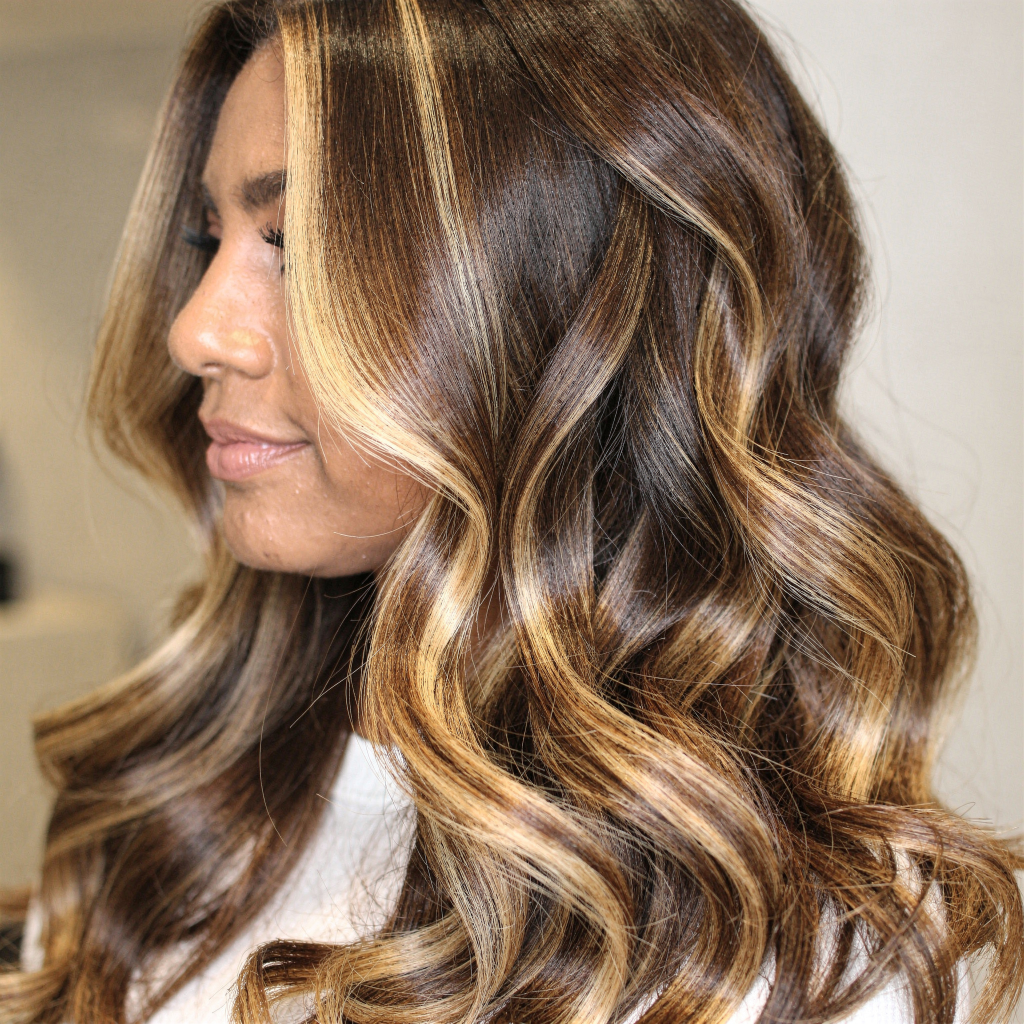
Keeping Blonde Healthy: Everyday Care, Anti-Brass & Damage Control
This is the “not fun but necessary” section: how to keep your color fresh, your hair strong, and brassiness under control. Consider this your maintenance manual.
Everyday Blonde Routine & Product Basics
Sample Weekly Routine for Blonde Hair:
-
Wash 1–3 times per week maximum with sulfate-free shampoo
-
Condition every single time you wash (yes, every time)
-
Deep hydrating mask once per week
-
Purple shampoo every 1–2 weeks only if needed
-
Pre shampoo treatment or bond mask weekly for bleached hair
Water temperature matters more than you’d think. Use cool to lukewarm water for washing—hot water opens the cuticle, which makes color fade faster and hair look duller.
For drying, switch to microfiber towels or cotton t-shirts to reduce mechanical damage. Air-drying when possible gives bleached hair a break from heat stress.
Heat protectant is non-negotiable before using blow-dryers, straighteners, or curling irons. Try to stay under 180°C/350°F when possible—your blonde will thank you by not turning into straw.
Schedule regular dusting trims every 8–10 weeks to keep ends healthy. Split ends make even the most beautiful blonde look ragged and damaged.
Anti-Brass Strategy & Salon Touch-Ups
Understanding when to use which toning product saves you from over-correcting:
-
Purple shampoo: Neutralizes yellow tones in light blondes
-
Blue shampoo: Neutralizes orange/brassy tones in darker bronde and caramel shades
Warning: don’t use purple shampoo every wash if you intentionally have warm blonde (honey, caramel, golden). It will over-cool your color and make it look muddy and dull instead of rich.
Book gloss/toner refreshes every 6–8 weeks if you’re wearing cool blonde shades. Ash, ice, and pearl tones fade to dull beige without regular maintenance—that’s just chemistry.
Bond treatments during bleaching sessions and as standalone add-ons between color appointments reinforce fragile blonde hair. Think of them as insurance for your investment.
Summer considerations: sun, chlorine, and salt water can destroy blonde faster than almost anything. Invest in UV hair sprays, wear hats when possible, and always clarify plus deep condition after swimming.
Trying to stay blonde and keep length? Read how to manifest hair growth (science + habits + expectations).
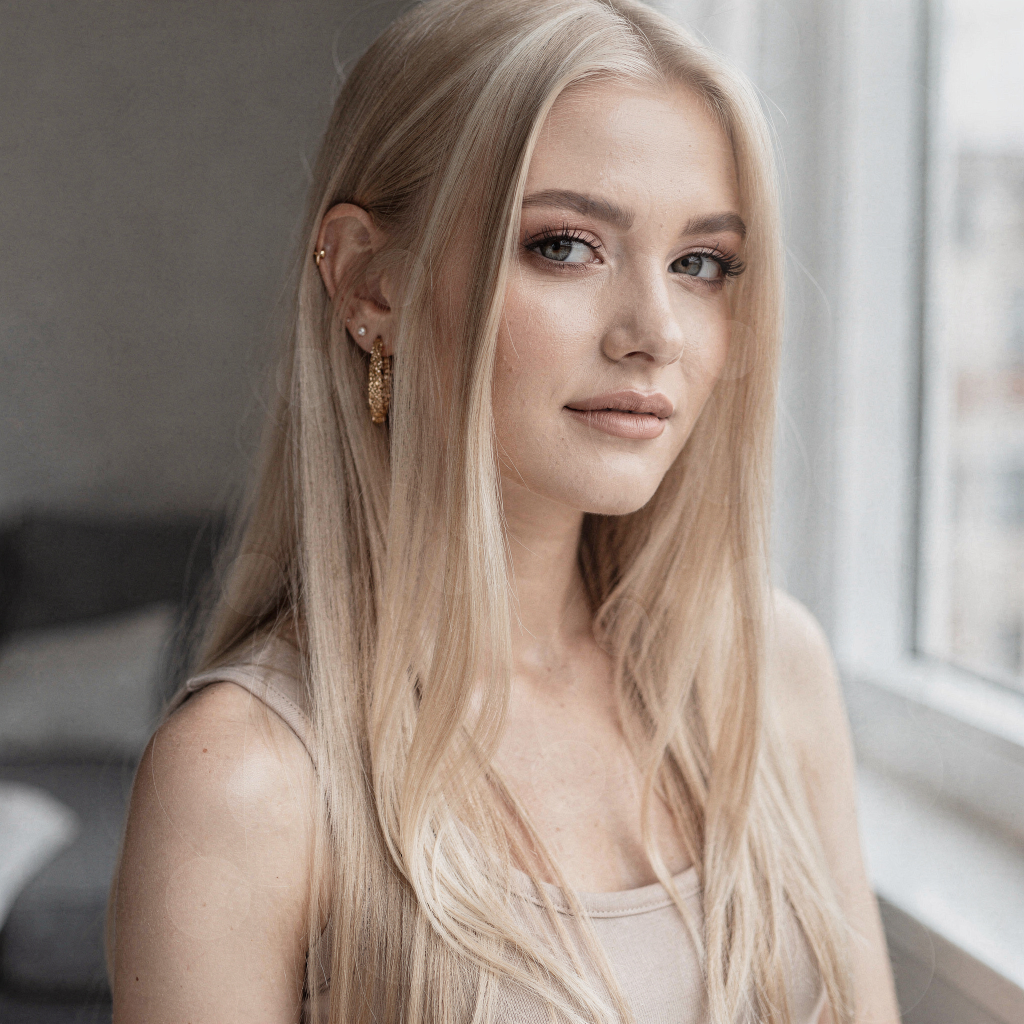
Blonde Hair Inspo & How to Talk to Your Colorist
Let’s turn your Pinterest board into an actual salon plan that gets you the results you’re envisioning.
Building Your Reference Photo Collection:
-
Collect 3–5 photos of blondes with similar skin tone AND hair texture to yours
-
Look for photos in natural lighting, not just professional photoshoots with heavy editing
-
Find photos showing the hair from multiple angles if possible
-
Avoid photos where filters obviously altered the color
Key Terms to Use at the Salon:
-
Balayage (hand-painted, grown-out look)
-
Babylights (super-fine, natural-looking highlights)
-
Face-framing money pieces (bright blonde around the face)
-
Shadow root / root tap (intentional darker roots)
-
Gloss / toner (color refresh without lift)
-
Foilyage (balayage technique using foils for more lift)
Be completely honest about your hair history. Box dyes, henna, previous bleach, and at-home color all affect what’s safely possible in one session. Your colorist needs the full picture to protect your hair and give you realistic expectations.
Instead of rushing for dramatic results, ask about a long-term blonde roadmap. Something like: “Let’s go to beige bronde this spring, add shimmering highlights by summer, then maybe ice blonde pieces by fall.” Gradual transitions are healthier for your hair and often look more natural along the way.
Here’s the final truth: blonde can be a personality shift, a main character moment, a complete energy reset. But it should never cost you the health of your hair. The perfect shade exists at the intersection of your vibe, your schedule, and your budget—not just what’s trending on TikTok this week.
Screenshot your favorites from this guide, book that consultation, and show up ready to have an honest conversation about what’s actually achievable for your hair. Your colorist will respect you for it, and you’ll walk out with blonde that actually works for your real life.
Now go make it happen.