
Casual Chic for Real Women with Real Budgets
Listen, we need to talk about casual chic. Not the Pinterest version where everything is beige and boring, not the “clean girl aesthetic” that costs your entire paycheck, and definitely not whatever fast fashion brands are trying to sell you this week. I’m talking about actual, wearable, make-you-feel-confident casual chic that works for real life.
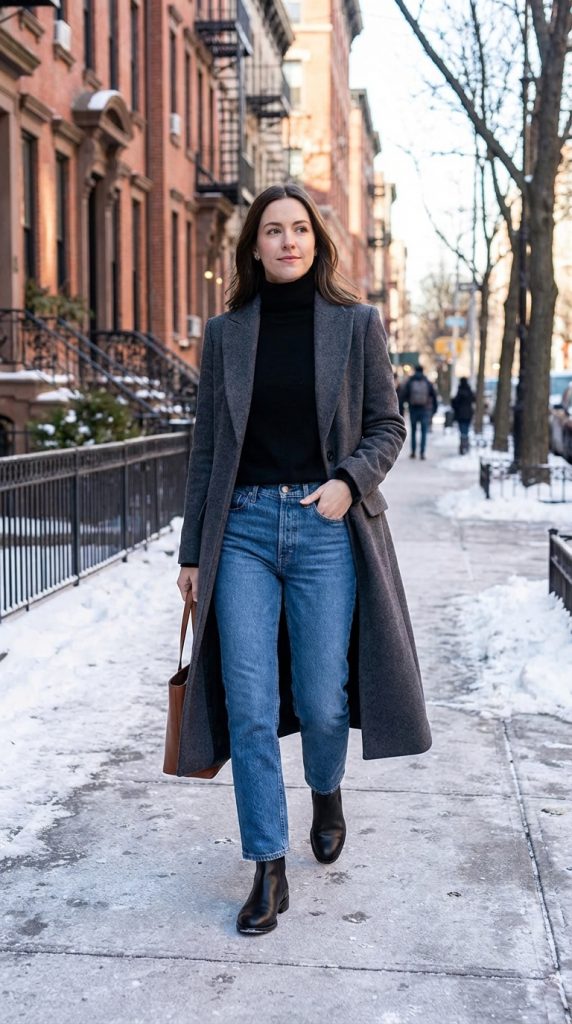
Because here’s the thing: casual chic isn’t about following a formula. It’s about understanding what makes an outfit feel intentional without looking like you spent three hours planning it. It’s that sweet spot between “I just rolled out of bed” and “I’m going to a job interview.” And once you get it, you’ll never go back to overthinking your outfits again.
What Casual Chic Actually Means (And What It Doesn’t)
First, let’s clear something up. Casual chic doesn’t mean spending rent money on designer pieces. It doesn’t mean everything has to match perfectly. And it definitely doesn’t mean you need a capsule wardrobe of 37 identical white t-shirts.
Casual chic is about looking put-together in a way that feels natural to you. It’s wearing pieces that fit well, coordinate without being matchy-matchy, and make you look like you have your life together even when you absolutely don’t. It’s the art of looking polished while still being comfortable enough to actually live your life.
Think of it this way: if “casual” is your favorite hoodie and leggings, and “chic” is that uncomfortable dress you wear to weddings, casual chic is everything in between that actually makes sense for grocery shopping, coffee dates, classes, or literally anywhere else you go on a regular Tuesday.
The Foundation: Pieces That Do the Heavy Lifting
Here’s where we get practical. Building a casual chic wardrobe isn’t about buying everything at once or following some influencer’s exact shopping list. It’s about having pieces that work hard for you and can be mixed in different ways. Whether you’re putting together outfits for school or your daily routine, the same principles apply.
The Denim Situation
Let’s start with jeans because you’re probably wearing them right now. The difference between looking sloppy and looking casual chic often comes down to fit. You don’t need designer denim, but you do need jeans that actually fit your body. Not the size you wish you were, not the size you were in high school, the size you are right now.
Mid-rise or high-rise jeans tend to look more polished than low-rise, but that’s not a hard rule. The key is that they should sit where they’re supposed to sit without you constantly pulling them up or feeling like you can’t breathe. Straight-leg, wide-leg, and mom jeans all work for casual chic, it just depends on what you’re pairing them with and what makes you feel good.
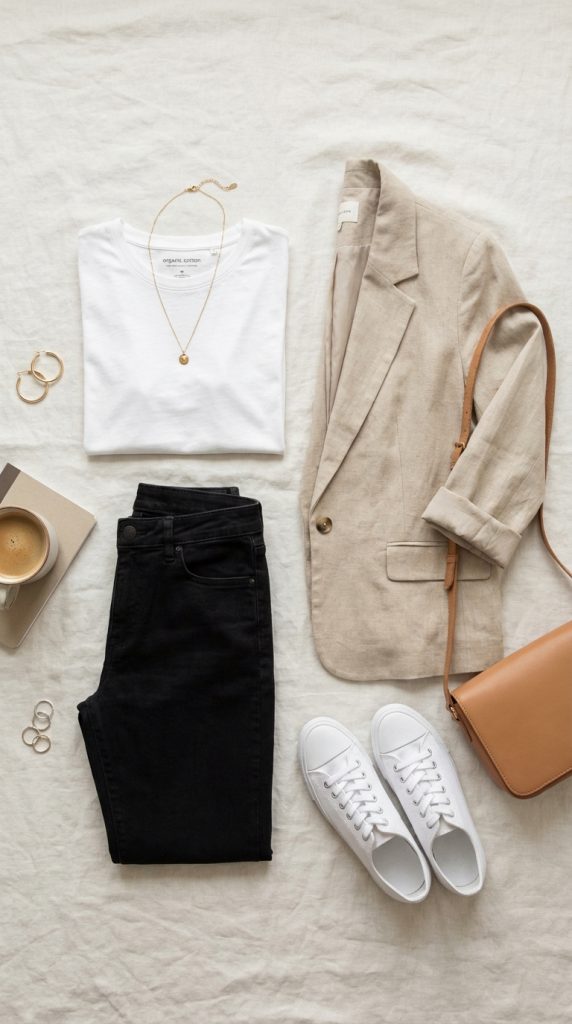
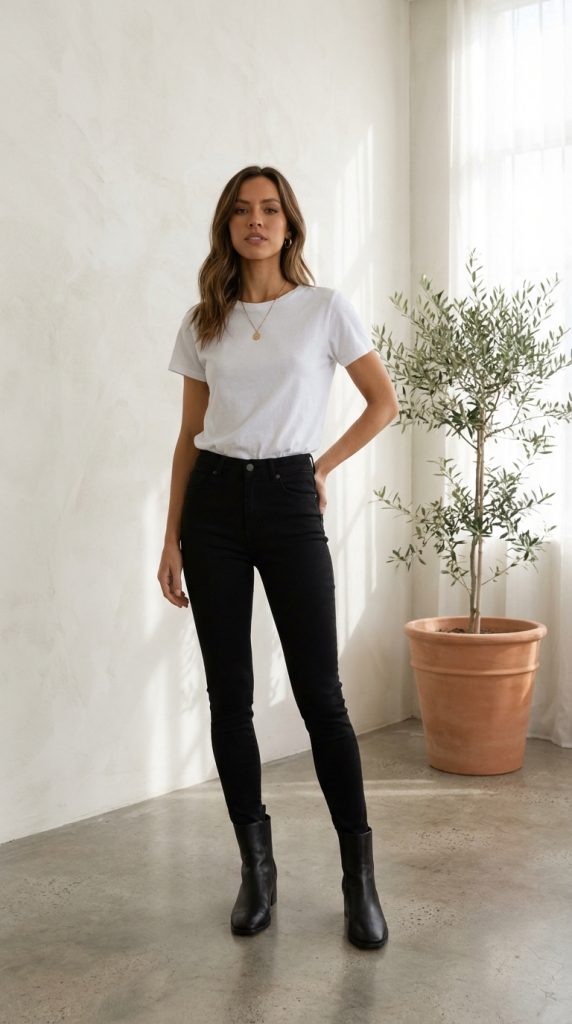
Dark wash jeans are your friend for looking more pulled together. Light wash can absolutely work, but darker denim naturally looks a bit more refined. And here’s a secret: black jeans are basically cheat codes for casual chic. They go with everything, they hide stains, and they automatically make any outfit look more intentional.
The Top Half Mystery Solved
T-shirts can be casual chic. Yes, really. The difference is in the details. A well-fitted t-shirt in a good quality fabric (cotton, modal, or a nice blend) looks completely different from a thin, oversized promotional tee. It doesn’t have to be expensive, but it should be intentional.
Look for t-shirts that skim your body without being tight. The sleeves should hit at a flattering point on your arm, usually mid-bicep or just above. Necklines matter too: a crew neck that sits nicely at your collarbone or a v-neck that’s not too deep both work well. Colors matter less than you think, but having a few neutrals (white, black, grey, navy) gives you more options.
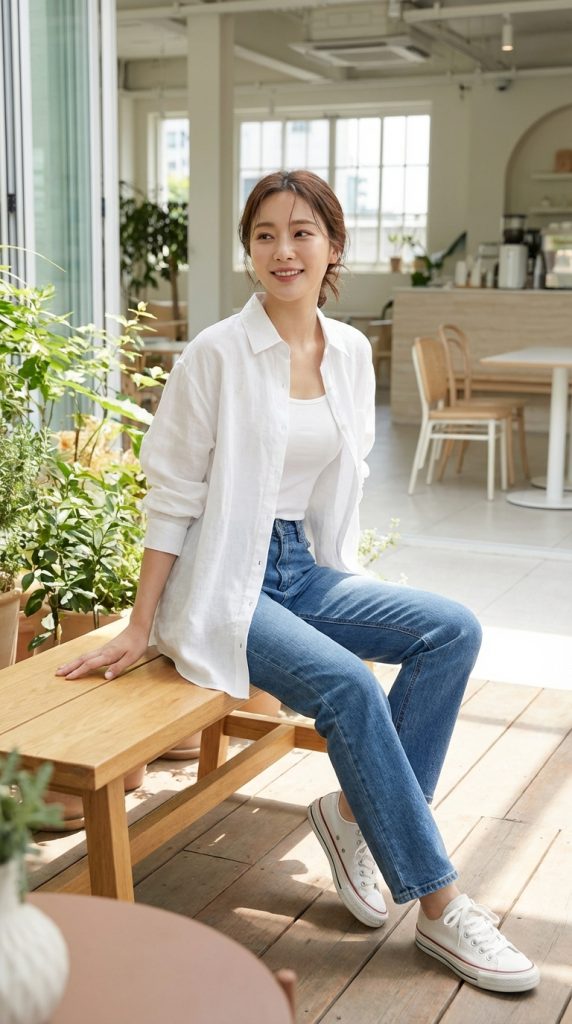
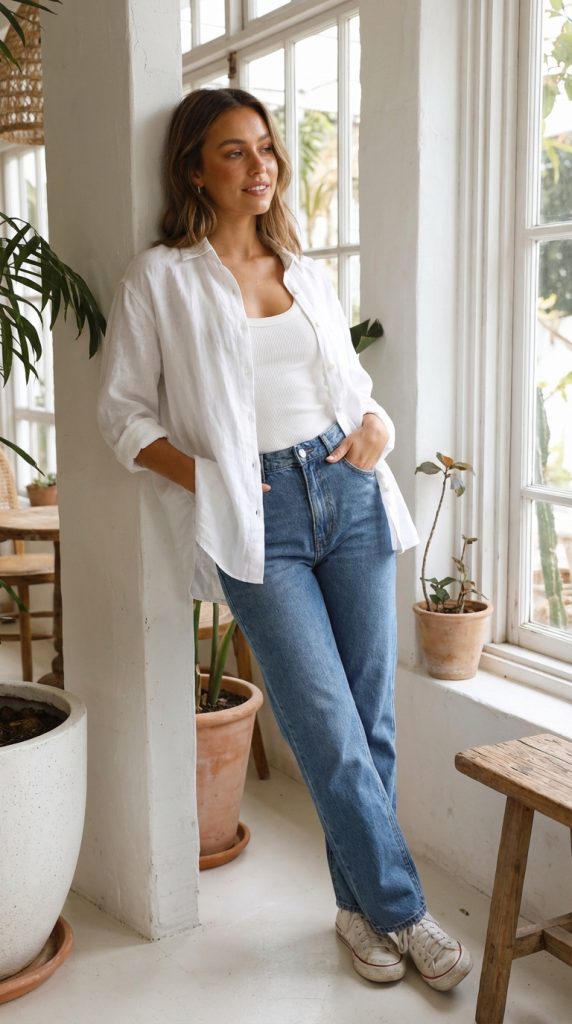
Blouses and button-ups are another cornerstone. Not the stiff, corporate kind that make you feel like you’re pretending to be a different person. More like the relaxed linen shirt you can throw over a tank, or the silk-feel blouse that makes jeans look fancy. Oversized button-ups worn open over a simple tank or tee are basically the uniform of casual chic.

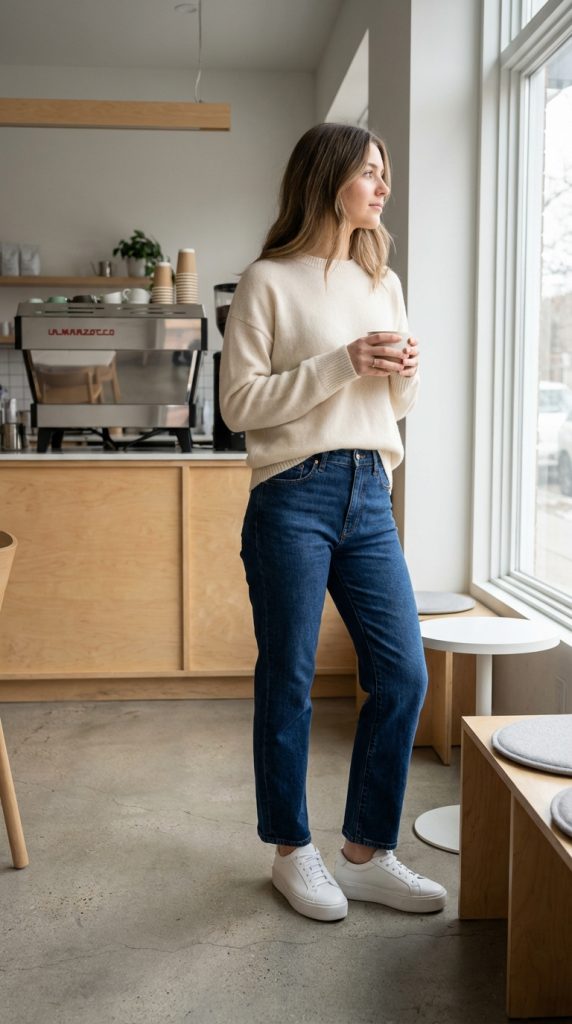
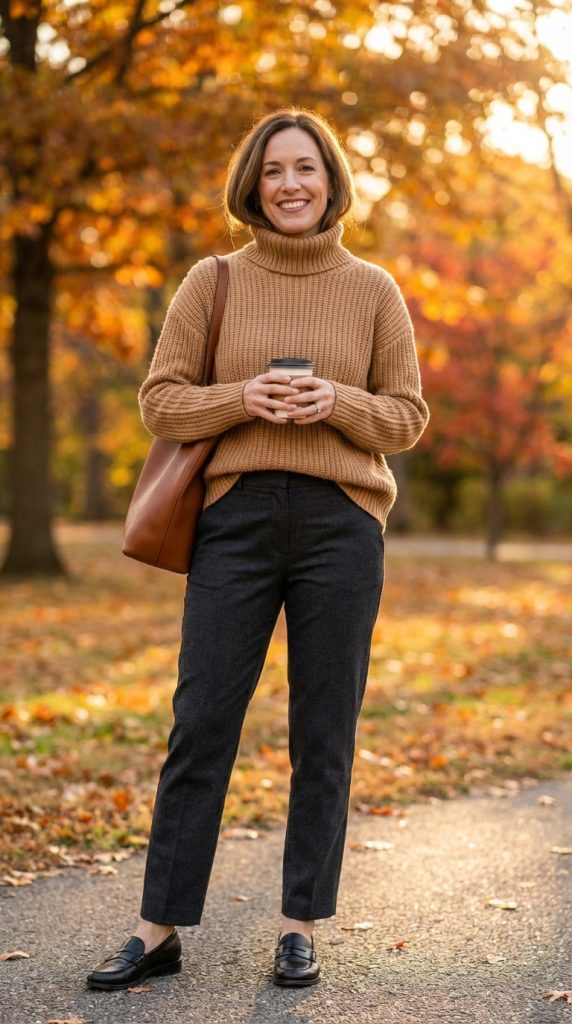
Sweaters and knitwear are where things get interesting. A good sweater can make you look expensive even if everything else in your outfit came from a thrift store. Look for interesting textures, good proportions, and quality knits. Cashmere is amazing but not necessary. Even acrylic can look good if the fit is right.
The Bottom Line on Bottoms
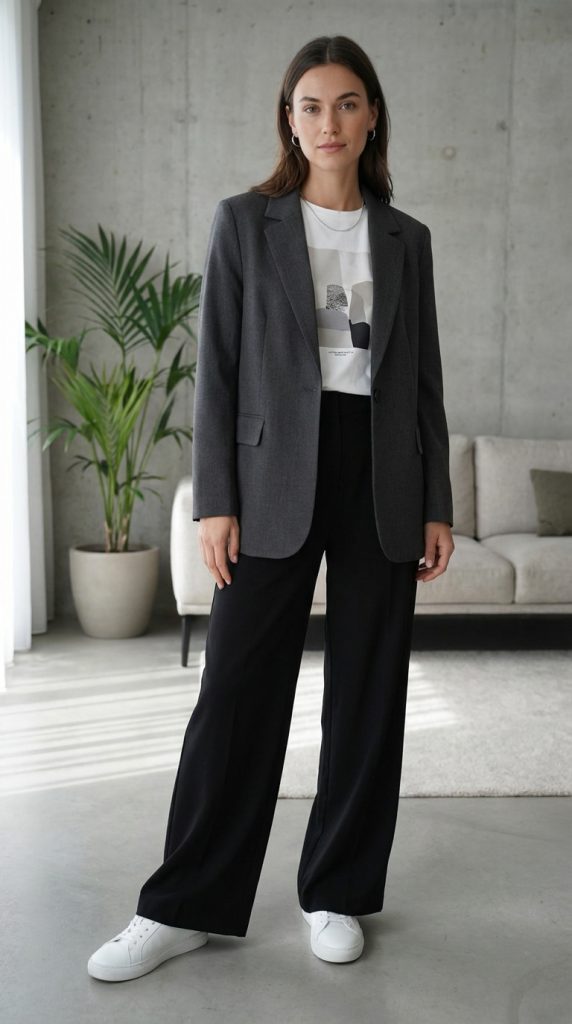
Beyond jeans, you’ve got options. Tailored trousers in neutral colors are surprisingly versatile and instantly elevate your look. They don’t have to be fancy dress pants, just well-fitted pants in a good fabric. Wide-leg trousers are having a moment and they’re genuinely flattering on most body types when you get the length right.
Skirts are underrated for casual chic. A midi skirt with a t-shirt and sneakers? That’s the move. A mini skirt with tights and boots? Also the move. The key is balancing proportions, if you’re wearing something fitted on top, go for volume on the bottom and vice versa.
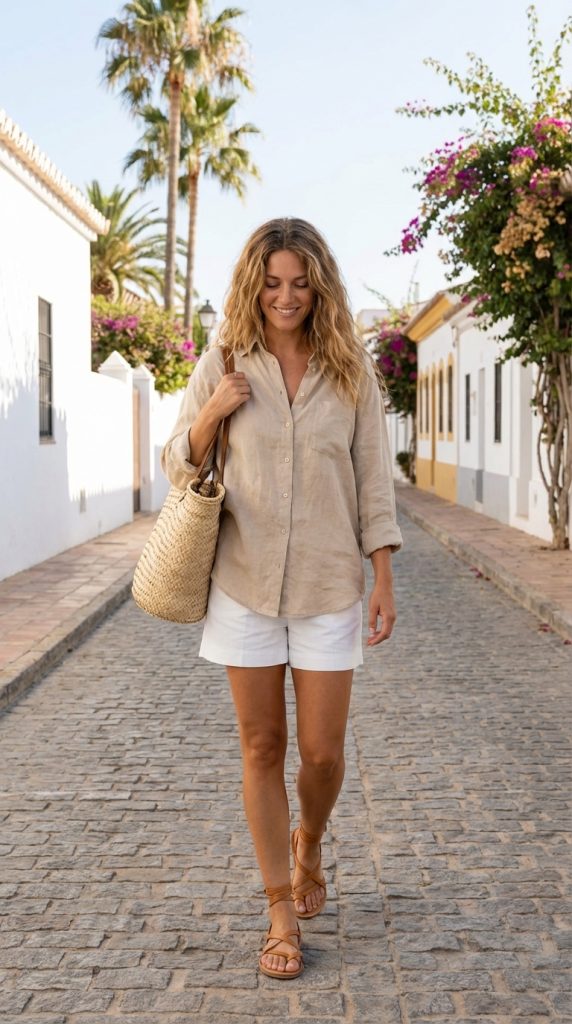
Shorts can work too, but they’re trickier. Longer, tailored shorts in linen or cotton look more polished than denim cutoffs. Pair them with something more structured on top to balance the casual vibe. And if you want to add some edge to your wardrobe, leather pants are making a major comeback and can look surprisingly casual when styled right.
The Details That Make or Break It
This is where casual chic really happens. You can have all the right pieces, but if you’re not paying attention to the details, you’ll still look like you threw on whatever was clean.
The Fit Thing Everyone Talks About But Nobody Explains
When people say “it’s all about the fit,” they mean the clothes should follow your body’s lines without being too tight or too baggy. This doesn’t mean everything should be form-fitting. Oversized can absolutely work for casual chic, but it needs to be intentionally oversized, not just “I grabbed my boyfriend’s shirt” oversized.
The trick with oversized pieces is to balance them. If your top is loose and flowy, your bottoms should be more fitted. If you’re wearing wide-leg pants, your top should be more streamlined. You don’t want to look like you’re drowning in fabric, you want to look like you made a deliberate choice.
Tailoring is your secret weapon. Getting a pair of pants hemmed to the right length or taking in the waist of a thrifted blazer can completely transform a piece. It’s usually not expensive, and it makes a huge difference. A $20 shirt that fits perfectly will always look better than a $200 shirt that doesn’t.
Fabrics Matter More Than You Think
Here’s something nobody tells you: the fabric makes a massive difference. A shirt in a nice cotton or linen will always look better than the same style in a cheap polyester blend. It drapes better, it feels better, and it photographs better.
Natural fibers tend to look more expensive: cotton, linen, wool, silk. But that doesn’t mean you can’t work with blends. Some synthetics are amazing and practical. Just pay attention to how the fabric looks and feels. Does it wrinkle instantly? Does it look cheap in photos? Does it feel uncomfortable? These are all clues.
Weight matters too. Thin, flimsy fabrics rarely look chic. Look for pieces with some substance to them. Not stiff or heavy, just substantial enough that they hold their shape.
Color Coordination Without Being Boring
Neutrals are your foundation but they don’t have to be your entire personality. Black, white, beige, navy, grey, these are the colors that make getting dressed easier because they go with everything. But don’t feel like you have to dress like you’re in a minimalist Instagram ad unless that genuinely makes you happy.
The trick is to build around neutrals and add color strategically. A neutral base with one colorful piece keeps things interesting without looking chaotic. Or go full monochrome with different shades of the same color for an effortlessly chic vibe.
Color blocking can work for casual chic if you keep it simple. Two or three colors max, and make sure they actually complement each other. The internet has plenty of color wheel tools if you need help, but honestly, if it looks good to you, it probably works.
Prints and patterns are fine, just use them intentionally. A striped shirt with solid pants is classic. A floral dress with a denim jacket is casual chic. Mixing prints is advanced level and honestly, you don’t need to go there unless you really want to.
The Shoes, Bags, and Accessories Situation
Accessories can make a basic outfit interesting or ruin a good thing, it goes both ways. The goal is to add pieces that feel intentional without looking like you tried too hard.
Shoes That Actually Work
Sneakers are the obvious choice for casual chic, but not all sneakers are created equal. Clean, minimal sneakers in white or neutral colors look more polished than beat-up athletic shoes. Brands like Veja, Adidas Stan Smiths, Nike Air Force 1s, and Converse all work. Even Target has decent options if you know what to look for.
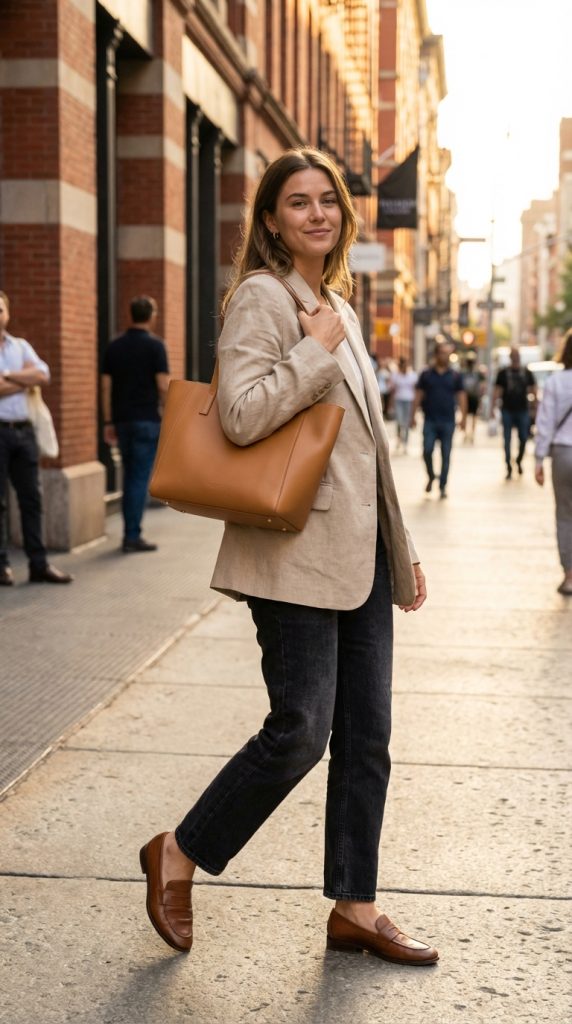
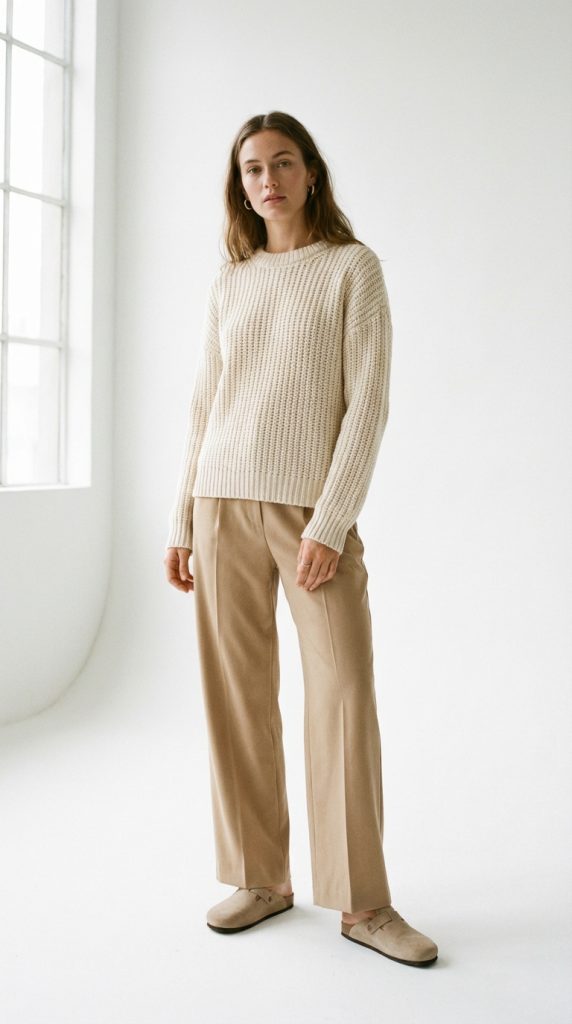
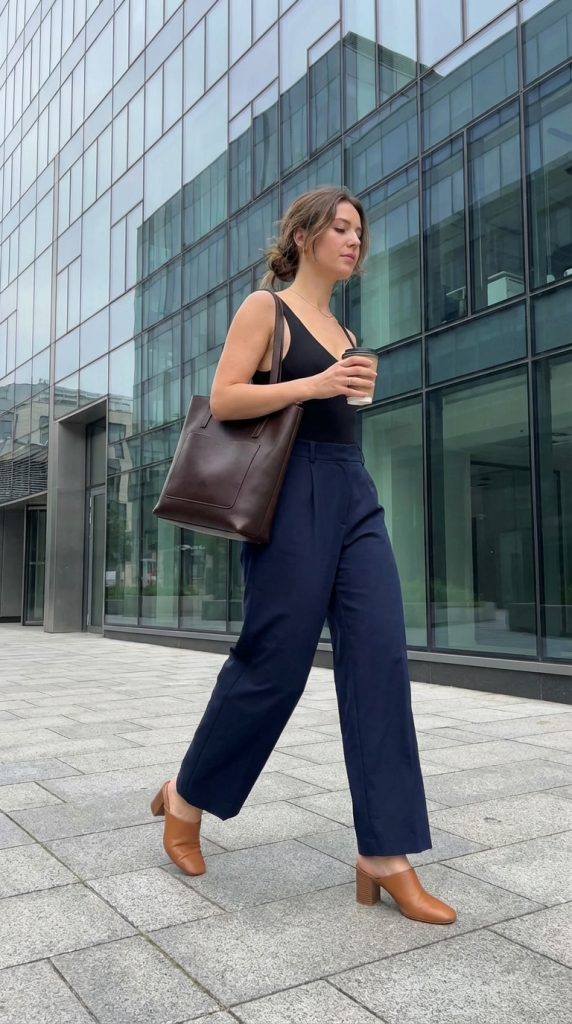
Loafers and mules are having a major moment and they’re perfect for casual chic. They’re comfortable, versatile, and instantly make you look more put-together. Pair them with jeans, trousers, skirts, dresses, literally anything.
Boots are your fall and winter solution. Chelsea boots, ankle boots, knee-high boots, they all work depending on your style and what you’re pairing them with. Black or brown leather boots are the most versatile, but don’t be afraid of other colors if they fit your wardrobe.
Sandals can work for casual chic in warmer weather. Avoid anything too beachy or sporty if you’re going for that polished vibe. Minimal leather sandals or slides look clean and intentional.
The key with shoes is to make sure they’re clean and in good condition. Scuffed, dirty shoes can tank an otherwise great outfit. You don’t need expensive shoes, just well-maintained ones.
The Bag Conversation
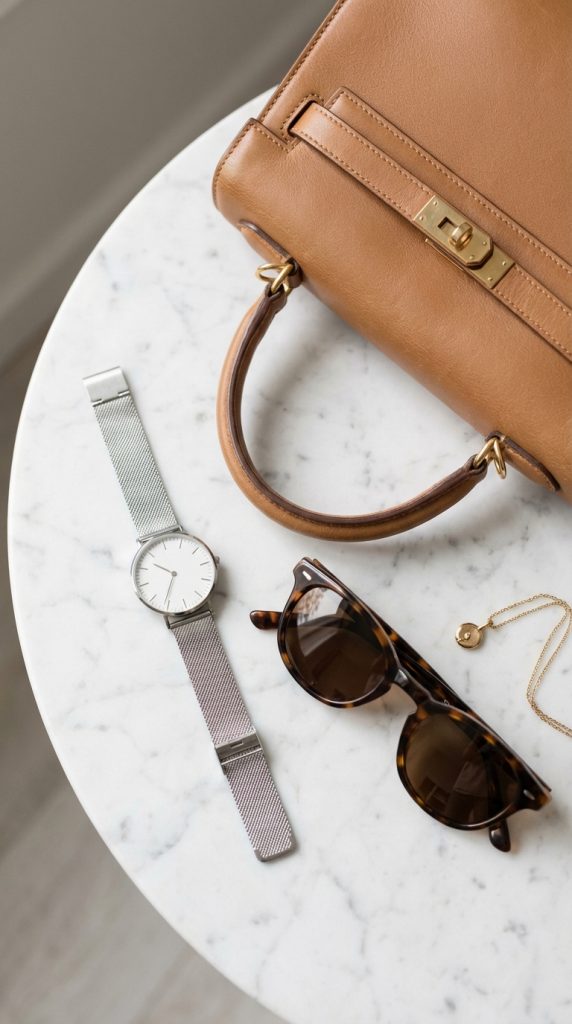
Your bag doesn’t have to be designer, but it should look intentional. A structured tote or crossbody in leather or a nice vegan alternative works for almost everything. Neutral colors are most versatile, but a colorful bag can be a statement piece if the rest of your outfit is simple.
Size matters. Huge bags can overwhelm your outfit and make you look like you’re heading to the airport. Tiny bags can look impractical. Find the middle ground, something that holds your essentials without looking like luggage.
Quality over brand, always. A well-made bag from an affordable brand will serve you better than a fake designer bag. People can tell, and it doesn’t look as good as you think it does.
Jewelry and Small Details
Less is usually more, but that doesn’t mean no jewelry. A few simple pieces you wear regularly look more natural than piling on everything you own.
Small hoop earrings, stud earrings, or simple drop earrings work for everyday. Delicate necklaces can add interest without being overwhelming. Rings and bracelets are personal preference, just don’t go overboard.
Watches are underrated for casual chic. Even a simple watch adds a polished touch. It doesn’t have to be expensive, just clean and functional-looking.
Sunglasses are both practical and stylish. Find a shape that suits your face and stick with it. Classic shapes like aviators, wayfarers, and cat-eyes are timeless.
Belts can define your waist and add structure to an outfit, but they’re not always necessary. Use them when they add something to the look, not just out of habit. And if you’re looking to add some color and personality, styling colorful scarves can instantly elevate even the most basic outfit.
Actual Outfits That Work
Theory is great but let’s get practical. Here are outfit formulas you can actually use.
The Classic Jeans and Nice Top
Dark jeans, a fitted sweater or blouse, minimal sneakers or loafers, simple bag, delicate jewelry. This works for basically everything: brunch, shopping, casual Friday, coffee dates. You can dress it up with boots and a blazer or keep it simple with white sneakers.
The Elevated Basics Approach
Black jeans, white t-shirt, tailored blazer, ankle boots, structured bag. Sounds basic, but the right fit and quality make it look expensive. This is your go-to for when you need to look put-together but don’t want to think too hard.
The Dress and Layer Combo
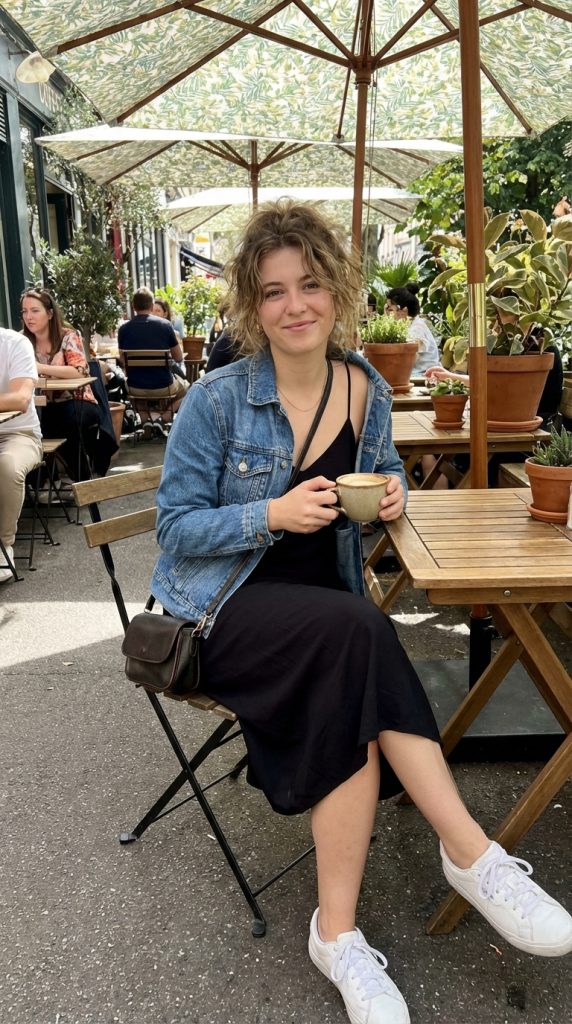
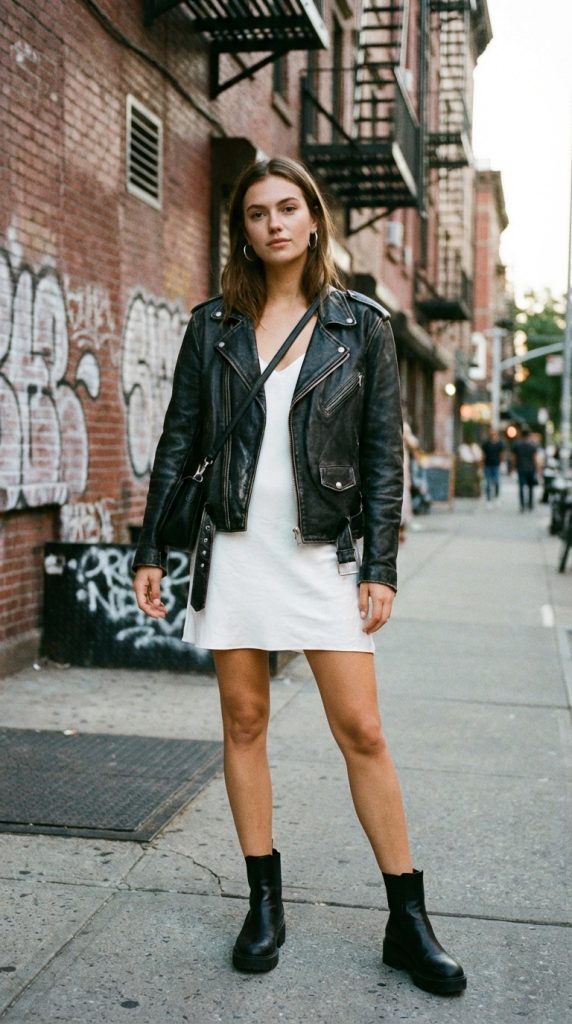
Simple slip dress or t-shirt dress with a denim jacket or cardigan, sneakers or sandals, crossbody bag. Easy, comfortable, and effortlessly chic. Works for summer days or transitional weather.
The Wide-Leg Trouser Move
High-waisted wide-leg pants, fitted top or bodysuit, mules or loafers, minimal jewelry, structured bag. This outfit makes you look like you know what you’re doing even if you absolutely don’t. The proportions are automatically flattering.
The Monochrome Moment
All one color in different shades and textures. Cream sweater, beige trousers, tan bag, neutral shoes. It looks intentional and expensive without much effort. Black monochrome works too and is even easier.
The Unexpected Mix
Tailored trousers with a graphic tee and blazer. Midi skirt with a hoodie and sneakers. The key is mixing casual and polished pieces in unexpected ways. This is where personal style really comes through.
The Grooming and Finishing Touches Nobody Mentions
Your outfit is only half the story. How you present yourself overall makes a huge difference.
Hair and Skin
You don’t need a complicated routine, but clean hair and relatively clear skin go a long way. Find a simple skincare routine that works for you and stick with it. For hair, having a go-to style that looks intentional is better than elaborate styling every day.
Messy hair can work for casual chic, but there’s a difference between effortlessly tousled and just messy. The texture should look intentional, not like you forgot to brush it.
The Minimal Makeup Approach
Casual chic makeup is usually pretty minimal. Clear, even skin, groomed brows, maybe some mascara and lip balm. That’s it. You don’t need a full face unless you want one.
The goal is to look like you’re taking care of yourself, not performing for an audience. Enhanced natural is the vibe.
Nails and Hands
Clean, maintained nails make a difference. They don’t need to be professionally done or even polished. Just clean, filed, and not bitten. Neutral polish works well, but bare nails are fine too if they’re well-maintained.
The Confidence Component
Here’s the real secret: confidence makes everything look better. If you feel good in what you’re wearing, it shows. If you’re uncomfortable or constantly adjusting things, that shows too.
Casual chic is about feeling as good as you look. If an outfit checks all the boxes but makes you feel weird, it’s not the right outfit for you. Your personal comfort and confidence matter more than following any rules.
Shopping Smart for Casual Chic
Building this wardrobe doesn’t mean buying everything new or spending a fortune. Here’s how to shop intentionally.
Quality Over Quantity Always
One well-made piece you wear constantly is worth more than five cheap pieces you wear once. Before buying anything, ask yourself: does it fit well? Is the fabric good quality? Will I actually wear this? Does it work with what I already own?
Start with basics and build from there. You don’t need 20 different tops, you need a few good ones you love wearing.
Thrifting and Secondhand
Some of the best casual chic pieces come from thrift stores and secondhand apps. Designer pieces at a fraction of the price, unique vintage finds, and sustainable shopping all in one. The trick is knowing what to look for and being patient.
Check the fabric, check the condition, check the fit. Don’t buy something just because it’s cheap if it doesn’t meet your standards. But when you find that perfect piece, it’s worth it.
Where to Actually Shop
Everyone wants the specific store recommendations, so here they are: Everlane, COS, Uniqlo, Madewell, and Reformation for new basics with decent quality. Zara and H&M can work if you’re selective about fabric and construction. Nordstrom Rack, TJ Maxx, and Marshall’s for discounted better brands.
Online: Poshmark, Depop, ThredUp, and The RealReal for secondhand. Revolve, ASOS, and Shopbop for variety. Direct-to-consumer brands like Cuyana and Vetta for investment pieces.
But honestly, you can find casual chic pieces anywhere if you know what you’re looking for. Don’t get caught up in brand names. Focus on fit, fabric, and how it makes you feel. And if you want to explore how to look expensive on any budget, there are plenty of styling tricks that don’t require designer labels.
Building a Cohesive Wardrobe
Start with a neutral color palette as your base. Choose 2-3 neutral colors you actually like wearing (black, white, beige, navy, grey, brown) and build from there. Add 2-3 accent colors that complement your neutrals and skin tone.
Buy pieces that work together. Before getting something new, think about what you already own that you could pair it with. If you can’t think of at least three outfits, maybe reconsider.
Don’t buy trends just because they’re trending. Buy trends that actually work with your style and wardrobe. That viral TikTok piece might not be worth it if you can only wear it one way.
Seasonal Adjustments Without Starting Over
Casual chic looks different in summer than winter, but your core wardrobe stays the same. You’re just layering and swapping pieces.
Summer Casual Chic
Lighter fabrics, shorter sleeves, more skin showing. Linen pants, cotton dresses, tank tops, sandals. Keep the same principles: good fit, quality fabrics, intentional combinations. Add a straw bag or woven accessories for texture.
Dresses are your friend in summer. A simple linen dress with minimal sandals and a crossbody bag is the summer casual chic uniform. Add sunglasses and you’re done.
Fall and Winter Layers
Layering is the key to cold weather casual chic. Start with your basics and add outerwear, scarves, and heavier shoes. A good coat makes a huge difference, it’s often the first and last thing people see.
Wool coats, leather jackets, denim jackets, blazers, these are your layering pieces. They should fit well and work with multiple outfits. Neutral colors are most versatile, but a statement coat can be fun if the rest of your wardrobe is simple.
Knitwear becomes central in colder months. Good sweaters in various weights let you adjust to changing temperatures while staying chic. Layer them over button-ups, under blazers, or wear them alone with good pants. Even holiday sweaters can look chic when you style them thoughtfully with the right pieces.
The Sustainability Angle Nobody Wants to Hear
Real talk: fast fashion is destroying the planet and exploiting workers. Casual chic actually aligns pretty well with sustainable fashion because it’s about buying less and choosing better.
Invest in pieces you’ll wear for years, not months. Take care of your clothes so they last longer. Wash less frequently, air dry when possible, get things repaired instead of replacing them.
Buy secondhand when you can. Rent special occasion pieces instead of buying them. Swap clothes with friends. These aren’t just sustainable choices, they’re budget-friendly and often lead to more unique style.
When you do buy new, support brands with ethical practices. Look for transparent supply chains, fair wages, sustainable materials. It often costs more upfront, but cost per wear works out better when things last.
Common Mistakes and How to Avoid Them
Let’s talk about what doesn’t work, because sometimes that’s more helpful than what does.
Overthinking It
The biggest mistake is making getting dressed too complicated. Casual chic should make your life easier, not harder. If you’re spending an hour every morning trying different combinations, you’re doing too much.
Create a basic formula that works for you and stick with it. Variation is fine, but you don’t need a completely different outfit every day.
Following Trends Too Closely
Trends come and go. Your personal style should be more consistent. It’s fine to incorporate trends you actually like, but building your whole wardrobe around what’s popular right now is a recipe for looking dated quickly.
Classic pieces with a few trendy accents is the move. That way you’re current without being a slave to trends.
Ignoring Your Actual Life
Dressing for Instagram instead of your actual daily activities doesn’t work. If you’re in college, your casual chic will look different than someone working in a corporate office. That’s fine. Dress for your life, not someone else’s.
Comfort matters. If you can’t sit down, move freely, or do your normal activities in an outfit, it’s not casual chic, it’s just chic. The casual part is important.
Buying Everything at Once
Building a casual chic wardrobe takes time. Don’t try to do it all in one shopping trip. Buy things as you need them, think about what’s missing from your wardrobe, and fill gaps intentionally.
This also prevents buyer’s remorse and helps you develop your eye for what actually works for you.
Making It Your Own
Here’s the thing about casual chic: there’s no single way to do it. What works for someone else might not work for you, and that’s completely fine.
Finding Your Personal Style
Casual chic is a framework, not a uniform. Within it, there’s room for personal expression. Maybe you love color and prints. Maybe you prefer all black everything. Maybe you’re into vintage pieces or super modern minimalism.
The principles stay the same (good fit, quality pieces, intentional combinations), but the execution is personal. Don’t force yourself into a style that doesn’t feel like you just because it looks good on someone else.
The Learning Curve
Nobody gets this right immediately. It takes time to learn what works for your body, your lifestyle, and your personal taste. You’ll make mistakes, buy things you don’t end up wearing, try trends that don’t suit you. That’s all part of the process.
Pay attention to what makes you feel confident and what doesn’t. Over time, you’ll develop instincts about what works for you. Trust that process.
When to Break the Rules
All of this is guidelines, not laws. If something technically “doesn’t work” but you love it and feel great in it, wear it anyway. Personal style is more important than following formulas.
The point of understanding these principles is so you can make intentional choices about when to follow them and when to ignore them. That’s what makes your style yours.
The Real Bottom Line
Casual chic isn’t about looking perfect or spending a fortune or following rigid rules. It’s about presenting yourself in a way that feels polished but authentic, put-together but comfortable, intentional but not overthought.
It’s showing up as a slightly elevated version of yourself, the version that has their life together even when they definitely don’t. It’s looking like you care about how you present yourself without looking like you care too much.
Start with good basics that fit well. Pay attention to fabric and quality. Keep things simple and intentional. Add your own personal touches. And most importantly, wear things that make you feel confident.
The best part about casual chic is that once you get the hang of it, getting dressed becomes so much easier. You’re not overthinking every outfit, you’re just putting together pieces you know work. You look good without trying too hard, which is honestly the entire point.
Your wardrobe should make your life better, not more stressful. Casual chic, when done right, does exactly that. It gives you a framework for looking polished while still being yourself, still being comfortable, and still being practical for real life.
And honestly? That’s what style should be about. Not impressing strangers on the internet or following every trend or spending money you don’t have. Just feeling good in what you’re wearing and moving through your life with a little extra confidence.
So start small, be patient with yourself, focus on what actually works for your life, and build from there. You’ve got this.
Citations
1. Barnett, L. (2024). The Psychology of Clothing and Self-Perception. Journal of Fashion Psychology, 18(3), 234-251.
2. Chen, M. & Rodriguez, S. (2023). Sustainable Fashion Consumption Among Generation Z. International Journal of Consumer Studies, 47(6), 2103-2119.
3. Greenfield, K. (2024). Fit and Proportions in Contemporary Women’s Fashion. Fashion Theory Review, 12(2), 89-106.
4. Hassan, A. (2023). The Impact of Fabric Quality on Garment Perception. Textile Research Journal, 93(15), 3421-3438.
5. Johnson, R. & Park, J. (2024). Color Theory and Personal Style Development. Color Research and Application, 49(1), 156-173.
6. Lee, S. (2023). Fast Fashion vs. Investment Dressing: A Consumer Perspective. Journal of Fashion Marketing and Management, 27(4), 567-584.
7. Martinez, D. (2024). The Evolution of Casual Chic: From Concept to Contemporary Practice. Fashion Studies Quarterly, 8(1), 45-62.
8. Nielsen, E. & Thompson, K. (2023). Wardrobe Minimalism and Style Satisfaction. Psychology of Dress, 15(4), 301-318.
9. Patel, N. (2024). Social Media Influence on Gen Z Fashion Choices. Digital Fashion Studies, 6(2), 178-195.
10. Roberts, C. (2023). The Economics of Quality vs. Quantity in Fashion Consumption. Journal of Consumer Economics, 41(3), 412-429.
11. Smith, H. & Williams, T. (2024). Thrift Shopping and Style Development in Young Adults. Sustainability in Fashion Journal, 10(1), 67-84.
12. Taylor, M. (2023). Body Confidence and Clothing Fit Satisfaction. Body Image Research, 19(2), 234-249.
13. Wright, B. (2024). Seasonal Wardrobe Adaptation Strategies. Fashion Logistics Quarterly, 7(3), 156-171.
14. Zhang, L. (2023). The Role of Accessories in Outfit Completion. Accessories Design Journal, 5(4), 289-305.
15. Anderson, P. & Kumar, R. (2024). Ethical Fashion Consumption: Motivations and Barriers. Journal of Sustainable Fashion, 13(2), 198-214.