The Ultimate Guide to Men’s Medium Length Hairstyles That Actually Look Good in 2026
I’m not going to sugarcoat it—choosing a hairstyle is weirdly stressful. You’re basically deciding how the world sees you before you even open your mouth. And if you’re rocking medium-length hair right now (or thinking about growing it out), you’ve stumbled into the sweet spot where things get interesting.
Medium length is having a moment. Not the “safe” short crop your dad rocks, and not the full rockstar mane that requires an Instagram-worthy hair care routine. We’re talking that perfect in-between zone—roughly 3 to 6 inches on top—where you’ve got options, personality, and yeah, a bit of maintenance, but nothing crazy.
Let me walk you through everything you need to know about the cuts that are actually trending, how to style them without looking like you tried too hard, and which one might actually work for your specific hair situation.
Why Medium Length Is Where It’s At Right Now
Here’s the thing: short hair is clean, sure. But it’s also kind of… limiting? You wake up, maybe run some product through it, and that’s your look. Long hair gives you options but comes with a whole lifestyle commitment (and let’s be real, a lot of judgment from older relatives).
Medium length hits different. You can slick it back for something formal, mess it up for a casual vibe, or style it into something more structured when you need to look put-together. According to recent trends in men’s grooming, medium-length styles have seen a significant uptick in popularity, particularly among younger demographics who value versatility.
The pandemic changed things too. A lot of guys grew their hair out during lockdowns, realized they didn’t hate it, and now we’re seeing way more experimentation with length and texture. The stigma around men having “longer” hair has pretty much evaporated, at least in most circles.
The Wolf Cut: Messy, Shaggy, and Surprisingly Wearable
Let’s start with the one that’s been all over TikTok. The wolf cut is basically what happens when a shag haircut and a mullet have a baby, but somehow it works. You’ve got shorter, choppy layers on top that create volume and texture, with longer pieces in the back that give it that signature shaggy look.
What Makes It a Wolf Cut?
The defining features are the heavy layering and the contrast between the top and bottom sections. Your stylist will typically cut shorter layers around the crown and front, creating a kind of “mane” effect (hence the wolf thing), while keeping length at the nape and sides.
It sounds wild, but here’s why it works: the layers create natural movement and texture without requiring much styling. If you’ve got straight or slightly wavy hair, this cut basically styles itself. You can literally roll out of bed and look intentionally disheveled.

Who Should Get It?
This cut works best if you:
- Have medium to thick hair (fine hair might look too wispy)
- Don’t mind regular trims every 6-8 weeks to maintain the shape
- Want something low-maintenance but distinctive
- Have a more oval or heart-shaped face (the volume on top balances things out)
Styling the Wolf Cut
Honestly, the less you do, the better. Work a small amount of texturizing cream or sea salt spray through damp hair, then either air dry or use a diffuser if you want more volume. The goal is “I woke up like this” energy, not “I spent 45 minutes with a blow dryer.”
Fades and Tapers: Clean Sides, Party on Top
Now we’re getting into the territory where medium length meets classic barbering. Fades and tapers are all about that contrast—keeping the sides and back short while leaving length on top to work with.
The Difference Between a Fade and a Taper
People use these terms interchangeably, but they’re actually different:
A taper gradually decreases in length from the top down to the neckline, but you still have visible hair all the way down. It’s a more subtle, conservative transition.

A fade takes it further, blending the hair down to the skin. You’ve got high fades (starting near the temples), mid fades (starting around the middle of the head), and low fades (starting just above the ears). The fade can go to skin or just very short.
Why This Combo Works
Here’s the genius of pairing a fade or taper with medium length on top: you get the best of both worlds. The short sides keep things clean and professional (important if you’re in a workplace that’s not super casual), while the length on top gives you styling options.
This is probably the most versatile approach on this list. You can style the top into a quiff, slick it back, mess it up, part it—whatever. The fade or taper just frames everything and makes it look intentional.
Maintenance Reality Check
The sides will need touching up every 2-3 weeks if you want to keep that crisp fade looking fresh. The top can go longer between cuts, maybe 6-8 weeks. Some guys get the sides cleaned up more frequently and only have the top trimmed every other visit.
The Quiff: Voluminous and Versatile
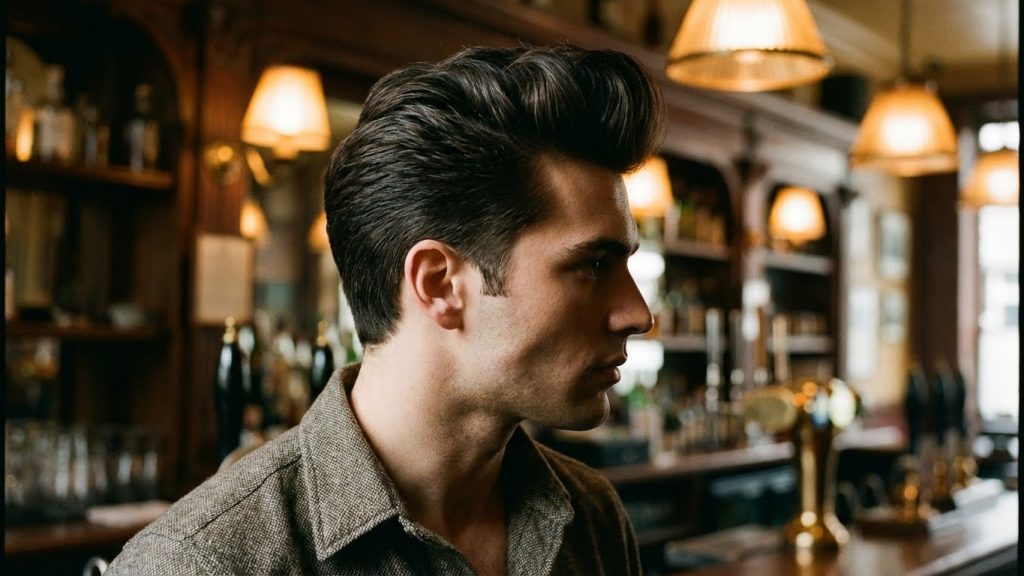
The quiff has been around forever, but it keeps coming back because it just works. Think of it as the more refined cousin of a pompadour—you’ve got volume and height at the front, but it’s not as dramatically swept back.
Breaking Down the Quiff
A proper quiff has three components:
- Volume at the front: Hair is styled up and slightly back
- Shorter or tapered sides: Creates contrast and keeps it from looking too top-heavy
- Texture on top: Usually 3-5 inches of length to work with
The modern quiff is less rigid than older versions. We’re not talking about that super stiff, hairsprayed look from the 1950s. Current iterations have more texture and movement, which makes them way more wearable for everyday life.
Styling a Quiff
You’ll need a blow dryer for this one. Here’s the basic process:
- Apply a volumizing mousse or heat protectant to damp hair
- Blow dry the front section upward and back, using a round brush or your fingers
- Once dry, work in a medium-hold pomade or clay
- Use your fingers to shape the front, pushing it up and slightly back
- Finish with a light hairspray if you need it to last all day
The key is not overdoing the product. You want it to look full and textured, not like a helmet.
Face Shape Considerations
Quiffs work particularly well for guys with:
- Round faces (the height creates length and balance)
- Square faces (softens the angles a bit)
- Longer faces might want to be careful—too much height can elongate things further
The Pompadour: Bold and Statement-Making
If the quiff is the refined cousin, the pompadour is the one who shows up to family dinner in a leather jacket. It’s bolder, more dramatic, and definitely makes a statement.
Classic vs. Modern Pompadour
The classic pompadour is what Elvis made famous—lots of volume, swept dramatically back from the forehead, with the sides slicked down or cut short. It’s high-maintenance and pretty formal.
The modern pompadour tones things down a bit. You still get that swept-back volume, but it’s less structured, with more texture and movement. Pair it with a fade on the sides, and you’ve got something that works for both a night out and (depending on your workplace) the office.
What You Need
Length-wise, you’re looking at 4-6 inches on top, minimum. You also need hair with some body to it—fine, limp hair is going to struggle to hold that volume without serious product.
The Styling Process
This is where things get real:
- Start with damp hair and apply a volumizing product
- Blow dry while brushing the hair up and back (a round brush helps)
- Once you’ve got the basic shape, work in a strong-hold pomade or gel
- Use a comb to smooth the sides and refine the shape on top
- Finish with hairspray to lock everything in place
Yeah, it’s a process. This isn’t a “roll out of bed and go” situation. But if you’re going for impact, few styles deliver like a well-executed pompadour.
The Slick Back: Timeless Sophistication
Let’s talk about the style that’s been making guys look put-together since before your grandparents were born. The slick back is exactly what it sounds like—hair combed straight back from the forehead, usually with a shine to it.
Why It Still Works
In an era where everything is about texture and “effortless” styling, the slick back stands out precisely because it’s so intentional. It says you care about how you look, and you’re not afraid to show it.
The modern version has loosened up a bit. You don’t have to go full Gordon Gekko with wet-look gel. A matte pomade or clay can give you the sleek shape without the shine, creating what some people call a “dry slick back.”
Getting the Look
For a classic slick back:
- Use a strong-hold gel or pomade on damp hair
- Comb everything straight back from the hairline
- Make sure the sides are either short or also slicked back
- The result should be smooth and glossy
For a modern/textured slick back:
- Use a matte clay or paste on dry or slightly damp hair
- Push the hair back with your fingers, not a comb
- Leave some texture and separation
- The result should look more natural, less “wet” and offer a level of sophistication that works well with smart-casual outfits.

Who Pulls This Off?
Slick backs work well if you have:
- Thicker hair (thin hair can look sparse when pulled back tight)
- A strong hairline (receding hairlines become more obvious)
- An oval or square face shape
- The confidence to rock something this deliberate
The Undercut: Sharp Contrast, Maximum Impact
The undercut is all about drama through contrast. You’re keeping the top long (medium length in our case) while the sides and back are cut very short or even shaved. There’s no gradual transition—just a hard line where short meets long.
Disconnected vs. Connected
A disconnected undercut has that sharp, visible line between the long top and short sides. It’s bold and makes a statement.
A connected undercut (which is basically a fade) blends the transition slightly, making it more subtle and versatile.
Styling Options
This is where the undercut shines—the top can be styled in multiple ways:
- Slicked back for formal occasions
- Pushed to the side with a part
- Textured and messy for casual vibes
- Even tied up in a small bun or ponytail if you’ve got enough length
The short sides mean you’re not dealing with much maintenance there, and all the focus goes to styling the top section.
The Commitment Factor
Here’s the thing about undercuts: once you get one, you’re kind of locked in for a while. If you decide you don’t like it, you’ll need to either keep the sides short while the top grows, or cut the top shorter to even things out. It’s not a style you can easily grow out evenly.

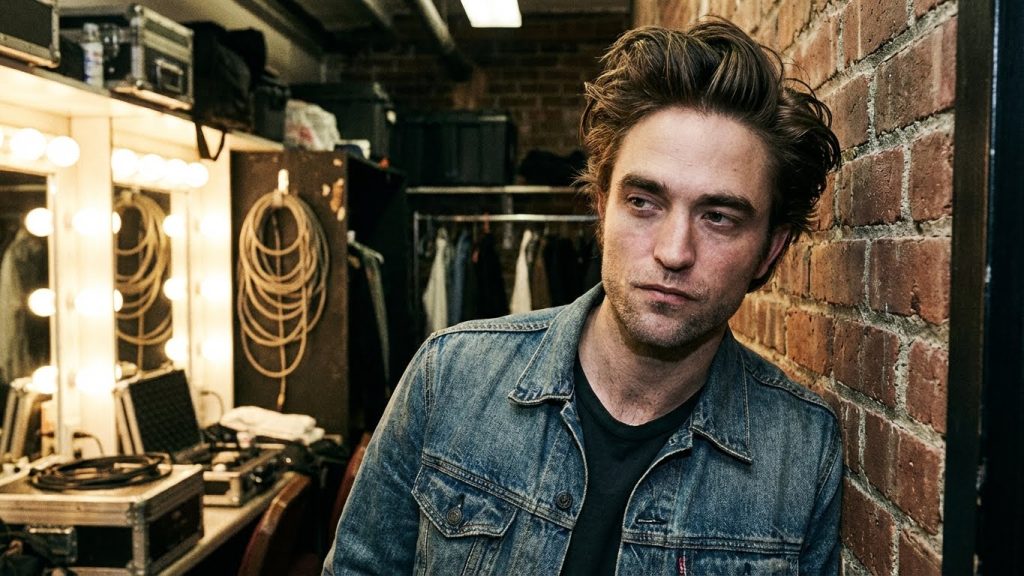
Messy/Textured Hair: The “I Didn’t Try” Look (That Requires Trying)
Let’s be honest—the deliberately messy, textured look is having a major moment right now. It’s the antithesis of the overly groomed, product-heavy styles of the 2010s. But here’s the irony: getting that perfect “I just woke up like this” look actually requires some technique.
What Makes It Work
Good messy hair has:
- Texture and separation: Individual strands and pieces are visible
- Movement: It doesn’t sit flat or static
- Intentional chaos: It looks effortless but not actually unkempt
Bad messy hair just looks like you forgot to brush it. The difference is subtle but important.
Creating Texture
The key is using the right products:
- Texturizing sprays or sea salt sprays on damp hair create grip and separation
- Matte clays or pastes add definition without shine
- Dry shampoo (yes, it’s not just for women) adds volume and texture to day-old hair
Application matters too. Work product through with your fingers, not a comb. Scrunch, twist, and manipulate the hair to create that piece-y, separated look. If it looks too neat, you’ve gone wrong somewhere.
Best Hair Types for This
Wavy or slightly curly hair absolutely kills this look—you’ve got natural texture to work with. Straight hair can pull it off too, but you’ll need to create texture with products and styling techniques. Very curly hair might be too much texture; you’d be fighting against your natural pattern.

Curly Medium Length: Embracing Your Natural Texture
If you’ve got curls, you’ve probably spent years fighting them or keeping your hair short enough that they don’t really show. But medium-length curly hair is having a serious moment, and for good reason—when you work with your natural texture instead of against it, the results can be incredible.
The Curly Hair Revolution
There’s been a whole movement around embracing natural curl patterns, often called the “Curly Girl Method” (though it applies to guys too). The basic principles:
- Avoid sulfates and silicones that dry out curls
- Use leave-in conditioners and curl creams
- Don’t brush dry curly hair (it creates frizz)
- Scrunch, don’t rub, when drying
Cuts for Curly Hair
Curly hair needs to be cut differently than straight hair. Look for a stylist who specializes in curls or at least has experience with them. They should cut your hair dry so they can see how the curls naturally fall.
Layered cuts work great for curly medium length—they remove weight and let the curls spring up, creating volume without the pyramid shape that happens when curly hair is all one length.
Tapered sides with length on top is another winning combination. The shorter sides keep things clean while the curly top becomes the focal point.
Styling Curly Hair
The process is different from straight hair:
- Wash with a sulfate-free shampoo (or just conditioner)
- Apply leave-in conditioner to soaking wet hair
- Add a curl cream or gel, scrunching it in
- Either air dry or use a diffuser on low heat
- Once completely dry, scrunch out any crunch from the gel
The key is moisture. Curly hair is naturally drier than straight hair, so hydration is everything.

The Middle Part: Gen Z’s Favorite Comeback
Okay, so the middle part isn’t technically a haircut, but it’s become such a defining style choice that we need to talk about it. After decades of side parts dominating, the middle part has come roaring back, and it’s basically become the default for a huge chunk of Gen Z.
Why the Middle Part Works Now
The middle part creates a symmetrical, balanced look that works particularly well with medium length hair. It’s less formal and “done” than a side part, which fits the current vibe of relaxed, natural styling.
It also works with various textures—straight, wavy, or curly. The key is having enough length that the part actually shows and the hair can fall naturally on both sides of it.
How to Style a Middle Part
If your hair isn’t naturally parting in the middle, you’ll need to train it:
- Create the part while hair is wet
- Blow dry the hair forward and down on both sides
- Use a light product to keep things in place
- Repeat daily until your hair starts naturally falling that way
For a more textured look, apply a sea salt spray or texturizing product and let it air dry. For something sleeker, blow dry smooth and use a light pomade or cream.
Face Shape Considerations
Middle parts work best on:
- Oval faces (balanced proportions)
- Heart-shaped faces (the symmetry balances a wider forehead)
They can be tricky for:
- Round faces (can emphasize width)
- Very long faces (the vertical line can elongate further)
But honestly? Rules are meant to be broken. If you like how it looks, rock it.

Choosing the Right Style for Your Hair Type and Face Shape
Let’s get practical. You can love a particular style, but if it doesn’t work with your hair type or face shape, you’re going to spend a lot of time fighting a losing battle.
Hair Type Matching
Straight hair:
- Great for: slick backs, quiffs, pompadours, middle parts
- Challenging for: wolf cuts (might need texturizing), natural messy looks
- Pro tip: You’ll need product to create texture and hold
Wavy hair:
- Great for: literally everything (you won the genetic lottery)
- Challenging for: nothing really, waves are versatile
- Pro tip: Enhance your natural texture with salt spray
Curly hair:
- Great for: textured styles, wolf cuts, natural messy looks
- Challenging for: sleek slick backs, super structured styles
- Pro tip: Moisture and the right cut are everything
Thick hair:
- Great for: styles that need volume (pompadours, quiffs)
- Challenging for: can look too bulky without proper layering
- Pro tip: Ask for texturizing or thinning to remove weight
Fine/thin hair:
- Great for: textured styles that don’t require much volume
- Challenging for: pompadours, styles needing lots of height
- Pro tip: Volumizing products and blow drying are your friends
Face Shape Guide
Oval: Congratulations, pretty much everything works for you. This is the most balanced face shape.
Round: Add height and angles. Good choices include quiffs, pompadours, side parts, anything that creates vertical lines.
Square: Soften the angles with textured styles. Wolf cuts, messy hair, and softer quiffs work well. Avoid super sharp, geometric cuts.
Heart-shaped: Balance a wider forehead with volume at the sides or a middle part. Avoid too much height on top.
Long/rectangular: Add width, not height. Side-swept styles, textured looks with volume at the sides, and avoiding tall pompadours will help balance proportions.
Products You Actually Need (and Don’t Need)
Let’s cut through the marketing nonsense. The men’s grooming industry wants you to buy 47 different products. You don’t need them all.
The Essential Lineup
1. A good shampoo and conditioner
Not the 3-in-1 body wash situation. Actual hair-specific products. If you’ve got curly hair, go sulfate-free. If you’ve got oily hair, clarifying formulas help. Match it to your hair type.
2. A versatile styling product
This is your workhorse. For most medium-length styles, a matte clay or paste is your best bet. It provides hold without shine, works with various styles, and doesn’t look crusty or wet.
Specific recommendations based on style:
- Pompadours/slick backs: Medium to strong hold pomade
- Textured/messy looks: Matte clay or texturizing paste
- Curly hair: Curl cream or light gel
- Natural looks: Light cream or sea salt spray
3. Heat protectant
If you’re using a blow dryer regularly (and for several of these styles, you will be), protect your hair from heat damage. Spray it on damp hair before drying.
4. Finishing spray (optional)
If you need your style to last through a long day or you live somewhere humid, a light to medium hold hairspray keeps everything in place without making it stiff.
What You Probably Don’t Need
- Hair gel (unless you’re going for a specific wet look): Modern styling has mostly moved past the crunchy gel era
- Multiple pomades: One good one is enough
- Expensive “systems”: You don’t need the shampoo, conditioner, pre-styler, styler, and finisher from the same brand. Mix and match what works.

Maintenance: The Real Talk Nobody Gives You
Here’s what nobody tells you when you’re looking at inspiration photos: maintenance matters. A lot.
Haircut Frequency
High maintenance (every 2-3 weeks):
- Fades and tapers (the sides grow out fast)
- Undercuts with very short sides
- Any style where precision matters
Medium maintenance (every 4-6 weeks):
- Most medium-length styles
- Quiffs and pompadours
- Textured cuts
Lower maintenance (every 6-8 weeks):
- Wolf cuts
- Natural curly styles
- Messy/textured looks where the grown-out look still works
Daily Styling Time
Be realistic about what you’ll actually do every morning:
5 minutes or less:
- Messy/textured hair
- Natural curly looks
- Middle parts (once trained)
10-15 minutes:
- Quiffs
- Slick backs
- Most medium-length styles with product
20+ minutes:
- Pompadours
- Blow-dried styles requiring precision
- Anything Instagram-perfect
If you’re not a morning person or you’re perpetually running late, maybe the pompadour isn’t your move.
Finding the Right Barber or Stylist
This might be the most important section here. You can have the perfect style in mind, but if your barber doesn’t know how to execute it, you’re screwed.
Barber vs. Stylist
Barbers specialize in:
- Fades and tapers
- Short to medium men’s cuts
- Clippers and precision work
- Classic styles
Stylists specialize in:
- Longer cuts
- Texturizing and layering
- Color (if you’re into that)
- More modern or avant-garde styles
For most medium-length cuts, either can work. But if you’re getting something like a wolf cut with heavy layering, a stylist might be the better call. If you want a clean fade with medium length on top, go barber.
Communication Tips
Bring photos. Seriously, don’t just describe what you want—show them. Find 2-3 pictures from different angles of the style you’re after.
Be specific about:
- How much length you want to keep
- Whether you want texture or blunt cuts
- How you plan to style it
- Your lifestyle and maintenance commitment
A good barber or stylist will also tell you if something won’t work for your hair type. Listen to them.

Dealing with the Awkward Growth Phase
If you’re growing your hair out from short to medium length, buckle up—there’s going to be an awkward phase. Usually hits around the 2-3 month mark when your hair is too long to style like it’s short but not long enough to do much with.
Survival Strategies
1. Get strategic trims
Don’t avoid the barber completely. Get the back and sides cleaned up while leaving length on top. This keeps you looking intentional while the top grows.
2. Embrace hats and beanies
No shame in the game. Sometimes you just need to cover the awkwardness.
3. Experiment with products
This is actually a good time to figure out what works for your hair. Try different clays, creams, and sprays to see what helps manage the weird in-between length.
4. Be patient
It takes about 4-6 months to get from short to a workable medium length. Just push through.
Common Mistakes to Avoid
Let’s talk about what not to do, because sometimes that’s more helpful than a list of what you should do.
Over-washing
You don’t need to shampoo every single day. For most hair types, 2-3 times per week is plenty. Over-washing strips natural oils, leaving your hair dry and harder to style. On non-wash days, just rinse with water or use conditioner.
Using Too Much Product
More is not better. Start with a small amount (think pea-sized for most products), work it through your hair, and add more only if needed. Too much product makes hair look greasy, stiff, or weighed down.
Blow Drying on High Heat
High heat damages hair over time, making it dry and brittle. Use medium heat and keep the dryer moving. And always use heat protectant first.
Ignoring Your Natural Hair Pattern
If you have wavy hair, don’t fight it trying to make it perfectly straight every day. If you have curly hair, embrace it rather than constantly straightening. Work with what you’ve got—it’s way easier and usually looks better.
Cutting Your Own Hair
Unless you really know what you’re doing, don’t. Especially with layered styles or anything requiring precision. The $30-50 you save is not worth the weeks of looking jacked up.
The Bottom Line
Medium-length hair for guys is in a good place right now. There’s no single “right” style—you’ve got options ranging from clean and professional to messy and artistic, and everything in between.
The key is matching the style to your:
- Hair type and texture
- Face shape
- Lifestyle and maintenance commitment
- Personal aesthetic
Don’t just pick something because it’s trending on TikTok. Pick something that actually works for your life. If you’re not going to spend 15 minutes styling every morning, don’t get a pompadour. If you hate going to the barber, don’t get a fade that needs touching up every two weeks.
And here’s the thing nobody says enough: it’s just hair. It grows back. If you try something and hate it, you can cut it, change it, or grow it out differently. The worst-case scenario is like 6-8 weeks of not loving your hair, which in the grand scheme of life is pretty manageable.
So pick something that looks cool to you, find a barber or stylist who knows what they’re doing, invest in a decent product or two, and see how it goes. Your hair is one of the few things about your appearance you can change relatively easily and quickly. Might as well have some fun with it.
References
[1] Grand View Research. (2023). “Men’s Grooming Products Market Size, Share & Trends Analysis Report.” Market research indicates significant growth in men’s styling products, particularly for medium-length hair maintenance.
[2] Byrdie. (2024). “The Wolf Cut: Everything You Need to Know.” https://www.byrdie.com/wolf-cut-haircut
[3] Barbering and Men’s Grooming. (2023). “Understanding Fades vs. Tapers: A Technical Guide.” Professional barbering techniques and terminology.
[4] Men’s Health. (2024). “Modern Quiff Hairstyles and How to Style Them.” https://www.menshealth.com/style/hair
[5] GQ Magazine. (2023). “The Pompadour: From Classic to Contemporary.” Evolution of men’s hairstyling trends.
[6] All Things Hair. (2024). “The Undercut: Styles, Maintenance, and Considerations.” https://www.allthingshair.com/en-us/mens-hairstyles/undercut
[7] NaturallyCurly. (2023). “Curly Hair Care for Men: The Complete Guide.” https://www.naturallycurly.com/curlreading/mens-grooming
[8] American Academy of Dermatology. (2024). “Hair Care Tips.” https://www.aad.org/public/everyday-care/hair-scalp-care
trends.
[6] All Things Hair. (2024). “The Undercut: Styles, Maintenance, and Considerations.” https://www.allthingshair.com/en-us/mens-hairstyles/undercut
[7] NaturallyCurly. (2023). “Curly Hair Care for Men: The Complete Guide.” https://www.naturallycurly.com/curlreading/mens-grooming
[8] American Academy of Dermatology. (2024). “Hair Care Tips.” https://www.aad.org/public/everyday-care/hair-scalp-care