
Mother’s Day Gifts Ranked by How Much She’ll Actually Love Them
You stood in a card aisle for twenty minutes, staring at a photo of a woman in a meadow, and bought the one that said “For everything you do” because your mind went blank. She smiled. You both moved on. Nothing happened.
That’s most Mother’s Day. An enormous commercial ritual performed by people who genuinely care, producing outcomes that feel like a receipt.

Here’s the uncomfortable part: the failure isn’t the flower delivery or the brunch reservation. The failure is the thinking — or the absence of it — that happened before you opened your wallet.
The $34 billion misunderstanding
Americans will spend $34.1 billion on Mother’s Day in 2025, per the National Retail Federation — the second-highest figure in nearly two decades. The average celebrant will drop $259 per person. Jewelry alone accounts for $6.8 billion. Greeting cards: $1.1 billion.
That’s not generosity. That’s anxiety expressed as a credit card transaction.
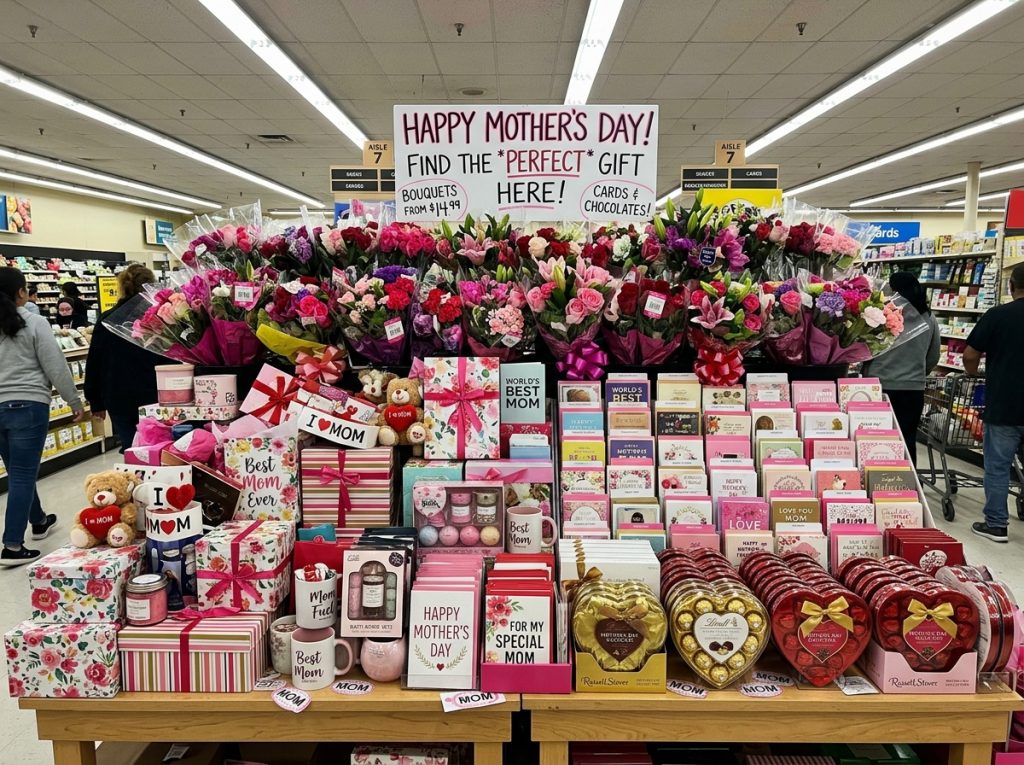
The NRF also found that 48% of shoppers say finding something “unique or different” is their top priority. This pursuit of distinctiveness explains why competitive exchanges like Dirty Santa often reveal what people truly value—presents desirable enough to steal repeatedly. But 74% of them will still buy flowers. Seventy-three percent will buy greeting cards. The revealed preference and the stated preference don’t match — because the revealed preference is “don’t screw this up” and the stated preference is “I’m a thoughtful person.”
Here’s what the surveys actually say:
- 55% of moms said quality time together is their number-one wish — more than any physical gift. (TopCashback survey)
- Only 38% of mothers actually expect a gift at all, despite what the greeting card industry wants you to believe. (Empower survey, n=1,000 parents)
- 35% of adult children feel societal pressure to buy something. Most would rather give time. (Empower, 2024)
So the majority of moms want time with you. A minority expect anything at all. And most of the people buying gifts are doing it because they feel like they have to — not because they’ve thought clearly about what she actually wants.
That’s the real problem. Now let’s fix it.
The science of giving bad gifts
There’s a consistent finding in gift-giving research that should bother you: givers and recipients are solving completely different problems.
A 2014 study published in the Journal of Consumer Research by researchers from Yale, USC, and NYU found that givers choose gifts with “high psychological distance” — they’re imagining the object in someone else’s hands, which makes them focus on how attractive the gift looks. Recipients focus on actually using the thing. They want feasibility. They want the restaurant that’s easy to get a reservation at, not the impossibly exclusive one.
Givers favor beautiful. Recipients favor functional. And givers rarely know this about themselves.
A 2011 study from Harvard’s Francesca Gino and Stanford’s Francis Flynn made it worse: gift givers in close relationships actively avoid explicitly requested gifts. They want to demonstrate that they know you deeply enough to surprise you. In practice, this means ignoring what she said she wanted in favor of what you think would impress her. The result is gifts she didn’t ask for and doesn’t particularly need.
“Give the gift they say they want rather than the one you think shows how much you know them.” — Baskin, Wakslak, Trope & Novemsky, Journal of Consumer Research, 2014
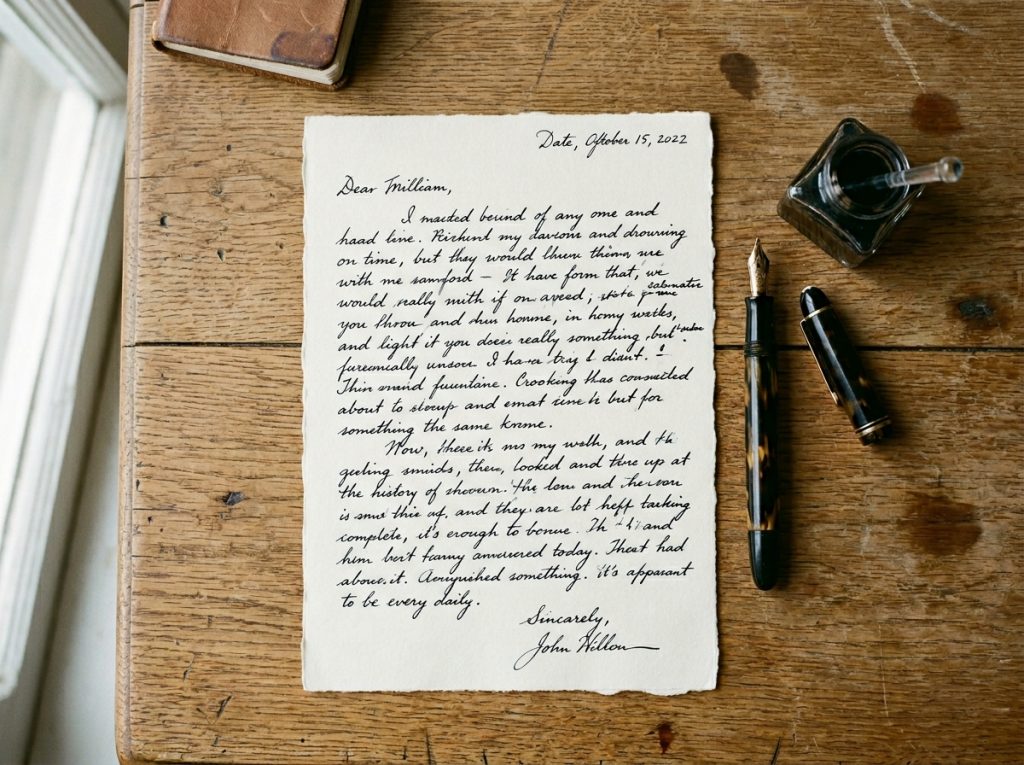
There’s also the sentimentality trap. Research from West Virginia University’s Julian Givi found that givers under-give sentimental gifts — a handwritten letter, a framed photo, a playlist — because they’re uncertain whether such things will land. If creating from scratch feels daunting, guided options like easy Christmas paintings offer a structured way to produce meaningful, personal art regardless of the season. They default to preference-matching: “she likes wine, so wine.” But recipients consistently rate deeply personal, emotionally resonant gifts higher than the ones that technically match their hobbies.
And perhaps the most counterintuitive finding: experiential gifts build stronger relationships than material ones. A 2016 study in the Journal of Consumer Research by Cindy Chan and Cassie Mogilner at UCLA found that the emotion generated during an experience — the vividness, the shared story — creates stronger social bonds than anything you can put in a box. Even modest shared adventures, like embracing the authentic reality of a European summer trip together, generate the vivid memories that outlast material possessions. The memory outlasts the object. Always.
What she actually wants (sorted by what she won’t say out loud)
Surveys are noisy, but the signal is consistent across years of data. What most mothers want, in order:
- Her time back. A Peanut survey found 35% of moms most wanted “a break from the mama routine.” Another 26% wanted “a good night’s sleep.” Only 5% listed a physical gift as their first choice. This is the quiet truth that nobody markets because you can’t sell it at Nordstrom.
- Presence, not presents. Multiple surveys across multiple years show that quality time with family consistently outranks every physical gift category. Not a brunch where everyone’s on their phones. Actual, uninterrupted presence.
- Something that proves you pay attention. A book that matches her exact interest. A restaurant she mentioned six months ago. A soap in her specific scent. The details signal the effort, and the effort is what matters.
- Relief from a task she hates. Cleaning services. Grocery delivery for a month. Booking the vet appointment that’s been on the whiteboard for three weeks. Practical help is profoundly meaningful in the right context.
- An experience she’d never buy herself. The cooking class she researched but never booked. The concert. The weekend trip. Mothers — especially those with kids at home — default to everyone else’s needs. An experience she wouldn’t justify spending on herself is a gift with genuine weight.
Notice what’s not high on this list: flowers, jewelry she doesn’t know how to wear, and candles in scents nobody consulted her about.

The actual ideas, ranked by thoughtfulness ceiling
Experiences (highest ROI)
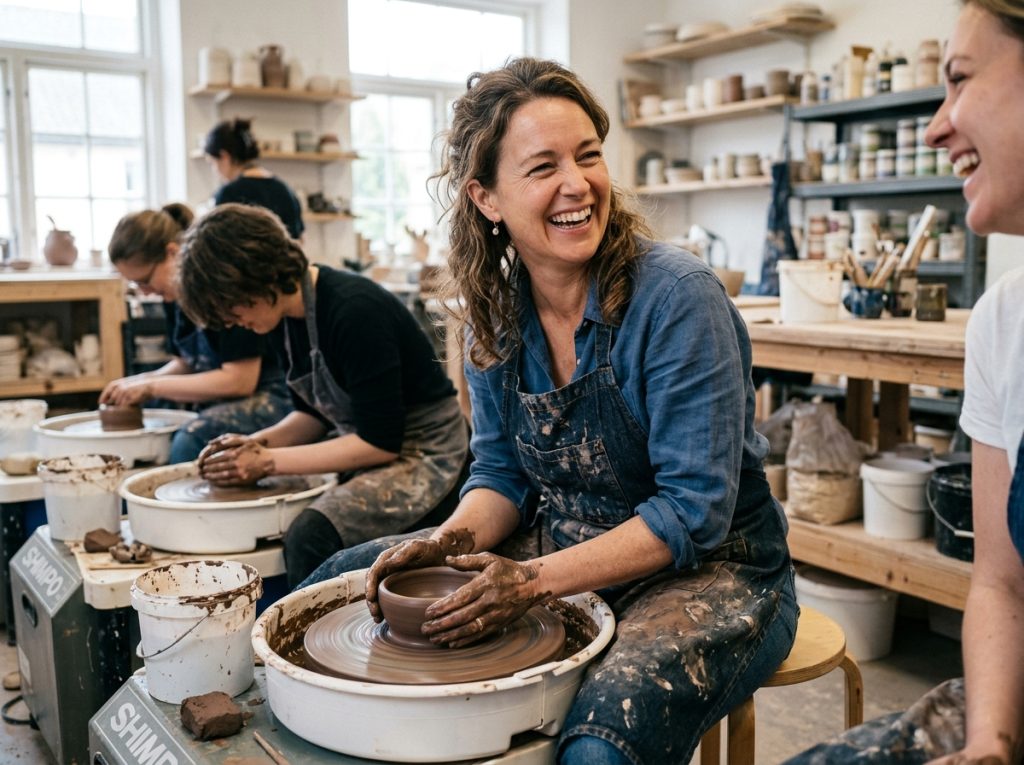
Book the thing she keeps researching but won’t book for herself. Scroll her browser tabs or listen to what she brings up more than once. The pottery class. The Pilates studio she asked about. The hotel two hours away she’s mentioned three times. Experience gifts score highest in relationship-strengthening studies — not because they’re experiences, but because you paid attention.
A day off — engineered, not declared. Don’t just “give her the day.” Take the kids somewhere. Arrange coverage. Stock the fridge. Handle the logistics so she doesn’t have to manage the day off she’s supposedly getting. The survey data is unambiguous: what she wants is relief, not permission.

A shared experience you plan entirely. A hike she’s wanted to do. Tickets to something she loves that you’d normally negotiate against. The key word: you plan it. Entirely. Date, time, transport, reservations, childcare. She shows up. That’s the gift.
Personal and sentimental
The letter you’ve never written. Specific. Not “thank you for everything.” Three to five specific memories. What they meant to you. What you see in her that she probably doesn’t see in herself. Research shows recipients consistently underestimate how much a handwritten, specific letter will mean to them. You’ll probably underestimate it too. Write it anyway.
A photo book done right. Not an Instagram dump. A curated collection organized around a theme — a year, a relationship, a trip. Mixbook, Chatbooks, Artifact Uprising. Budget two hours for curation. She’ll look at it every year. The time you spent assembling it communicates something the price tag cannot.

A project you finish for her. The photos that have been in shoeboxes for a decade. The framed art that’s been leaning against the wall. The garden bed she mentioned wanting. Not a gift card toward it. The actual finished thing, done.
Physical gifts (do these well or not at all)
The specific book she’s been meaning to read. Not a bestseller. Her specific interest. Ask her friends. Check her phone notes app if you have access — half of everyone has a book list in there. Include a handwritten note on the first page about why you got it for her specifically.
Something she uses daily, upgraded. The coffee grinder for someone who cares about coffee. The running shoes she’s had since 2019. The cashmere she won’t buy herself because it feels excessive. Functional gifts score higher with recipients than givers expect. The Yale research is explicit: receivers value feasibility.
A subscription to something she’d actually use. Not a box of random wellness products. A specific service that reduces friction in her life: grocery delivery, a streaming service with a show she’s been following, a magazine tied to her actual interests. The bar is: would she pay for this herself if money were no object?
Her favorite flowers, bought from a florist who knows what they’re doing. Not a $35 grocery bouquet. Her specific flowers — the ones she points out in other people’s gardens, or mentions. If you don’t know, ask someone who does. The specificity transforms the thing.
The things that kill an otherwise good gift
You can pick the right thing and still lose it on execution. A few patterns that erase effort:
- The same-day scramble. She knows. They always know. The frantic energy of a last-minute decision communicates something, regardless of what the gift is.
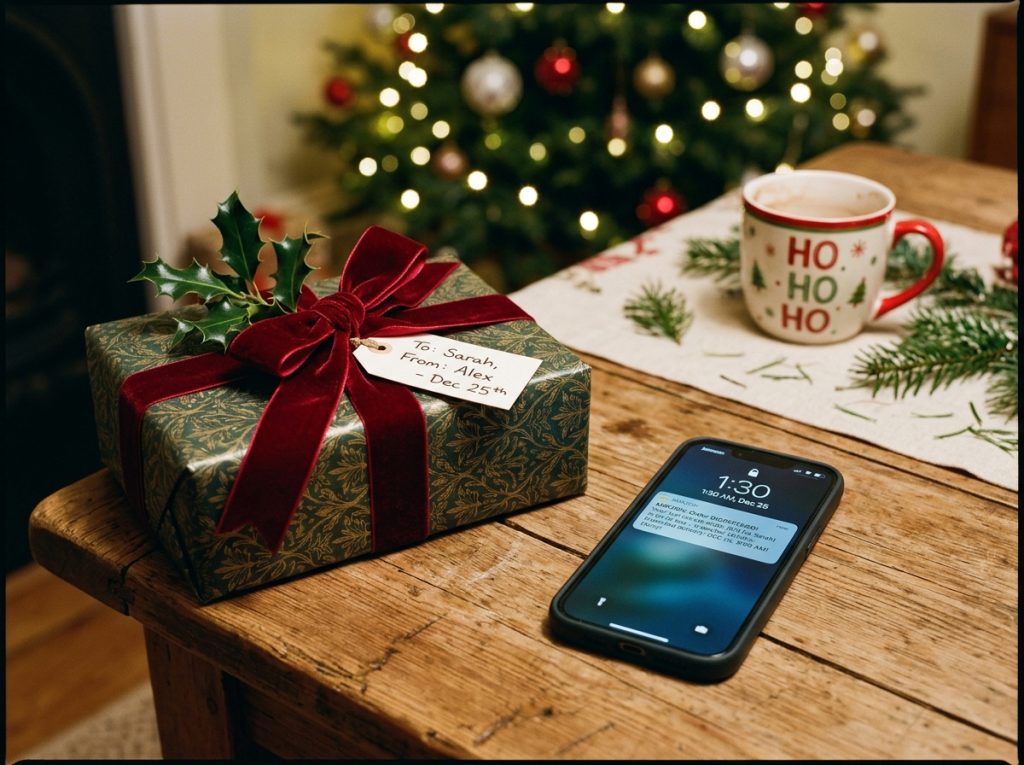
- The “group contribution” where you contributed $15 and took credit for the whole thing. Get your own gift. Or go in together explicitly, proportionally, and honestly.
- The gift that’s really for you. The sports tickets to a team you like, packaged as “something we can do together.” She’s not fooled.
- The experience gift with no logistics. “I’m taking you to dinner sometime” is not a gift. A reservation is a gift. The calendar event is the gift.
- Asking her what she wants and then ignoring the answer. She told you. She actually told you. Use it.
If your budget is genuinely small
Budget and thoughtfulness are unrelated variables. The data supports this hard.
The Empower study found most parents consider around $100 “more than adequate.” But the same survey found that what moms actually valued most — quality time, something handmade, presence — costs nothing.
Under $20 ideas that can still land hard:
- A handwritten letter, specific and honest, with real memories in it
- Cooking her actual favorite meal — not what you can make, what she loves — from scratch
- Taking over every household task for a full day without being asked, thanked, or reminded
- Printing and framing a photo you both love, with a note about why you chose that one specifically
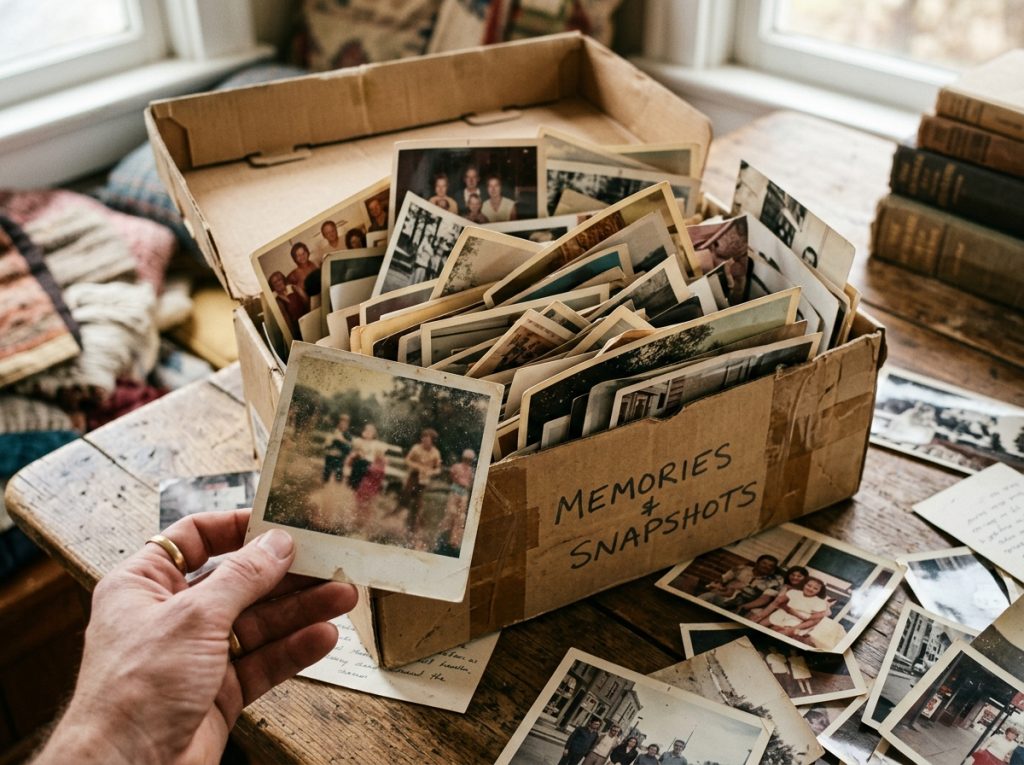
None of those require money. All of them require paying attention. That’s the whole game.
A note on the moms who are hard to shop for
Some women are genuinely private about what they want. Some have complex relationships with the holiday. Some have lost their own mothers and find the day disorienting. Some are estranged. Some are grieving.
For them, the rule shifts. The ask becomes simpler: presence over performance.
You don’t have to get it perfect. You have to show up. A phone call that lasts longer than obligation. A visit that wasn’t required. The small evidence that you were thinking of her when you didn’t have to be.
Anna Jarvis, who founded Mother’s Day in 1908 in Grafton, West Virginia, spent the rest of her life fighting to have it abolished once it became commercial. She died in 1948, alone, in a sanitarium, with her bills paid anonymously by the greeting card and floral industries she’d spent decades attacking. The holiday she created to honor her own mother had been turned into exactly what she was afraid of: an exercise in consumption dressed up as love.
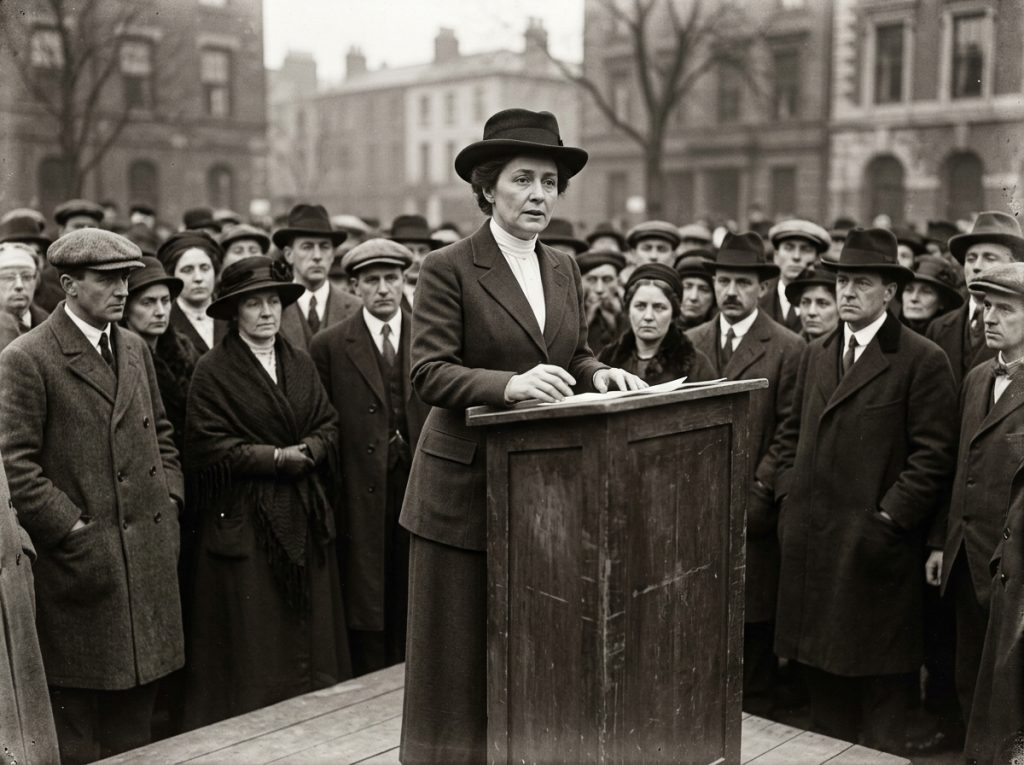
She wasn’t wrong about the tendency. She was just too late.
The best Mother’s Day gift isn’t the one that photographs well or arrives in the nicest box. It’s the one that tells her what you actually see when you look at her — not the role, not the function, but the person. That requires nothing except attention. And attention is something most people have. They’re just spending it somewhere else.
Don’t be that person this year.
Citations
- National Retail Federation & Prosper Insights & Analytics. “Mother’s Day Spending Expected to Reach $34.1 Billion.” NRF Press Release, April 2025.
- Empower. “Mother’s and Father’s Day Spending Survey.” Survey of 1,000 U.S. adults, 2024.
- TopCashback survey, cited in NBC News Better, May 2018: “Surveys say this is what your mom wants for Mother’s Day.”
- Peanut app survey on Mother’s Day preferences, cited in NBC News Better, May 2018.
- Baskin, E., Wakslak, C., Trope, Y., & Novemsky, N. “How Feasibility and Desirability Considerations Affect Identification of a Target Gift.” Journal of Consumer Research, 2014.
- Gino, F., & Flynn, F. “Give Them What They Want: The Benefits of Explicitness in Gift Exchange.” Journal of Experimental Social Psychology, 47(5), 2011.
- Givi, J., & Galak, J. “Sentimental value and gift giving: Givers’ fears of getting it wrong prevents them from getting it right.” Journal of Consumer Psychology, 27(4), 2017.
- Chan, C., & Mogilner, C. “Experiential Gifts Foster Stronger Social Relationships than Material Gifts.” Journal of Consumer Research, 43(6), 2016.
- Mixbook. “Mothers Day 2024: What Moms Really Want.” Survey of 3,000 mothers, April 2024.
- Spiegel Research Center, Northwestern Medill. “What Moms (and Shoppers) Want in 2025.” Based on Prosper Insights & Analytics data, n=7,948, April 2025.