
Why Your Hair Deserves Better Than Just Looking Good
Let me guess—you’ve scrolled past another girl with that impossibly shiny, thick hair cascading down her back, and you thought “how is that even real?” Yeah, I’ve been there too.
Here’s the thing about the healthy hair aesthetic that nobody really talks about: it’s not actually about having perfect hair. It’s about having hair that looks like it’s living its best life. And honestly? That’s way more achievable than you think.

What Even Is the Healthy Hair Aesthetic?
The healthy hair aesthetic isn’t just another Pinterest trend that’ll disappear faster than your New Year’s resolutions. It’s basically the anti-filter movement for hair. Think less “Instagram perfection” and more “my hair actually feels amazing when I run my fingers through it.”
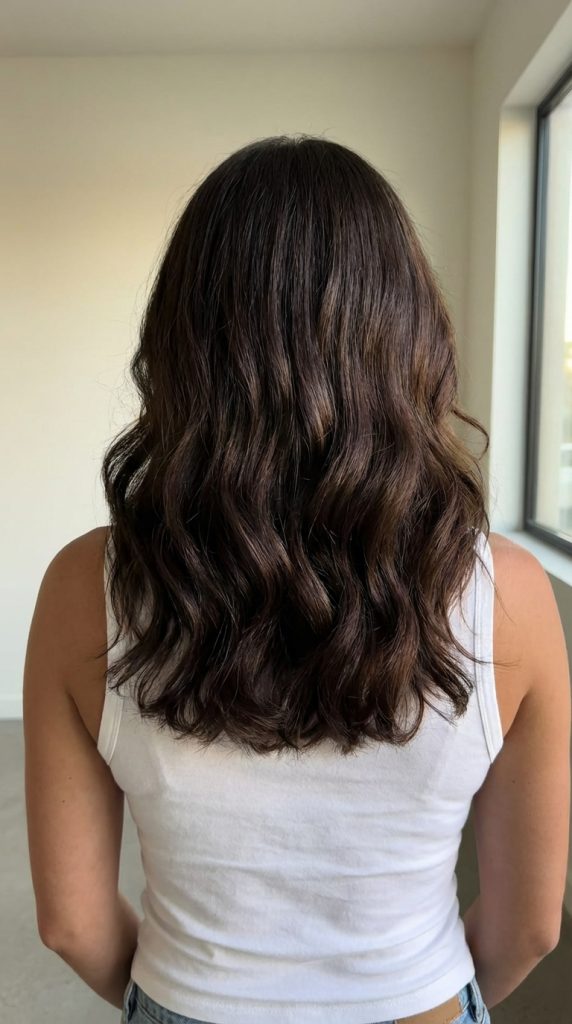
You know that girl who always seems to have bouncy, shiny hair without looking like she spent three hours with a straightener? That’s the vibe. It’s hair that looks nourished, moves naturally, and doesn’t need a million products to look decent. It’s the kind of hair that makes people ask “what do you use?” instead of “where did you get your extensions?”
The aesthetic celebrates thickness, shine, movement, and most importantly—hair that actually looks healthy at the root level, not just styled to look healthy.
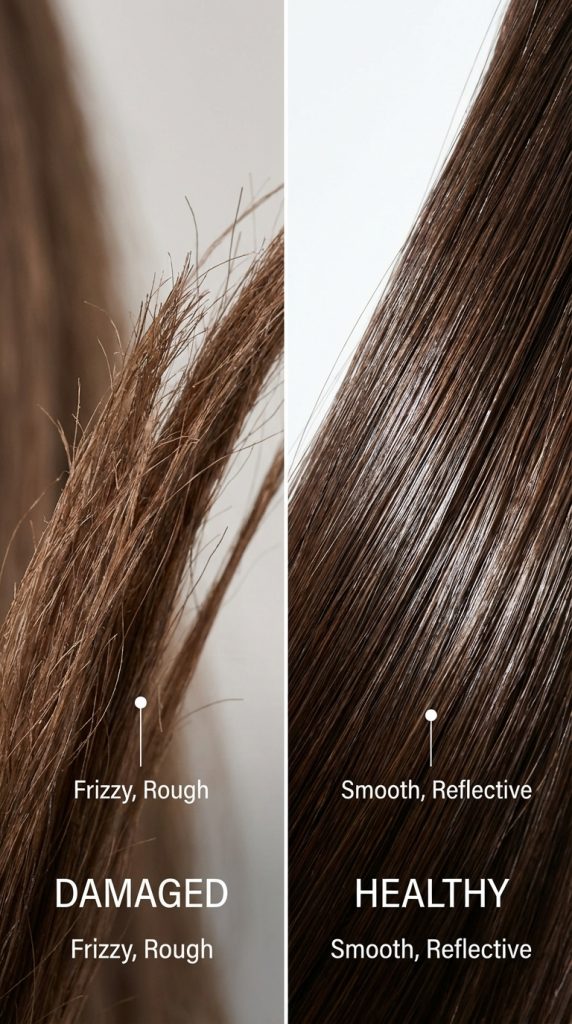
Why Your Hair Probably Isn’t as Healthy as It Could Be
Look, I’m not here to judge your heat styling addiction or your box dye experiments. But let’s be real about what’s actually sabotaging your hair health.
The usual suspects:
Your shower water might be working against you. Hard water deposits minerals on your hair shaft, making it dull and brittle over time. If you’ve ever wondered why your hair felt amazing at a hotel but terrible at home, that’s probably why. Studies show that hard water can decrease hair strength by up to 30% due to mineral buildup.
Heat damage is the silent killer. Every time you blast your hair with 450-degree heat, you’re literally boiling the water inside your hair shaft. The cuticle lifts, moisture escapes, and you’re left with that straw-like texture nobody wants. Research indicates that regular heat styling above 365°F can cause significant protein degradation in hair fibers.
Over-washing strips your natural oils. Your scalp produces sebum for a reason—it’s nature’s conditioner. When you wash every single day, you’re telling your scalp to go into overdrive, which creates a vicious cycle of greasiness and over-washing.
Chemical treatments are basically controlled damage. Bleach, permanent color, relaxers, perms—they all work by breaking down your hair’s structure. That doesn’t mean you can’t do them (in fact, if you’re curious about blonde hair color shades, there are ways to do it healthier), but pretending they’re not damaging is like eating donuts and calling them health food.
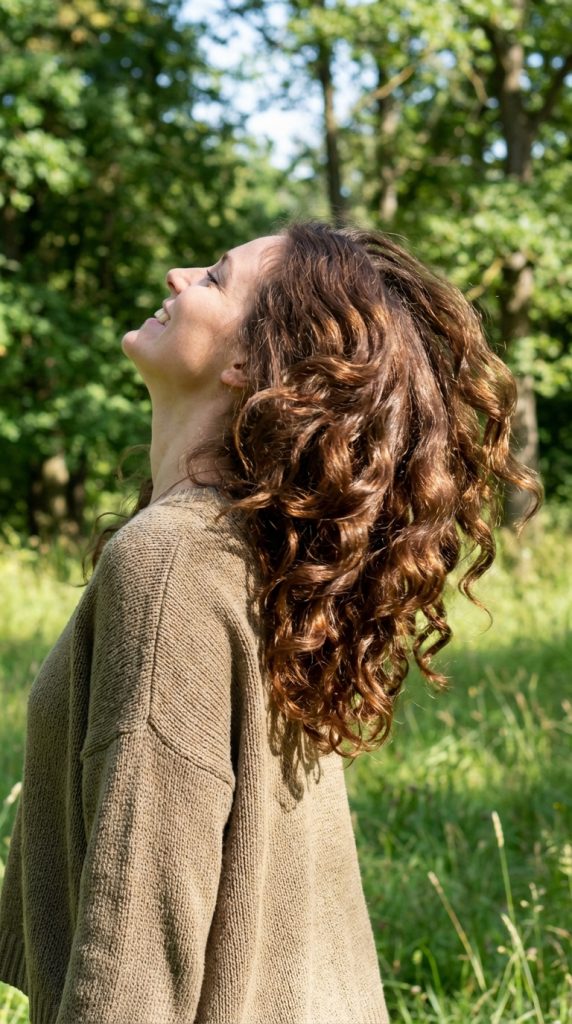
The Foundation: What Actually Makes Hair Look Healthy
Shiny hair reflects light better, period. When your cuticle lies flat, light bounces off evenly, creating that glossy finish you see in shampoo commercials. When it’s damaged and raised, light scatters and your hair looks dull.

Thickness and density matter, but not how you think. You can’t change the number of hair follicles you have, but you can maximize what you’re working with by preventing breakage and maintaining length retention.
Natural movement is underrated. Healthy hair has elasticity—it bounces back when you stretch it. Damaged hair snaps. This elasticity comes from intact protein bonds within the cortex.
Moisture retention is everything. Hair is hygroscopic, meaning it absorbs and releases moisture from the environment. Healthy hair maintains optimal moisture levels (around 10-13% water content) without becoming frizzy or brittle.
Building Your Healthy Hair Routine (Without Buying Everything on TikTok)
The Washing Situation
First, figure out your actual wash frequency. Contrary to popular belief, there’s no magic number. Some people can go a week between washes; others need to wash every other day. Your hair type, lifestyle, and scalp condition determine this—not some influencer’s routine.
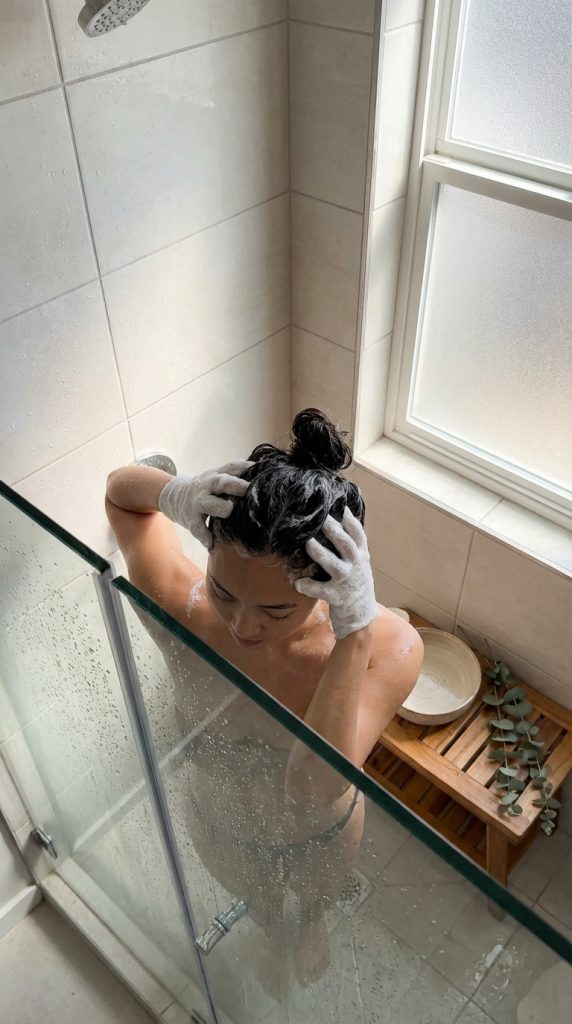
When you do wash, focus the shampoo on your scalp. That’s where the oil and buildup lives. The length of your hair will get clean enough from the runoff. And please, stop piling all your hair on top of your head and scrubbing like you’re doing laundry. Friction causes tangles and damage.
Water temperature matters more than you think. Hot water opens the cuticle, which is great for cleansing but terrible for moisture retention. Lukewarm water is your friend. If you’re brave, that final cold rinse everyone talks about actually does help seal the cuticle and add shine.
Conditioning Like You Mean It
Your conditioner should go on the mid-lengths to ends—basically anywhere that doesn’t touch your scalp. Leave it on for at least two minutes. Your hair needs time to absorb the beneficial ingredients. Those “rinse immediately” instructions are lying to you.
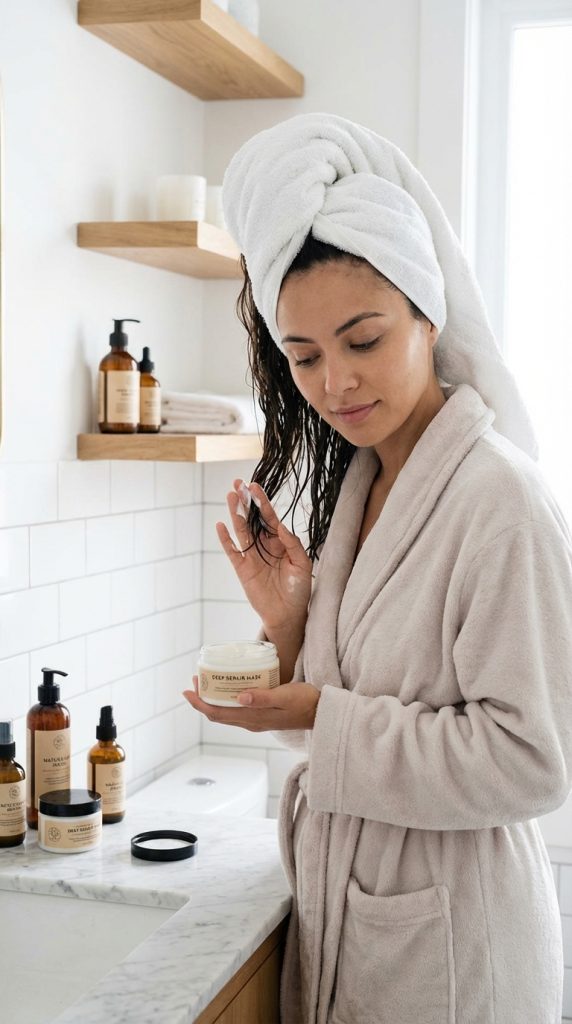
Deep conditioning once a week is non-negotiable if you want the healthy hair aesthetic. Heat caps, shower caps, or even a warm towel help the treatment penetrate better. The heat temporarily lifts the cuticle, allowing deeper moisture absorption.
The Drying Process
Here’s where most people mess up. Rubbing your hair with a towel creates friction and breakage. Pat or squeeze gently, or better yet, use a microfiber towel or old t-shirt. The smoother surface causes less damage.
Air drying is ideal, but if you’re blow-drying, use a heat protectant (actually use it, don’t just own it), keep the dryer moving, and maintain at least six inches distance. The rough-dry method—getting hair about 80% dry with your hands and minimal heat—preserves more moisture than fully blow-drying.
The Products That Actually Matter
You don’t need 47 products. You need the right products for your specific hair concerns.
A gentle shampoo without sulfates that strip everything. Look for cleansers that remove buildup without leaving your hair squeaky clean (that squeaky feeling is actually damaged cuticle, not cleanliness).
A rich conditioner with ingredients like behentrimonium methosulfate, cetyl alcohol, or natural oils. Ignore the “silicone-free” hysteria—some silicones actually protect your hair from damage.
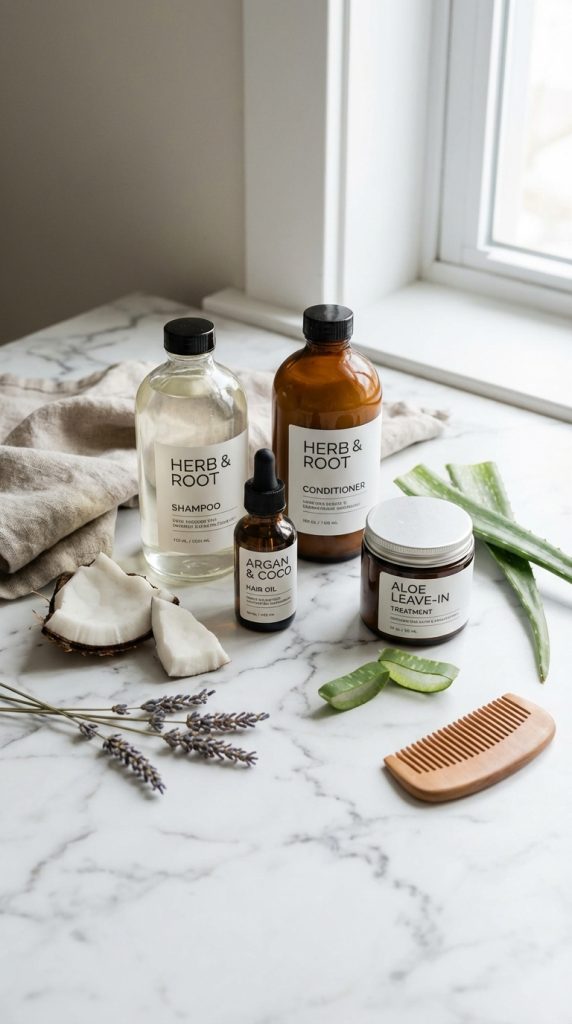
A leave-in treatment for extra moisture and protection. This is especially crucial if you have curly, coarse, or color-treated hair.
Heat protectant if you use any hot tools. Period. This isn’t optional. Studies show that proper heat protectants can reduce protein loss during heat styling by up to 50%.
Hair oil for sealing in moisture, not as a treatment. Oils don’t penetrate deeply (except coconut and olive oil to some extent), but they do create a protective barrier.
What You’re Eating Actually Matters
Your hair is made of protein, specifically keratin. If you’re not getting enough protein in your diet, your body prioritizes vital organs over your hair. Makes sense, right?
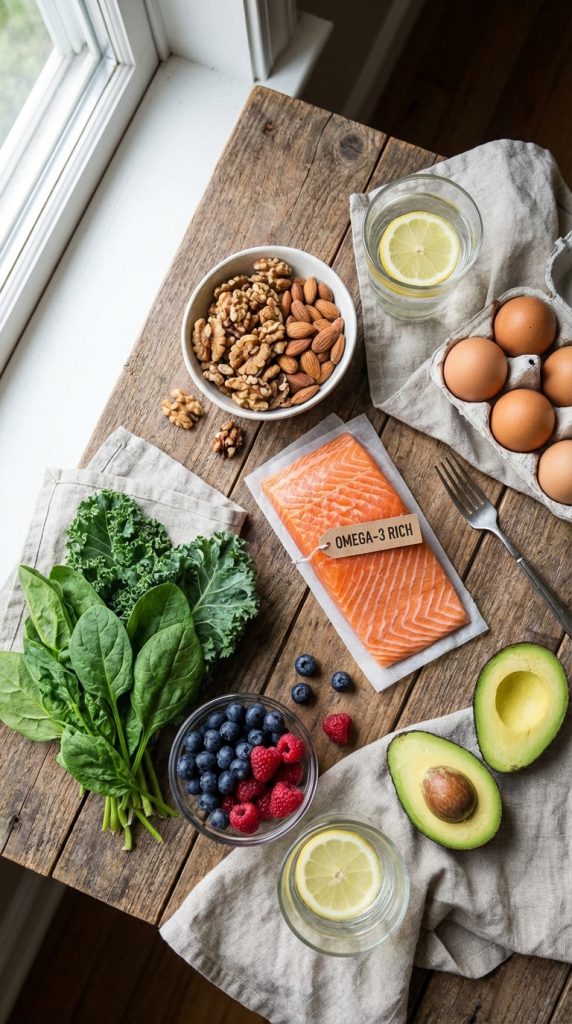
Biotin gets all the hype, but iron deficiency is actually a more common cause of hair problems. Low iron can trigger excessive shedding and slow growth. Before you buy supplements, get your levels checked—too much of certain nutrients can be just as problematic as too little.
Omega-3 fatty acids support scalp health and reduce inflammation. Think fatty fish, walnuts, flaxseeds. Your hair follicles will thank you.
Water intake affects everything, including hair hydration. Dehydration makes hair brittle and prone to breakage. The “eight glasses a day” rule is oversimplified, but staying adequately hydrated is basic hair care. And if you’re looking for overall wellness practices that support healthy hair from within, raising your vibration frequency through meditation and mindfulness can actually reduce stress-related hair issues.
The Styling Approach That Won’t Wreck Your Progress
Embrace your natural texture sometimes. The healthy hair aesthetic isn’t about perfect beachy waves every day—it’s about hair that looks good in its natural state too.
When you do heat style, use the lowest effective temperature. Most hair doesn’t need 450°F. Fine hair can often be styled at 300-350°F, medium hair at 350-380°F, and coarse hair at 380-410°F.
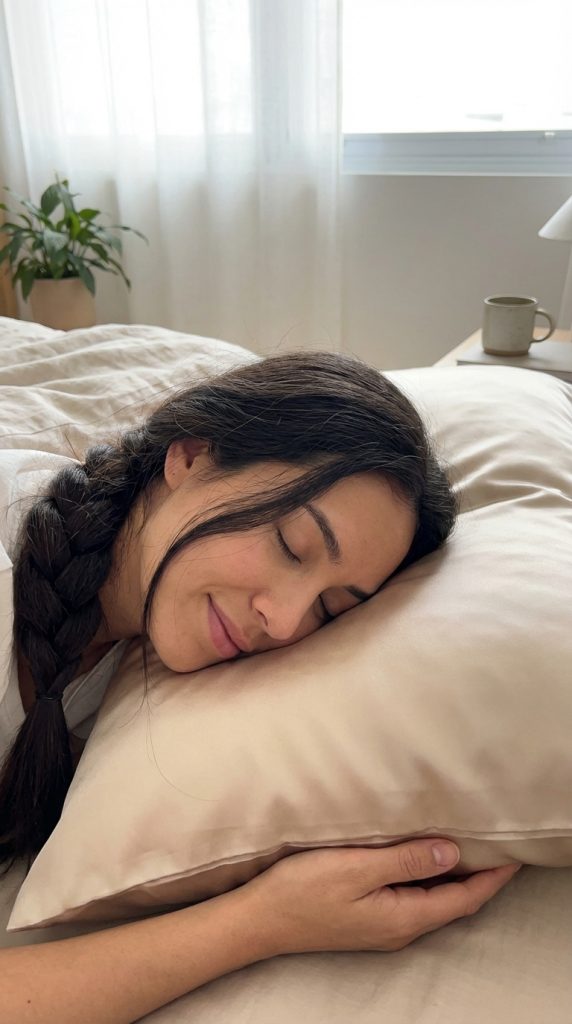
Protective styles aren’t just for certain hair types. Braids, buns, and updos reduce manipulation and environmental damage for everyone. Just don’t make them so tight you’re giving yourself a headache—tension alopecia is real. If you’re looking for date night inspiration that still protects your hair, check out these dreamy romantic hairstyles that balance beauty with hair health.
Silk or satin pillowcases reduce friction while you sleep. Cotton absorbs moisture and creates tangles. This one swap can dramatically reduce breakage over time.
The Growth Factor Nobody Wants to Hear About
Patience. Sorry, but it’s true.
Hair grows an average of half an inch per month. You can’t speed that up significantly, no matter what supplement companies claim. What you can do is prevent breakage so you actually retain the length you’re growing. If you’re into manifestation practices, you might find how to manifest hair growth interesting—while mindset alone won’t change biology, reducing stress and maintaining positive intentions about your hair journey can help you stay consistent with healthy habits.
Trimming doesn’t make hair grow faster, but it does prevent splits from traveling up the shaft and causing more damage. Small, regular trims (every 8-12 weeks) maintain health better than ignoring your ends for a year and then cutting off six inches.
The Scalp Thing Everyone Ignores
Your scalp is skin. Treat it accordingly.
Buildup from products, hard water, and excess oil can clog follicles and create an unhealthy environment for growth. Monthly clarifying treatments (or scalp scrubs) remove this buildup.
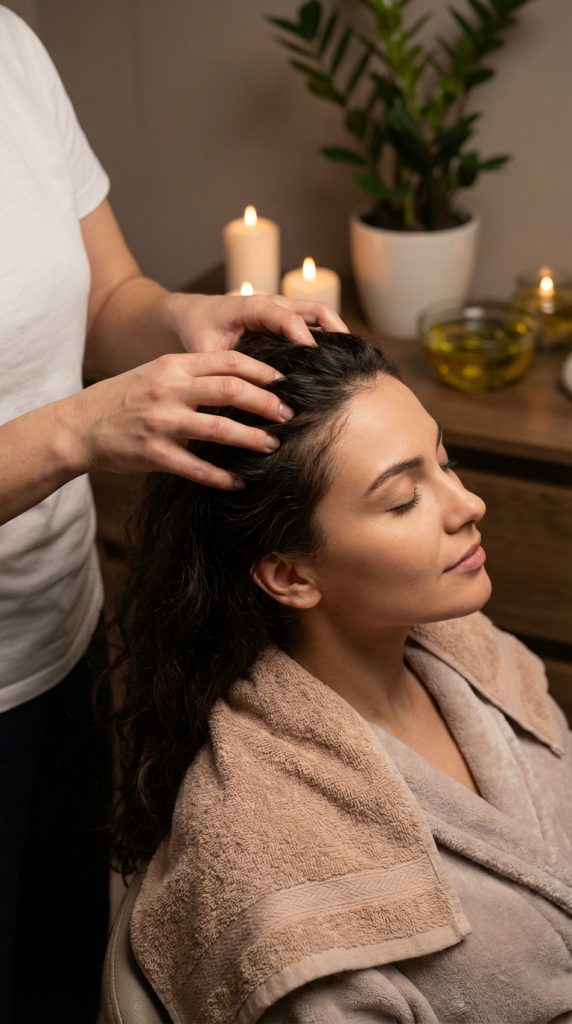
Scalp massage increases blood flow to follicles, which may support healthier growth. Even just five minutes while you’re conditioning can make a difference. Research suggests that regular scalp massage can lead to increased hair thickness over time.
When to Actually See a Professional
If you’re experiencing sudden hair loss, bald patches, or significant texture changes, that’s not a DIY situation. Hormonal imbalances, autoimmune conditions, and nutritional deficiencies all manifest in hair changes.
A good stylist can assess your hair’s porosity, density, and damage level better than you can. They can recommend treatments and techniques specific to your hair’s actual needs, not what worked for someone else on Pinterest.
The Real Secret
The healthy hair aesthetic isn’t about having perfect hair. It’s about having hair that’s actually healthy—and you can tell the difference.
It’s about the way it moves, the way it feels, the way it holds color and style better because the foundation is strong. It’s about not being terrified of humidity or wind. It’s about running your fingers through your hair and feeling good about it.
You don’t need expensive treatments or rare ingredients. You need consistency, patience, and a willingness to actually take care of your hair instead of just styling it. And if you’re exploring men’s styles too, medium-length hairstyles for men can absolutely embody this same healthy hair philosophy.
The aesthetic is achievable because it’s not about genetics or money—it’s about giving your hair what it actually needs to thrive. And honestly? That’s way more satisfying than any quick fix could ever be.
Start where you are. Make one change this week. Maybe it’s switching your pillowcase or turning down your flat iron temperature. Small, consistent actions compound over time.
Your future hair will thank you.
References
-
Sinclair, R. D. (2007). Healthy hair: what is it? Journal of Investigative Dermatology Symposium Proceedings, 12(2), 2-5.
-
Robbins, C. R. (2012). Chemical and Physical Behavior of Human Hair (5th ed.). Springer.
-
McMichael, A. J., & Hordinsky, M. K. (2008). Hair and Scalp Diseases: Medical, Surgical, and Cosmetic Treatments. Informa Healthcare.
-
Trost, L. B., Bergfeld, W. F., & Calogeras, E. (2006). The diagnosis and treatment of iron deficiency and its potential relationship to hair loss. Journal of the American Academy of Dermatology, 54(5), 824-844.
-
Draelos, Z. D. (2010). Essentials of hair care often neglected: Hair cleansing. International Journal of Trichology, 2(1), 24-29.
-
Koyama, T., et al. (2016). Standardized scalp massage results in increased hair thickness by inducing stretching forces to dermal papilla cells. Eplasty, 16, e8.
-
Rele, A. S., & Mohile, R. B. (2003). Effect of mineral oil, sunflower oil, and coconut oil on prevention of hair damage. Journal of Cosmetic Science, 54(2), 175-192.
-
Lee, Y., et al. (2011). Hair shaft damage from heat and drying time of hair dryer. Annals of Dermatology, 23(4), 455-462.