
Picture this. You are half asleep, doom-scrolling on Instagram, when a look snaps you awake. The model has a shoe on her head, a dress that seems to drip like candle wax, and a tiny bag shaped like a seashell. It feels wrong and right at the same time. It is confusing, a bit eerie, and yet for some reason it is impossible to swipe past.
Underneath that quick double-tap is a quiet thought many people share. For years, clothes might have felt like a rulebook. No mixed prints. No weird shapes. No “too much.” Then one day a look like this appears and shows that fashion can be art, protest, meme, and diary entry all at once. If anyone has ever wondered what is surrealism in fashion, this kind of outfit is the clearest clue.
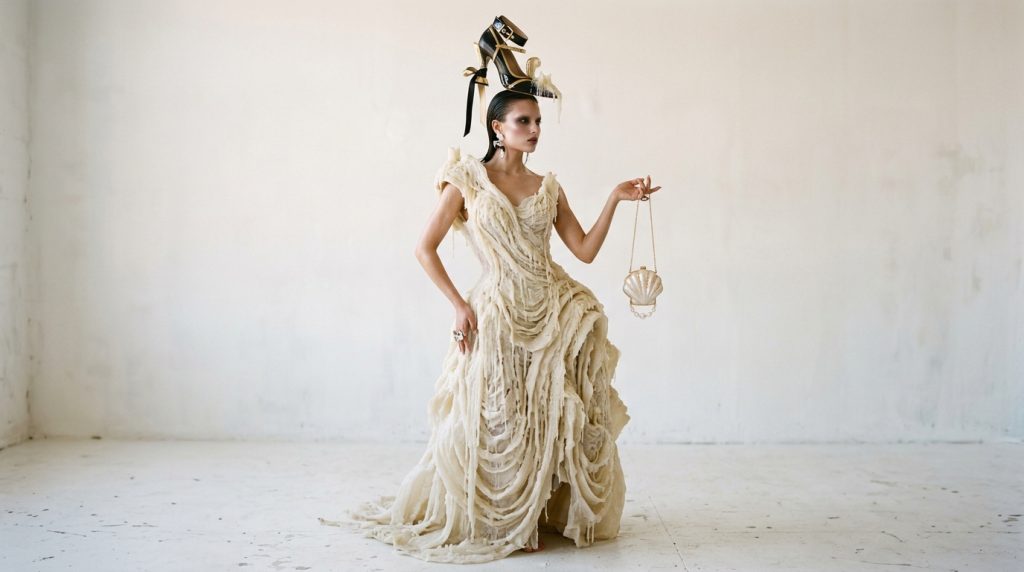
Surrealism in fashion is about making the impossible look wearable. Dreams, symbols, and wild visual tricks land on fabric and walk down a runway, or even down a high school hallway. It started as a radical art movement in the 1920s and now powers some of the most reposted runway clips on social feeds. This digital-native surrealism extends naturally into virtual spaces where Sims 4 fashion styles allow for impossible silhouettes and dreamlike combinations that transcend physical fabric constraints. By the end of this article, that weird lobster dress or those pixel-glitch heels will make sense, and it will feel easier to borrow a little of that magic for everyday outfits too.
(Cf. André Breton, Manifesto of Surrealism; MoMA, Surrealist art collection notes)
What Exactly Is Surrealism In Fashion?
Surrealism in fashion is a style where clothes stop being just “something to wear” and start acting like visual dreams. Instead of safe shapes and basic prints, this style uses optical tricks, strange proportions, and bold symbols to mess with how the eye reads the body. A look might be pretty and disturbing at the same time, which is exactly the point.
The idea comes from the Surrealist art movement of the 1920s, led by writer André Breton and artists like Salvador Dalí and René Magritte. They were influenced by Sigmund Freud and his focus on the unconscious mind and by big political ideas that questioned normal life. For them, art should mix waking life with dream logic and reveal a deeper, less filtered truth. Breton called this a kind of super-reality, where dream and reality fuse into something sharper and stranger than both.
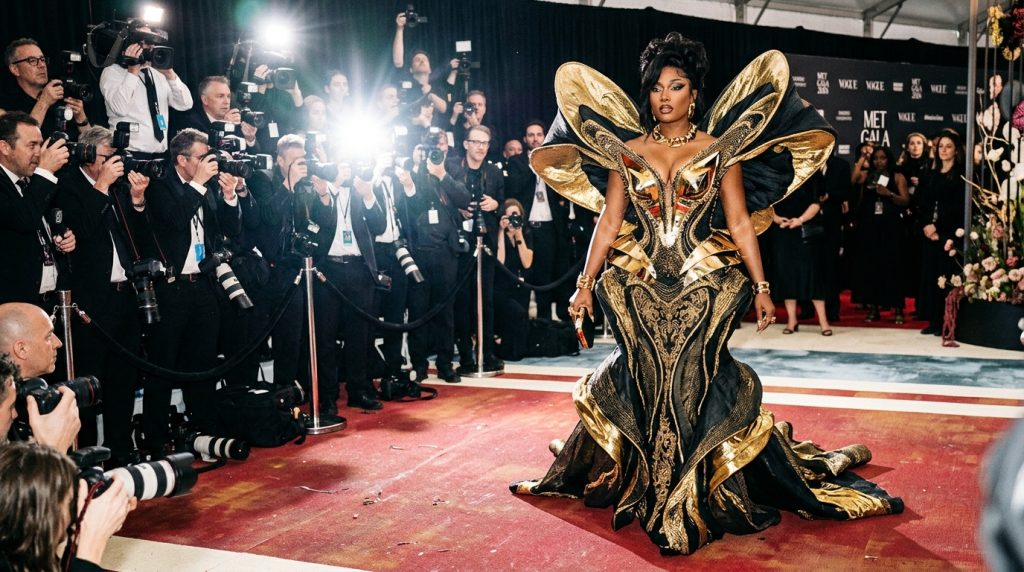
Fashion picked up this mindset and moved it onto the body. A hat stops being a simple accessory and might turn into an upside-down high heel. A silk gown can carry a giant lobster near the hips. A sleek black dress can have padded bones stitched into it so a skeleton seems to push through the fabric. These choices are not random; many pieces hide jokes, fears, or comments on topics like sexuality, control, or fame.
So when someone asks what is surrealism in fashion, the answer is not just “clothes that look weird.” It is clothing that feels like a dream scene you can actually wear, built from illusions, symbols, and stories pulled from the parts of the brain that do not follow normal rules. It sits apart from other avant-garde styles because the dream logic and symbolism matter as much as the shape. For a wearable entry point into this bold aesthetic, try styling colorful scarves as statement pieces that disrupt conventional proportions with unexpected color and movement.
(See Breton, Manifesto of Surrealism; Oxford Art Online, entry on Surrealism)
The Fascinating Origin Story – How Surrealism Crashed The Fashion Party
Long before surrealist TikTok edits, one woman in 1930s Paris treated clothes like moving art. Elsa Schiaparelli was the designer who first brought Surrealist ideas into fashion houses. She saw no line between painting and dressmaking, and she was friends with the artists who were changing museums at the time.
“In difficult times fashion is always outrageous.” — Elsa Schiaparelli
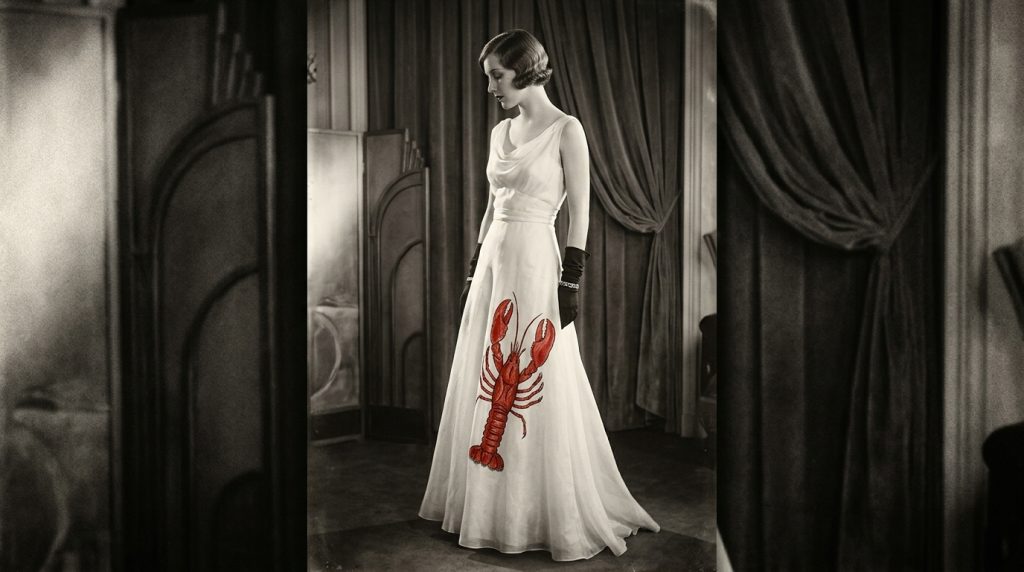
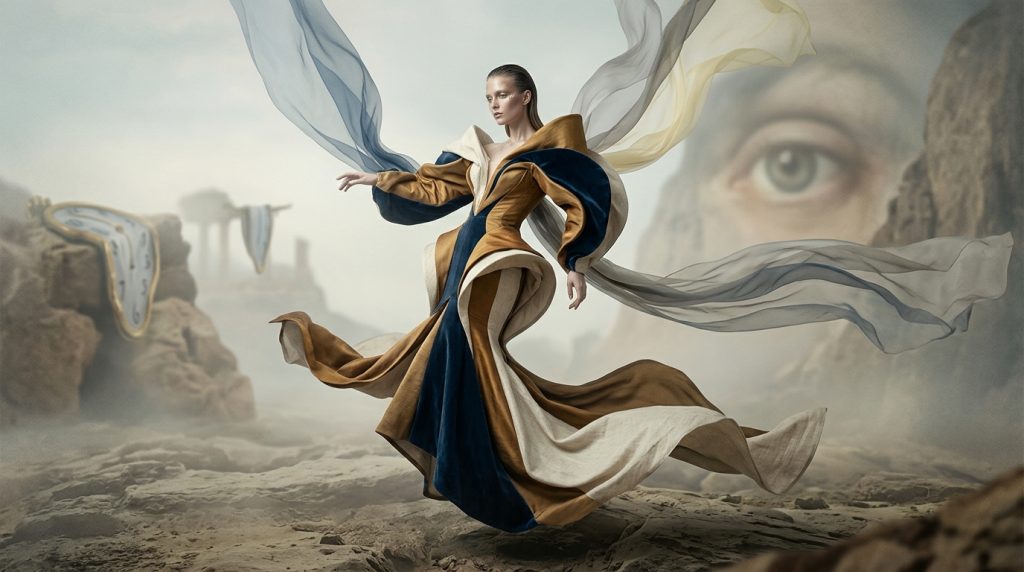
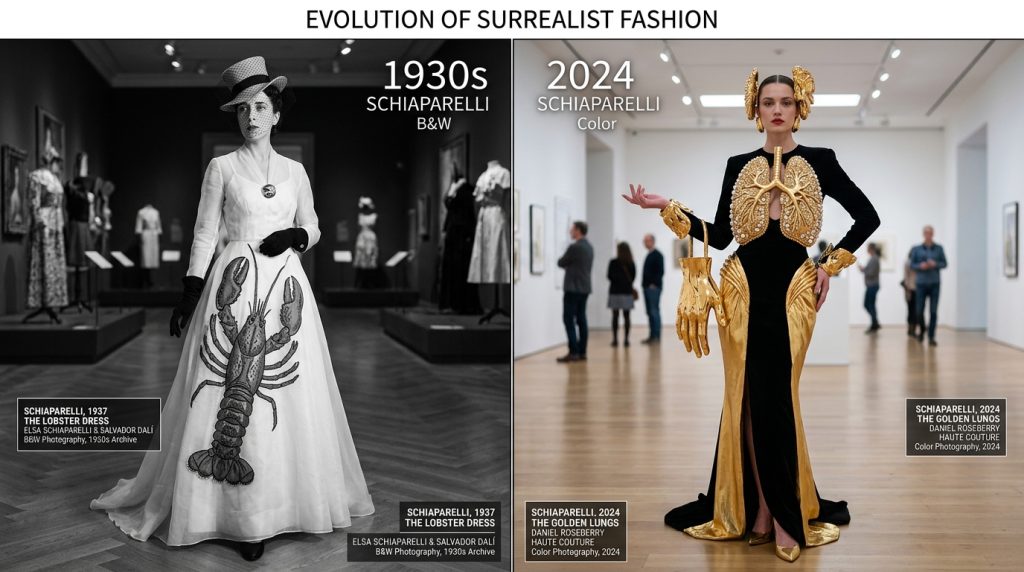
Her most famous partner was Salvador Dalí, the painter known for melting clocks and wild symbolism. Together they created some of the most talked-about garments of the twentieth century. One of the most iconic was the Lobster Dress from 1937, a slim white silk gown with a bright red waistband and a huge lobster painted by Dalí across the skirt near the crotch. The lobster had sexual meaning in his artwork, so this placement was loud on purpose. When Wallis Simpson wore it in a Vogue shoot right before her marriage to Edward VIII, the image fused royal gossip with Surrealist shock.
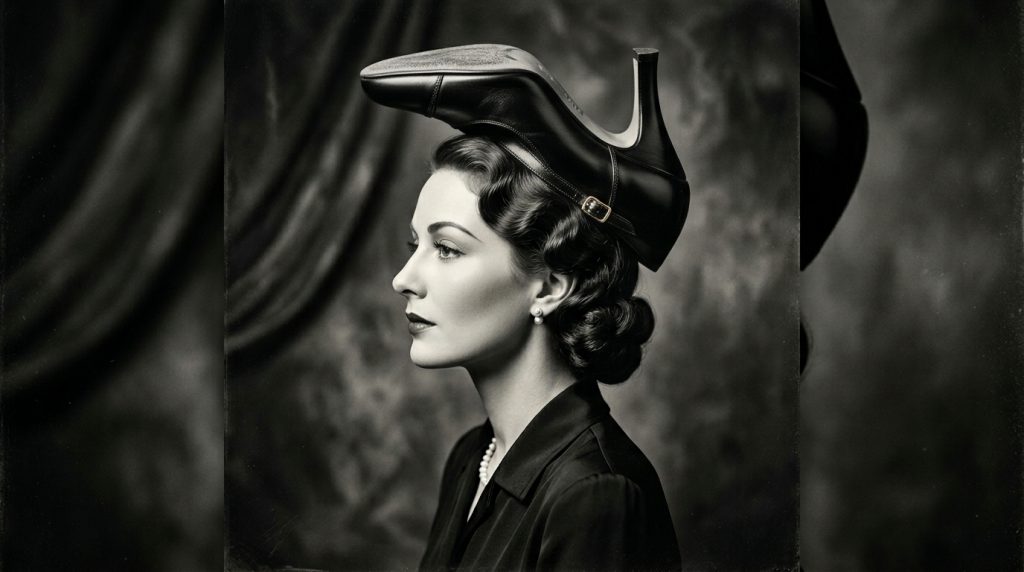
Another unforgettable piece was the Shoe Hat. Instead of a normal cap, Schiaparelli designed a hat shaped like a high-heeled pump, worn upside down so the heel stuck up from the wearer’s head. It looked silly and smart at the same time, and it showed the Surrealist trick of moving an object into the wrong place so the brain has to catch up. The Skeleton Dress, a black gown quilted so ribs, spine, and hip bones bulged out, played with beauty and death in one glance. This haunting interplay of elegance and mortality finds parallel expression in the gothic artistry of dark feminine back tattoo designs, where the body becomes a canvas for surrealist symbolism. The Tears Dress printed the illusion of ripped flesh with pink “wounds” appliquéd onto a veil, mixing glamour with horror. This fusion of glamour and horror finds its modern counterpart in the edgy aesthetics of the vampire haircut trend.
Dalí’s own objects, like his famous Lobster Telephone, fed directly into these fashion experiments. Everyday things turned into strange symbols, then slid onto gowns, hats, and veils.
Decades later, designers kept that spirit alive but also stirred debate. In 1997, Alexander McQueen’s collection La Poupée put a model in a metal body brace that restricted her movement so she walked like a controlled doll, echoing artist Hans Bellmer’s unsettling female mannequins. Some saw it as a harsh comment on how women are controlled; others saw only another bound female body. In 2019, Thom Browne showed models with masked faces, bound arms, and shaking legs in towering shoes. Critics like Robin Givhan and Vanessa Friedman wrote that the women looked taken hostage on the runway.
From Schiaparelli and Dalí’s clever, shocking couture to these later runways, surrealism in fashion has shifted from pure provocation toward a tool that can question power, tell personal stories, and make people look twice at what clothing can say.
The Signature Elements – How To Spot Surrealism On The Runway (Or The Street)
Once a person knows the signs, surrealist fashion is easy to spot. Think of this as a cheat sheet for those “what did I just see” looks at fashion week, on red carpets, or even at the mall.
-
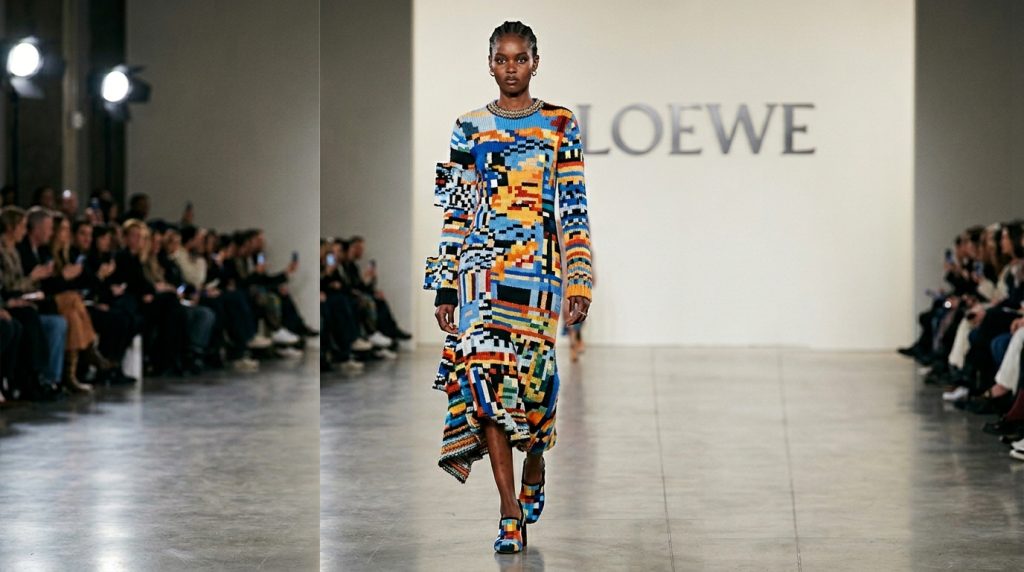
Optical illusions and trompe-l’œil tricks show up in prints or construction that fool the eye. A dress might look torn open even though the fabric is smooth, the way Schiaparelli’s Tears Dress did. Jonathan Anderson at Loewe has sent out knits that look pixelated and flat, like low-res screenshots, even though they are soft and stretchy in real life.
-
Exaggerated silhouettes twist the body’s outline into something new. Massive puff sleeves, cartoon-big hips, or super-long shoulders can turn a person into a moving sculpture. Instead of hiding the shape, these pieces call attention to it and ask the viewer to rethink what a “good” proportion even is.
-
Bizarre juxtapositions and displacement move everyday items into strange roles. A heel might be shaped like a cracked egg, or a handbag might look exactly like a pigeon. Schiaparelli’s Shoe Hat took a pump from the floor to the head, and newer collections have used balloon shapes or bars of soap as heel forms that look both funny and stylish.
-
Dreamlike and symbolic imagery pulls straight from the subconscious. Floating eyes on a sweater, ghostly hands printed along sleeves, or cloud shapes drifting across pants all feel like scenes from sleep. These images are not just decorations, since they can hint at ideas like being watched, feeling disembodied, or wanting to escape.
-
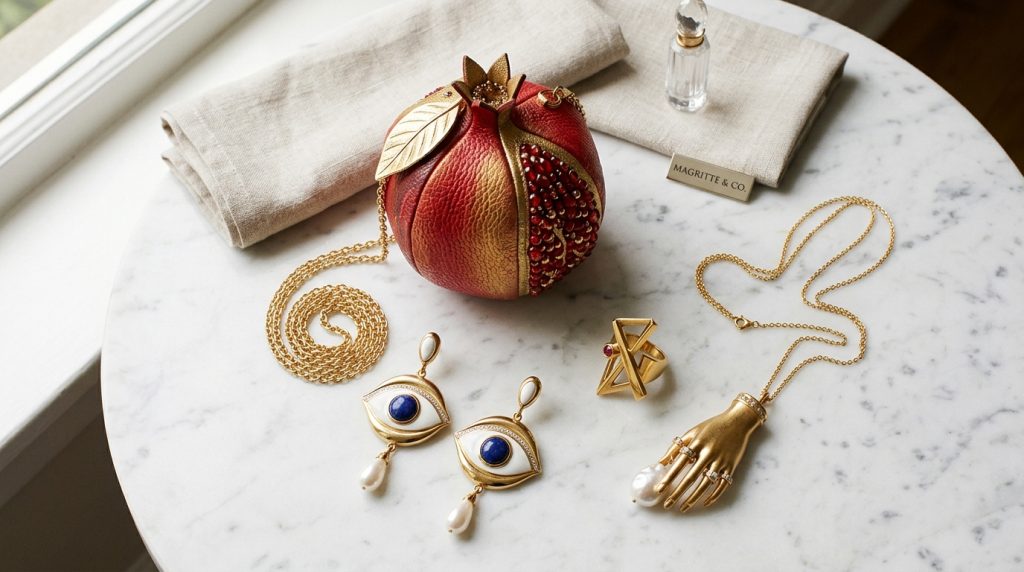
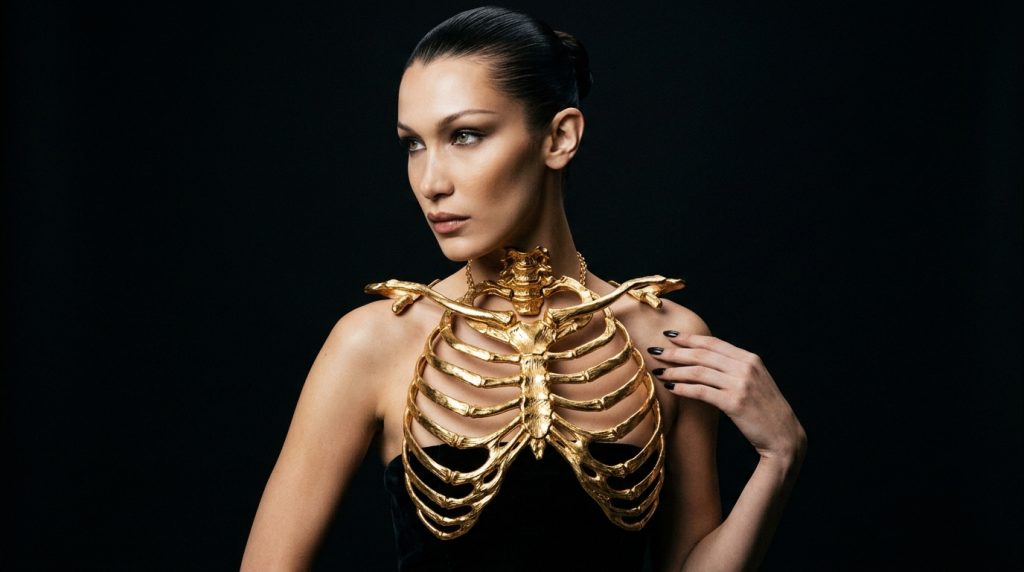
Focus on body parts and fragmentation zooms in on certain areas of the body. A golden bustier shaped like a torso, earrings shaped like ears, or necklaces shaped like lungs and hearts all highlight pieces of anatomy as jewelry. Sometimes this can feel empowering, other times unsettling, which is exactly the tension surrealism likes to play with.
-
Unexpected materials change how clothing looks and feels. Designers might use cork for a hat, plastic ribs quilted into a coat, or 3D-printed panels that bend like bone or coral. The strange textures push fashion closer to sculpture, while still letting someone move and live in the piece.
-
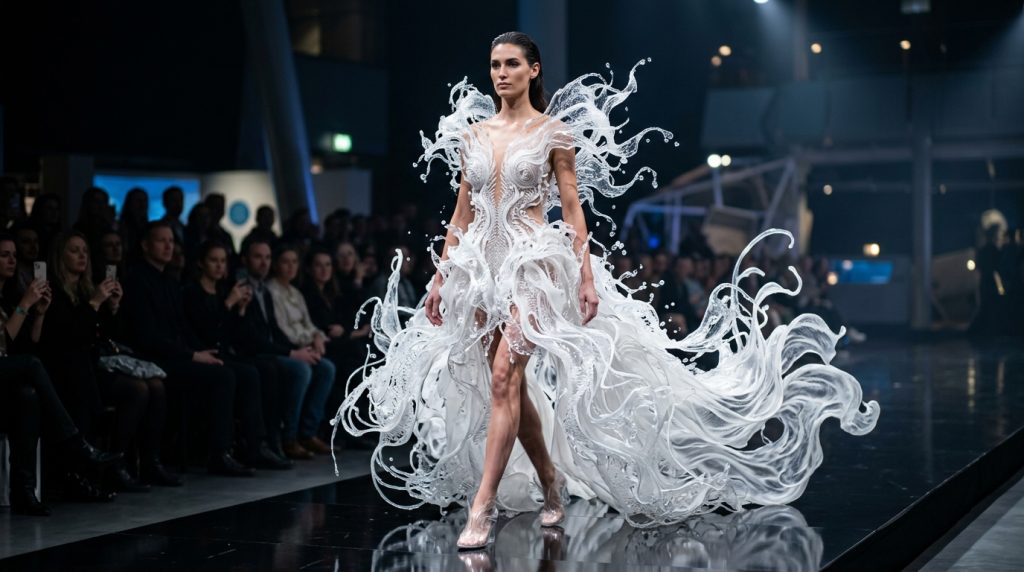
Biomorphic forms bring in squiggly, organic shapes inspired by water, plants, or cells. Iris van Herpen is famous for dresses that ripple like waves or swirl like smoke frozen in mid-air. These pieces blur the line between human and natural forms in a direct, almost hypnotic way.
-
Hidden meanings and layered stories sit underneath all the visual drama. A look might reference a painting, a political event, a personal memory, or a social media meme. Surrealist fashion rarely stops at surface level, and once someone starts reading the clues, they will notice that there is often a deeper message sewn into the seams.
Once these elements become familiar, a simple street-style photo or store window can feel like a little art history lesson in motion.
Why Surrealism Is Absolutely Everywhere Right Now
Surrealism is not stuck in old black-and-white photos—in fact, surrealism is staging a comeback across runways, red carpets, and social media feeds for very specific reasons that line up with how people live and share images now. It keeps popping up on red carpets, in music videos, and across social feeds for very specific reasons that line up with how people live and share images now.
Some of the biggest reasons are:
-
Social media loves a visual shock. A normal blazer is easy to miss, but a blazer with sculpted metal horns or balloon heels is instant screenshot material. Surrealist outfits work perfectly in this space because they look like visual punchlines or short stories, and they spread fast on TikTok and Instagram.
-
People are dressing for emotion, not just trends. After long months of sweatpants and video calls, many people shifted toward clothes that feel more personal and expressive. Instead of copying one trend, more people want outfits that match their feelings, politics, or humor. Surrealism gives language for that mood. A dress that looks like it is melting can stand in for climate fear, burnout, or just a love of drama, all at once.
-
Technology has stretched what designers can make. AI image generators, digital fashion experiments, and 3D printing have filled timelines with outfits that look half real, half game skin. Designers like Jonathan Anderson at Loewe echo this glitchy look with pixel knits, balloon shoes, and strange, shiny surfaces that feel pulled from a screen.
-
Absurdity works as quiet rebellion. When the news feels heavy and rules feel tight, wearing something absurd can be its own kind of protest. Bella Hadid in a metal lung necklace or Doja Cat covered head to toe in red crystals are not just dressing up for drama; they are reminding viewers that fashion can still shock, joke, and yell.
“Surrealism is destructive, but it destroys only what it considers to be shackles limiting our vision.” — often quoted in discussions of Surrealist art
That same spirit now runs through fashion feeds and red carpets.
(See Business of Fashion, reports on post-pandemic dressing; Pew Research Center on social media and visual culture)
The Designers Making Surrealism Iconic Today
Right now, a handful of designers are carrying the surrealist torch in ways that feel fresh and very online.
-
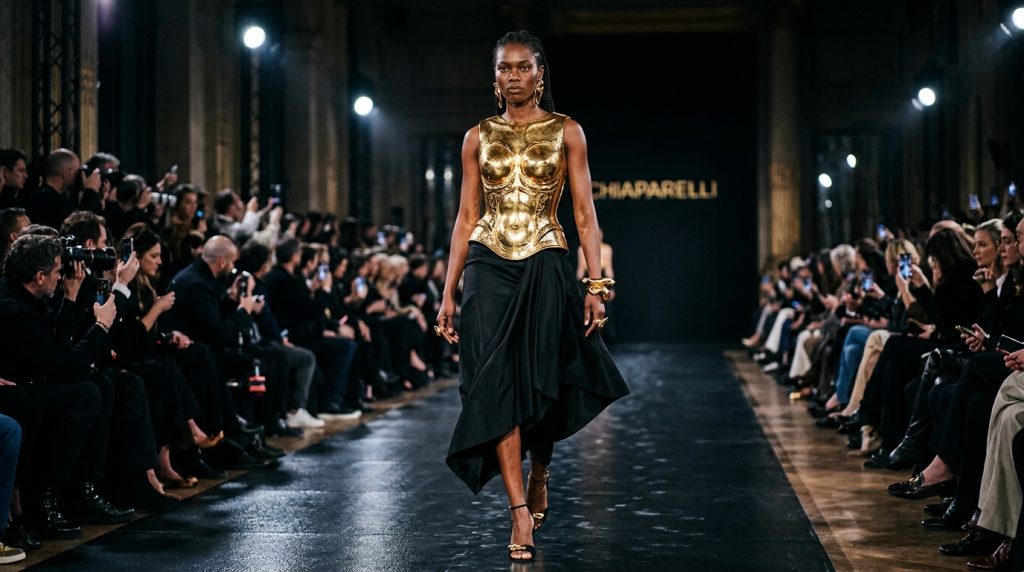
Daniel Roseberry at Schiaparelli has taken the house that Elsa built and pushed it straight into meme territory while keeping the craftsmanship serious. He sends out gold face masks, huge ear and eye earrings, and metal bustiers shaped like abstract torsos. His lung necklace on Bella Hadid and horned bodices on multiple celebrities turned the human body into jewelry in a way that had timelines arguing for days.
-
Iris Van Herpen treats the runway like a science lab in the best way. She uses 3D printing, laser cutting, and experimental fabrics to make dresses that look like water splashes, sound waves, or mushroom gills. When her models walk, the clothes move like living organisms, and the overall effect feels less like fashion week and more like watching someone step out of a fantasy movie.
-
Jonathan Anderson For Loewe brings surrealism into clothing that people can actually imagine owning. He plays with illusions and jokes rather than full costumes. Pixel-print dresses look like graphics from an old computer game, shoes resemble deflated balloons, and some pieces feature realistic anthurium flowers placed in cheeky spots. His work is smart, funny, and still wearable on a normal street.
-
Collina Strada, led by Hillary Taymour, uses surrealism with a playful, eco-aware twist. The brand is known for warped graphics, trippy colors, and prints that might feature farm animals or cartoonish faces. Many pieces use upcycled materials, and shows often spotlight climate themes and youth culture, which makes the weirdness feel grounded in real-world concerns.
To see these differences at a glance, it helps to compare their signatures:
| Designer | Label / House | Surrealist Signatures |
|---|---|---|
| Daniel Roseberry | Schiaparelli | Gold anatomy, sculpted faces, mythic armor-like couture |
| Iris van Herpen | Iris van Herpen | 3D-printed dresses, liquid shapes, science-inspired forms |
| Jonathan Anderson | Loewe | Pixel prints, balloon heels, everyday items in odd places |
| Hillary Taymour | Collina Strada | Warped graphics, eco messages, playful animal imagery |
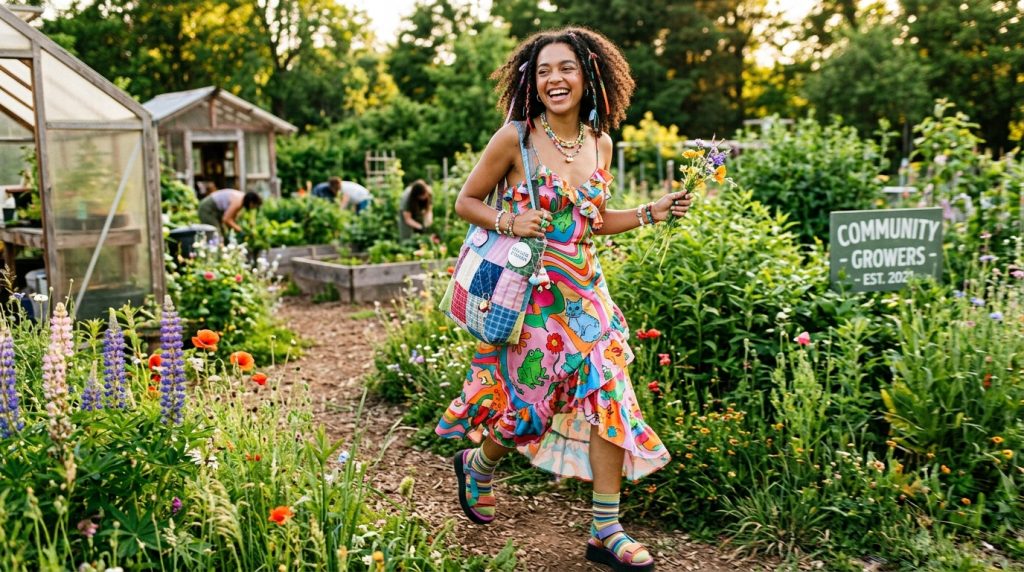
Beyond the big names, more independent designers, especially from Latinx communities, are mixing surrealism with magical realism. They blend religious symbols, family stories, and bright folkloric colors into garments that feel like living myths. This newer wave proves that surrealism in fashion is not just a museum style or a couture thing; it flows into streetwear, small brands, and even DIY pieces made at home.
The Controversy – Surrealism’s Complicated Relationship With Women
For all its creativity, surrealism comes with a history that is hard to ignore, especially when it comes to women. The original Surrealist circle was mostly men, and they often treated women as muses or puzzles instead of full people. André Breton even referred to woman as the most “marvellous and disturbing problem,” which says a lot about that mindset.
In art, this often turned into images where female bodies were chopped into parts, twisted, or turned into objects. Salvador Dalí’s painting Young Virgin Auto-Sodomised by the Horns of Her Own Chastity shows a faceless woman pierced by sharp shapes, a picture loaded with anger and sexual violence. Hans Bellmer created dolls of dismembered, rearranged female bodies that many later artists and designers referenced.
Fashion echoed this tension more than once:
-
Alexander McQueen’s La Poupée collection strapped a model into a metal frame that forced her to walk like a puppet. Some viewers read it as a critique of how women are controlled; others saw yet another vision of a woman in restraints.
-
Thom Browne’s spring 2019 show sent models out with their mouths covered, arms bound to their sides, and bodies squeezed into towering shoes and tight corsets. Reviewers like Robin Givhan and Vanessa Friedman said the models looked like hostages rather than empowered performers.
These moments raised a blunt question about what surrealism in fashion is doing with the female body. Is it challenging control, or repeating it with better styling? That history matters, especially now, and it is why many designers today are careful to rethink surrealism instead of copying the old imagery straight from art history.
How Today’s Designers Are Reclaiming Surrealism For Empowerment
Even with that heavy past, surrealism is not stuck there. Many of today’s creators are doing a kind of “Surrealism 2.0,” keeping the wild imagination while dropping the parts that treated women as props.
Key shifts include:
-
From object to subject. Instead of presenting a single ideal body to stare at, current surrealist-inspired shows cast models with many body types, genders, and expressions. Sculptural pieces frame the person wearing them as the main character, not a lifeless statue. A gold torso bustier can read as armor rather than a cage when the styling and casting center the wearer’s power.
-
From vague dream to cultural story. Designers from Latinx backgrounds often draw on magical realism, a style where everyday settings mix with strange, magical events. They might stitch in Catholic iconography, family symbols, or colors from local festivals. The result is clothing that holds memory, history, and quiet protest, turning surrealism into a language for people who were pushed to the edges of older fashion stories.
-
From shock value to thoughtful intent. The wild visuals are still here, but manacles, sewn mouths, and bound limbs are used far less, if at all. Instead, designers push silhouettes and prints in ways that feel freeing. Many speak directly about consent, agency, and respect backstage or in show notes.
Imagination and progress can go hand in hand.
That shift shows that surrealist fashion can still surprise and delight while also respecting the person wearing it.
How To Bring Surrealist Vibes Into Your Own Wardrobe (Without Looking Like You’re In A Costume)
Seeing surrealism in fashion on a runway is one thing; bringing it into a regular Tuesday is another. The good news is that it does not take a couture budget or a red carpet invite to borrow some of this energy. It mostly takes a sense of play and a few smart choices.
Try these low-pressure starting points:
-
Start With Surreal Accessories.
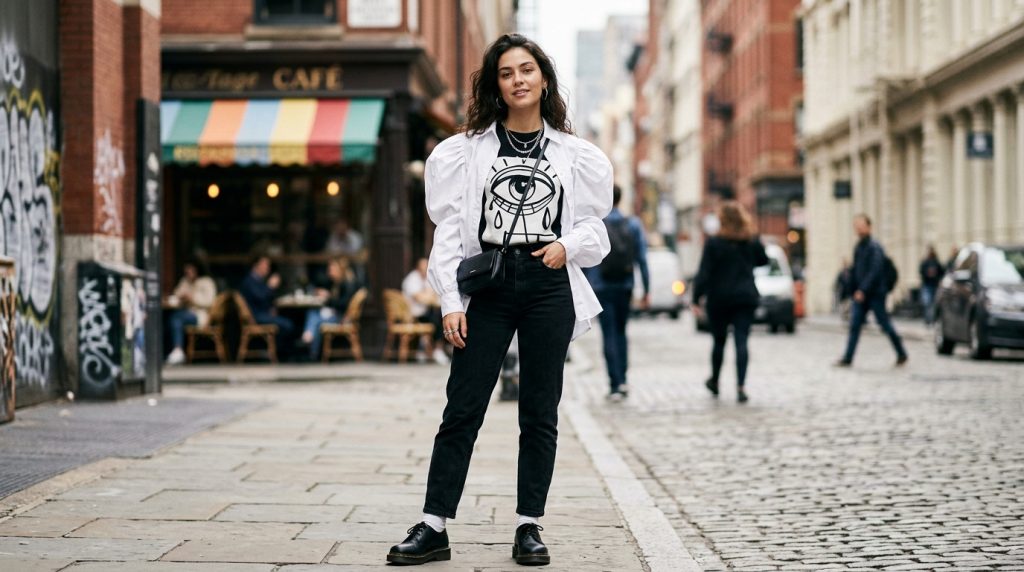
Go for earrings that twist into odd shapes, a ring shaped like an eye, or a necklace with a tiny hand charm. Look for handbags that resemble books, fruit, or animals instead of standard rectangles. Even shoes can join in when they have sculptural heels or strange color combos. One bold accessory can flip a plain jeans-and-tee look into something that feels artful. -
Use One Surreal Print At A Time.
A tee with a dreamy face graphic, a skirt with an optical illusion, or a shirt covered in floating eyes can become the focus. Pair it with neutral jeans, a black blazer, or a solid hoodie so the print does the talking. This keeps the outfit balanced and helps the statement piece feel intentional, not random. -
Play With Shape And Proportion.
Tops with extra-big puff sleeves, asymmetric hemlines, or unexpected volume at the hips or shoulders can bring in that sculpture feeling without any wild graphics. Think of it like drawing with fabric. Even layering a tiny jacket over an oversized scarf or slipping a short dress over super-wide pants can give everyday clothes a slightly surreal twist. -
Reach For Art-Inspired Pieces.
Look for items printed with painted faces, abstract shapes, or brushstroke patterns. These can feel like walking canvases and make conversations start themselves. Many fast-fashion stores and mid-range brands offer these, and vintage or thrift shops often hide amazing old graphic finds from past decades. -
Shop Smart For Statement Items.
For inspiration, high-fashion houses like Schiaparelli, Loewe, Iris van Herpen, and Collina Strada are great for reference photos and mood boards. More affordable places such as ASOS, Zara, and COS often offer twisted silhouettes or offbeat prints that hint at surrealism. Independent makers on Etsy and Instagram sell handmade jewelry and clothing that feel one-of-a-kind. Thrift and resale apps are perfect for hunting down statement jackets, graphic tees, and strange shoes that nobody else at school or work will have. Searches and hashtags like #SurrealFashion or #SculpturalStyle can help when building a digital mood board.
Styling rule of thumb: “Wear one surreal piece, then let the rest of the outfit calm it down.”
Above all, balance keeps things from sliding into costume territory. One or two bold pieces mixed with simple shapes and calm colors usually looks sharp, not silly. The last part is confidence; when a person feels good in a surrealist piece, it stops looking “too much” and starts looking like their normal style, turned up a notch.
Conclusion
From a lobster painted across a silk gown in the 1930s to pixelated dresses and balloon heels on recent runways, surrealism in fashion keeps bending the line between dream and daily life. What began with artists like Dalí and designers like Schiaparelli has grown into a wide field where clothes become moving artworks, jokes, warnings, and love letters all at once.

Along the way, the style has had to face its own shadows, especially the way early Surrealists treated women’s bodies. The exciting part is how many designers now are rewriting that script, using surrealist tricks to center the wearer instead of turning them into an object. Cultural storytelling, body diversity, and clear intent are reshaping what this aesthetic can say.
So when someone wonders what is surrealism in fashion, the answer is more than strange shoes or melting dresses. It is a mindset that says getting dressed does not have to follow logic. Outfits can hold subconscious thoughts, political takes, or just pure fun.
Trying it out does not demand a couture budget. A single sculptural earring, a dreamlike print, or an off-balance silhouette can be enough to say something real about how a person feels. In a world that often feels too serious, too rigid, or too small, surrealist fashion offers proof that we can wear our wildest dreams and look incredible doing it.
FAQs
What Does Surrealism Mean In Fashion?
Surrealism in fashion is a style where clothing feels like a wearable dream or puzzle instead of just an outfit. Designers use optical illusions, exaggerated shapes, and bold symbols to confuse the eye in a playful way and question what the body “should” look like. The style comes from the 1920s Surrealist art movement and its interest in the unconscious mind and dream logic. When people ask what is surrealism in fashion, they are talking about this mix of strange visuals, emotional impact, and hidden messages sewn into garments.
Who Started Surrealism In Fashion?
Most fashion historians point to Elsa Schiaparelli as the designer who first brought Surrealist ideas into clothing. Working in Paris during the 1930s, she teamed up with painter Salvador Dalí to turn his wild concepts into couture. Together they created the Lobster Dress, the Shoe Hat, the Skeleton Dress, and other pieces that shocked high society and linked fine art with high fashion. Her work showed that a runway could be as daring and imaginative as any art gallery.
What Are Examples Of Surrealist Fashion Today?
Modern surrealist fashion shows up in many high-profile moments. Daniel Roseberry’s work for Schiaparelli includes gold face masks, lung-shaped necklaces, and giant eye earrings that twist anatomy into jewelry. Iris van Herpen designs 3D-printed gowns that look like waves, smoke, or coral growing around the body. Jonathan Anderson at Loewe plays with pixelated knits, balloon-like shoes, and egg-cracked heels. Collina Strada uses warped, psychedelic prints and playful graphics. Viral looks like Bella Hadid’s metal lung necklace and Doja Cat’s full red crystal makeup are clear examples of surrealist style in pop culture.
How Can I Wear Surrealist Fashion Without Looking Too Avant-Garde?
The easiest way to try surrealism in fashion without feeling over the top is to start small:
- Pick one surreal accessory, like sculptural earrings, a ring shaped like an eye, or a bag that mimics an object, and wear it with simple basics.
- Try a single surrealist statement piece, such as a tee with a dreamlike graphic or a top with exaggerated sleeves, paired with jeans or a plain blazer.
- Keep the rest of the outfit clean and neutral so the special piece feels purposeful, not random.
Confidence matters as much as the clothes, and great finds can come from places like ASOS, Zara, vintage shops, and independent artists selling on Etsy.
