Every November, something happens to the mirror. The light goes thin and gray by four in the afternoon, your summer highlights start to look like a bad idea, and suddenly you want your hair to look like a cup of something warm.
That is the whole appeal of copper and chocolate. One is a glow, the other is a depth. Put either near a wool coat and a candle-lit dinner table and the season starts making sense.
This year the two are not rivals. Stylists are pushing both at once, and the best versions borrow from each other. Here is how to pick your shade, how to ask for it, and how to keep it from fading into something sad by January.
Why Copper and Chocolate Belong Together This Season

Look at the fall 2026 color forecasts and one theme repeats: warmth. Redken’s fall palette leans on a vibrant copper and a range of chocolate browns, calling the season rich, sophisticated and deeply inviting [1]. Another trend report says copper is the shade of the season, running from soft strawberry to bold, warm bronze [2]. And the winter lists keep the copper going, with a rich copper and a chocolate brown both making the cut [3].
What makes this year different is the finish. One beauty editor’s winter roundup describes copper as burnt, rose-tinted and elegant, with less fire and more glow [4]. Brown gets the same treatment, reading as velvety and glossy instead of flat. The point is wearability. These are colors that look expensive in daylight and do not need a full-time commitment. That matters in November, when you are wearing a hat half the day and your hair needs to look good after being flattened by it. A color with built-in dimension survives that kind of treatment far better than a single flat shade.
There is also a practical reason the pair works. Copper has warmth and brightness. Chocolate has depth and calm. Combine them and you get a color with dimension, which is the thing that makes hair look healthy in photos and in person. If you have ever wondered what pushes people toward a new color at all, this piece on what your hair color change is actually about is a good read before you book.
Copper Shades From Soft to Bold
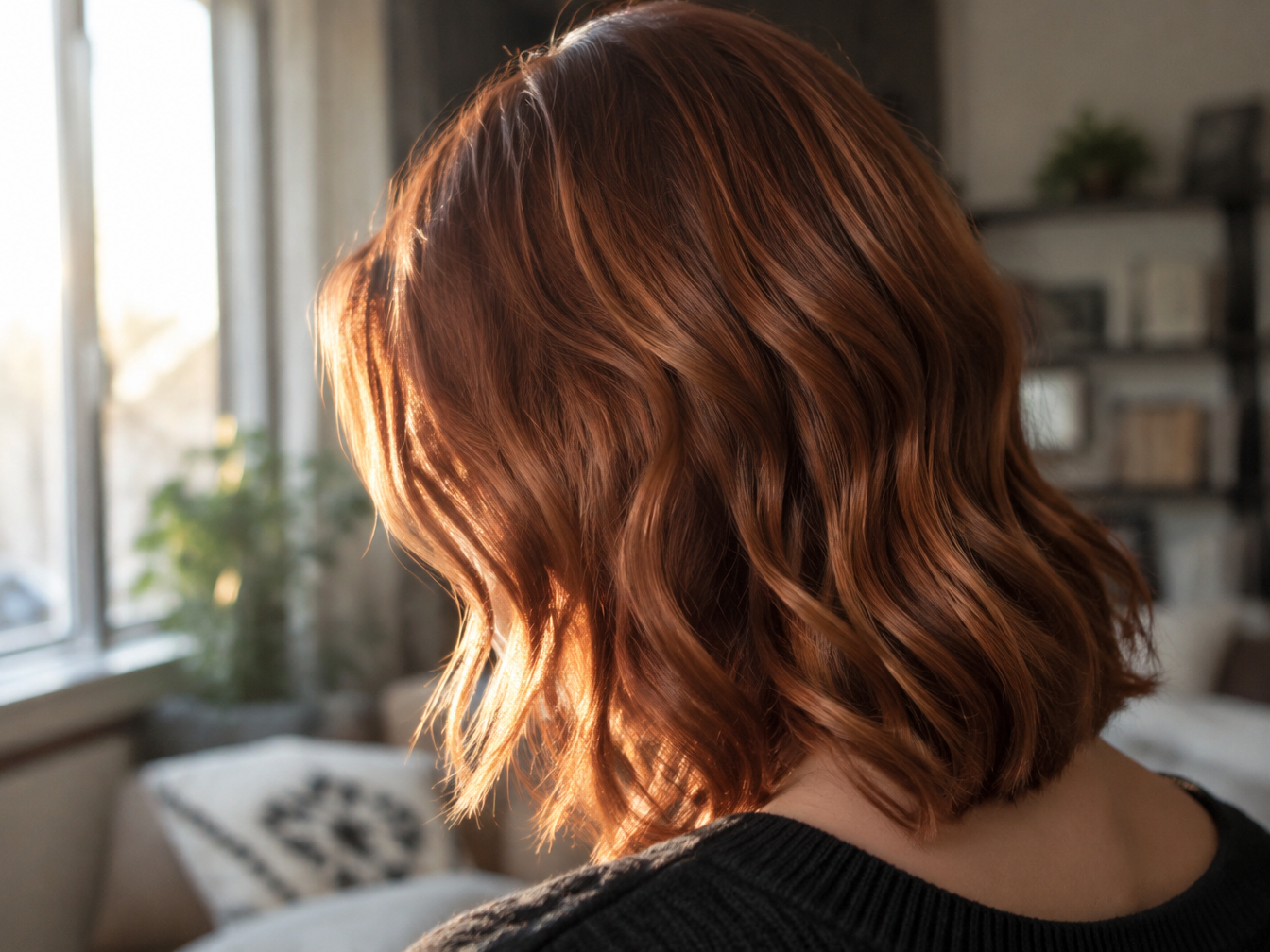
Copper is not one color. It is a spectrum, and the right spot on it depends on how much attention you want.
**Strawberry blonde.** The softest end. A golden-toned red with a hint of warmth, and a gentle way for blondes to wander into warmer territory [2].
**Light copper.** Think of a polished penny held up to a window. It brightens a light brown base and pairs well with face-framing pieces.
**True copper.** The purest version of the trend, vibrant and high-shine [2]. It makes a statement, so it is best for people who enjoy being asked about their hair.
**Deep warm bronze.** A richer take with hints of brown and gold, the fall-night version of copper [2]. It is the easiest bridge between copper and chocolate.
**Rose copper.** The soft, rose-tinted red that stylists keep pointing to for winter. It is gentler on the eye than a bright orange-red and very flattering in cold, gray light [4].
One note on boldness. If you are leaning toward a red-leaning shade, cherry and deep red tones are also trending hard this season [1]. A dark, glossy cherry sits just beside copper on the color wheel, and some people end up preferring it once they try the two side by side.
Chocolate Brown Shades From Milk to Espresso

Chocolate is the calm half of the pair, and it comes in more flavors than people expect.
**Milk chocolate.** A soft, medium brown with a touch of golden warmth. It is the least demanding option and works on almost everyone.

**Dark chocolate.** A deeper brown that adds richness to natural brunette hair. Redken points to this as a way to go darker for fall, even with subtle toffee lowlights for dimension [1].
**Cinnamon chocolate.** A brown with warm copper flecks, what one trend report calls burnished brunette, rich brown accented with dashes of cinnamon and copper [6]. It is where the two worlds meet.
**Velvet espresso.** The darkest option, deep and glossy. Autumn is prime time for beverage-inspired colors, and espresso is the star of that category [6].
**Cashmere cocoa.** A cool-leaning, soft brown that reads as polished and very quiet-luxury. It is the shade you wear when you want nobody to be able to name your color but everybody to compliment it.
Chocolate also does something copper cannot. It lasts. Browns fade more gracefully than reds, and regrowth is far less obvious, so it is the right choice if you do not want a salon visit every six weeks. For women with deeper skin tones, chocolate and espresso look especially glossy and warm, and stylists describe them as bringing richness without needing to go dramatically lighter [5].
Which Shade Suits Your Skin Tone
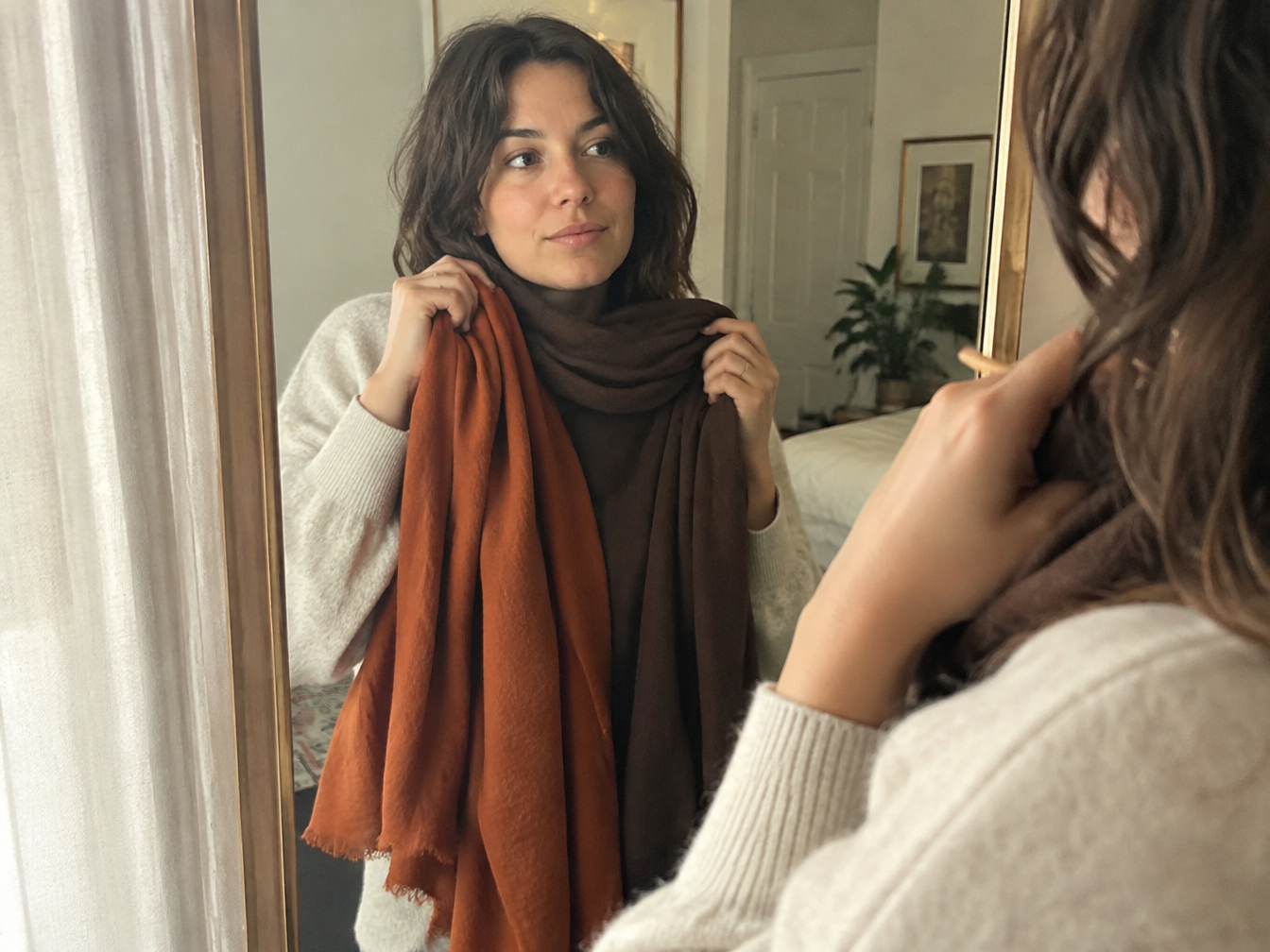
There are no strict rules here, only tendencies. Use these as a starting point and then let your colorist adjust.
**Fair skin with pink or cool undertones.** Softer coppers and rose-tinted shades flatter you, and milk or cool-leaning chocolate keeps the face from looking flushed. Skip anything too orange if you blush easily.
**Fair or light skin with warm or golden undertones.** True copper and strawberry blonde are almost suspiciously good on you. Warm bronze also works well.
**Medium or olive skin.** You have the widest range. Deep bronze, cinnamon chocolate and medium copper all look natural and bright.
**Tan or deep skin.** Copper red and rich chocolate pop against deeper complexions. Stylists point to chocolate brown, espresso, copper, burgundy and honey highlights as the shades leading this fall [5], and if burgundy tempts you, the burgundy hair shades that make a change feel like you are worth a look. A few honey pieces around the face add warmth without a full lift.
The simplest test is the one you can do at home. Hold a copper-toned scarf and then a deep brown one near your face in natural light. Whichever makes your skin look brighter and your eyes clearer is your direction. Redken’s guide notes that natural chocolate shades balance cool and rich enough to complement any skin tone and hair type [1], so when in doubt, start there.
Starting From Dark, Light or Colored Hair
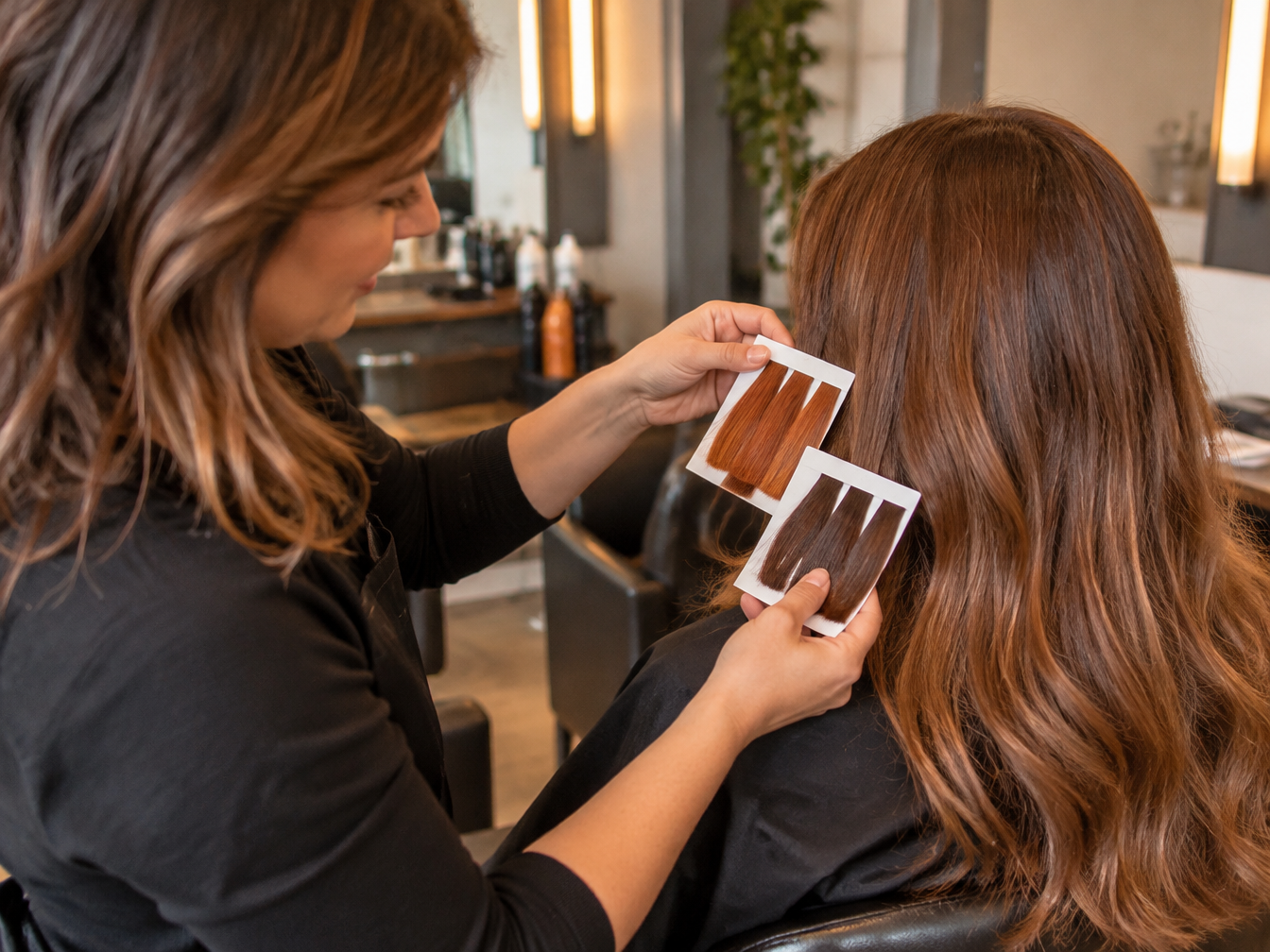
Your starting point decides the cost, the timeline and the odds of a perfect result on the first visit, so be honest with your colorist about what is already on your hair.
**Starting with dark brown or black hair.** Copper takes some lightening first. If your hair is very dark, a gradual approach works well: begin with copper-toned dimension through the mid-lengths and ends, or a copper gloss that shows in sunlight. The reward is a look that reads as dark brown indoors and glows outdoors. Chocolate is easy from here. It is often just a gloss or a single process to refresh your natural shade.
**Starting with light brown or dishwater blonde.** You are in the sweet spot. Copper deposits well, and a chocolate shade can deepen your base without much fuss. This is a good starting point for either extreme.
**Starting with blonde hair.** Going copper from blonde is easier than going dark, because the lightness gives you a clean canvas. Strawberry blonde is a gentle halfway step. If you are curious about the shades you would be leaving behind, the blonde hair color shades that are actually worth screenshotting show how far a blonde can travel before it turns copper.
**Starting with gray or colored hair.** Gray takes copper beautifully because the pigment shows up bright. Previously colored hair may need a correction first, so book a consultation before you commit.
Whatever your starting point, ask about a gloss. A gloss is a quick, low-commitment treatment that adds shine and shifts tone, and many stylists use it to preview a color direction. It is also a good first step if you are nervous.
Mixing Copper and Chocolate Into One Look
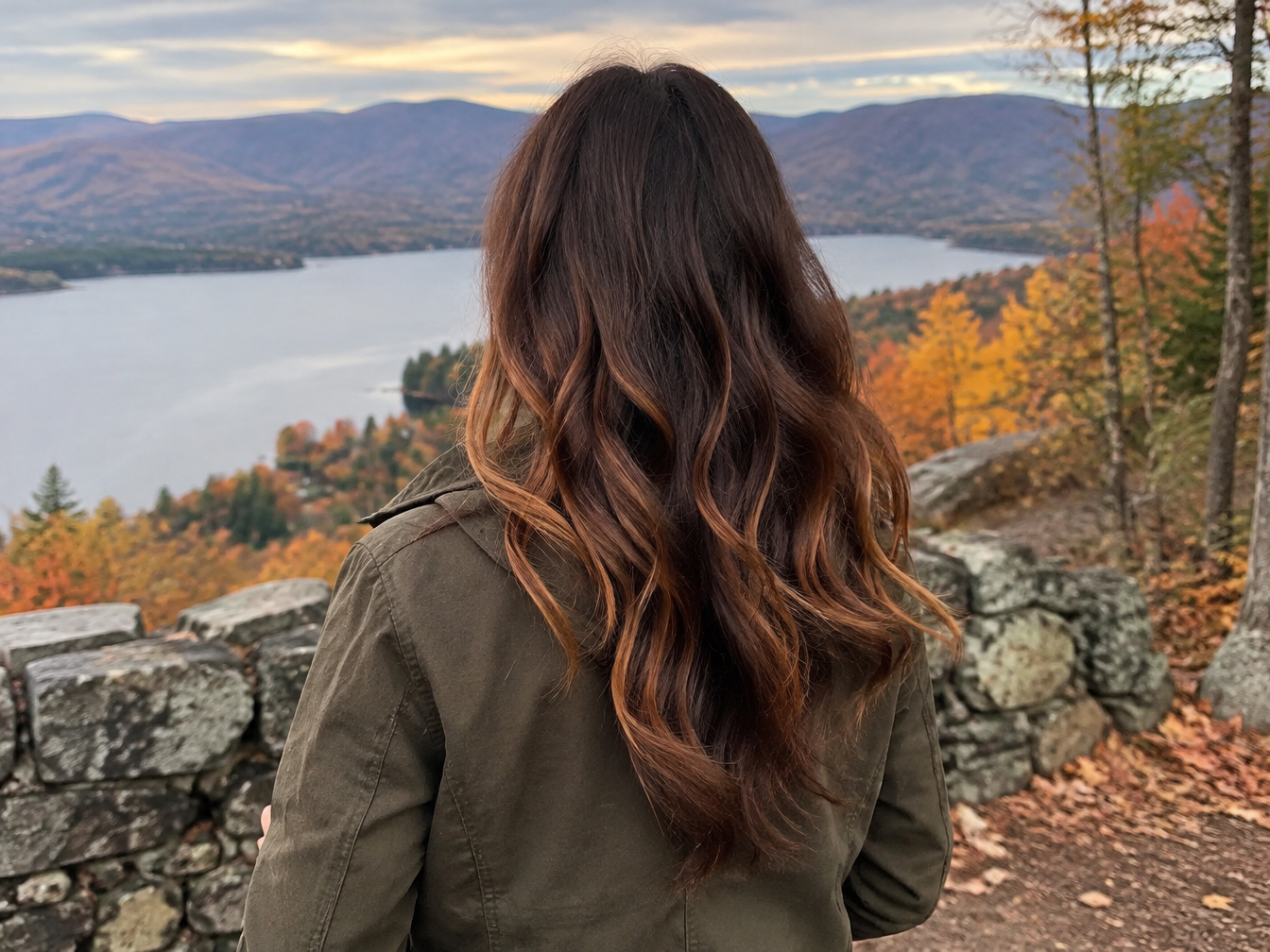
This is where the season gets interesting. Instead of choosing a side, ask for both.
**Copper balayage on chocolate.** Hand-painted copper strands through a dark chocolate base give you movement and dimension. It grows out softly, which means fewer touch-ups.
**Face-framing copper.** Keep the overall color chocolate and brighten only the pieces around your face. It lifts your complexion in winter light and is low risk if you are new to color.
**Chocolate with copper lowlights.** The reverse of the above. A copper base with chocolate dimension gives you depth without losing the brightness.
**The root shadow.** A deeper chocolate at the root melting into copper ends creates a lived-in look that never shows regrowth. The modern take on ombre keeps lighter tones at the bottom and around the face while the crown stays shadowed, and one trend list names mahogany roots dipped into pumpkin spice as a winning example [7].
**Cinnamon spice.** Brown laced with warm red-gold notes, the middle shade between the two worlds, is easy to wear and flattering across skin tones.
Think about your wardrobe, too. These colors love the textures and tones of the season. Olive, camel, cream and charcoal all look better against copper and chocolate hair, and a utility-style layer such as a barn jacket pulls the whole palette together. If you are putting together a fall wardrobe around your new color, the barn jacket outfits that make fall dressing easy are a natural match.
Keeping the Color Rich Until Spring
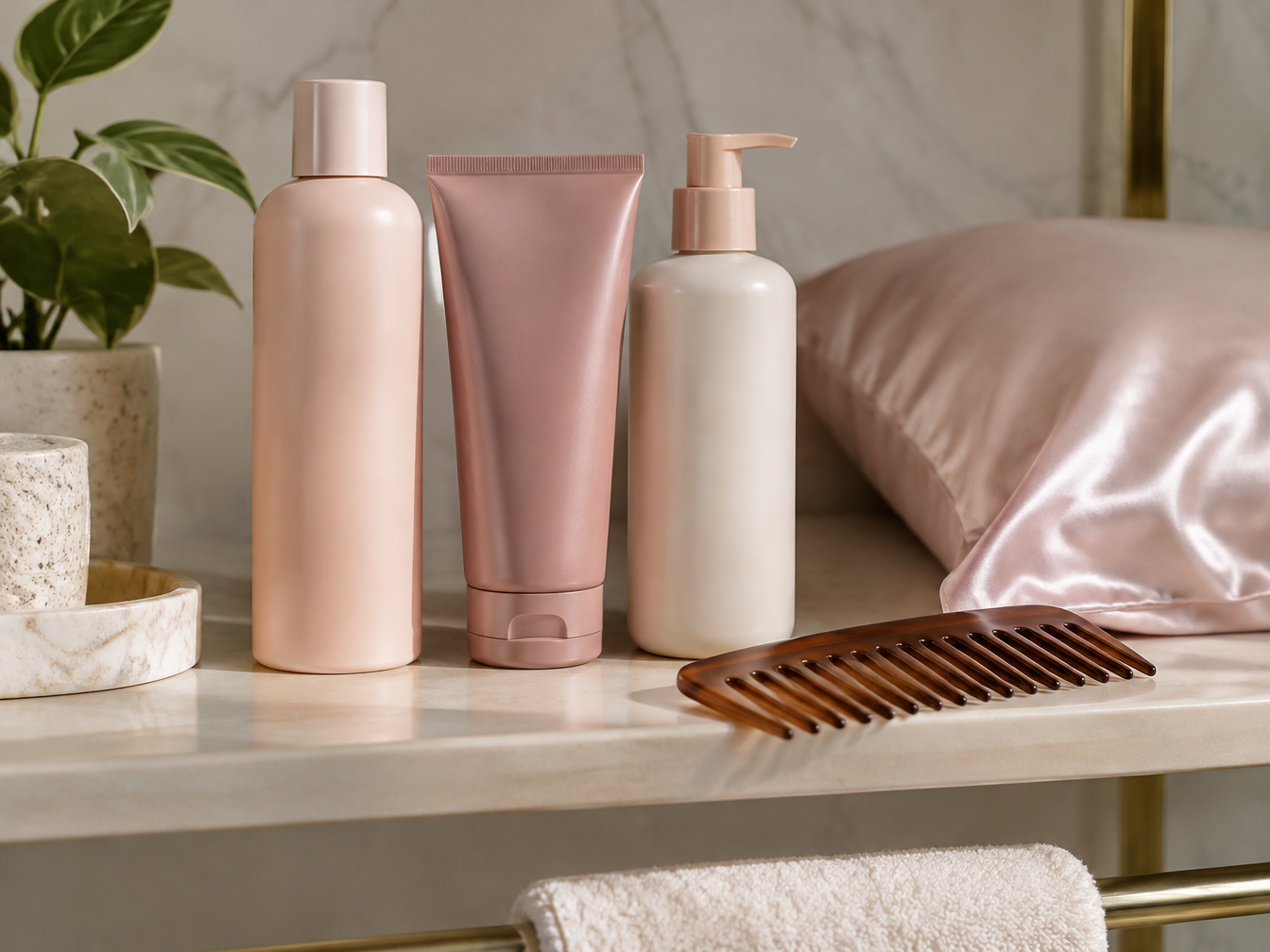
Copper is the most beautiful color to wear and the most dramatic to watch fade. Red pigments are generally the first to wash out, so a little care goes a long way.
**Wash less and cooler.** Hot water opens the hair cuticle and lets pigment slip out. Use lukewarm or cool water, and stretch time between washes with dry shampoo.
**Use color-safe products.** A sulfate-free shampoo and a conditioner designed for color-treated hair are worth the extra few dollars. For copper, a color-depositing conditioner in a matching shade refreshes tone between visits.
**Gloss every six to eight weeks.** A salon gloss restores shine and revives faded warmth. Many colorists schedule these between full appointments, which keeps your hair looking fresh without a major commitment.
**Protect from heat and sun.** Heat tools dull color and harm shine, so use a heat protectant. Even winter sun can lighten copper over time, and a hat or UV-protective spray helps on bright days.
**Deep condition weekly.** Healthy, smooth hair reflects more light, and that reflection is the glossy look you are paying for.

**Mind the towel and the pillow.** Wet hair is fragile and fresh color is porous. Blot instead of rubbing, and sleep on a silk or satin pillowcase so friction does not dull the shine overnight.
**Book the next appointment before you leave.** Put the gloss visit on the calendar while you are still in the chair. It is far easier to keep a color rich than to rescue one that has already gone brassy.
Chocolate is more forgiving. A good conditioner and a clear gloss are usually enough. If you decide in a few months that you want something lighter and fresher, the fresh spring hair colors for brunettes show where a chocolate base can go next.
Hair color is the one accessory that you wear on every outfit, every day, and in every photo. In a season that wants to be dark by dinner, it should at least be warm.
Sources
- Popular Fall Hair Color Shades, Your Guide to the Season’s Hottest Hues, Redken
- Copper Hair Color Trends 2026, Bangstyle
- Your Official Guide to Winter 2026 Hair Colors, PureWow via AOL
- 2026’s Top Winter Hair Colors Exude Quiet Luxury, NewBeauty
- The Fall Hair Colors That Will Have Our Melanin Popping, BlackAmericaWeb
- One Hue Is Dominating This Fall’s Hair Color Trends, The Zoe Report
- Fall Hair Colors 2026, The Right Hairstyles
Leave a Reply