

It’s 11:07 p.m. and you’re standing in your bathroom with a box of dye in one hand and your phone in the other.
The photo on the box shows a woman who looks like she has never cried in a car. You’ve been looking at it for ten minutes. You tell yourself it’s just a color, that it’s fun, that you’re bored. You screenshotted a dozen shades last week and told no one.
But you know something else is going on. Nobody picks up a box of dye at 11 p.m. on a Tuesday because of a sudden interest in chemistry.
Something changed. A breakup, a job, a move, a birthday, a version of yourself that doesn’t fit anymore. And your hair is the only part of the situation you can actually reach.
So let’s be honest about what your hair color change is really about.
Hair Is the Easiest Thing to Change

Start with the practical truth. You can’t rewrite your past. You can’t always quit the job, leave the city or make someone understand you. But you can change your hair in about two hours, and that feels like power. You can go from brown to a shade worthy of a screenshot folder in a single afternoon, and a browse through these blonde hair color shades shows just how far one appointment can take you. Few other changes give you that much visible difference for that little commitment.
Psychologists who talk about this keep landing on the same idea. Dr Adaline Ng, a clinical psychologist at the Better Life Psychological Medicine Clinic, describes a hair change as a low-risk way to make a change, safer and easier to reverse than moving house or making big purchases. For some people, she says, it symbolizes “a new beginning – like new hair, new me” [1].
Clinical psychologist Seema Hingorrany, quoted in the *Times of India*, makes a similar point. Many women feel their hair or appearance is the one thing they have absolute control over, she says, and a post-breakup change is usually about stepping into a fresher identity [2].
That doesn’t mean it’s shallow. Wanting control when your life feels unsteady is one of the most human things there is.
What Each Color Move Usually Says
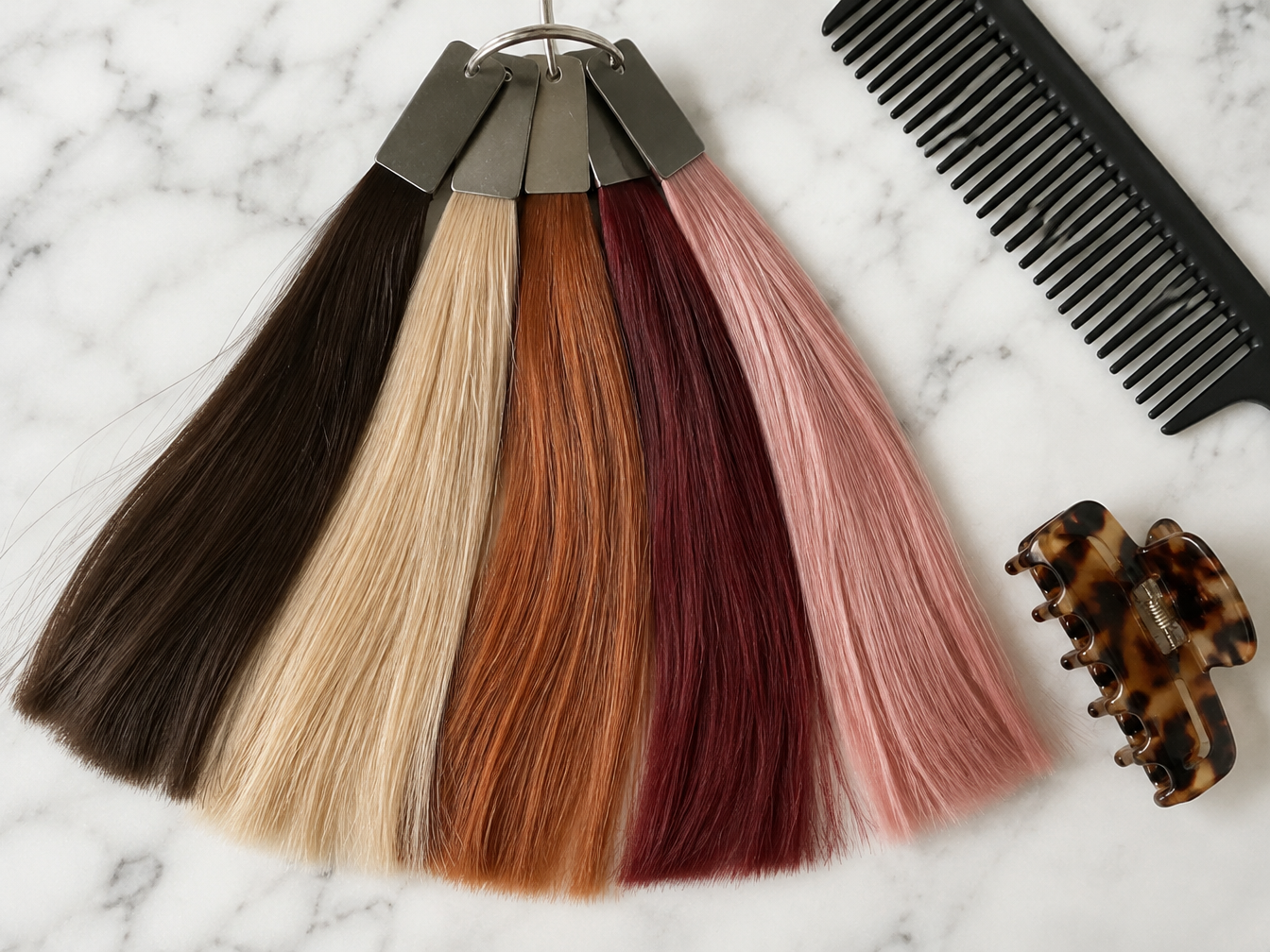
Before the psychology, a caveat. What follows is my own read, based on how people talk about their hair and what I’ve noticed myself. None of it is science, and the same color can mean different things to different people. Take what rings true and ignore the rest.
Going Dark
Deep brown, black, rich espresso. This is often the “I’m done performing” color. Dark hair tends to feel grounded and serious, like closing a door quietly. If you’re craving calm or privacy, you might be reaching for it.
If you’re a brunette who wants a shift without going dramatic, these brunette hair colors are a good way to see how many versions of dark exist.
Going Blonde
Blonde is the loud announcement. It says “look at me, I’m starting over.” It’s also the color people associate with reinvention, which is why you see it after so many breakups and big life moments. It’s high maintenance, so ask yourself whether you want the upkeep as much as you want the statement.
Going Red or Burgundy
Warm reds and wine shades are the middle path. They’re bold but not shocking, and they tend to read as confident and a little romantic. If you want a change that feels like you with the volume turned up, a deep wine or burgundy is a lovely place to look.
Going Bold or Unnatural
Pink, blue, silver, copper. This one is about play. You’re not hiding anything, and you’re not asking anyone for permission. It’s often the color of someone who has decided to enjoy being looked at on their own terms.
Going Back to Natural
This is the quietest and most underrated move. After years of covering your roots, letting your real color grow in can be a way of saying “this is enough.” If your change is a return rather than a leap, that’s allowed too.
The Real Reasons Behind a Big Hair Change
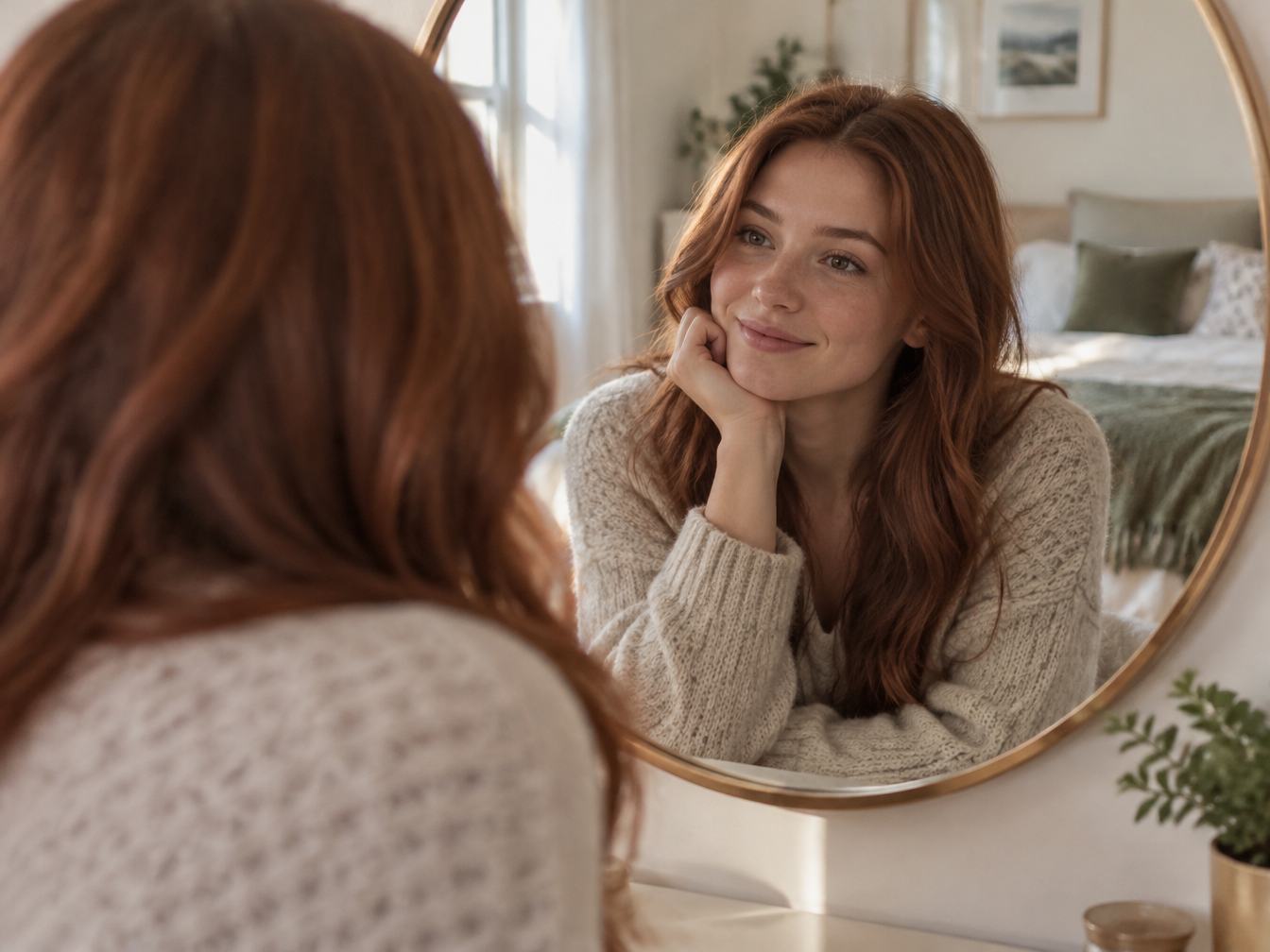
Now let’s get into why. Psychologists don’t have one neat theory, but several ideas show up again and again. One overview of the topic pulls together the major ones, though it cites no specific studies, so treat them as ways of thinking rather than proven rules [3].
You’re Closing a Chapter
Developmental psychologist Erik Erikson argued that identity keeps developing throughout adulthood, and big transitions like a move, graduation or breakup can make people reconsider how they see themselves [3]. A haircut or color is a visible way to mark that you’ve turned a page.
Even stylists see it. Yann Beyrie, who runs his own salon, says breakup hair is among the most common reasons clients ask for dramatic styles, and that clients often want to shed a past relationship or mark a new chapter [1].
You’re Taking Back Control
When life feels unpredictable, the body becomes a place to make decisions. Hingorrany’s observation about hair being the thing many women feel they fully control fits here [2]. Choosing the color, the cut and the day is a way of saying “I’m in charge of something.”
You’re Trying a New Version of Yourself On
Psychologist Daryl Bem’s self-perception theory suggests we learn about ourselves partly by watching our own behavior, so a new look can raise confidence or reinforce a sense that you’ve changed [3]. If you’re drawn to something rich and a little romantic, these burgundy hair shades are the kind of change that makes you catch your reflection and pause. In other words, you might not feel like a new person until your reflection tells you so.
You’re Chasing Novelty
Some people simply enjoy variety. Psychologist Marvin Zuckerman’s work on sensation seeking suggests certain people crave new experiences more than others, which may explain frequent color changes without implying anything is wrong [3]. The same overview is clear that there’s no scientific evidence that people who dye their hair often fit one personality type [3].
You’re Telling People Who You Are
Sociologist Erving Goffman wrote about impression management, the way we use appearance to shape how others see us in different settings [3]. Hair color is one of the loudest tools we have. A new job, a creative project or a new city can all make you want your outside to match your inside.
Growth or Avoidance? How to Tell

Here’s the uncomfortable part. A hair change can be a brave step forward or a very pretty way of not feeling something.
How do you tell the difference? Ask yourself three questions.
- Would I want this if nothing had happened? If the answer is yes, it’s probably self-expression. If the honest answer is “no, I just need to feel different,” slow down.
- Am I running toward something or away from something? Running toward a look you love is growth. Running away from a feeling is avoidance.
- Can I still love this if no one notices? If the color only works when someone sees it, you may be dyeing for an audience that isn’t in the room.
Relationship educator Dr. Laura Berman says a drastic cut can feel cathartic after a breakup and can work as a distraction and a coping mechanism, but she has also seen women make a drastic change and then regret it [4]. Her advice is worth keeping: wait a few weeks, ask trusted friends, and consider a subtler change [4].
And one reminder from writer Edaein O’Connell: a haircut doesn’t end the sadness [2]. It can mark a new chapter. It can’t write it for you.
How to Make a Big Change Without Regret
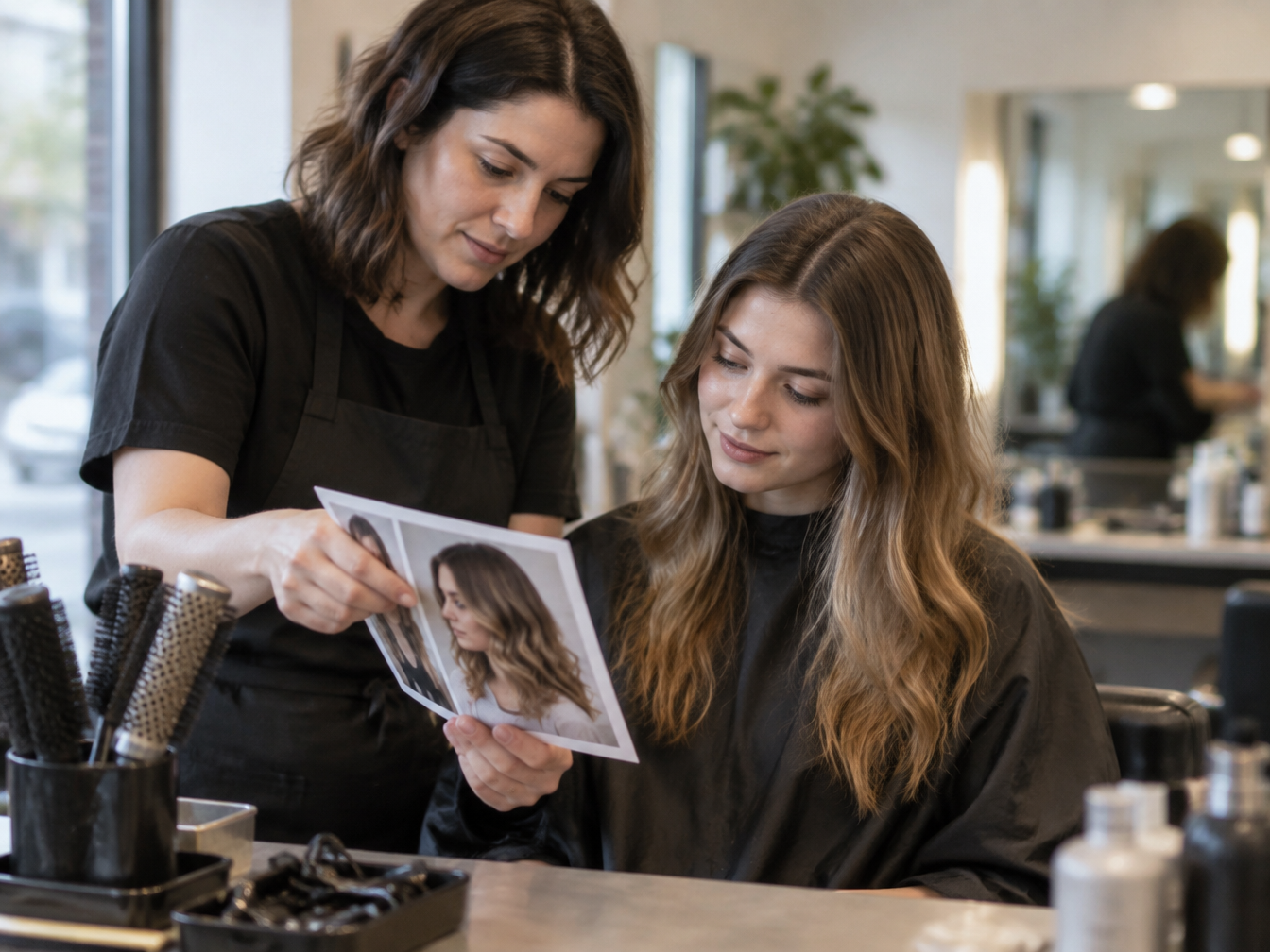
If you’ve decided to go ahead, good. Here’s how to do it well.
Wait Two Weeks, Then Book
Berman suggests waiting a few weeks before booking [4]. The urge usually peaks fast. If you still want it after the feeling settles, it’s probably real.
Choose a Stylist Who Listens
Beyrie says stylists should talk through face shape, hair texture, lifestyle and personality before cutting or coloring, which cuts down on regret [1]. Stylist Charles Chong adds that he sometimes declines impulsive or high-maintenance requests, such as bleaching, that don’t suit a client’s life or climate [1]. A stylist who says “let’s talk first” is worth a lot.
Bring Real Photos
Photos remove the guesswork. Bring two or three you love and one you hate, so your stylist can see the range.
Think About Styling, Not Just Color
A great color falls flat if you don’t know what to do with it. Before you book, think about how you’ll wear it day to day. A good blowout can make a new shade look intentional, so it helps to understand how to fix your blowout routine before the color goes in. Color and styling work as a pair: the right shade with a flat, tired blowout still looks unfinished, while the same shade with some volume looks like a decision.
It also helps to be realistic about upkeep. Ask your stylist how often you’ll need a touch-up, what products you’ll need and how much it costs per visit. Nothing ruins a new look faster than a maintenance plan you can’t keep up with, and a good stylist will gladly tell you the truth before you commit.
Consider a Softer First Step
Berman recommends a subtle change, such as a long bob, over an immediate overhaul [4]. The same logic works for color: try a gloss, a face-framing tone or a darker or lighter shade by two levels. You can always go bigger next time.
The Grow-Out Phase Is Part of the Story

Nobody puts this in the before-and-after photos.
Roots show up. Color fades. The shade you loved in October looks different in February. That in-between stage can feel awkward, but it’s also a quiet lesson. Hair isn’t fixed. Neither are you.
It helps to decide in advance how you’ll handle the awkward months. Some people book a gloss to blend the line, some move to a root smudge, and some simply embrace the grown-out look. There’s no wrong answer, but having a plan makes the grow-out feel like a choice instead of a failure.
The grow-out phase is a good time to get creative. Scarves, headbands and wraps can turn awkward roots into a style, and these bandana hairstyles are an easy way to make the in-between look deliberate.
And if you hate it? As one magazine piece put it, hair always grows back [1].
What Your Hair Is Really Trying to Tell You
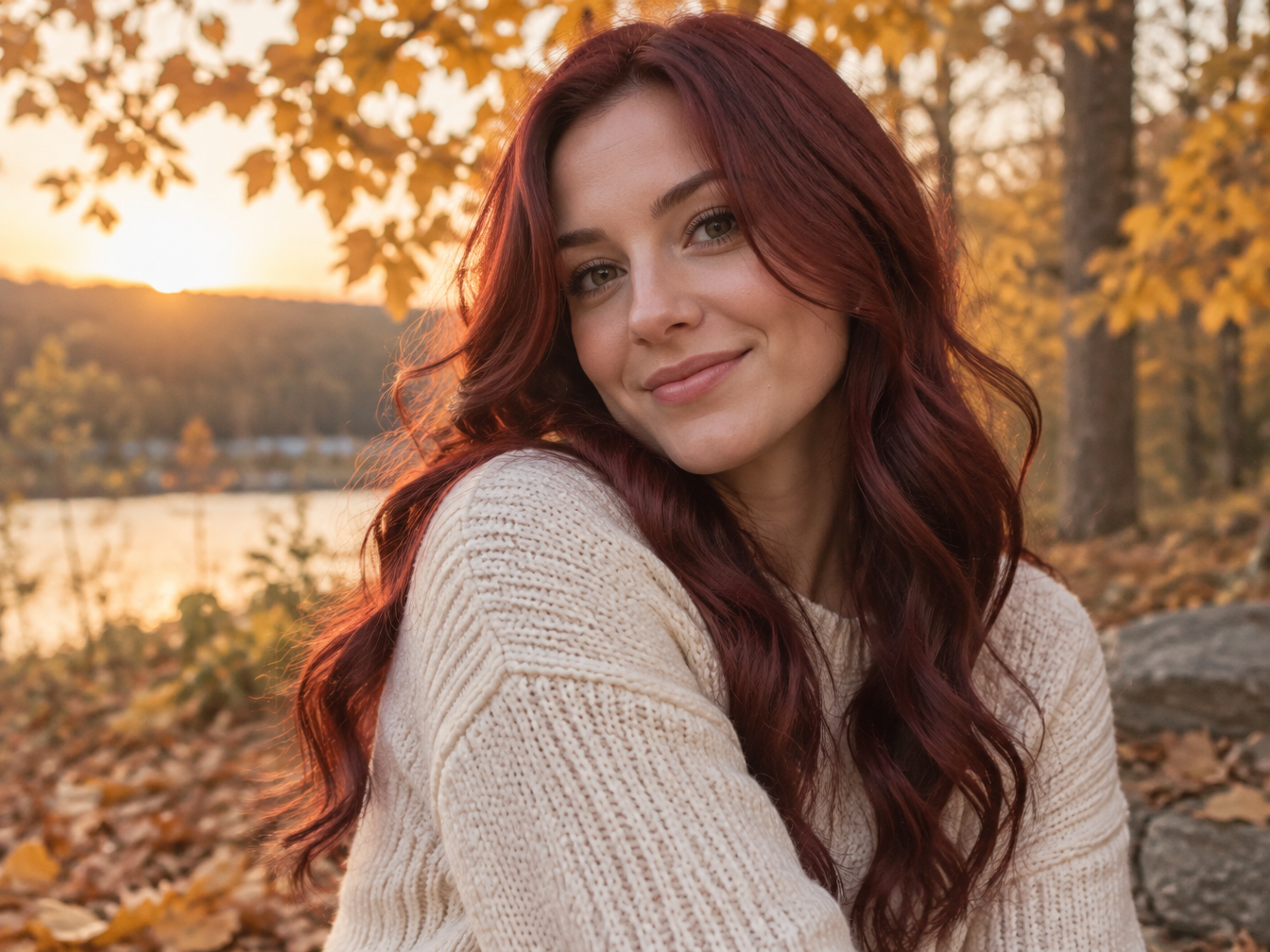
Strip away the box dye and the salon chair and the screenshots, and here’s what a hair change usually means.
You’re ready for something to be different. Not necessarily bigger, not necessarily louder. Just different.
That’s not shallow, and it’s not a cry for help, and it’s not a phase. It’s a small, visible way of saying that you’ve changed and you’d like your reflection to catch up.
So if you’re standing in the bathroom with the box in your hand, don’t just ask what color you want. Ask what you’re ready to become.
Then let your hair say it first.
Sources
- Women’s Weekly Singapore. “Why Do We Change Our Hair Dramatically After Going Through A Break-Up?” womensweekly.com.sg/your-life/why-do-we-change-our-hair-dramatically-after-going-through-a-break-up
- Image.ie. “I broke up with my boyfriend and now I have bangs.” (includes comments from clinical psychologist Seema Hingorrany, as quoted from the Times of India, and writer Edaein O’Connell.) image.ie/life/broke-boyfriend-now-bangs-146593
- inkl. “Psychology says people who keep changing their hair color aren’t just experimenting, they may be expressing who they are.” inkl.com/news/psychology-says-people-who-keep-changing-their-hair-color-arent-just-experimenting-they-may-be-expressing-who-they-are
- Essence. Article on why people cut their hair after a breakup. essence.com/love/people-cut-hair-after-breakup
