
The smell hits you before you even park. Fried dough, sugar, popcorn, and something unidentifiable but absolutely delicious. Then the lights come into view — the midway blazing against the evening sky, a Ferris wheel spinning slow and golden above everything. That’s the county carnival fair, and somehow, it never gets old.
Most people sleep on these events. They assume fairs are a kid thing, a nostalgia thing, a “my grandparents went” thing. They’re wrong.
A *county carnival fair* in 2026 is one of the best-value, most content-worthy, genuinely fun experiences you can have without dropping festival money. This guide covers everything — rides, food, live entertainment, agricultural exhibits, how to find fairs near you, and the tips that actually make a difference on the day. Whether you’re a first-timer or a fair regular who just wants to maximize the trip, you’re in the right place.
Key Takeaways
-
A county carnival fair is a multi-day community event combining rides, food, entertainment, and agricultural exhibits — not just a traveling carnival
-
Peak fair season runs July through early September, with events on the East Coast nearly every week from June through October
-
Pay One Price wristbands and advance online tickets are almost always the smartest way to save money on rides
-
Fair food is its own culture — eat savory first, prioritize handmade and regional items, and bring cash
-
Arrive early or go at dusk; midday summer heat at an open fairground is avoidable and brutal
Table of Contents
- What Is a County Carnival Fair — and Why Is Gen Z Obsessed?
- Fair Rides in 2026: From Kiddie Classics to Full-On Terror
- County Fair Food: A Deep-Fried Love Letter
- Live Entertainment and Special Attractions at County Fairs
- How to Find County Fairs Near You in 2026
- Carnival Fair Tips That Actually Make a Difference
- Putting It All Together
- Frequently Asked Questions
What Is a County Carnival Fair — and Why Is Gen Z Obsessed?
A county carnival fair is a multi-day outdoor event that blends thrill rides, local food vendors, live entertainment, animal exhibits, competitions, and community programming into one sprawling fairground experience. These events trace back to 18th-century America, when they were essentially farmer meetups — places to show off livestock, compete in baking contests, and sell goods. The first state-level fair in the country was held in Syracuse, New York, in 1841, drawing crowds of up to 15,000 people. Today, the Great New York State Fair alone pulls roughly *one million attendees* over 13 days, according to New York State Fair.
What makes a county carnival fair different from a music festival or a pop-up carnival is the community DNA. These events are run by real people — local nonprofits, fire departments, civic organizations — and the money often goes right back into those communities. Research on the Frontiers | Ritual’s collective effervescence at community events confirms that shared experiences like these create measurable social bonding and a sense of belonging that persists well beyond the event itself.
For Gen Z, that matters. #countyfair has millions of posts on Instagram and TikTok for a reason. County fairs are affordable, spontaneous, aesthetically unreal at golden hour, and genuinely IRL in a way that an algorithm can’t replicate. If you want to turn a fair visit into a full mood boost, think of it like dancing with friends: the music, movement, and shared chaos all make the day feel bigger than it is. The Ferris wheel photo? The fried Oreo reaction video? The drone light show? All fair, all free, all very much worth the trip. The best fair nights often borrow the same visual language as cozy outdoor design, especially when string lights and weathered details make everything feel warmer and more inviting.
State Fair vs. County Fair: What’s Actually the Difference?
State fairs and county fairs share the same DNA, but the scale is completely different. County fairs are locally organized, community-run events — smaller, more intimate, and deeply tied to the specific place they happen in. State fairs are government-supported productions operating at a much larger scale.
The Great New York State Fair runs 13 days and draws close to a million people. A county fair might run four to eight days and draw tens of thousands. If you’re planning a summer fair day, the same logic applies to county fair weather: go early, hydrate, and respect the heat because New York summer hits different in all the ways that matter. Both have rides, food, and entertainment — but a county fair feels like *your* community showing up for itself. That neighborhood energy hits differently, and for a lot of people, it’s actually the better experience.
Fair Rides in 2026: From Kiddie Classics to Full-On Terror
County carnival fair rides cover the full spectrum, from nostalgic classics to full-on adrenaline machines that will have you questioning every decision you’ve ever made. Events like the *Tri-County Fair* in Rockaway, New Jersey run rides including the Polar Express, Free Fall, Sky Fall, and Vertigo — the kind of lineup that gets your heart rate into genuinely dangerous territory. On the calmer end, Ferris wheels, carousels, and classic midway rides are always in the mix. Monster truck rides run all four days at the Tri-County Fair. There’s genuinely something for every personality type.
Most major county fairs offer the full spectrum — high-speed thrill rides alongside family-friendly options — so nobody in your group ends up standing around while everyone else screams.
How to Get the Best Deal on Carnival Fair Tickets
The smartest financial move at any county carnival fair is a **Pay One Price (POP) wristband**. If you’re planning to ride more than four or five times, the wristband almost always wins over individual tickets.

Here’s what real deals look like right now:
-
The Genesee County Fair in Batavia, NY offers unlimited ride wristbands for $35/day, plus a $20 Kids Day Special on select afternoons
-
The Tri-County Fair in Rockaway, NJ runs POP deals specifically on opening and closing nights — if your schedule is flexible, those are the nights to go
-
The Erie County Fair in Hamburg, NY drops from $19 to $15 per person when you buy admission online in advance
-
The Allegany County Fair offers $5 admission on Family Day Wednesday — a significant cut if weekday visits work for you
-
Almost every fair sells advance tickets on their official website at a discount; checking before you show up takes two minutes and saves real money
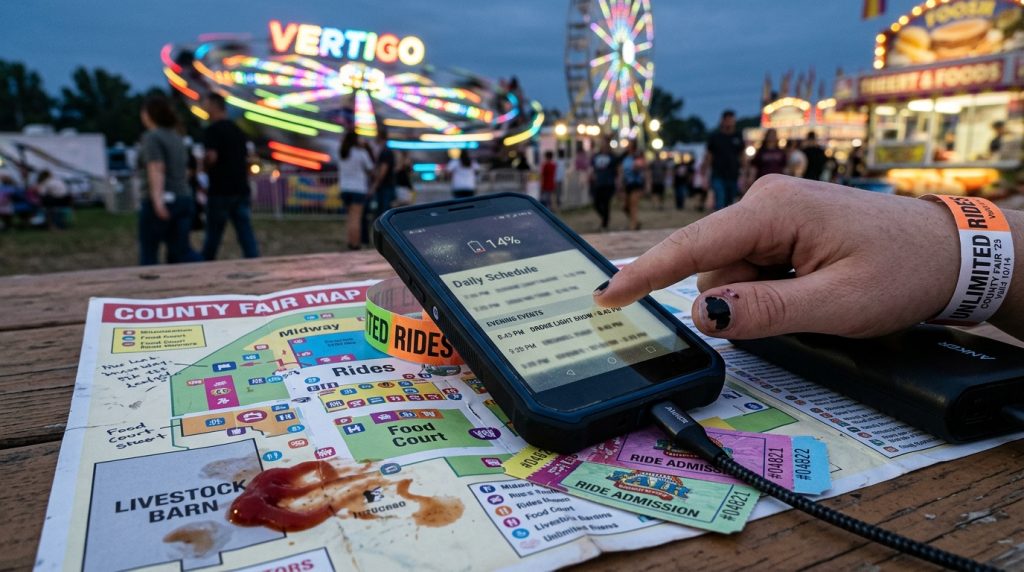
County Fair Food: A Deep-Fried Love Letter
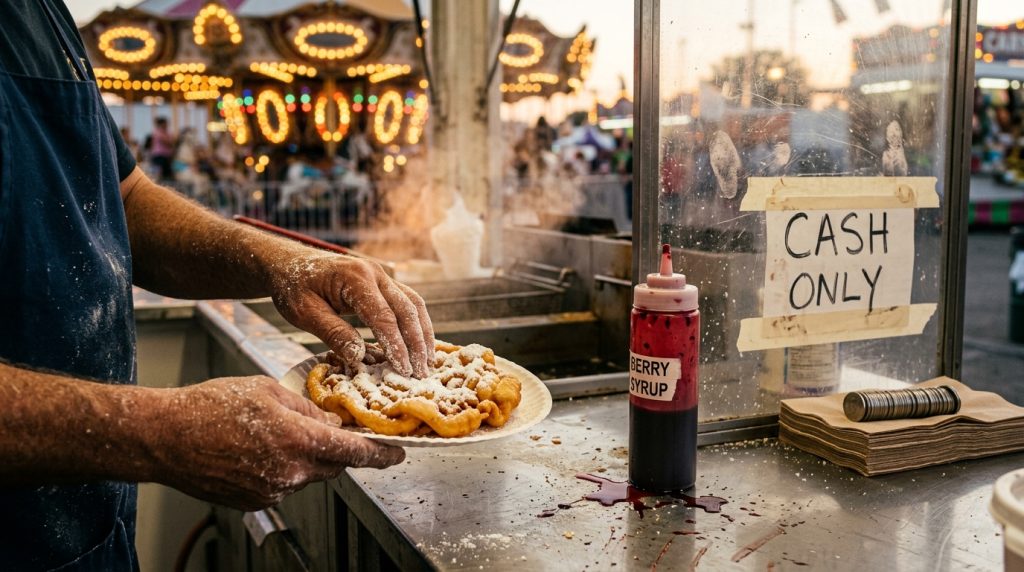
County fair food is not a category you approach with moderation in mind. This is fried Oreos, funnel cake, zeppoles, candy apples, sausage and peppers, fresh-squeezed lemonade, wine slushies, tacos, and empanadas — all available within a 500-foot radius of each other.
A recent study on Frontiers | Food events from the perspective of visitors and vendors found that food variety and local vendor authenticity are primary drivers of fair attendance and repeat visits. According to the International Association of Fairs and Expositions, food and beverage are consistently ranked among the top reasons attendees return to fairs year after year. That tracks completely.
The *Tri-County Fair* brings Cold Stone ice cream and handmade zeppoles alongside tacos and empanadas. The *Erie County Fair* in Hamburg, NY has made deep-fried Oreos and wine slushies into pilgrimage-worthy menu items. The *Cattaraugus County Fair* in Little Valley, NY goes hard on candy apples and fried dough.
Some county fairs have essentially become food festivals. The *National Buffalo Wing Festival* in Buffalo, NY turns Sahlen Field into a wing lover’s paradise — competitive eating contests, wing pairings, and the legendary “bobbing for wings” contest (a baby pool full of wings and blue cheese dressing, no hands allowed). The *Annual Spiedie Fest & Balloon Rally* in Binghamton, NY, now in its 42nd year, is built entirely around the Spiedie — a regional sandwich icon featuring cubes of marinated meat in a sub roll that has absolutely no business being as good as it is.
What to Eat at a County Fair: A No-Regrets Game Plan
Don’t lead with sugar. Seriously — funnel cake first means you’re tapped out before you hit the halfway point of the midway.
-
Start savory: sausage and peppers, tacos, or empanadas before anything else. You’ll last longer and make better decisions
-
Prioritize handmade and regional items over generic chain-style vendors; handmade zeppoles and fresh-squeezed lemonade are in a different tier than anything pre-packaged
-
Regional picks worth knowing: Cold Stone + zeppoles at the Tri-County Fair (NJ); deep-fried Oreos + wine slushies at the Erie County Fair (NY); candy apples + fried dough at the Cattaraugus County Fair (NY)
-
Bring cash — many food vendors and game booths still prefer it, and hunting for an ATM mid-corn dog is a whole unnecessary situation
“Food and beverage are consistently ranked among the top reasons attendees return to fairs year after year.” — International Association of Fairs and Expositions
Live Entertainment and Special Attractions at County Fairs
County fair entertainment has leveled up significantly, and calling it “just rides and food” undersells it badly. The *Great New York State Fair* brings in ZZ Top, Sean Paul, Ashanti, and Trace Adkins for its 13-day run. The *Erie County Fair* in Hamburg, NY books Blues Traveler, Gin Blossoms, and Spin Doctors for its 12-day “best days of summer.” The *Dutchess County Fair* in Rhinebeck, NY features Chase Matthew and 38 Special — a mix of ticketed and free concerts.
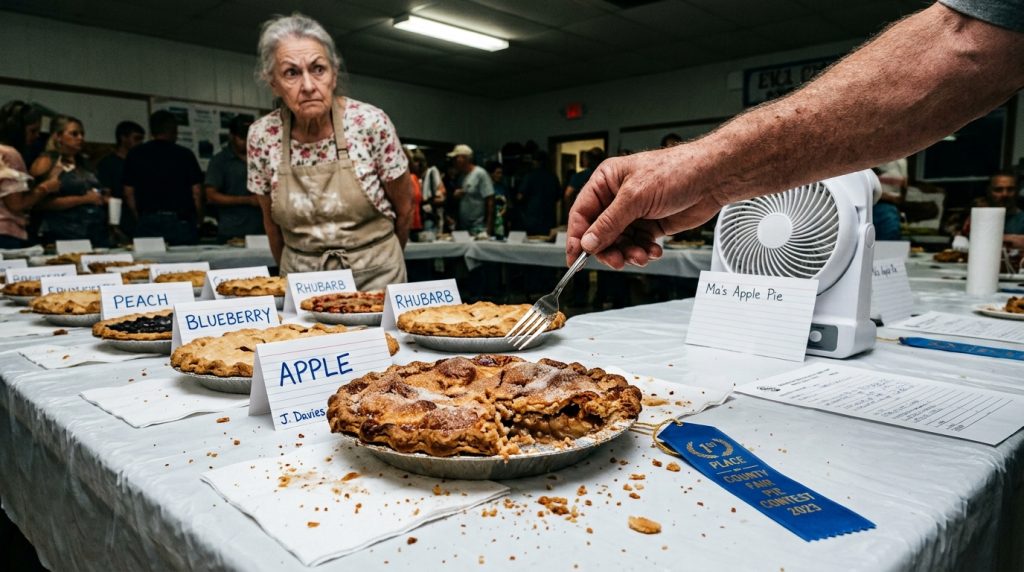
Beyond the big-name acts, the specialty entertainment is genuinely great. The *Tri-County Fair* runs a free drone light show every Friday night at approximately 9:15 PM — a visually stunning, shareable moment that costs you exactly nothing with admission. *Arestov’s Acrobatic Extravaganza* runs Thursday and Sunday at the same event. The *Cattaraugus County Fair* has Lance Gifford’s magic and hypnosis shows, Areli Equine Entertainment’s trick riding and circus bareback, and the absolutely chaotic *Swifty Swine Racing Pigs*. Racing pigs are a top-tier fair moment and there is no argument.
One of the most underrated advantages county fairs have over outdoor parties: a lot of this entertainment comes free with admission. That’s a legitimate value difference that most people don’t fully account for.
Agricultural Exhibits: The OG Fair Content That Still Slaps
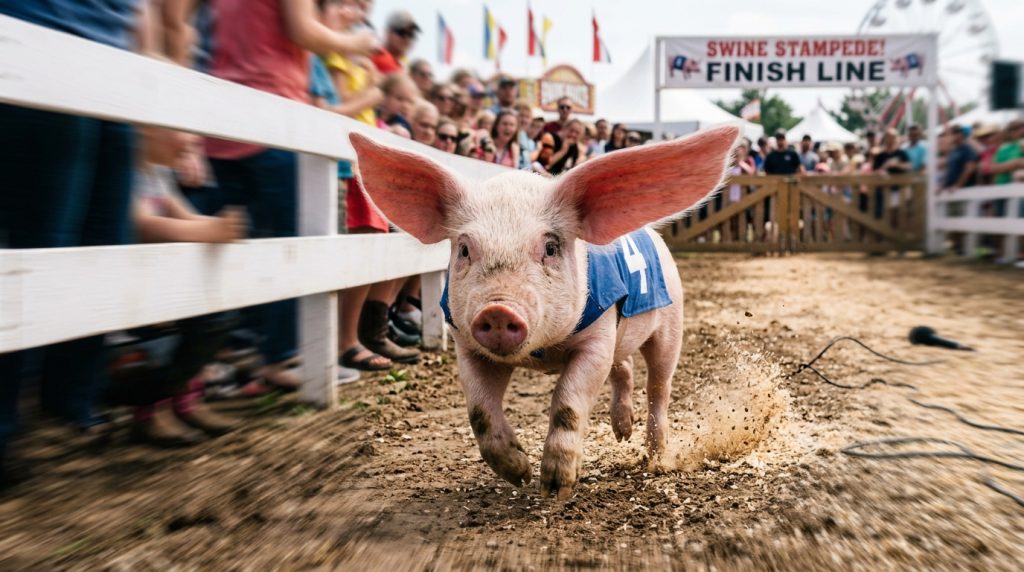
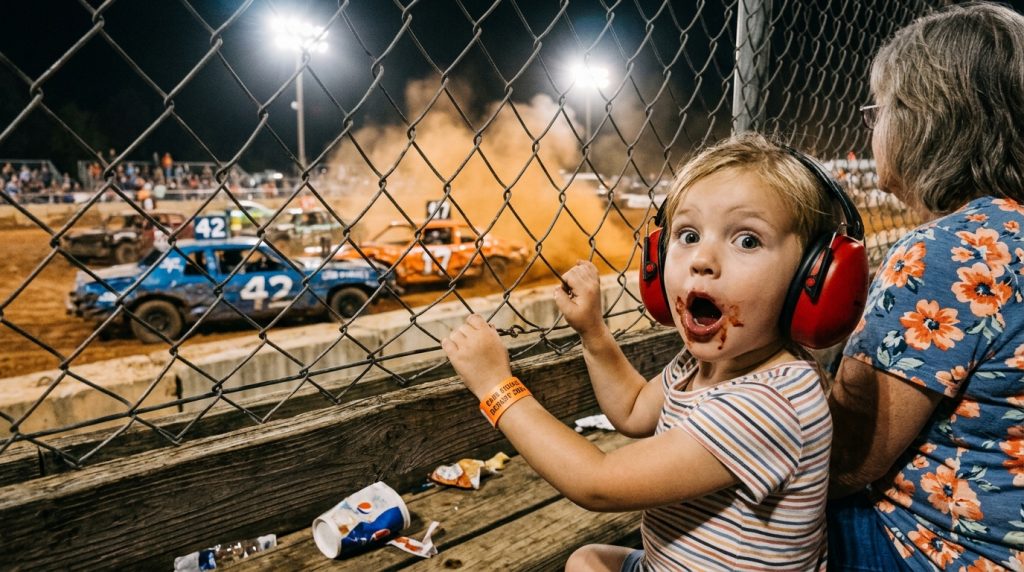
Livestock shows, tractor pulls, horse shows, 4-H competitions, and demolition derbies are at virtually every county fair in the country — and they’re the element that separates this experience from a regular carnival. It’s worth noting that fairs with live animal exhibits maintain health protocols; Frontiers | Evaluating preventive measures research highlights how agricultural fairs in the US actively manage zoonotic transmission risks to keep animal encounters safe for all attendees. The *Saratoga County Fair*, running continuously since 1841, puts agricultural heritage front and center with livestock exhibits and horse shows. The *Allegany County Fair*, now in its 181st year, includes tractor pulling, a kids’ rodeo, and a fan-favorite Demolition Derby to close out the week.
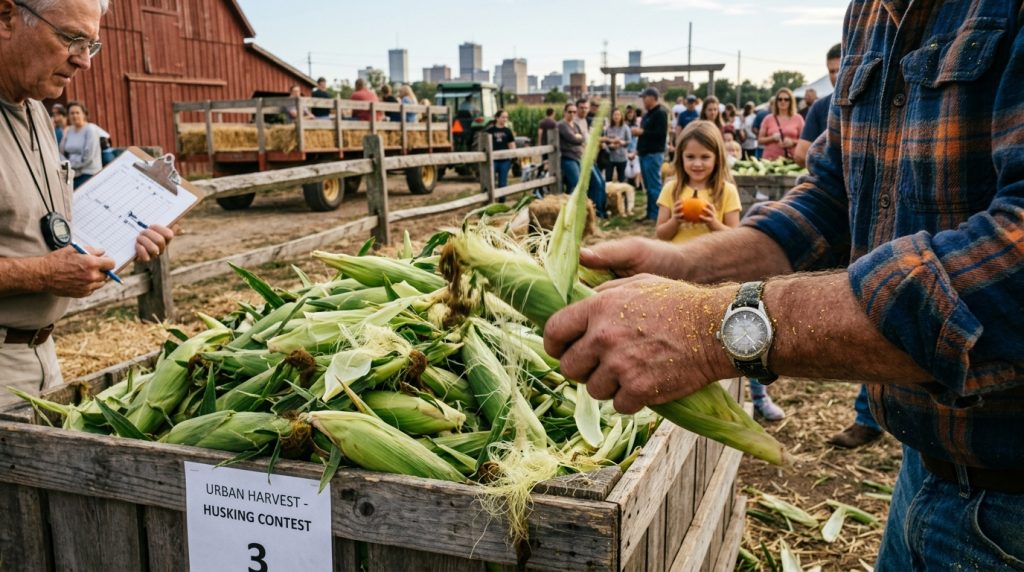
The wildcard entry here is the *Queens County Agricultural Fair* in New York City — held at the Queens County Farm Museum, where the land has been farmed continuously since *1697*. It features pie eating, corn husking contests, hayrides, and the only corn maze in New York City. The *Genesee County Fair* lets you meet ponies and pigs up close.
For a generation that grew up thinking seriously about food sourcing and sustainability, actually seeing where food comes from — in person, up close — lands differently than any documentary ever could.
How to Find County Fairs Near You in 2026
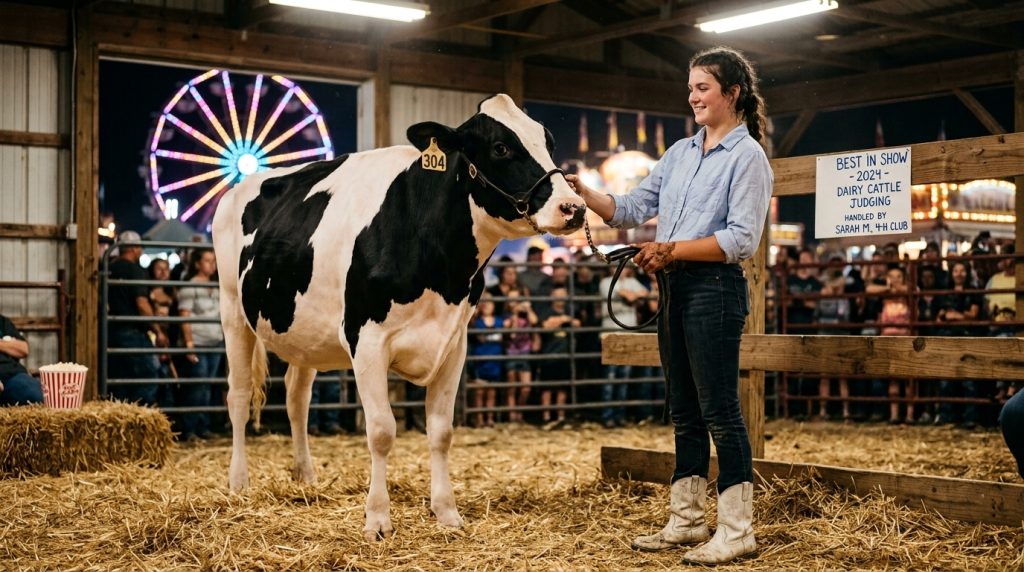
County carnival fair season runs late spring through fall, with peak season from July through early September. For those interested in agricultural exposition events specifically, research on Improvement in stands pricing at agricultural expositions offers useful context on how fair organizers allocate vendor space and set admission tiers — factors that directly affect your on-the-ground experience. The East Coast is especially packed — there are events running nearly every week from June through October. The season kicks off in late spring with smaller, community-run fairs and builds into the massive multi-day events by August and September.
For finding fairs by location, Findyourfair.com maintains a full searchable map of New York State county fairs and runs the *NY State County Fairs Passport* program — essentially a fair crawl challenge where you collect stamps from fairs across the state. It’s built for social content. Dreamland Amusements also keeps an updated East Coast carnival and amusement event schedule with dates and location details.
Shownd (shownd.com) publishes practical outdoor event guides covering everything from food logistics to crowd navigation — useful reading for anyone planning their first county fair trip or trying to get more out of the experience.
2026 County Fair Schedule: Key Dates Across the US
Admission ranges from completely free (Tri-County Fair NJ, Gouverneur & St. Lawrence County Fair NY) to $15–$20 per adult at the gate. Always check official fair websites for advance pricing — you’ll almost always save a few dollars.
| Fair Name | Location | 2026 Dates |
|---|---|---|
| Bellmore Fireman’s Fair | Bellmore, NY | June 25–28 |
| Orange County Fair | Middletown, NY | July 23–Aug 2 |
| Ulster County Fair | New Paltz, NY | Aug 4–9 |
| Erie County Fair | Hamburg, NY | Aug 12–23 |
| Dutchess County Fair | Rhinebeck, NY | Aug 25–30 |
| Great New York State Fair | Syracuse, NY | Aug 26–Sep 7 |
| Schaghticoke Fair | Schaghticoke, NY | Sep 2–7 |
| Hebron Harvest Fair | Hebron, CT | Sep 10–13 |
| Five County Fair | Farmville, VA | Sep 22–26 |
| Fryeburg Fair | Fryeburg, ME | Oct 4–11 |
Carnival Fair Tips That Actually Make a Difference
Timing is the biggest lever most people ignore. Showing up at noon on a hot Saturday in August means long lines, blistering heat, and peak crowd energy in the worst possible way. Go early and you get shorter lines and cooler air. Go at dusk and you get something completely different — the fair lights up, the temperature drops, the vibe shifts into something almost cinematic. Evening at a county carnival fair is a different experience, and it’s almost always the better one.
The other big lever is preparation. Buying tickets online in advance, checking the entertainment schedule before you arrive, and following the fair’s social accounts for real-time updates takes maybe 15 minutes total. That 15 minutes will save money, prevent you from missing the drone show, and keep you from standing in the wrong line for 20 minutes.
You want an easy, socially acceptable way to cancel plans without overexplaining, spiraling, or feeling guilty.
This list gives you 50 humorous, believable excuses you can copy, paste, and send in seconds. ⭐
What you get:
• Instant download (EPUB format)
• 10 chapters, ~41 pages
• Compatible with Kindle (via Send to Kindle), Apple Books, Kobo, Google Play Books, and any standard ereader 📖
About this book:
You’ll discover excuse options tailored to real-life situations, from being “overbooked” to needing body maintenance to work suddenly swallowing your evening.
Each entry is written to sound specific and believable, so your message lands without sounding like a mystery or a lie.

You’ll also get quick script-style phrasing you can use right away, plus a simple way to reschedule that keeps things smooth.
By the end, you’ll feel more in control of your calendar and your energy. 👥
Perfect for:
• Introverts who want low-drama cancellations
• People who hate overexplaining or ghosting
• Anyone who needs a quick, socially acceptable script 📥
How it works: Instant download through Gumroad. Re-download anytime from your Gumroad library.
Questions? Send a message through Gumroad anytime.
Quick-Hit County Fair Tips at a Glance
A few more moves that genuinely matter on the day:
-
Wear actual sneakers — fairgrounds are big. The Tri-County Fair alone covers 107 acres. Your feet will tell the story if you wear the wrong shoes
-
Bring a mix of cash and card — many food vendors and game booths are cash-only, and ATMs at fairgrounds charge fees that feel personal
-
Check the entertainment schedule when you arrive — drone shows, acrobatics, and demolition derbies have set times; wandering is great, but missing the racing pigs because you were in a funnel cake line is a loss you’ll feel
-
Follow the fair’s social accounts — schedule updates, last-minute discount codes, and giveaways come through there first
-
Weekday visits beat weekends — shorter lines, cooler temps, and better deals are all more likely Tuesday through Thursday
-
Consider volunteering — events like the Tri-County Fair recruit hundreds of volunteers annually; it’s a completely different way to experience the fair and gives something real back to the community
Putting It All Together
County carnival fairs are one of the few experiences left that deliver genuine value at every price point — from the free drone light show to the $35 unlimited ride wristband to the five-dollar fried dough that tastes better than anything you’d pay three times as much for at a food festival.
They’re community events, which means the energy is real. They’re seasonal, which means there’s actual urgency. And they’ve been running for over 180 years because they keep giving people something worth coming back for.
Use the 2026 schedule above, buy your tickets in advance, eat savory first, and show up at dusk. The Ferris wheel will be lit up and the midway will be glowing, and you’ll understand immediately why nobody ever regrets going to the fair.
Frequently Asked Questions
What Is the Difference Between a County Fair and a State Fair?
County fairs are locally organized, community-run events — smaller in scale, more intimate, and often operated by nonprofits or civic groups. State fairs are government-supported, significantly larger productions. The Great New York State Fair draws roughly one million attendees over 13 days. County fairs have the same rides and food but carry a grassroots, neighborhood energy that’s genuinely distinct.
When Is County Fair Season in the US?
County fair season runs late spring through fall, with **peak season from July through early September**. The East Coast is especially packed, with events running nearly every week from June through October. Some fairs, like the Fryeburg Fair in Maine, run into October for a full fall harvest atmosphere.
Are County Fairs Free to Attend?
Admission varies widely. Some fairs — like the Tri-County Fair in NJ and the Gouverneur & St. Lawrence County Fair in NY — are completely free to enter. Others charge $15–$20 per adult at the gate. Rides, food, and games are almost always separate costs regardless of admission. Advance online tickets typically save $3–$5 per person.

What Should I Bring to a County Fair?
Comfortable sneakers are non-negotiable — a summer wedding and you’ll walk more than expected. Bring a mix of cash and card, sunscreen, a portable phone charger, and a light jacket for evening. Check the weather before going; outdoor fairgrounds offer little shelter from sudden rain or heat. A small backpack beats carrying things by hand all day.
Are County Fairs Good for Kids?
Yes — county fairs are among the most family-friendly outdoor events around. Most offer kiddie rides, pony rides, farm animal encounters, 4-H exhibits, and discounted kids’ day pricing. Many fairs offer free admission for children under 10 or 12. Always check the specific fair’s age policy on their official website before you go. If you’re going to dress up for the fair, don’t overlook the details; even a little glitter polish can make your photos pop under the midway lights.
