
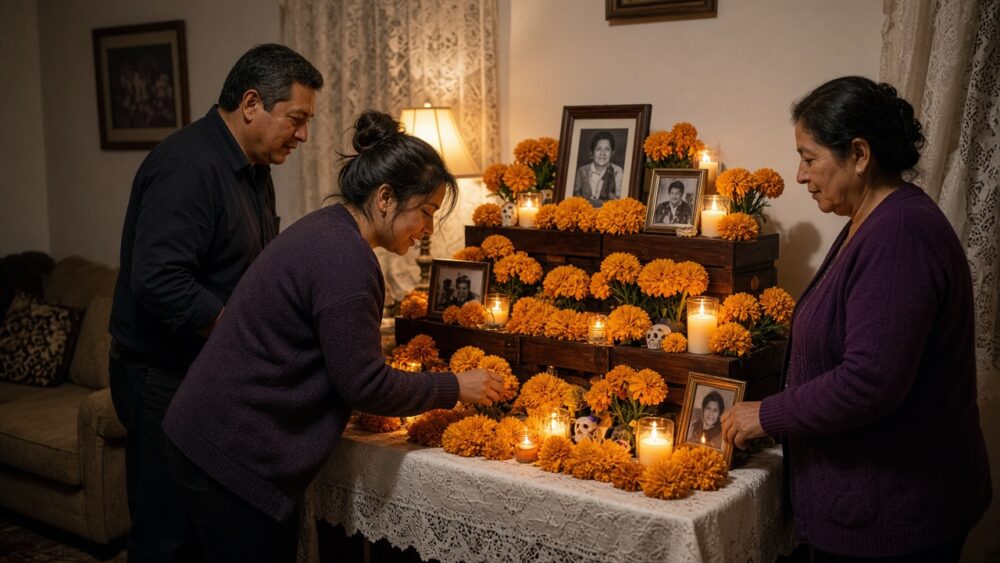
There’s a moment that happens on the night of November 2nd in a lot of Mexican homes. Someone lights the last candle on the altar, steps back, and looks at a photo of a person they lost. Their grandmother, maybe. Their dad. A best friend who was supposed to be here. And instead of crying (okay, sometimes also crying), they smile, because the house smells like marigolds and sweet bread and copal smoke, and for one night it feels like that person came home.
That’s the feeling at the center of Día de los Muertos. Not spooky. Not a costume contest. A reunion.
Which is exactly why the outfits and the makeup matter so much. When you paint a Catrina face or pin marigolds in your hair, you’re not dressing up as a monster. You’re dressing up for a party where the guests of honor are dead, and they deserve your best look.
So here’s the plan: a quick, honest look at what this holiday means (so you show up as a guest, not a tourist), then outfits, then Catrina makeup from full face to “I have a meeting tomorrow,” then a few ofrenda touches for your home.
First, What Día de los Muertos Actually Is (and Why It’s Not “Mexican Halloween”)
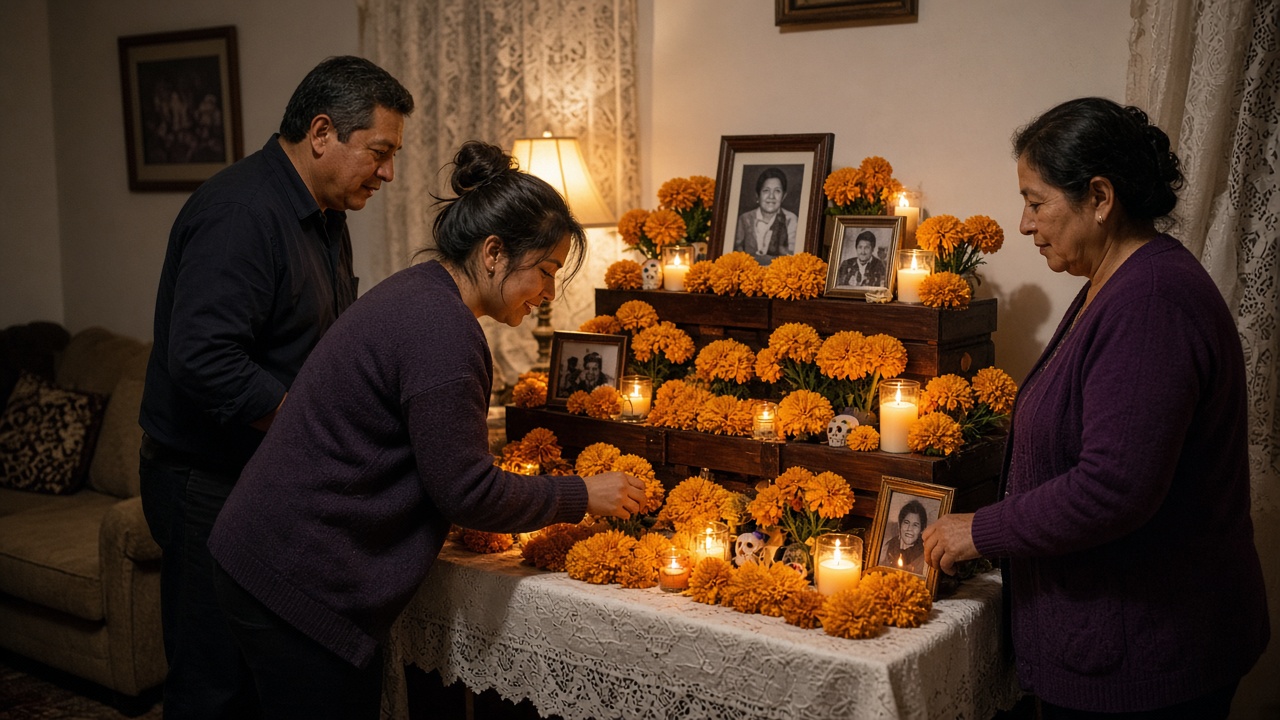
Día de los Muertos, the Day of the Dead, is celebrated mainly on November 1st and 2nd. Traditionally, November 1st is for children who have died (sometimes called Día de los Angelitos), and November 2nd is for adults. The roots go back thousands of years to Indigenous traditions in what is now Mexico, which later blended with the Catholic All Saints’ and All Souls’ Days. UNESCO lists it as Intangible Cultural Heritage, which is a fancy way of saying: this belongs to real communities.
The core belief is simple and kind of beautiful. Once a year, the souls of the people you’ve lost come back to visit. So you make it easy for them. You build an altar, called an ofrenda, filled with their photos, their favorite foods, candles to light the way, and bright orange cempasúchil (marigolds) whose color and scent guide them home. If you’re creating an ofrenda-inspired display at home, a dedicated sacred space can help keep it intentional rather than decorative. Families decorate graves, sit in cemeteries all night, tell stories, and eat. Personal symbolic objects can also make a home remembrance feel specific to the person being honored.
It overlaps with Halloween on the calendar, and that’s about it. Halloween is about fear and fun. Día de los Muertos is about memory and love. Calling it “Mexican Halloween” is like calling a wedding “a fancy birthday party.” Technically there’s cake. You’ve still missed the point.
Who Is La Catrina, Anyway?
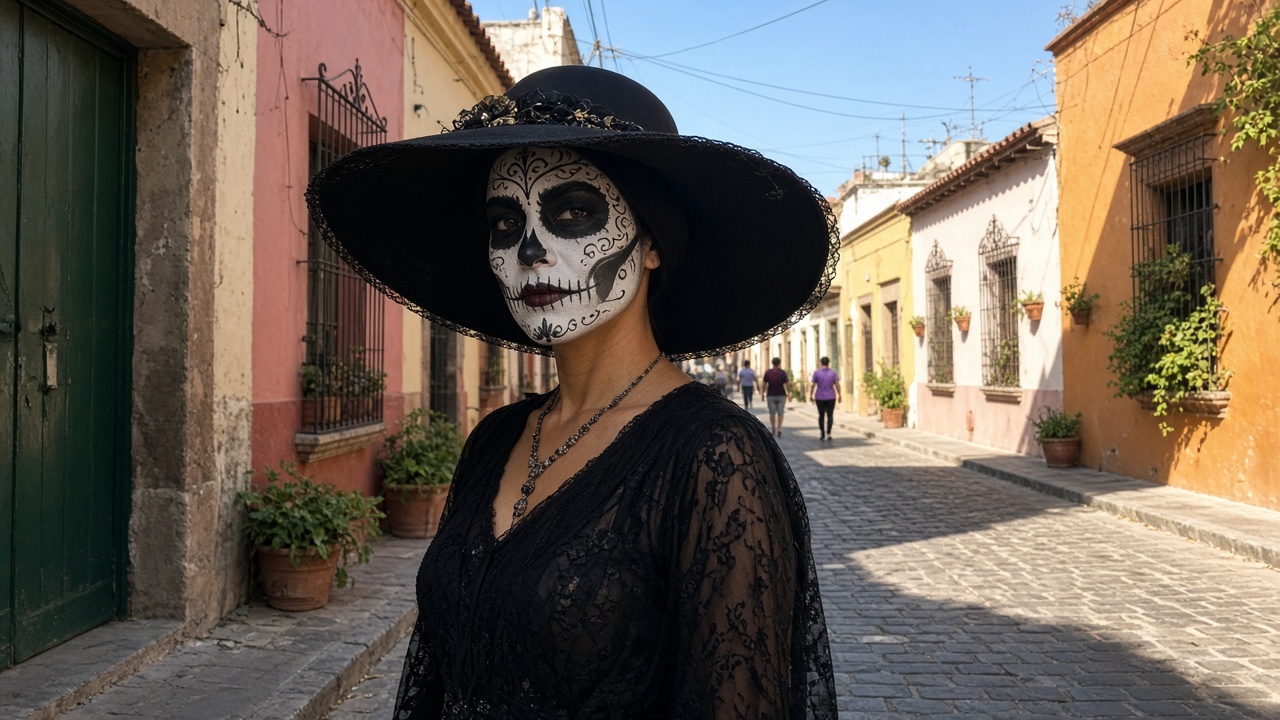
The elegant skeleton lady in the giant feathered hat has a surprisingly punk backstory. Around 1910, the Mexican printmaker José Guadalupe Posada made an etching of a skeleton wearing a fancy European-style hat. It was satire. He was mocking Mexicans who pretended to be European aristocrats, the point being: rich or poor, fancy hat or not, we all end up as bones.
Decades later, the painter Diego Rivera put her in a famous mural, dressed her up in full glamour, and gave her the name that stuck: La Catrina. Today she’s a symbol of the whole holiday. Death as the great equalizer, but make it fashion.
So when you paint a Catrina face, you’re wearing a hundred-year-old joke about vanity. It keeps things humble.
How to Celebrate Respectfully If It’s Not Your Culture
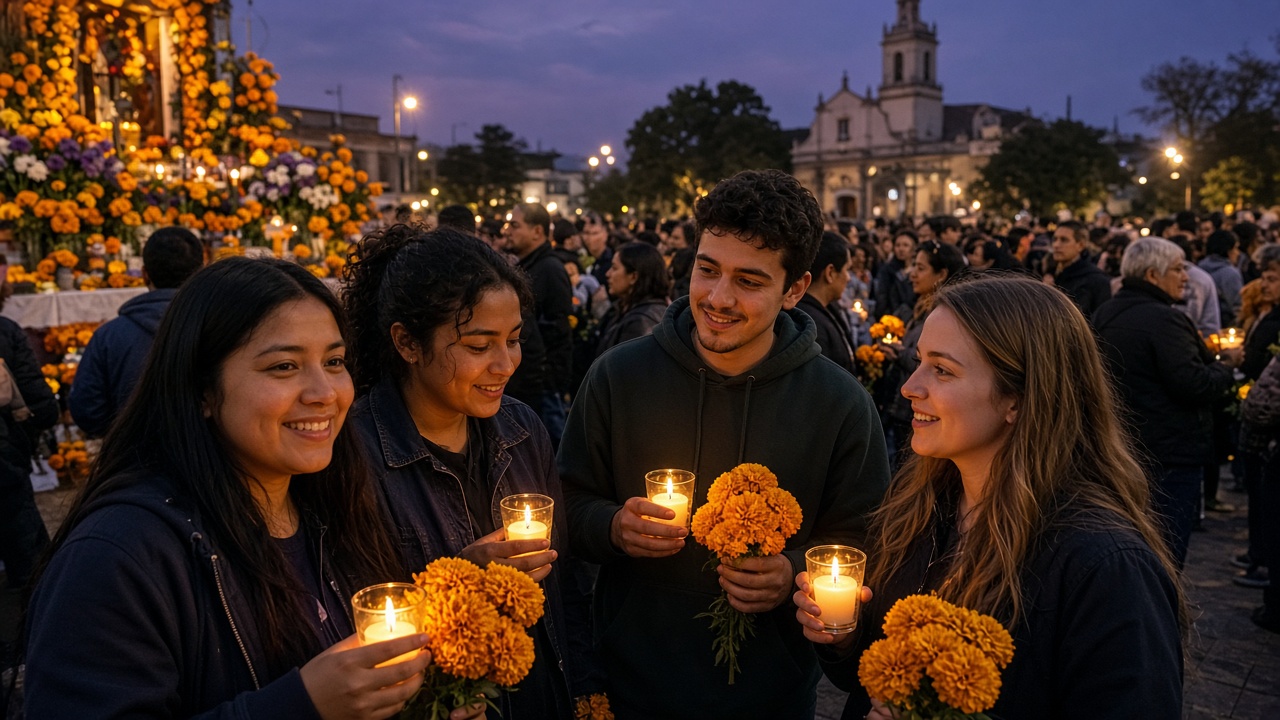
You can absolutely join in. Mexican communities have been generous about sharing this holiday. But “you can join” and “anything goes” are very different sentences. Ground rules:
- Make it about someone. The single best thing you can do is honor a person you’ve actually lost. Put their photo out. Say their name. That turns your look from a costume into a tribute.
- Skip the “sexy skeleton” costume. Catrina makeup on its own is widely embraced. Turning it into a Halloween party gimmick with a plastic sombrero is where it slides into mockery.
- Buy from Mexican makers. Embroidered blouses, papel picado, sugar skulls, and hand-painted crafts made by Mexican and Mexican-American artisans keep money and credit where they belong.
- Go to a real celebration. Community centers, museums, and Mexican-run events often host ofrendas. Show up, buy the pan de muerto, listen more than you talk.
- Don’t treat it like a photo backdrop. If you visit a cemetery during the vigil, remember that people are mourning there. Ask before you take pictures of anyone or their family’s altar.
Respect isn’t about being scared of getting it wrong. It’s about remembering that this is someone’s grandmother’s altar, not a set.
Día de los Muertos Outfit Ideas That Feel Festive, Not Costume-y
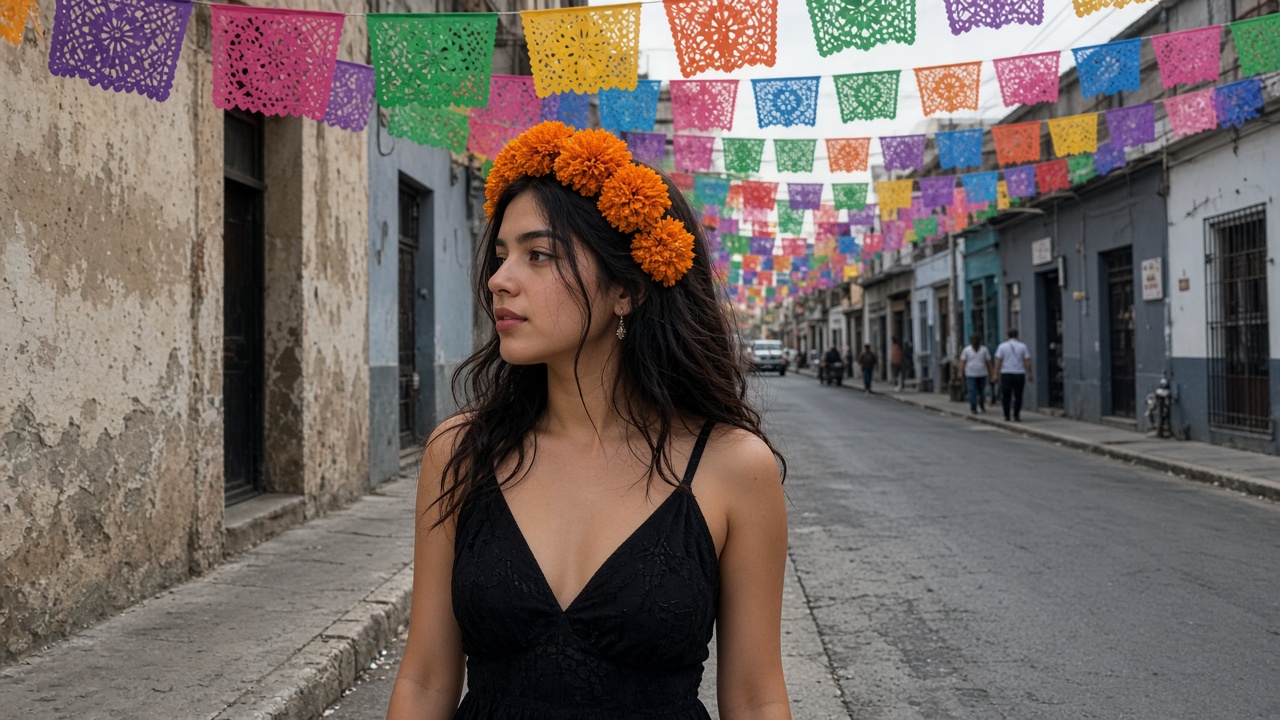
Good news: you don’t need a costume. You need a color story and one thing that clearly says “I know what tonight is.” For a polished everyday base, borrow a few casual chic styling principles and let the festive details do the talking. The best looks at real celebrations are normal clothes worn with intention. For hair, romantic hairstyles with soft movement can balance a graphic Catrina face without competing with it.
Start With the Color Palette
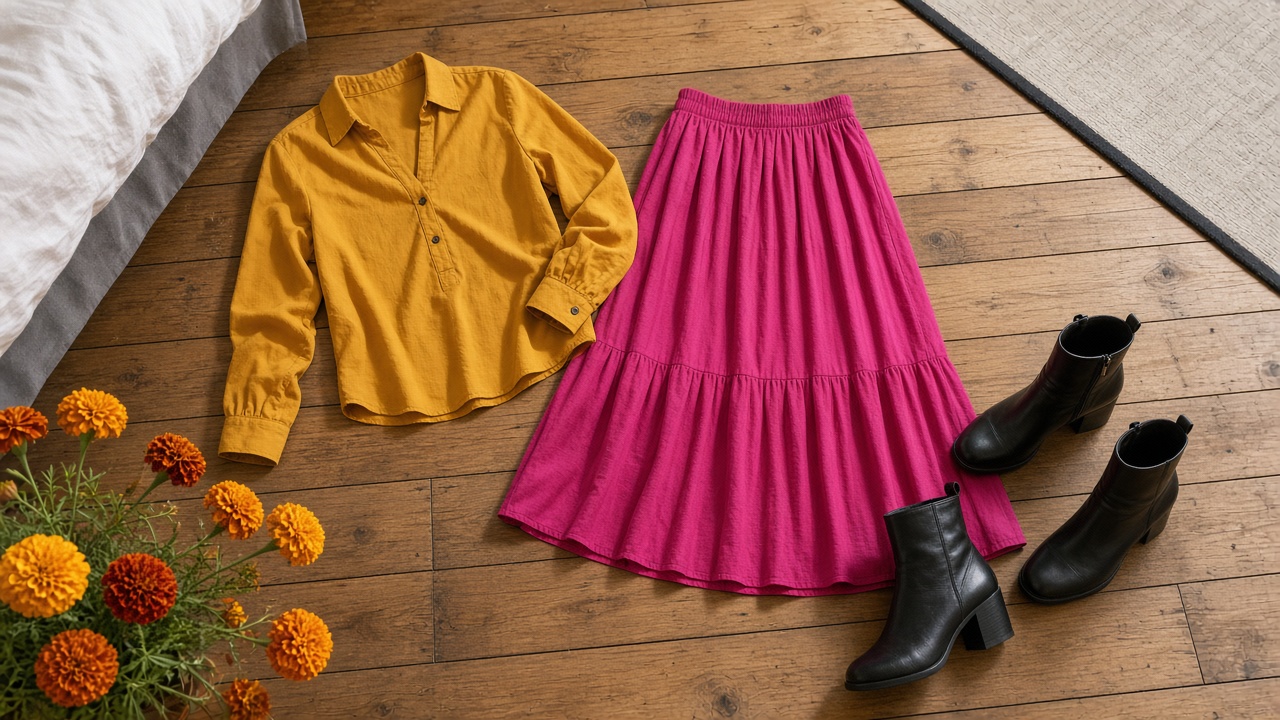
Día de los Muertos has a built-in palette, and it does half the styling work for you: A colorful scarf can bring in the palette through your hair, neck, or bag without turning the outfit into a costume.
- Marigold orange and yellow: the color of cempasúchil, the flower that guides souls home. The holiday’s signature.
- Rosa mexicano (hot magenta pink): joyful, loud, very Mexican, impossible to look sad in.
- Purple: traditionally associated with mourning and grief in Mexico.
- Black: the base that makes everything else glow.
Pick one or two and build around them. A magenta skirt with a black top. A marigold blouse with dark jeans. Purple and black with gold earrings. It all looks amazing next to candlelight.

The All-Black Base With One Loud Thing
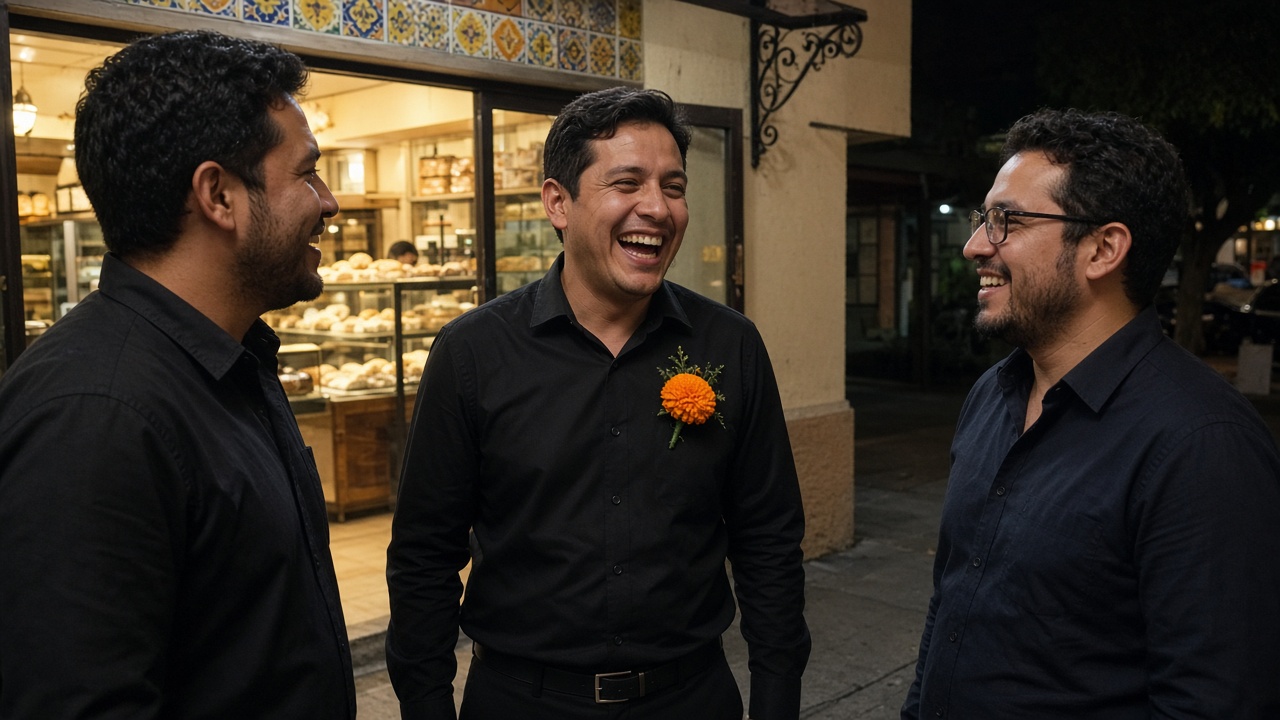
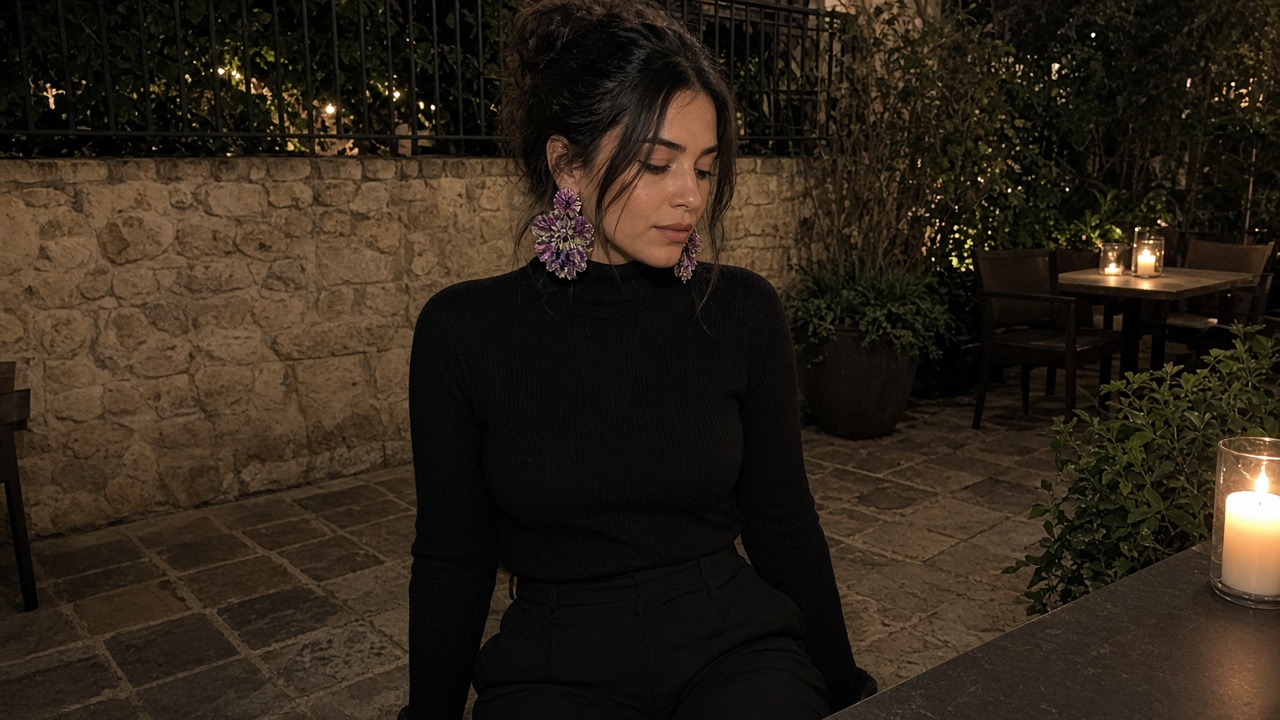
Nervous about overdoing it? Wear black head to toe (dress, suit, jeans and a nice top, whatever), then add one bold detail:
- A crown or clip of real or fabric marigolds.
- Big statement earrings: embroidered, beaded, or painted flower ones.
- A bright rebozo (a traditional Mexican shawl) or a colorful scarf around your shoulders.
- A marigold boutonniere on a dark suit, the easiest menswear upgrade ever.
The black reads as solemn. The loud thing reads as celebration. Together they say “I’m grieving and partying at the same time,” which is the entire vibe.
Embroidered Blouses and Folk Details (Buy Them From the Right People)
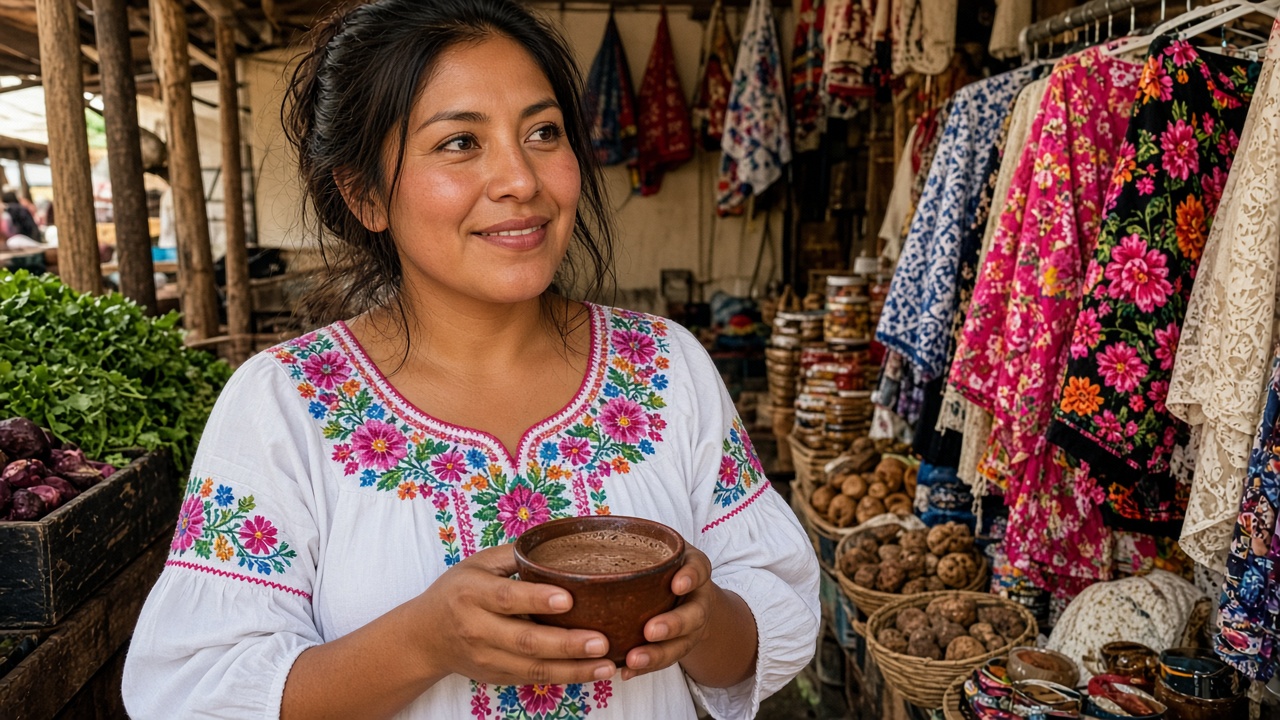
A cotton blouse with bright floral embroidery is one of the prettiest things you can wear tonight. Jeans or a black midi, gold hoops, red lip, done.
One honest note here. Many traditional Mexican garments, like the huipil, carry designs that are specific to particular Indigenous communities, and fast-fashion brands have been caught copying them without credit or payment. So if you want the embroidered look, buy from Mexican artisans or brands that work directly with them. You’ll get a better piece, and the person whose great-grandmother invented that pattern actually gets paid. Everybody wins except the knockoff factory.
Flower Crowns, Hair, and Accessories
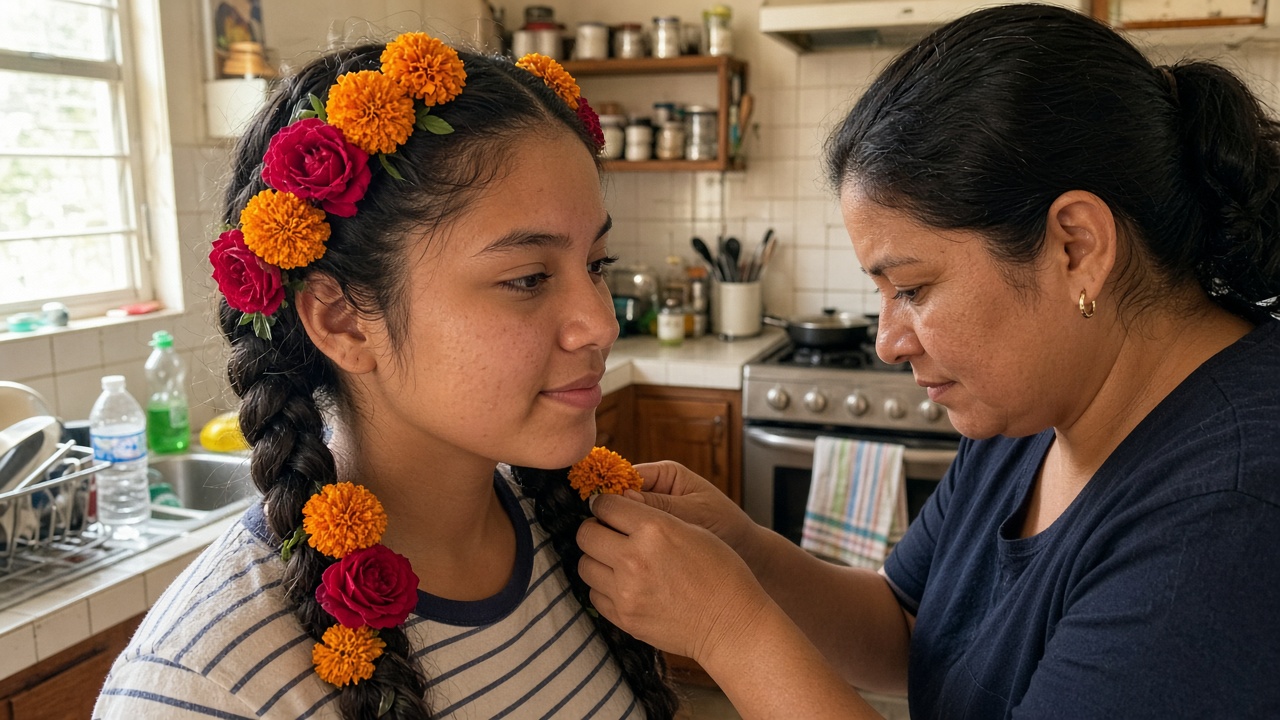
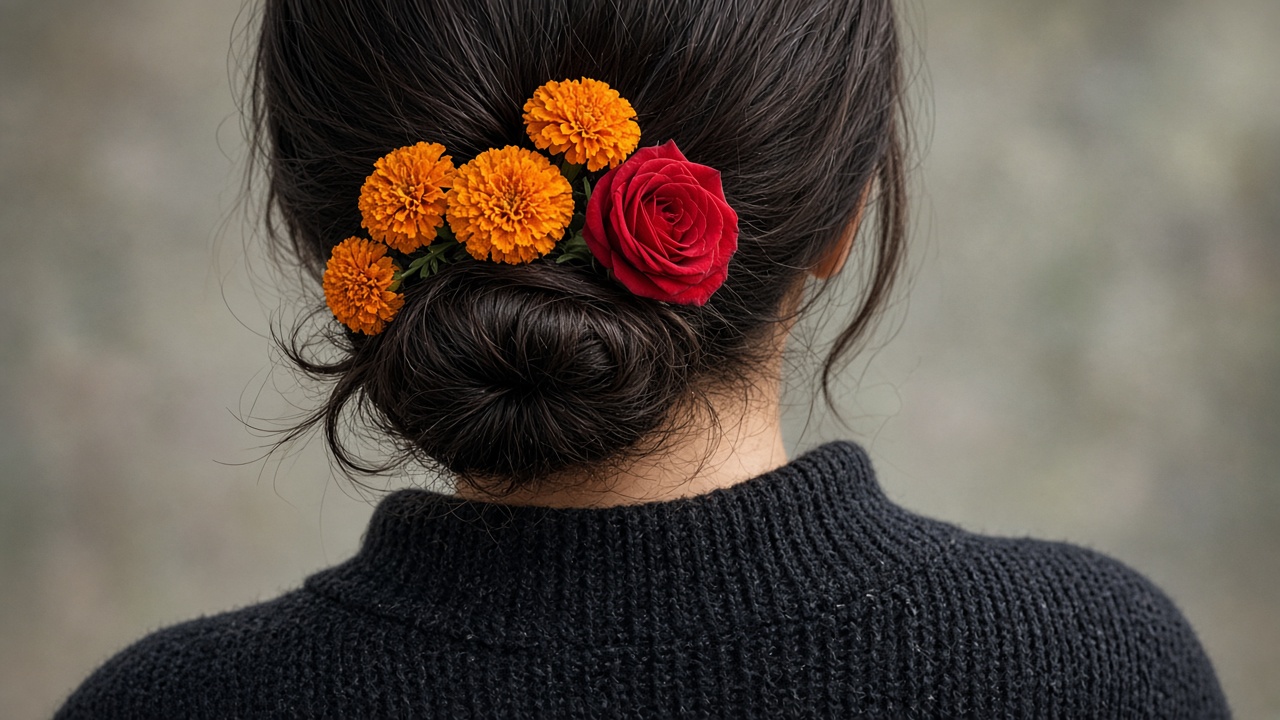
The flower crown is the accessory most people think of first, and it earns its place. A few ways to wear it without it feeling like a music festival leftover:
- Go real when you can. Fresh marigolds smell incredible. Wire a few onto a thin headband that afternoon and mist them so they don’t wilt.
- Try a side cluster instead of a full crown. Three or four flowers pinned above one ear over braids or a low bun looks effortless.
- Mix sizes. One big rose or dahlia with smaller marigolds around it looks more natural than a row of identical blooms.
- Keep jewelry warm. Gold hoops, filigree earrings, and stacked bangles all sing with orange and magenta.
With full Catrina makeup, flowers frame the face. With minimal makeup, they carry the whole look.
Dress for the Actual Night (Comfort Counts)
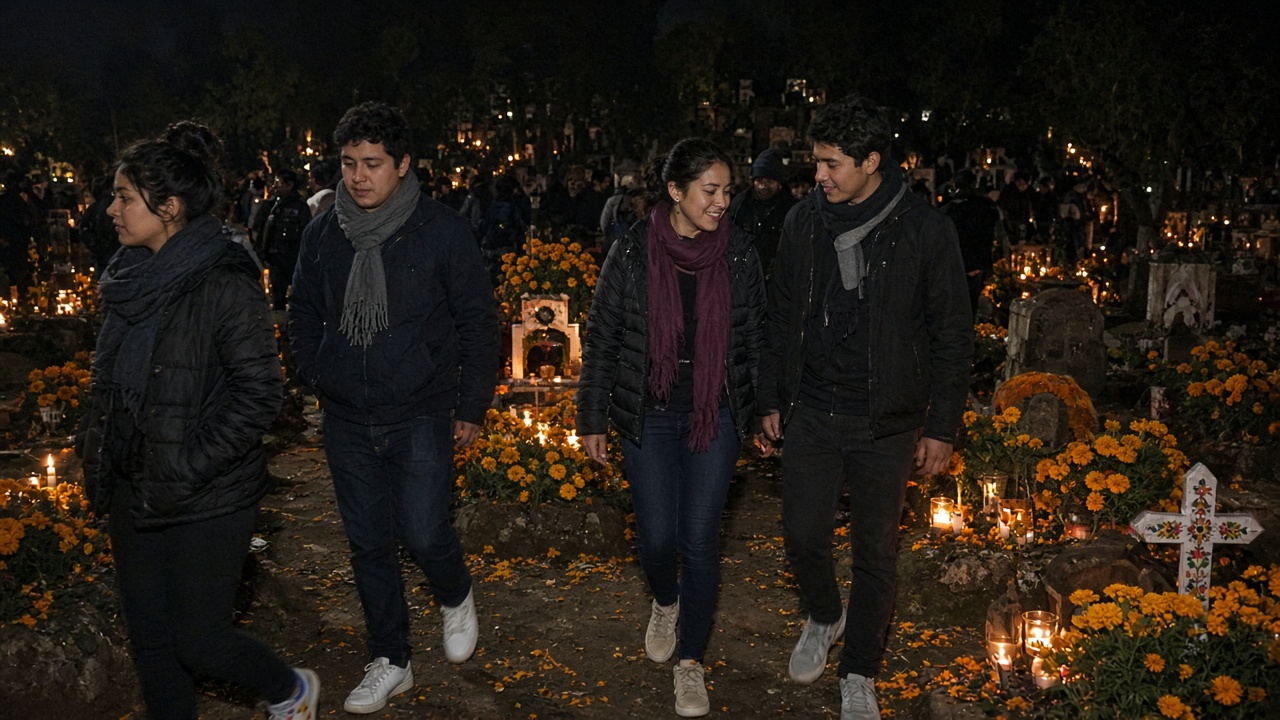
A lot of celebrations happen outside: parades, street festivals, cemetery vigils that run late. November nights get cold, and cemetery paths weren’t designed for stilettos. Plan like someone who’ll be on their feet for five hours:
- Wear shoes you can walk in: boots, block heels, or clean sneakers.
- Bring a layer. A rebozo or a dark jacket looks great and keeps you warm.
- If you’re going to a family’s home, dress like you’d dress for a nice dinner with someone’s grandparents. Because that’s exactly what it is.
Catrina Makeup Ideas, From Full Face to Five Minutes
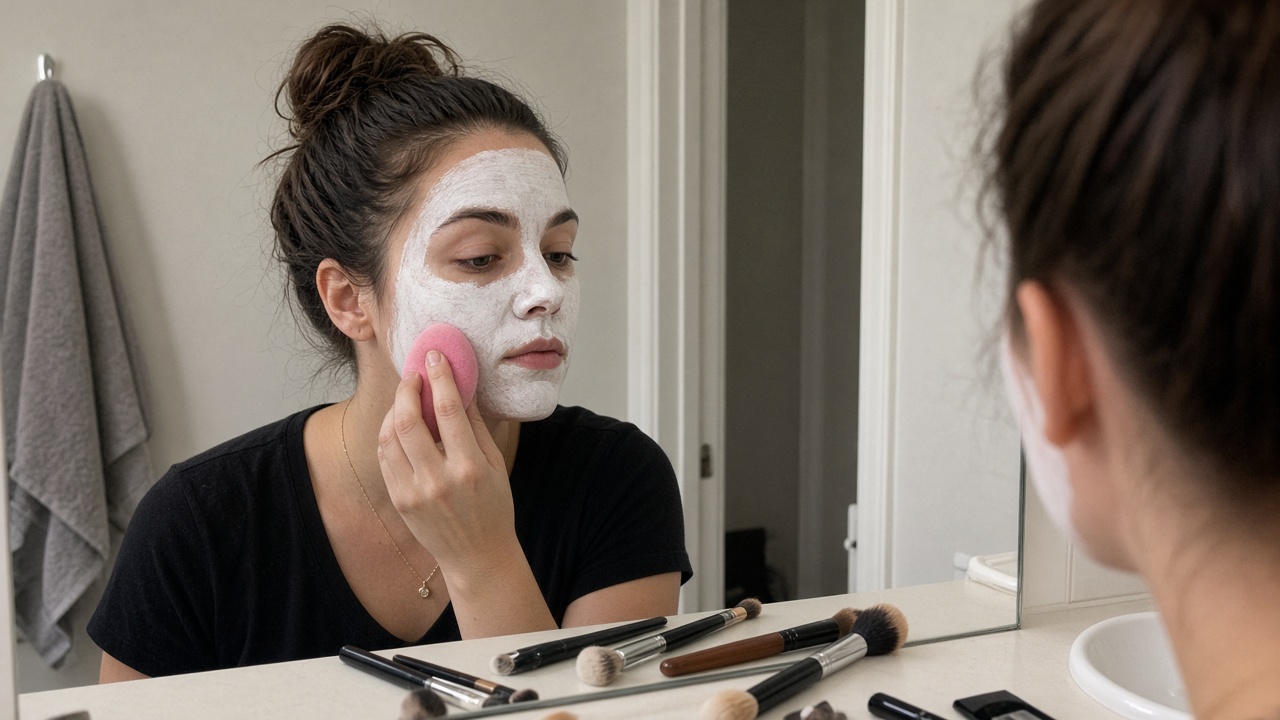
Catrina makeup (also called calavera or sugar skull makeup) is the most recognizable part of the holiday, and the most fun to play with. You don’t need to be a professional artist. You need a decent white base, a black liner, patience, and a willingness to look slightly unhinged halfway through.
The kit: white face paint, black paint or waterproof liquid liner, a flat brush, a fine detail brush, a couple of bright colors, setting powder, and setting spray. Face gems are optional but highly recommended.
The Classic Full Catrina
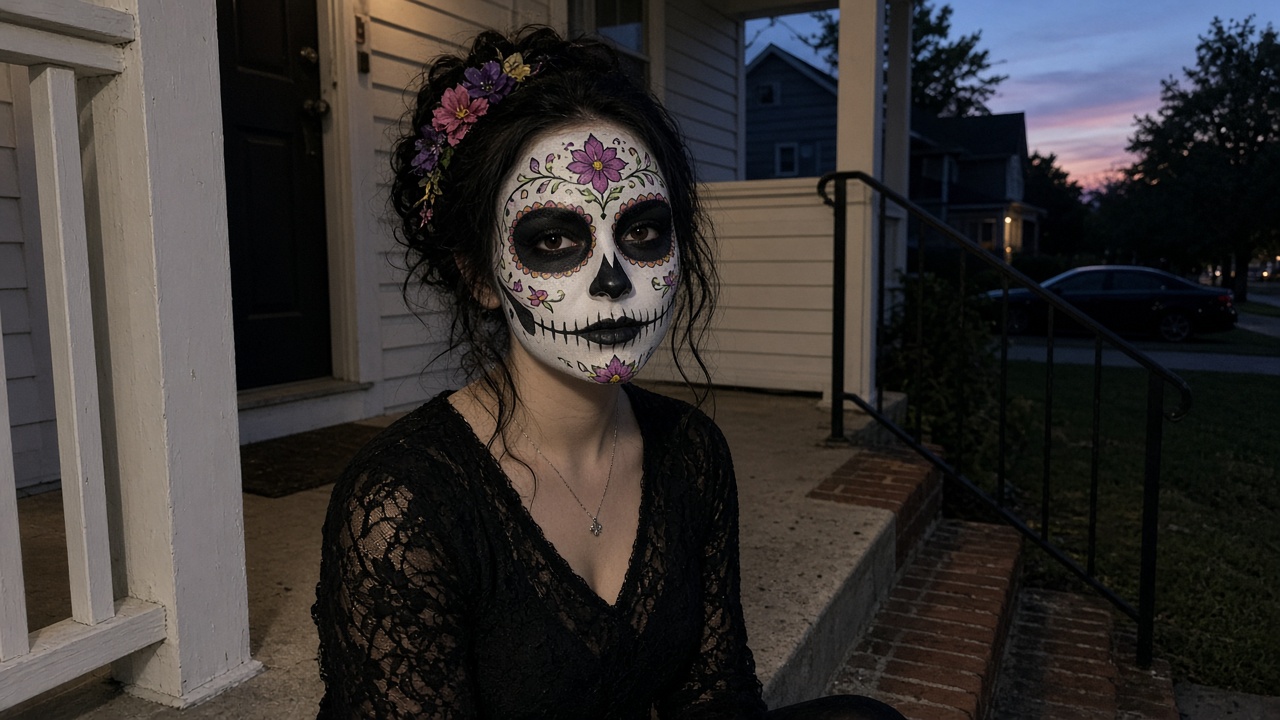
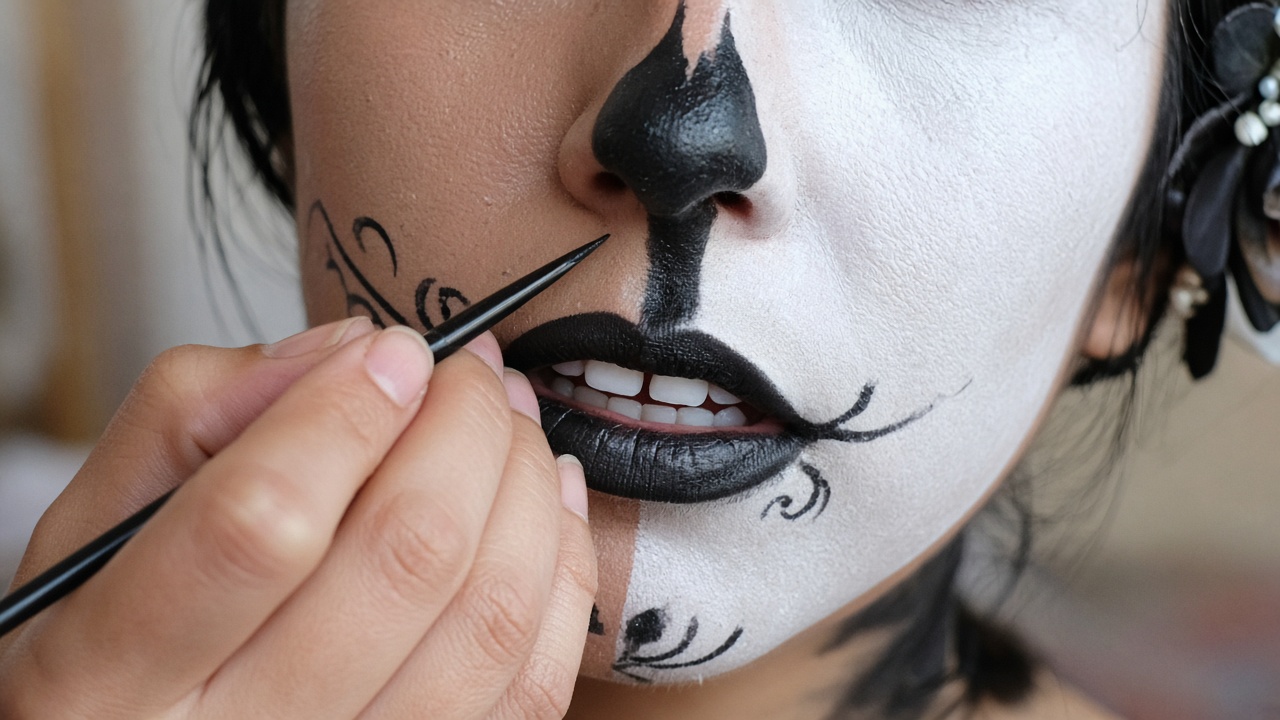
This is the showstopper. It takes about an hour, so put on a playlist and commit.
- Prep your skin. Moisturize and prime. Face paint on dry skin cracks by hour two.
- Paint the white base. Cover your face in a thin, even layer, leaving the eyes and nose bare. Two thin coats beat one thick one. Set with translucent powder.
- Make the eye sockets. Outline big circles from brow bone to cheekbone. Fill with black, or with purple or teal and a black outline.
- Add flowers around the eyes. Paint petals in orange, red, or magenta. Slightly wobbly petals look hand-painted and charming.
- Paint the nose. Fill in the tip of your nose with black in an upside-down heart or teardrop shape.
- Draw the smile. Extend a black line from the corners of your mouth toward your cheeks, then add short vertical “stitches” across it and your lips.
- Decorate. Swirls on the chin, dots along the forehead, a name or heart to honor someone. Face gems in the center of flowers.
- Lock it in. Set with powder again, then mist with setting spray.
Add a dark lip and a flower crown, and you are, quite literally, a work of art.
The Half-Face Catrina
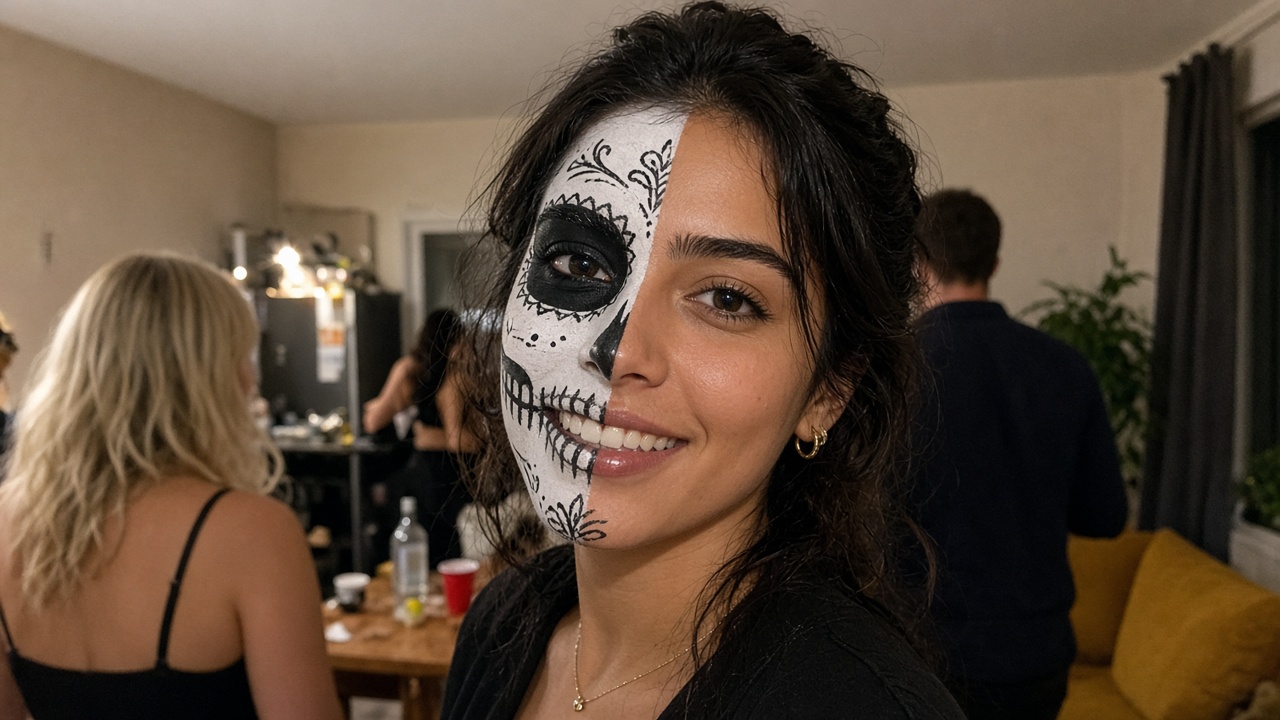
This might be the most striking version of all, and it takes about half the time. Paint one side of your face as a Catrina (white base, eye socket, flowers, stitched smile) and leave the other side as your everyday makeup, maybe with a bold lip and some lashes.
The split is the whole point: half living, half dead, both completely present. It’s also kinder to your skin than a full white face. Draw a soft line straight down the middle of your nose and lips with a liner pencil first so the split stays clean.
The Minimal Catrina (For When You Have Work Tomorrow)
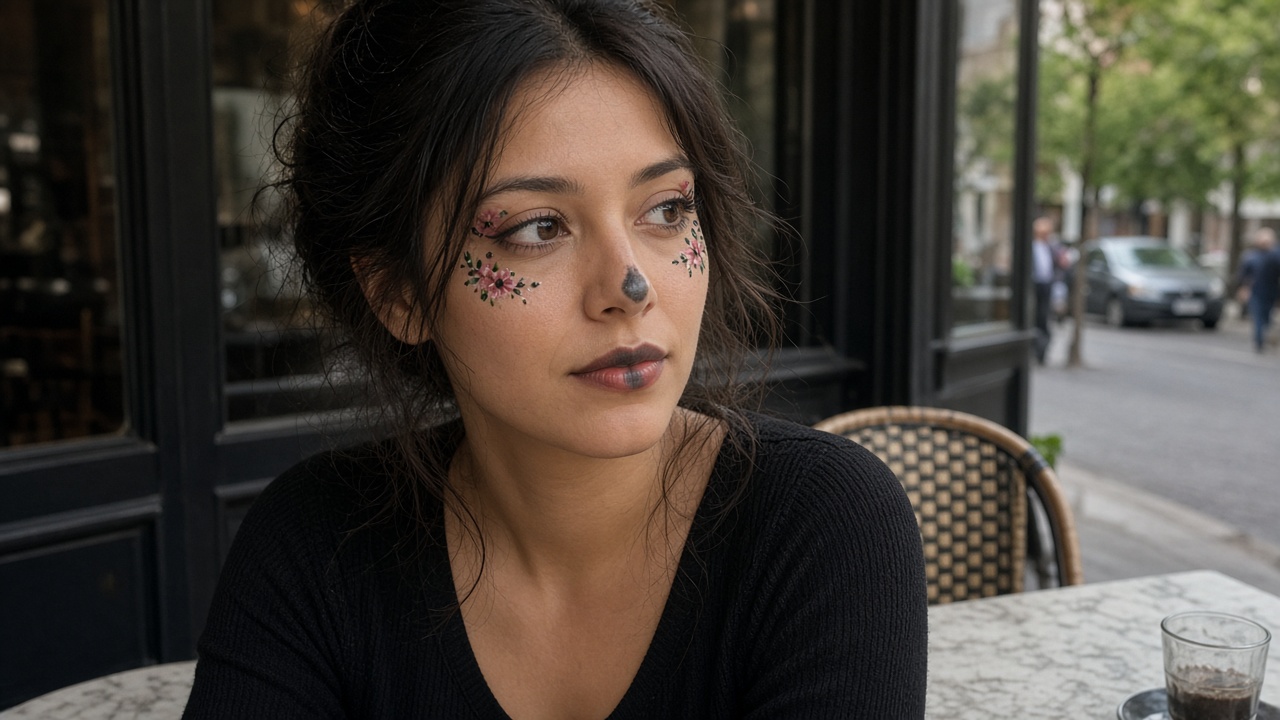
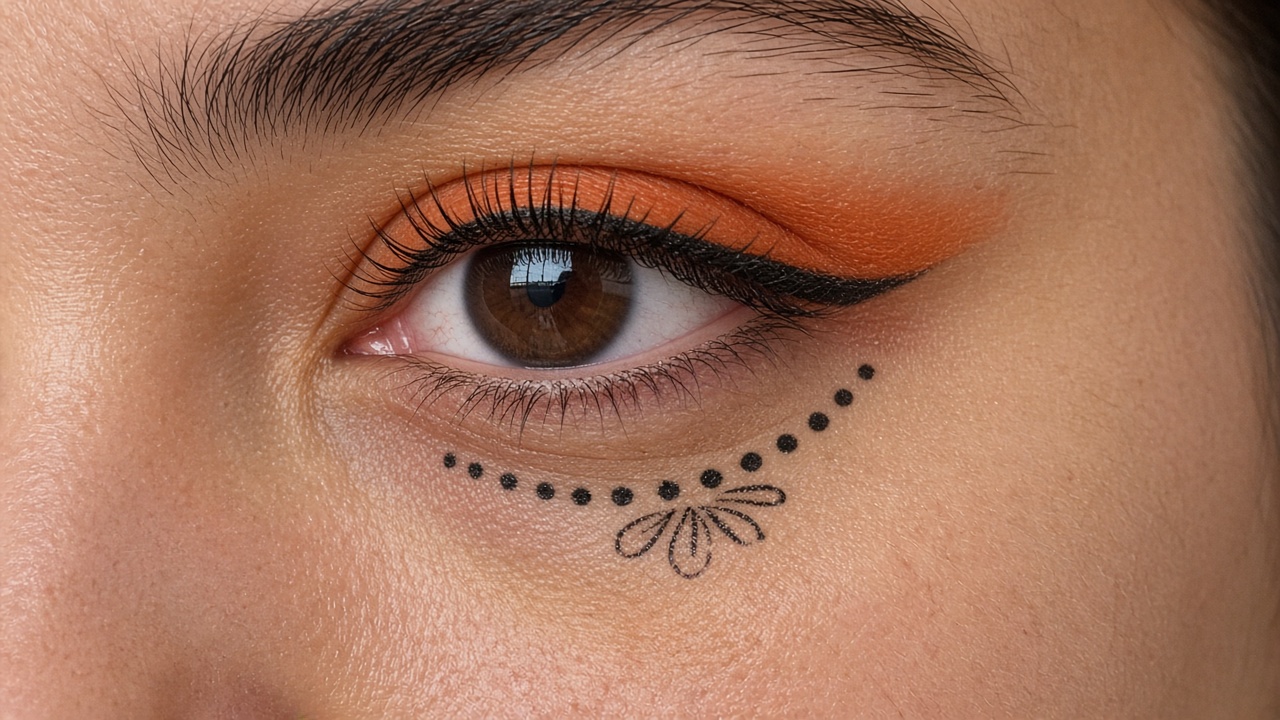
You don’t need a fully painted face to join in. Some of the prettiest looks are barely there:
- Just the eyes. Draw small petals or dots around each eye with liquid liner and add a pop of orange or magenta shadow.
- Just the nose and lips. A small black nose tip and a few thin stitch lines from the corners of your mouth.
- The forehead detail. A single small flower or a row of dots across the forehead, with a few face gems.
Keep the rest of your makeup natural, skip the white base entirely, and add flowers to your hair. Fifteen minutes, tops. Strangers will still stop you to say they love it.
Floral Glam Catrina
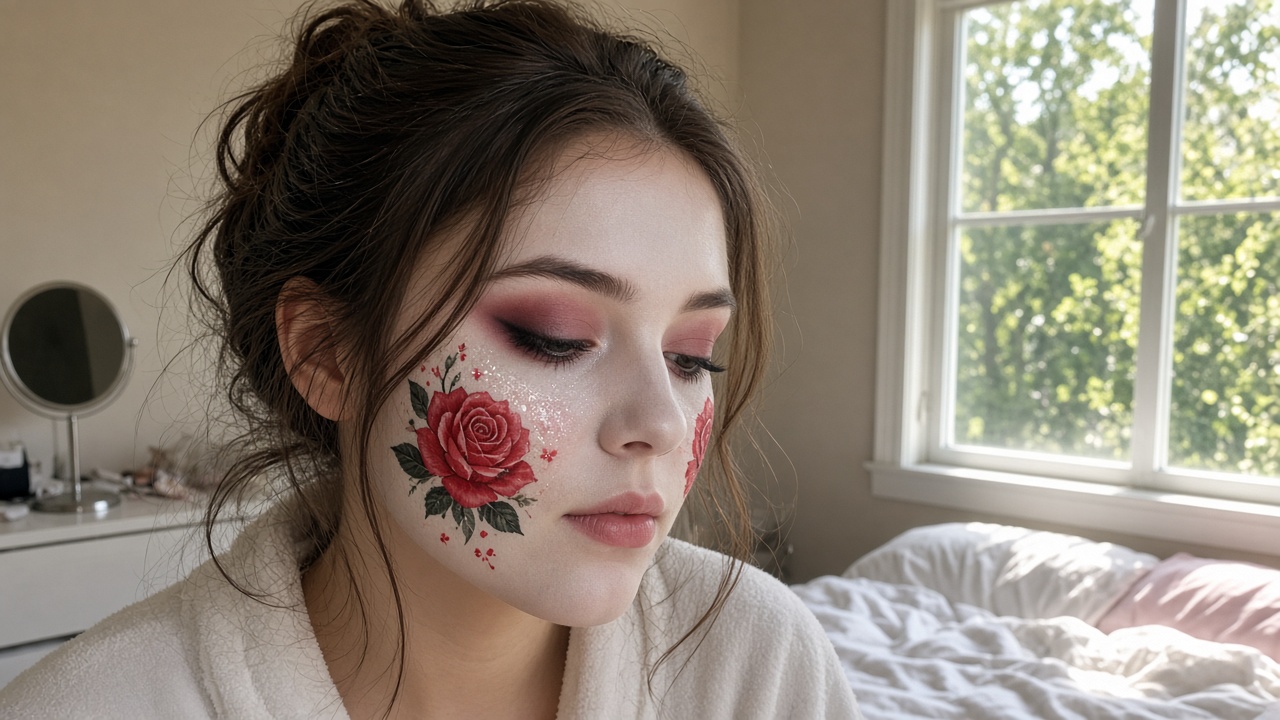
Classic black-and-white feel too stark? Go glam. Swap black sockets for blended dusty rose, plum, or burnt orange, smoked out like a sunset. Paint bigger roses and marigolds climbing the cheek and temple. Add glitter on the lids and a deep berry lip instead of the stitched mouth.
It still reads unmistakably as Catrina. It just looks like she got ready for a gala first.
How to Make Face Paint Last (and Get It Off After)
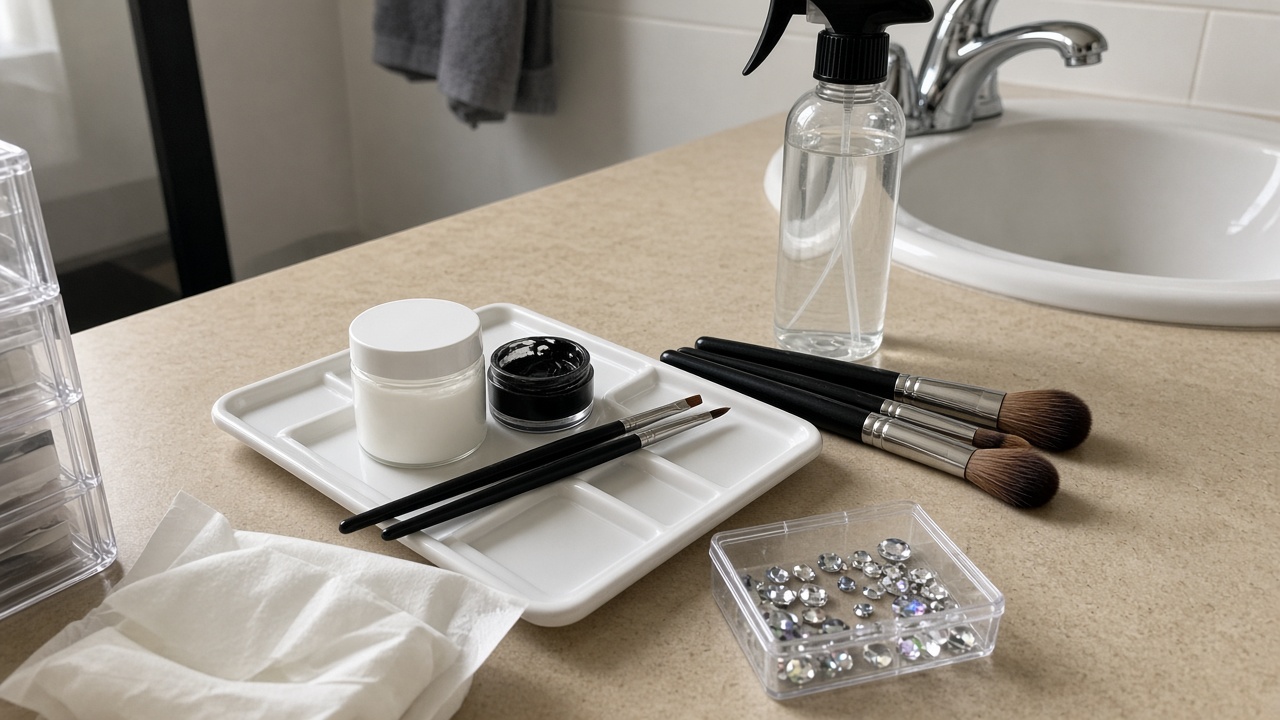
A few things that make a huge difference:
- Use face paint made for skin. Craft paint and random Halloween-store tubes can irritate badly. Patch test the day before.
- Thin layers, then powder. Every time you add a big area of color, set it before moving on.
- Bring a touch-up kit. A black liner, a white paint stick, a cotton swab, and a mini setting spray fit in a small pouch.
- Remove gently. Oil cleanser or balm first, then your normal cleanser. Scrubbing hard at 1 a.m. is how you wake up with an angry red face.
Ofrenda and Altar Decor Touches for Your Home
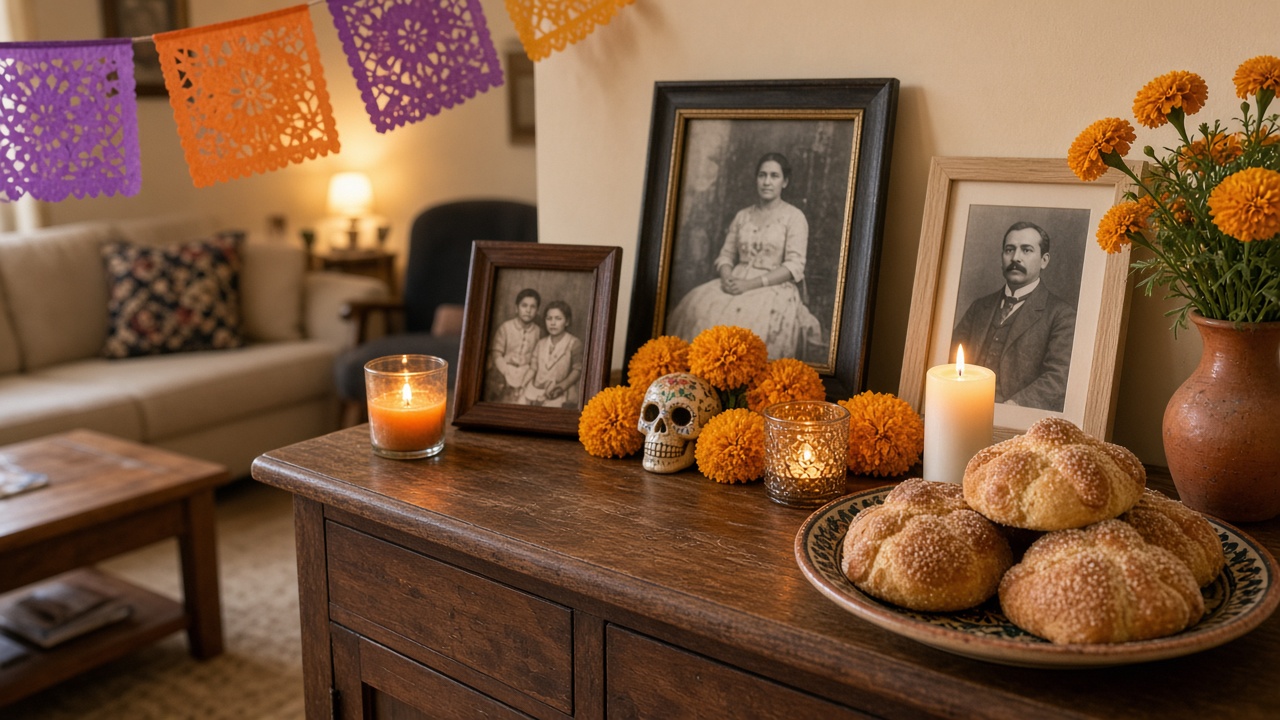
Even if you never paint a single petal on your face, a small ofrenda at home might be the most meaningful way to celebrate. It doesn’t have to be big. It has to be personal.
The Basics: What Goes on an Ofrenda
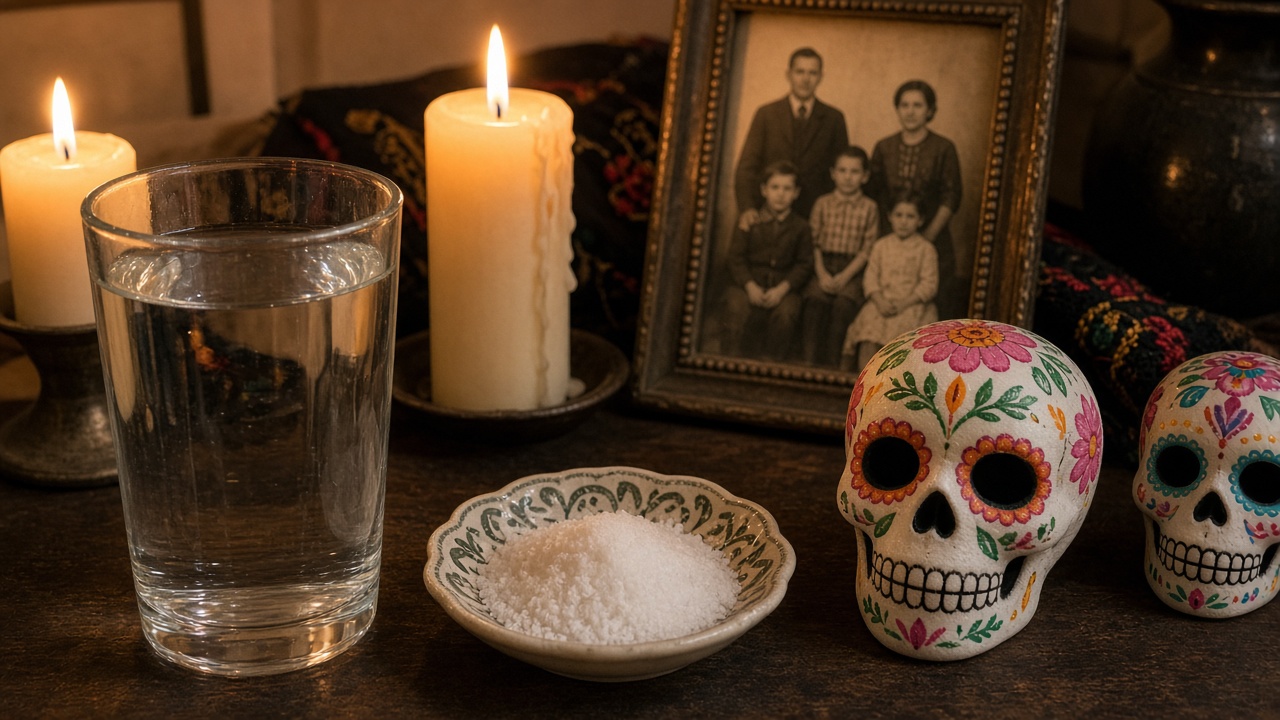
Traditional ofrendas often represent the four elements, which is a lovely way to think about it:
- Water: a glass of water so the spirits can quench their thirst after the long journey.
- Wind: papel picado, the cut-paper banners that flutter with the air.
- Earth: food, especially pan de muerto (sweet bread), fruit, and the person’s favorite dishes.
- Fire: candles, to light the way home.
Then add the personal stuff: photos of the people you’re honoring, marigolds, sugar skulls (sometimes with names written on them), copal incense, and the things they loved. Their favorite coffee. A tiny bottle of tequila. A worn baseball cap. This is where it stops being decor and starts being a love letter.
Small-Space and Apartment Ofrendas
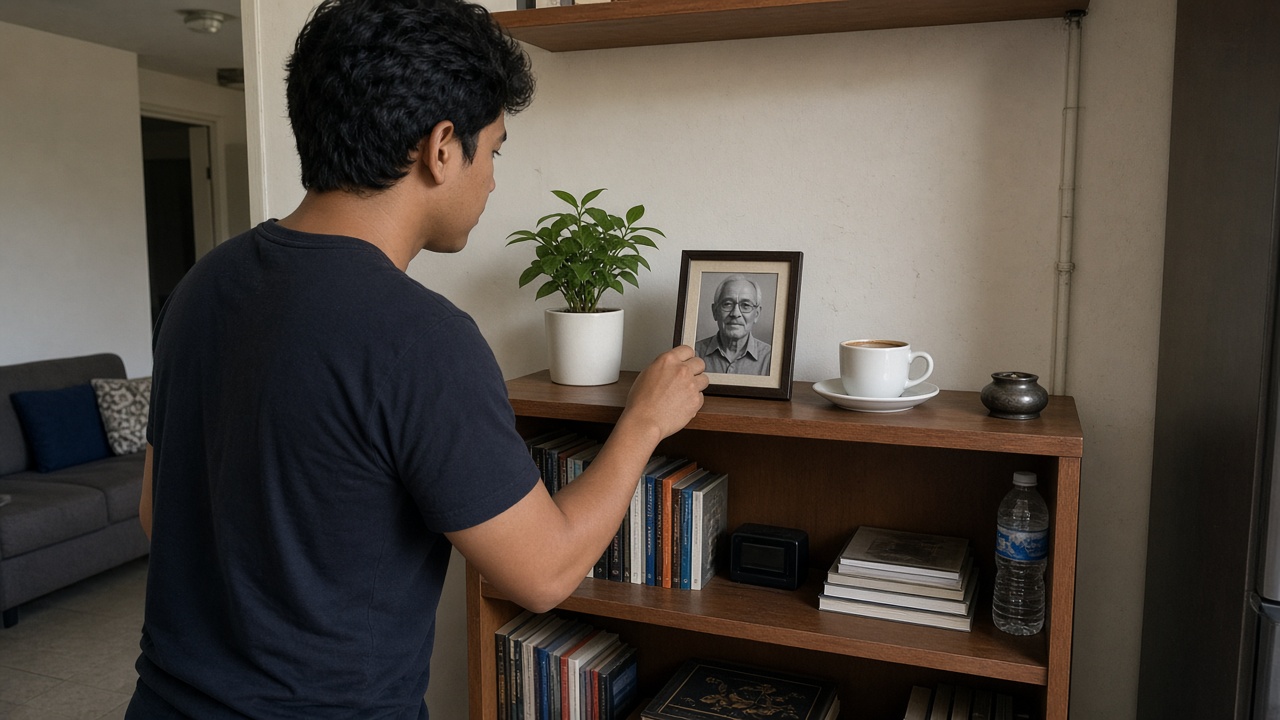
No room for a three-tier altar? Fine. A bookshelf, windowsill, or corner of the kitchen counter works. Lay down a colorful cloth, add a photo, a candle (LED if you have pets or kids, no judgment), a few marigolds, and one thing the person loved.
Traditional altars are often built in tiers (two levels for heaven and earth, seven for the steps a soul takes to the afterlife), but one level with real intention beats seven levels of store-bought stuff.
Decor Touches That Carry Through the House
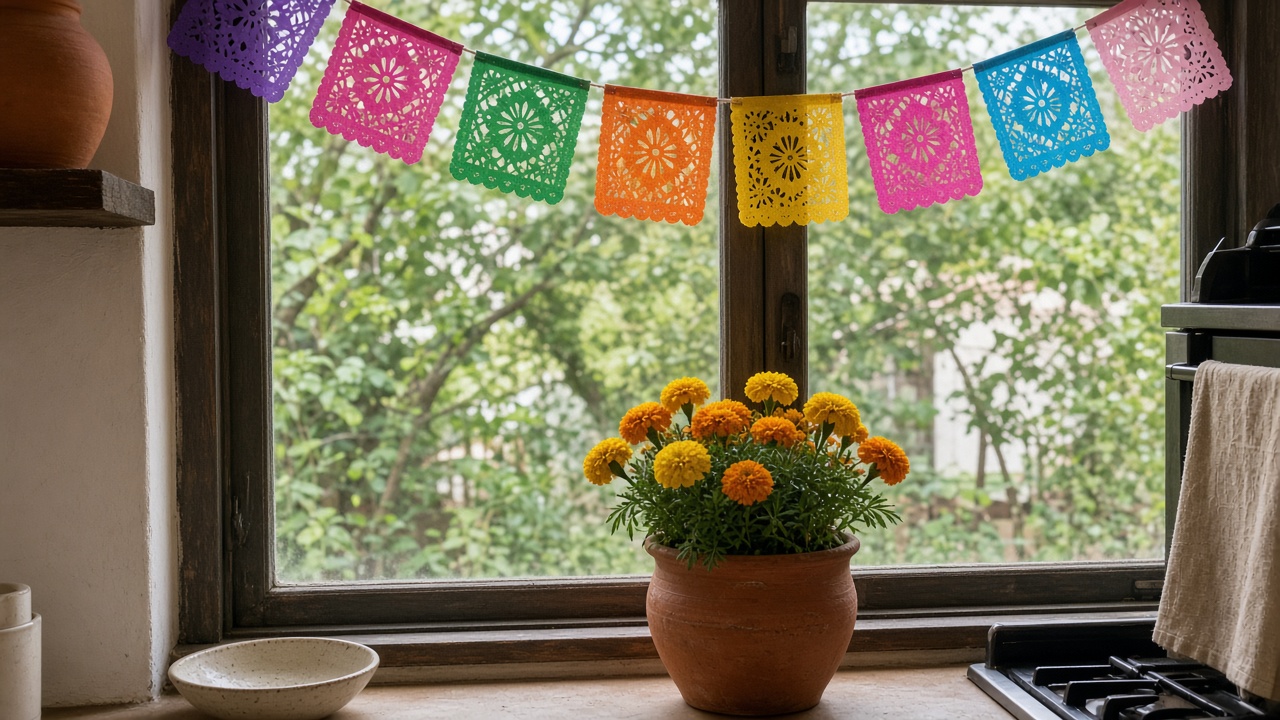
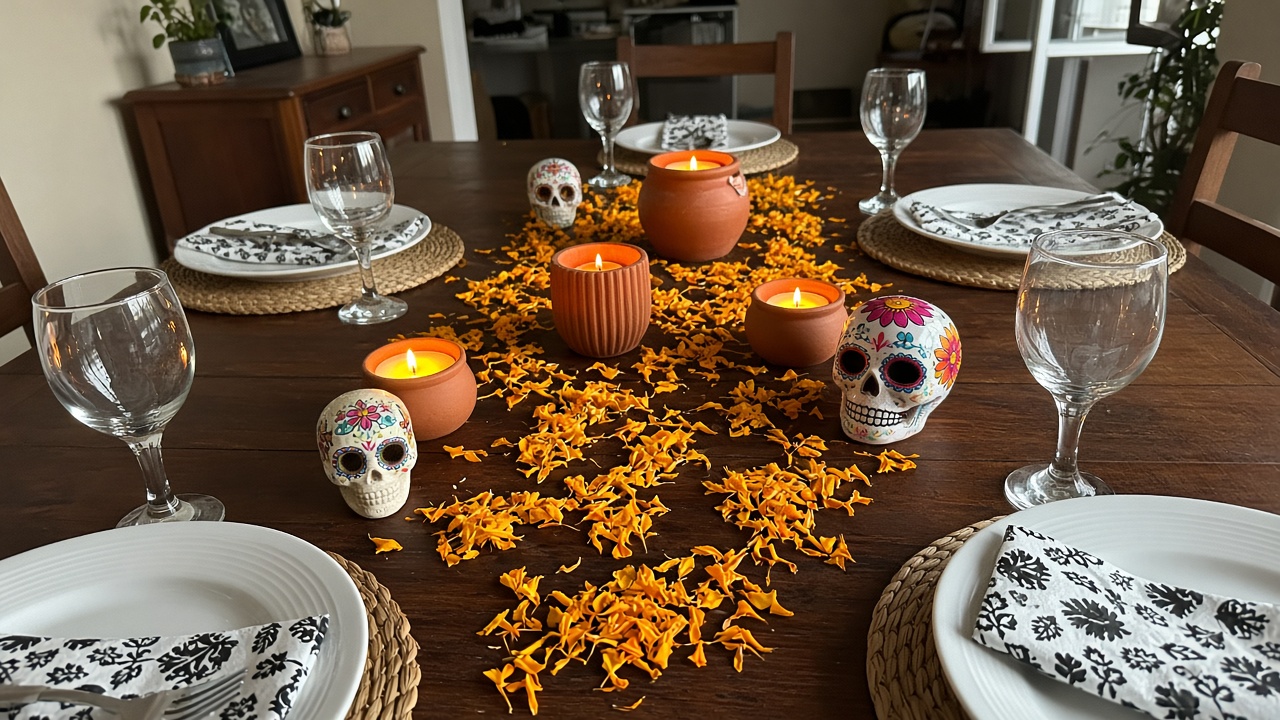
Hosting? A few touches beyond the altar pull the whole space in:
- Papel picado across doorways and windows. Cheap and instantly festive.
- Marigold petal paths. Traditionally, families scatter petals from the door to the ofrenda so souls can find their way. Do it on your table runner too.
- Candles everywhere. Low, warm light is the whole mood.
- Sugar skulls as place cards. Pipe each guest’s name in icing.
- Pan de muerto and hot chocolate. Serve it. Eat too much of it.
A Few Last Tips Before You Head Out
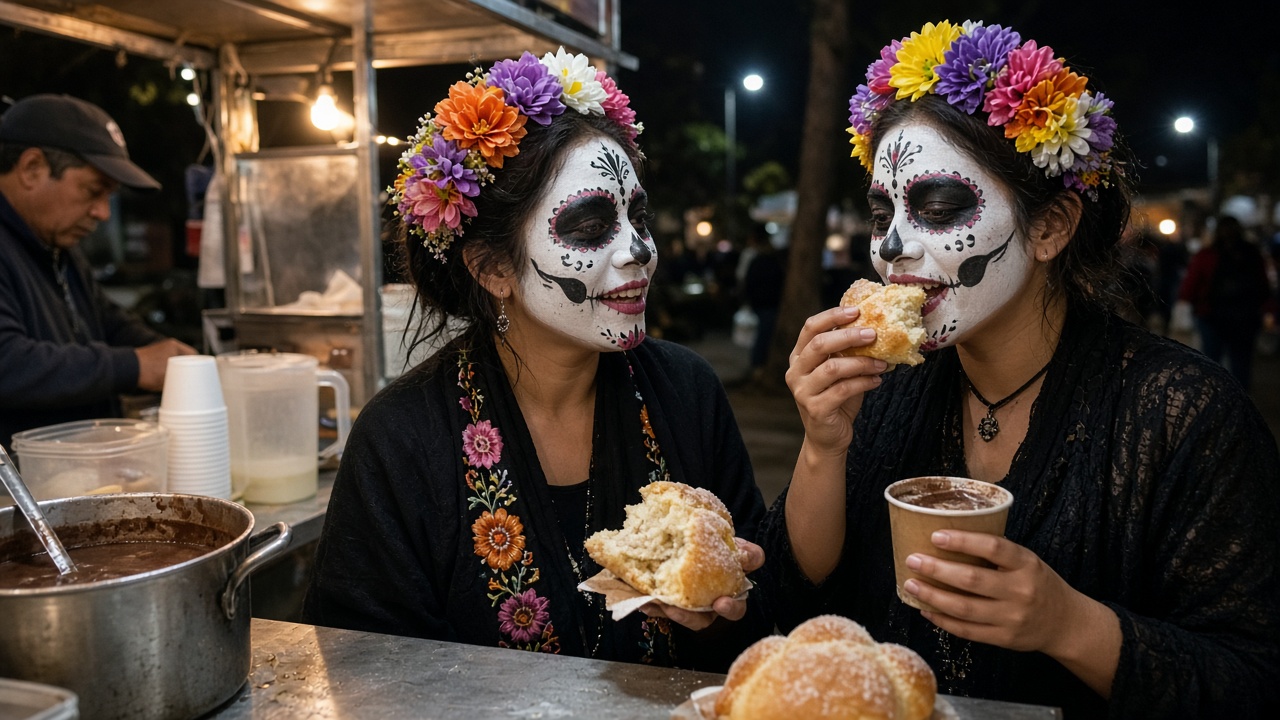
- Do a makeup test run a few days before. Your first Catrina will be wobbly. Your second will be great.
- Get your marigolds early. Around late October, they sell out fast in a lot of places.
- Learn a little. Look up the regional traditions in places like Michoacán and Oaxaca.
- Bring a name. Know who you’re celebrating. It changes how you carry yourself all night.
Because the outfit and the makeup are the fun part, but they’re not the point. The point is that somebody you loved is coming home tonight, and you dressed up to say hello.
