
There is that tiny moment when the henna paste starts to crack.
You flex your fingers a little, trying not to ruin the lines, already imagining how the finished henna designs will look when the stain shows up.
Henna has been doing this to people for thousands of years.
Same plant, same reddish stain, completely different reasons for wearing it.
Brides in India, aunties at Eid, friends at music festivals, someone bored on a Tuesday drawing little flowers on their hand during a study break.
It is not just a temporary tattoo.
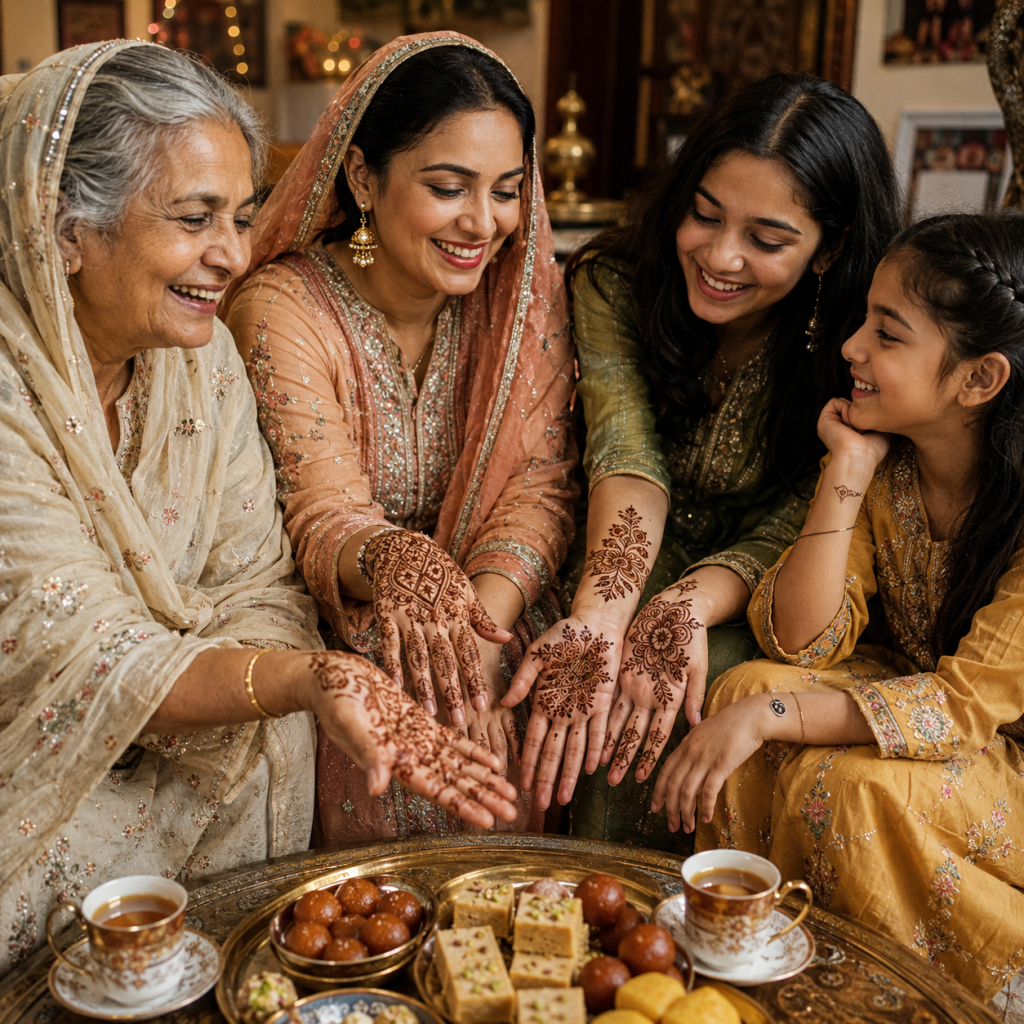
In South Asian and North African cultures, mehndi holds real weight, from blessing a wedding to protecting against bad vibes.
When those patterns moved into global trend status, the meaning did not vanish, it just met a new wave of self expression.
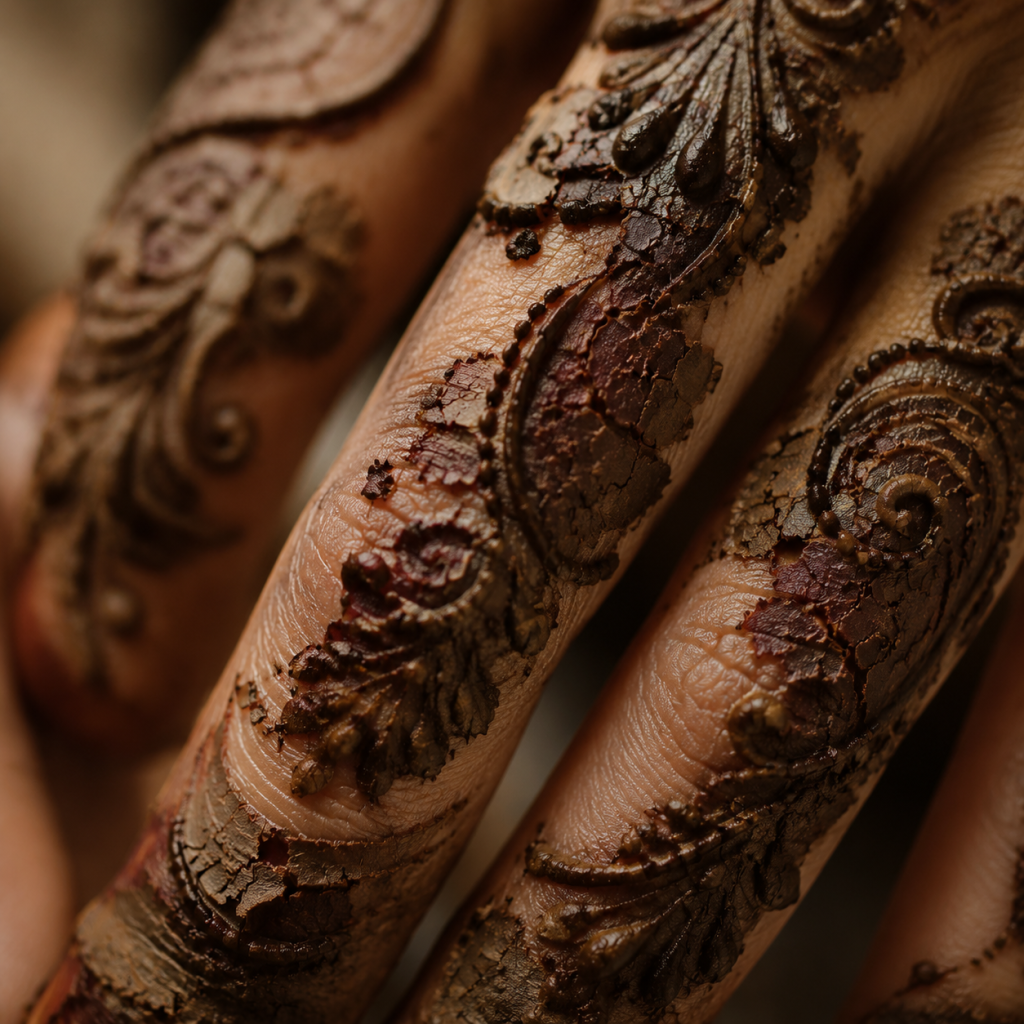
As one traditional saying puts it, “Where there is henna on the hands, there is celebration in the house.”
This guide is that friend who sits next to you, hands you a cone, and says, “Ok, here is how you do it without panicking.”
You will get twenty easy henna designs for hands, wrists, feet, and more, each with a simple meaning attached.
By the end, you will know where henna comes from, how to pick a style, and exactly which design to try first.
Key Takeaways
-
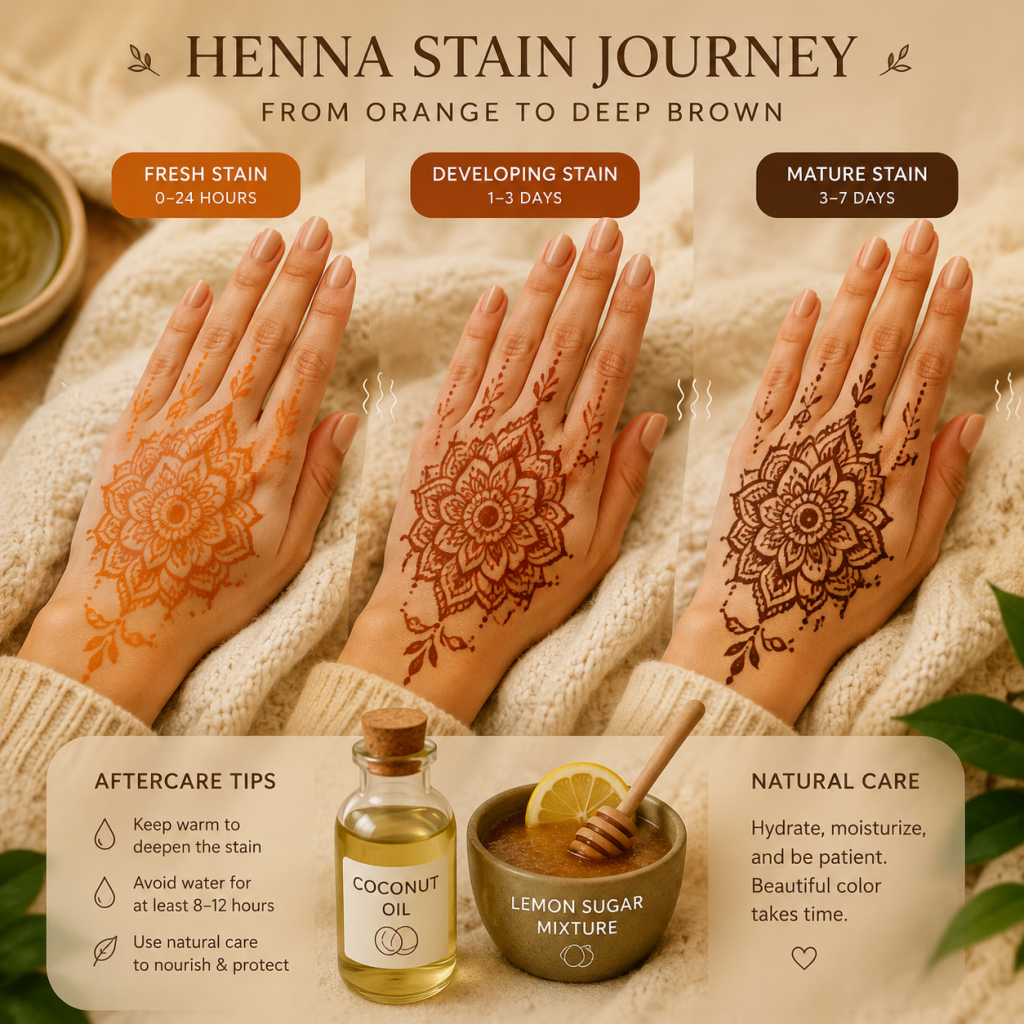
Henna comes from a real plant, not a factory, and natural henna paste stains skin in shades that shift from orange to deep brown rather than pure black. These stains sit in the top layer of skin and fade as the skin sheds. That is why henna designs feel gentle and low commitment.
-
Easy henna designs for beginners can be as simple as a dot bracelet or one flower on the palm. Full hand patterns and bridal level mehndi designs just stack the same small shapes in dense layers. If you can draw lines, dots, and teardrops, you can start today.
-
Classic motifs carry meaning that you can borrow and remix. Mandalas stand for balance, paisleys lean toward luck and plenty, lotus flowers hint at new beginnings and glow ups. When you know the meaning, your henna ideas get a lot more personal.
-
The twenty designs in this guide are grouped by skill level and placement so you can scroll straight to wrist cuffs, henna hand designs, or bold thigh pieces. Each one comes with a tiny meaning breakdown and a quick “how hard is this” note.
-
Aftercare matters more than people think, because heat and oil deepen the stain while water and scrubbing erase it fast. One more thing, so important it needs its own line: anything sold as black henna with instant results is not real henna and can seriously damage skin.
What Henna Actually Is (And Why It’s Not Just a “Temporary Tattoo”)
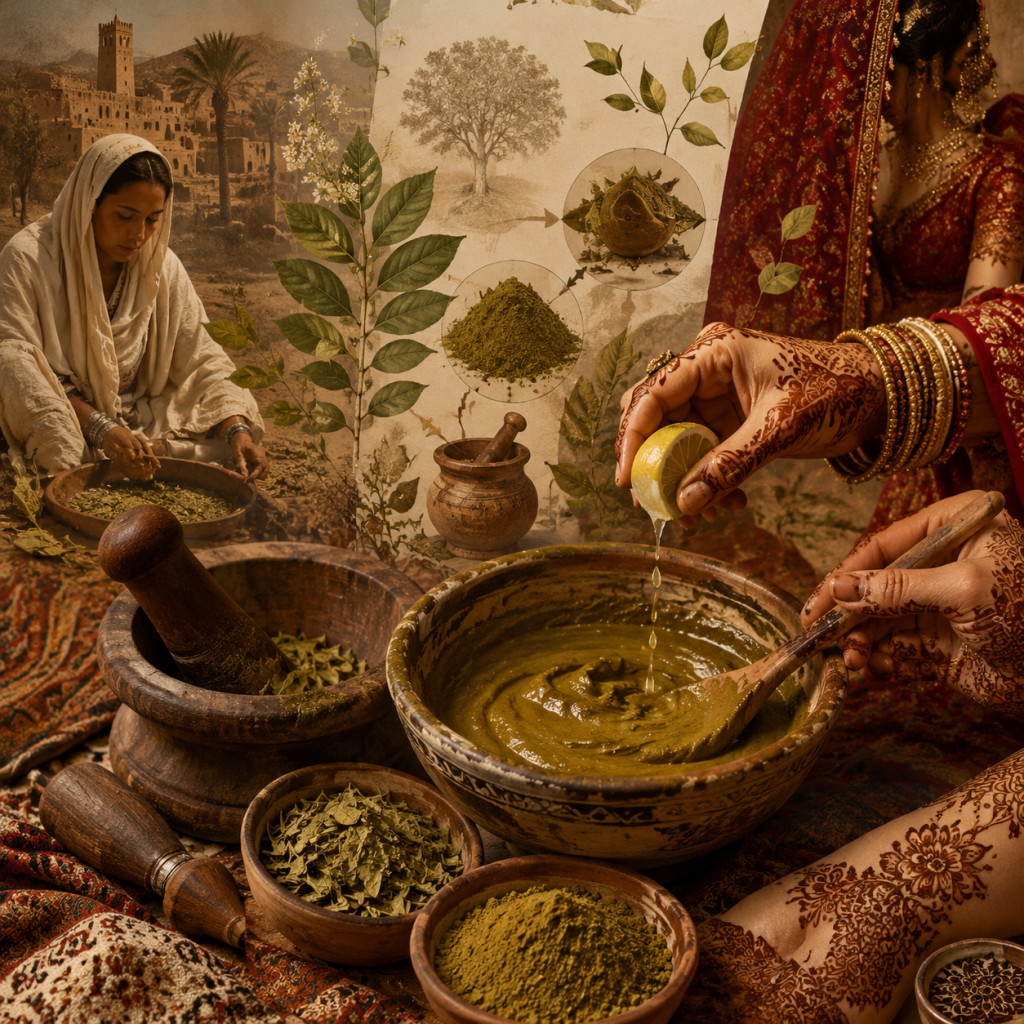
Henna starts as a leaf on a small tree called Lawsonia inermis.
People in North Africa, the Middle East, and South Asia dry those leaves, grind them into powder, and mix them with an acidic liquid to make paste.
In India and Pakistan, the art itself is called mehndi.
Henna is the plant, mehndi is the design, and both are tied to big life moments like weddings, Eid, and Diwali.
Bridal mehndi is not just pretty decoration, it is a whole event with songs, jokes, and hidden initials for the partner to find later.
The paste sits on your skin in raised lines that feel a bit like cake icing.
You wait a few hours while it dries and flakes.
When you scrape it off, you get a flat orange pattern that darkens into a warm brown over the next one or two days and can last one to three weeks.
There is even a sweet legend that says the darker a bride’s henna stain, the deeper the love or the better the relationship with in laws.
Is it science? No.
Is it adorable and kind of comforting when you check your own stain? Very much.
Because it stains the skin and fades, many people call mehndi a temporary tattoo.
That works as a quick explanation, but it misses the history and the henna meaning layered into those tiny lines.
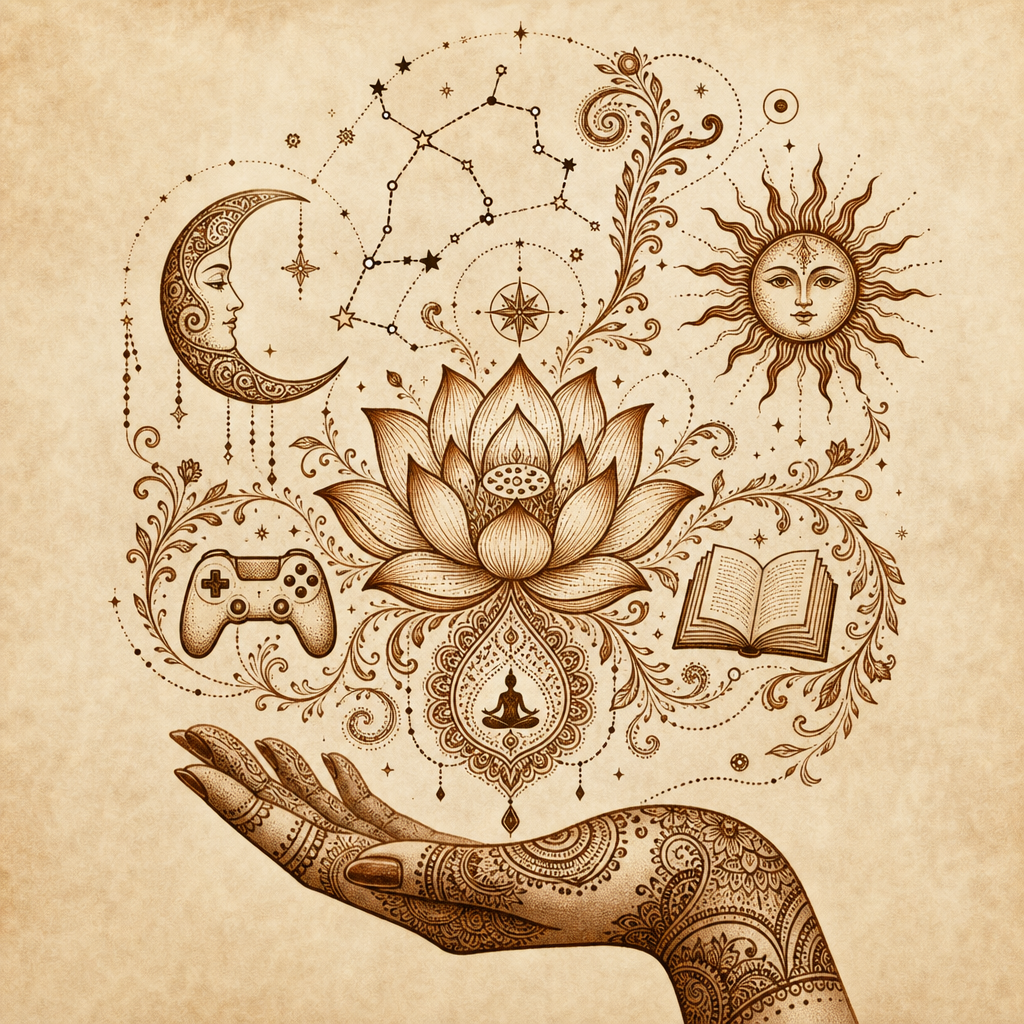
Knowing the story behind henna designs turns them from “cute pattern” into something that actually says something about you. Many cultures rely on visual symbols to focus intention, whether through meditation, prayer, or detailed body art like mehndi.
You also need to know there is a big difference between natural henna and so called black henna.
| Feature | Natural Henna | Black Henna |
|---|---|---|
| Paste color | Greenish brown or dark brown | Jet black |
| Stain color | Orange to reddish brown | Very dark gray or black |
| Development time | Hours on skin then darkens over one to two days | Claims instant dark stain |
| Main ingredients | Henna powder, lemon juice or tea, essential oils | Often contains PPD from hair dye |
| Safety | Trusted for centuries, rare reactions | Can cause burns, blisters, and scars |
If an artist waves a cone that gives an instant black stain and says it will last forever, skip it.
Real henna tattoo designs never stain true black on skin, and no look is worth a chemical burn.
The 4 Main Henna Styles—Find Your Aesthetic
Most simple henna designs for hands are built from the same shapes, but the way artists mix them creates very different styles — a diversity reflected in the Henna Mehndi Market Analysis, which tracks how regional style preferences are shaping industry growth trends.
Knowing the four big families helps you find your vibe fast.
Indian or bridal mehndi is the drama queen of henna art.
It covers palms, backs of hands, wrists, sometimes all the way to the elbow with fine lines.
Think tiny paisleys, peacocks, lattices, mandalas, fingertips fully filled, almost no skin showing.
Arabic style feels more relaxed.
You get big floral henna designs and flowing vines that cut across the hand on a diagonal, leaving empty space around them.
It looks easy and romantic, which is why it shows up a lot at parties and festivals.
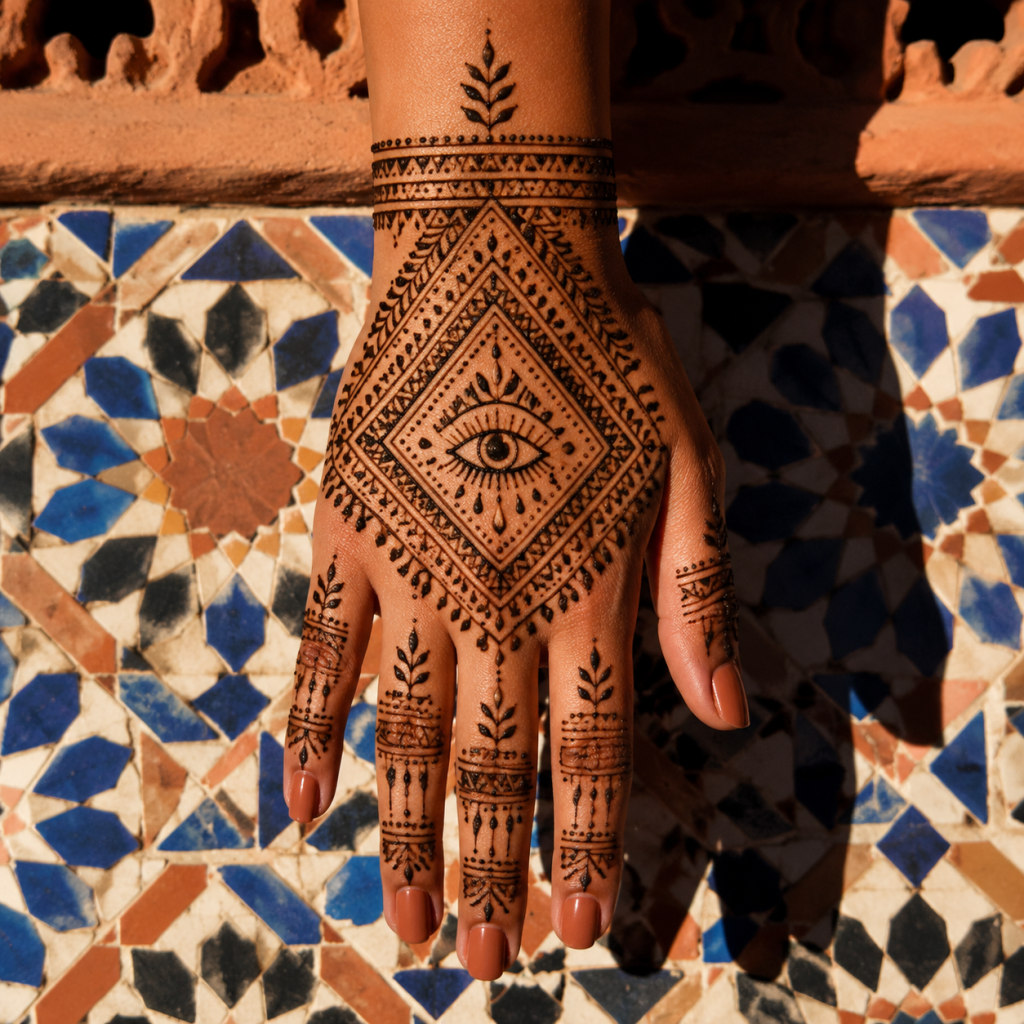
Moroccan style comes from North Africa and loves geometry.
Instead of fluffy petals, you get diamonds, triangles, zigzags, and the occasional eye symbol for protection.
It suits people who are into bold shapes, clean angles, and henna patterns simple enough to sketch with a ruler.
Modern minimalist henna is where Gen Z has really played.
Small henna designs show up on wrists, along fingers, at the neck, even around the ankle like tiny tattoos.

Think one little lotus, a thin wrist band, a constellation, or negative space designs that use bare skin as part of the pattern.
You do not have to sign a loyalty contract with one style.
You can pair a Moroccan diamond band with floral henna designs or drop a modern moon into a traditional mandala.
Henna hand designs reward that kind of mashup.
Here is a quick cheat sheet for the four styles.
| Style | Key Motifs | Best Placement | Main Vibe |
|---|---|---|---|
| Indian or bridal | Paisley, peacocks, mandalas, tiny nets | Full hands and forearms | Dense and detailed |
| Arabic | Big flowers, leaves, flowing vines | Back of hand, feet | Bold and romantic |
| Moroccan | Diamonds, triangles, eyes, grids | Wrists, ankles, backs | Strong and geometric |
| Modern minimalist | Dots, lines, tiny florals, constellations | Fingers, wrist, neck, ribs | Clean and subtle |
Once you know which column feels right, picking actual henna designs gets a lot easier.
20 Easy Henna Designs (With Their Meanings)
This is where you grab a cone or a pen and start picking favorites.
These twenty henna tattoo ideas stay beginner friendly while still looking intentional.
Each one has a suggested spot on the body, a meaning, and a quick difficulty note so you can match it with your current skill level.
Designs For Beginners (Nos. 1–5)
These are the zero pressure entries into henna designs easy enough for your first try.
If you can doodle while bored in class, you can handle these.
-
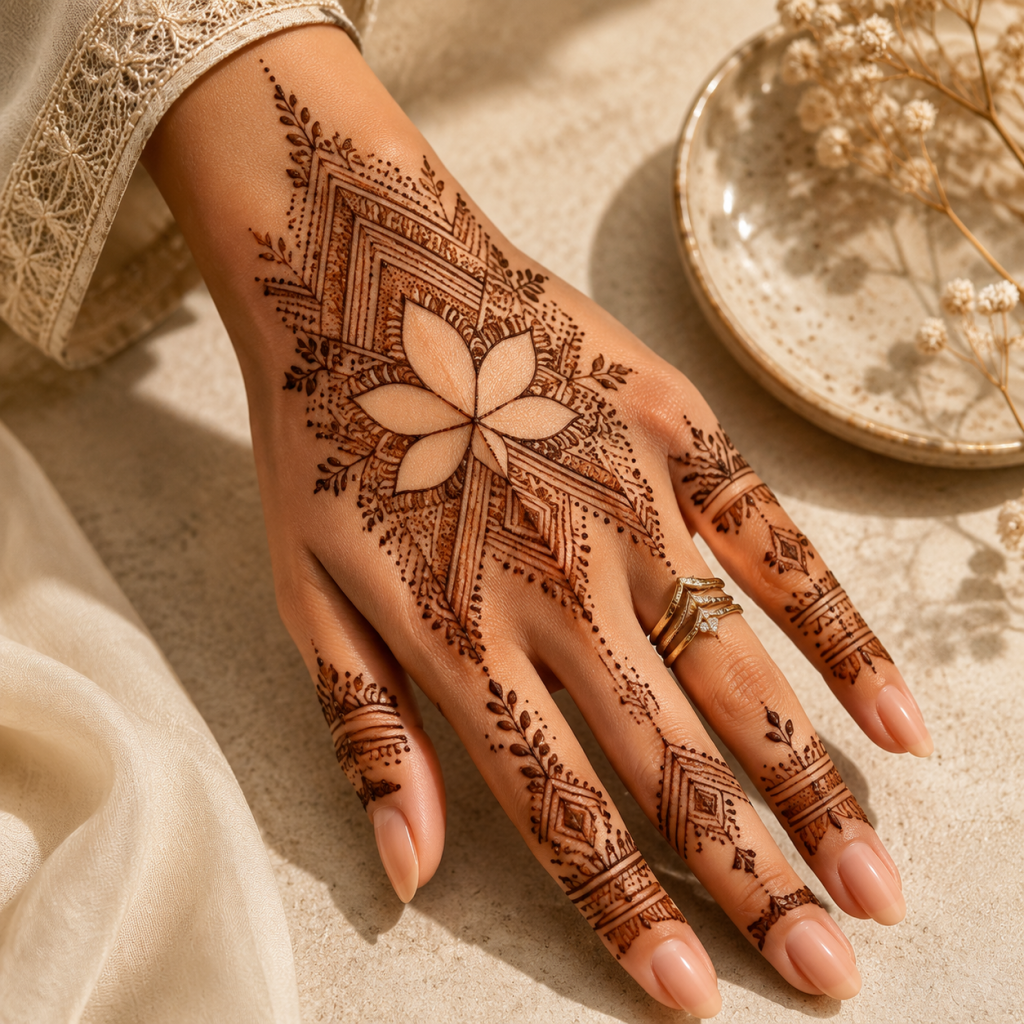
Single Lotus Flower (Palm Center)
This basic henna design sits right in the middle of your palm with one open lotus and a dotty center. Meaning leans toward purity and fresh starts, perfect for new semesters or big life shifts. Keep the petals wide and simple so shaky lines still work. -
Wrist Dot Cuff
Draw a straight or slightly curved band of dots around your wrist like a bracelet. Meaning sits with seeds, new life, and quiet growth, which makes it sweet for a reset moment. This is one of the easiest henna designs for wrists and takes only a few minutes. -
Basic Mandala Back Of Hand
Start with a circle, add petals around it, then repeat that ring a couple of times. Mandalas carry henna meaning linked with balance and the universe, so they feel grounding. Go slow, breathe, and remember tiny wobbles just look like style. -
Vine Along One Finger
Begin at the base of a finger and wind a little stem up with leaves on each side. Vines stand for devotion, growth, and life that keeps moving even when things are messy. It is a great warm up because it teaches line control without needing symmetry. -
Teardrop Paisley Accent At Wrist
Draw a curved teardrop shape pointing toward your hand, then add a smaller one inside and some dots around it. This classic mehndi design ties to luck, plenty, and soft prosperity vibes. It looks fancy even when the pattern is very basic.
Floral & Nature-Inspired Designs (Nos. 6–10)
Floral henna designs are everywhere for a reason.
They read soft and pretty on literally everyone and feel very TikTok and cottagecore ready.
-
Sunflower Hand Design
Place a big sunflower where your thumb meets your palm, then let petals and leaves fan across the back of your hand. Sunflowers tie to joy, loyalty, and warmth, kind of like your favorite friend in plant form. This one is bigger but still made from simple round petals and straight lines. -
Lotus Mandala Combo On Palm
Draw a lotus in the center of your palm, then build a mandala around it with repeating lines and dots. The meaning stacks, pointing to spiritual awakening and calm in the middle of chaos. It suits anyone going through change and wanting their mehndi design to feel like a soft shield. -
Rose Wrist Wrap
Put one bold rose on the top of your wrist, then wrap thorny vines around like a cuff. Roses speak to love and beauty, while the thorns hint that your softness still has boundaries. It looks intense but the shapes are simple circles, curves, and tiny triangles. -
Wildflower Forearm Trail
Scatter small flowers and leaves from your wrist up the inner forearm in a loose line. Wildflowers say freedom and natural beauty that does not need to be perfect or planned. This design is forgiving because no two blooms need to match. -
Peacock Feather Back Of Hand
Start near the wrist with a teardrop eye, then build a long curve and smaller lines around it to form the feather. Peacocks stand for grace, beauty, and protective watchfulness in many henna traditions. The flowing shape flatters every hand and works well in photos.
Geometric & Modern Designs (Nos. 11–15)
These designs lean into clean lines and small shapes.
They mix Moroccan energy with modern tattoo style, great for people who hate fuss.
-
Diamond Grid Armband
Draw a band around your forearm, then divide it into repeating diamonds with crossing lines. Diamonds in traditional henna patterns can stand for protection and steady structure. This looks extra sharp when paired with simple mehndi designs on the fingers. -
Negative Space Geometric Back Of Hand
Fill most of the back of your hand with thin lines that create small shapes, then leave some of those shapes empty. The bare skin becomes part of the art and sends a quiet message about balance and contrast. It photographs really well and feels more advanced than it is. -
Constellation Wrist Pattern
Mark small dots on the side of your wrist and connect them in the pattern of your star sign or a simple made up constellation. Stars link to destiny, guidance, and the feeling that something has your back. This works as a tiny henna tattoo design that still feels intimate. -
Stacked Ring Finger Bands
Draw several thin bands around one or more fingers, adding tiny triangles or dots so they look like stacked rings. The meaning hints at celebration, promises, and self chosen commitment. It is a smart pick if you love jewelry inspired henna designs on hand but want application to stay quick. -
Sun And Moon Wrist Cuff
Place a small crescent moon on one side of the wrist and a simple sun on the opposite side, then connect them with a slim patterned band. The pair represents duality, divine connection, and love that keeps cycling back. It works for couples, best friends, or anyone who likes cosmic themes.
Statement & Placement-Specific Designs (Nos. 16–20)
These are for the days when you want your henna art designs to really announce themselves.
They move beyond simple henna designs for hands into other spots that feel a bit daring.
-
Henna Necklace Along The Collarbone
Trace a curved line along the collarbones, then hang tiny petals, dots, and leaf chains from it like a delicate chain. This kind of design speaks to adornment, self respect, and soft protection over the heart. It looks incredible with off shoulder tops or festival outfits. -
Full Foot With Anklet Design
Cover the top of the foot with flowers or paisleys starting at the toes and flowing toward the ankle, ending in an anklet band. Feet hold meanings of grounding, movement, and the path you choose to walk. It is classic for brides but also ideal for beach trips and summer sandals. -
Thigh Mandala Centerpiece
Place a large mandala on the upper thigh and build out a few layers of petals and shapes. Meaning points to harmony with yourself and awareness of your inner world. It feels powerful and personal, since you choose when anyone even sees it. -
Half Sleeve Floral Vine
Let a main vine start at the back of the hand or wrist and climb toward the elbow, covered in leaves and flowers. This shows growth, devotion, and a life that keeps expanding even when things feel heavy. It takes more time but still relies on beginner friendly shapes repeated again and again. -
Back Of Neck Spine Trail
Begin at the hairline with a small symbol, then run a trail of dots, leaves, or diamonds straight down for a few inches. The spine placement gives strong energy around courage, alignment, and having a literal backbone for your choices. It is subtle from the front and dramatic when your hair or hoodie moves.
How To Start (Tools, Tips & The Paper Practice Method)
Before trying any of these henna designs on skin, you need the right gear:
-
A cone made with natural henna, not anything advertised as emergency or black
-
Cotton or cotton swabs for clean up
-
Lemon sugar mix if you want darker stains
-
A gentle oil like coconut, jojoba, or olive oil for aftercare
-
Scrap paper or a sketchbook for practice
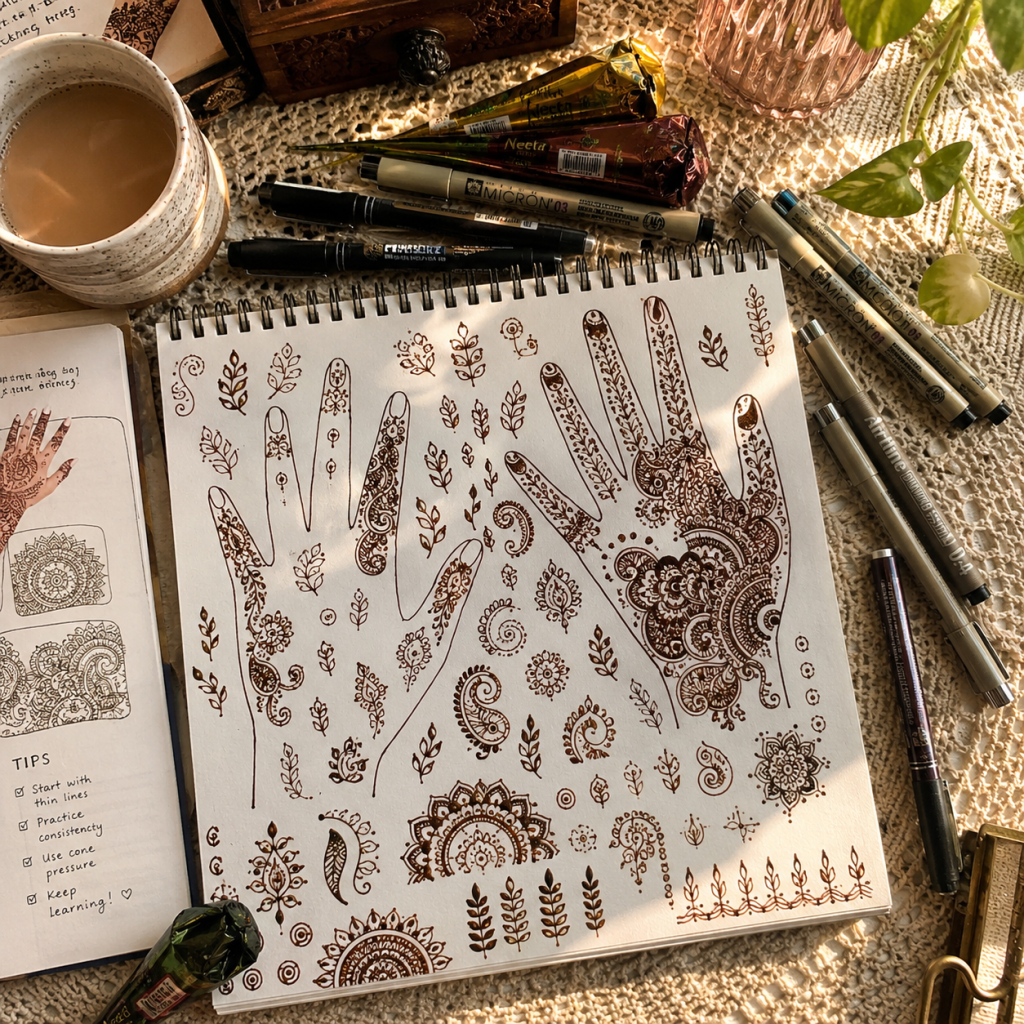
If the idea of going straight to your hand feels risky, start with the paper method.
Trace your hand and wrist outline on plain paper, then divide it in your mind into fingers, palm, and wrist area.
Fill each section with little motifs like spirals, dots, tiny leaves, and teardrops until it feels automatic.
A common tip from experienced mehndi artists: “If you can draw it with a pen on paper, you can learn to draw it with a henna cone on skin.”
When you move to skin, hold the cone like a pen, not like you are wrestling a ketchup packet.
Squeeze from the top with steady pressure so the line flows without stopping and starting.
Begin with straight lines, small circles, and rows of dots before trying full flowers or intricate mehndi design styles.
Smudges will happen and that is fine.
Paste that looks slightly messy often dries into much cleaner henna designs on hand once the raised paste is gone.
Focus on keeping your hand relaxed rather than perfect, because tension makes lines shake more.
Leave the paste on for at least four to six hours, longer if you can.
When it is dry and crumbly, scrape it off instead of washing.
Avoid water on the area for the next half day, then keep the stain oiled and away from salty pools or heavy scrubs.
Heat helps the stain deepen, so warm hands or a soft blanket can actually boost your henna.
Cool skin and constant washing will fade it faster.
The first design you do will look rough, the second will be better, and by the fifth you will surprise yourself.
Making It Yours—Henna With Meaning That Goes Beyond Tradition
Henna started as a way to bless, protect, and celebrate, and as outlined in this Detailed Market Study on the global henna industry, its cultural roots are now intersecting with a booming worldwide market for personal expression and self-adornment.
Every tiny leaf and line had a reason to be there, not just a pretty shape to fill space.
You get to keep that energy while bending it to your own story.
A simple lotus on the wrist can stand for climbing out of a hard year.
A rose with thorns on the forearm can mean you learned to keep your softness guarded.
Think about what you are moving through right now before picking henna designs.
Big change or healing can line up with lotus, water lines, and mandalas on your palms.
New love or deep friendship pairs with moons, suns, roses, and vines that intertwine.
You can also mix culture rich motifs with personal symbols that matter only to you.
Drop a tiny initial into a paisley, weave your star sign into a mandala, or add a small game controller or book icon in the middle of floral henna designs.
There is no mehndi rule police who will show up if you do.
Planning helps nervous beginners a lot.
Use drawing apps, mood boards, or even collage tools to test beginner henna patterns on a digital hand before you ever touch a cone.
Save screenshots and notes so your next set of henna ideas builds on what you already liked.
Think of it this way: your skin becomes a short story, and every dot and vine is a line of that story.
The act of sitting still while someone draws on your skin or while you decorate your own hand is its own kind of pause in a loud day.
You have to focus, breathe, and watch lines appear where there was nothing.
That tiny pocket of presence might be as valuable as the stain itself.
Your design does not have to follow any rulebook, it just has to feel like you.
Conclusion
Henna looks complicated from the outside, but the closer you get, the more it breaks down into dots, lines, and little curves you already know how to draw.
Those simple moves stack into full henna designs that carry real meaning and sit on your skin for a week or two like a secret message.
You now have twenty ideas, from tiny wrist cuffs to full hand florals and bold thigh pieces.
Pick one, sketch it on paper, and then give your actual skin a chance this week, not someday when you feel more ready.
The stain will fade, but the part of you that sat still, claimed your own symbols, and turned anxiety into art stays right where it belongs.
FAQs
How long does henna last on your skin?
Most natural henna designs stay visible for one to three weeks.
Palms and soles hold color longest because the skin is thicker there.
If you keep the area oiled and avoid heavy scrubbing, the stain hangs around longer.
What is the easiest henna design for a complete beginner?
A simple dot cuff around the wrist or one small paisley with some dots is perfect for first timers.
Both designs use straight pressure and tiny shapes that hide wobbles.
Practice them on a traced hand first, then move to skin once your lines feel smoother.
Does henna hurt to apply?
No pain at all, since the cone just lays paste on top of your skin.
Most people describe the paste as cool and a little tickly in spots.
The only hard part is staying still while it dries.
What does a mandala mean in henna?
Mandalas point toward balance, wholeness, and the wider universe.
On the palm, some people treat them like a little focus point that pulls in good energy.
Their repeating circles also make them calming to draw, which is a bonus.
Is henna safe for all skin types?
Natural henna made from real plant powder, lemon juice or tea, and essential oils has a long history of safe use.
People with very sensitive skin or dye allergies should still do a small patch test first.
Skip anything sold as black henna with instant results. Those mixes often contain PPD, and they can burn your skin and leave scars.
Across history, ancient civilizations used symbols to shape meaning, protection, and intention, which is why henna motifs still feel powerful today. Henna works like other sacred objects: temporary, but loaded with meaning for intention, protection, or celebration.
In Indian traditions especially, design choices often tie back to intention setting. What you focus on matters as much as what you draw.
