There is a moment in every makeup routine when your face looks fine. Even, polished, and a little bit flat. Then you add blush and something happens. You look rested, healthy, and as if you just walked in from a brisk winter morning. That is what blush does. It is the one product that turns a finished face into a living one.
The trouble is that the wrong shade does the opposite. A pink that is too cool can make you look cold, and a coral that is too orange can look like a sunburn. Here is how to choose the right color for your skin, your undertone and your mood, plus a few ways to wear it so it looks like you.
Why Blush Is the Quiet Hero of Your Makeup Bag
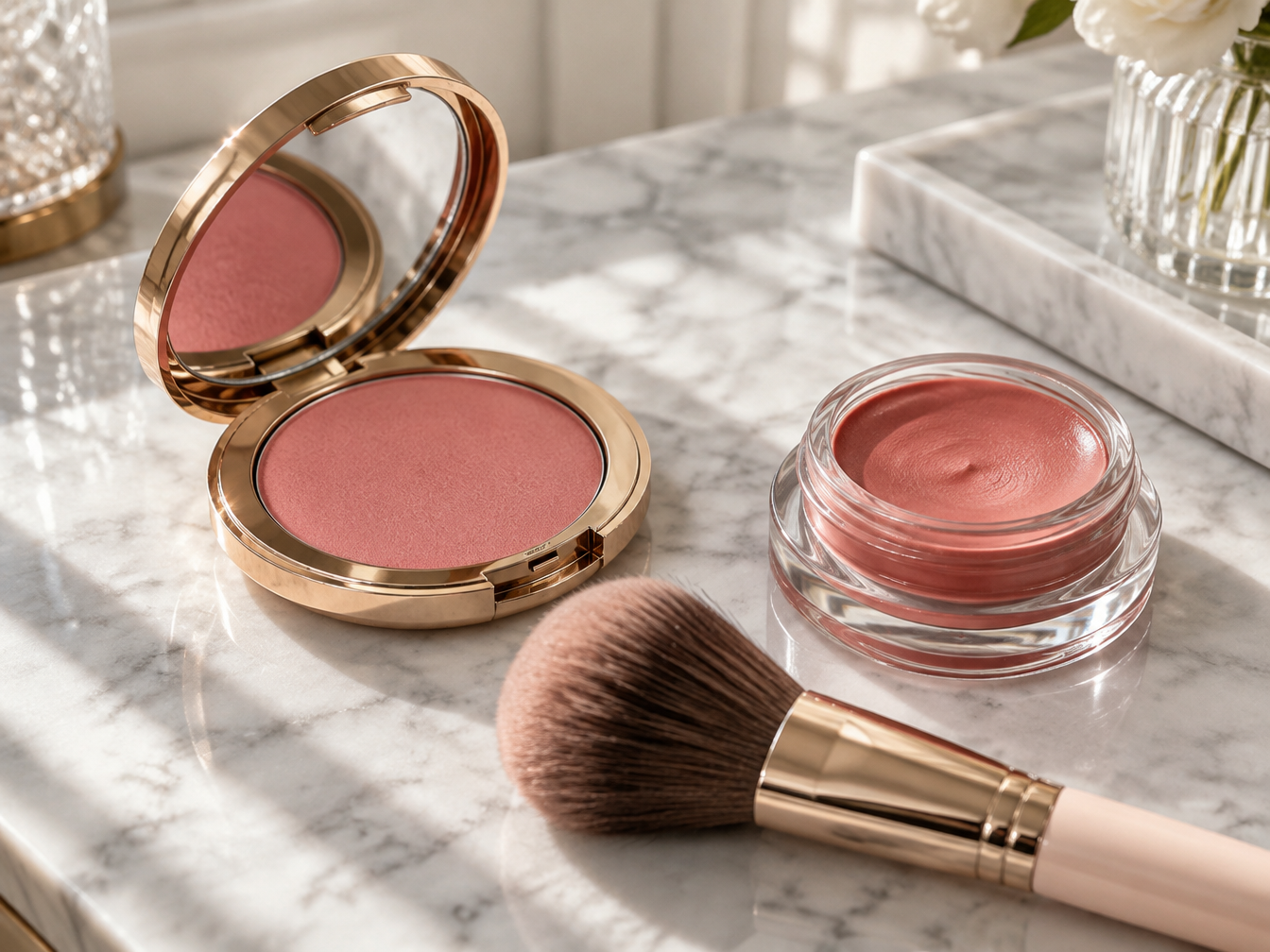
Blush brings back the natural color that foundation, concealer and powder tend to smooth away. A little on the cheeks makes your skin look warmer, lifts your face and ties your eyes and lips together. It is also the fastest way to change the mood of your makeup. Soft pink says gentle and fresh, rich berry says dramatic and polished, and a peachy coral says sunny and relaxed.
The best advice for choosing a shade is to choose based on your skin tone, not the color of the blush itself [2]. In other words, a blush that looks gorgeous in the pan can look strange on your face, and one that looks plain in the compact may be exactly right.
A simple way to think about it is that your blush should look like a flush you could have had naturally. If it looks like paint, it is too strong. If you cannot see it, it is too weak. The goal is the in-between, where people notice you look well but cannot tell why.
Placement changes the effect as much as color. Blush swept high on the cheekbone toward the temple lifts the face and gives a sculpted look. Blush placed on the apples of the cheeks and blended outward gives a youthful, rosy glow. A little across the bridge of the nose looks sun-kissed. Try each once and see which one feels like you, because there is no wrong answer, only a face you like better.
How to Find Your Undertone Before You Shop

Undertone is the subtle color beneath your skin’s surface, and it is what decides whether a shade looks flattering. A quick check is to look at the veins on the inside of your wrist in natural light. Blue veins suggest cool undertones, green veins suggest warm undertones, and a mix suggests neutral [2].
Cool undertones lean pink or rosy, warm undertones lean golden or peachy, and neutral undertones can wear both. If you are neutral, you are in luck, because either warm or cool blush shades work for you [2].
Another test is jewelry. If silver makes your skin glow, you are probably cool. If gold does, you are probably warm. If both look good, you are likely neutral. If you are curious about how metals and colors interact, the guide to choosing gold or silver jewelry to match your outfit is a good companion read.
Keep in mind that undertone is only one part of the picture. Depth, which is how light or dark your skin is, decides how intense a color should be.
If you are still unsure, ask for samples at a makeup counter and test shades on the cheek, not the wrist. Step outside and check them in daylight, since store lighting can be very forgiving or very harsh. Wait a few minutes too, because some blushes change as they settle into the skin. It is worth a short trip to get your shade right, because the right one tends to last for years.
Blush Shades for Fair Skin

On fair skin, softness is the rule. For cool undertones, a soft baby pink or carnation looks natural [1]. Soft pink or rosy tones also suit fair skin with cool undertones [2]. For warm undertones, a pale peach is the right match [1], and light peach or coral shades work well too [2].
If your undertone is neutral, a soft rose is a safe choice, and either of the shades above will work [1]. When you want something bolder, a sheer layer of vibrant coral gives more life without overwhelming fair skin [1].
The trick with fair skin is to build slowly. Tap a little onto the apples of your cheeks and blend upward toward your temples, then add more only if you want. A powder blush is easy to control, while a cream blush gives a dewy finish that suits fair, dry skin.
If you wear a lot of pink in your wardrobe, choose a blush one tone softer than your clothes so you do not look overly matched.

Fair skin also tends to show color quickly, which is helpful. A tiny bit of cream blush tapped on with fingers can look as natural as a real flush. If you tan in summer, keep a peach shade for those months and a pink one for winter. And if you blush easily, choose a shade slightly softer than your natural flush, so the makeup does not compete with the real thing.
Blush Shades for Light to Medium and Medium Skin

For light to medium skin with cool undertones, rosy or mauve shades look best, while warm undertones suit soft apricots or warm peach [2]. For medium skin with cool undertones, mauve or berry brings depth and can be built up [1]. For warm undertones, apricot is the one [1], and for neutral undertones, a true peach works nicely [1].
Medium skin can handle richer pigment than fair skin without looking harsh. Try a warm rose or a soft berry for a gentle depth that still looks natural. Terracotta is another beautiful choice on medium skin with golden tones.
One trick for this skin range is to match your blush to the color of your lips after a brisk walk or a glass of wine. That natural flush is your signature shade, and it is a very good guide. If your lips are rosy, choose a rosy blush. If they are more peachy, choose peach.
For a holiday or evening version, a slightly deeper shade and a touch of glow looks elegant, and soft glam makeup for holiday parties shows how to bring the cheeks into a full look.
This range is the most flexible of all, and most shades work if you control the intensity. If you want to experiment, try a berry in winter, a peach in spring and a warm rose in autumn. A good rule for in-between shades is to match your blush to your lipstick family, so a cool rose blush goes with a cool rose lip, and a warm apricot blush goes with a coral lip.
Blush Shades for Olive Skin

Olive skin can lean warm or cool, which makes shopping for it a little tricky, but the right shade is wonderful. For cool undertones, a pure, vibrant pink looks fresh and lively [1], while berry or plum shades also work well [2]. For warm undertones, terracotta or brick red gives a sun-warmed glow [2].
Because olive skin can swing warm or cool, the one family of shades to avoid is pale, cool-toned pinks [1]. Choose shades with a little warmth or depth instead. If your undertone is neutral, an earthy, deep rosy pink is a flattering choice [1].
Olive skin often looks stunning in shades with a little shimmer, because the sheen reflects light and prevents a muddy look. A cream or liquid blush gives a skin-like finish, and a light dusting of highlighter on the high points of the cheek finishes the effect.
If you are trying a bolder lip or eye with olive skin, soften the blush rather than competing with it. Brick or terracotta with a neutral eye looks warm and polished.
Be careful with very bright, neon-leaning shades near the face on olive skin, which can look harsh. A softer, more muted version of the same color usually looks better. Test a shade on your cheek, take a photo in natural light and compare. If your skin looks bright and healthy in the photo, the shade is right. If it looks gray or sallow, move one tone warmer or deeper.
Blush Shades for Deep and Dark Skin
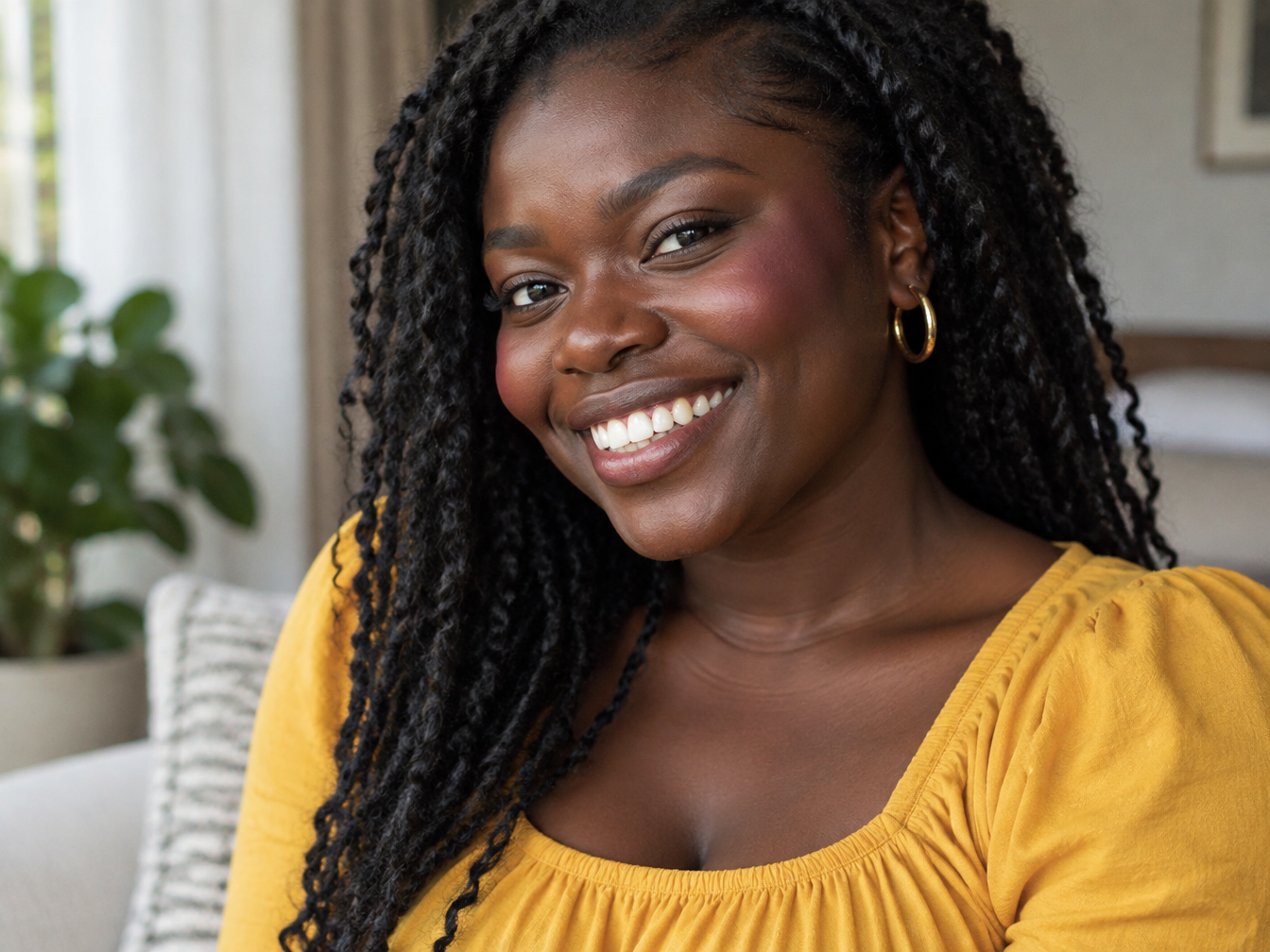
On deeper skin, pigment is your friend, and richer, more saturated shades tend to look more natural than pastels. If your undertone is cool, rich berry or fuchsia shades suit dark skin [2]. If it is warm, deep copper, plum or burgundy is gorgeous [2].
For deep skin with cool undertones, a deep purple or berry with blue undertones looks lovely [1]. For warm undertones, a wine-toned plum is a great choice [1]. For neutral undertones, a rose-tinted shade with a little shimmer works well [1].
Shimmer is especially beautiful on deeper skin, because it catches light and creates a lit-from-within look. Satin and luminous finishes in particular add dimension without looking glittery. If you are pairing the cheek with a colorful eye, colorful eye makeup for beginners explains how to keep the whole face balanced.
The mistake to avoid is a pale pastel that sits on top of the skin and looks gray. If a shade looks chalky, it is too light. Swatch it on your cheek, not your hand, because the skin on the hand is often different from the skin on the face.
If you are unsure where to start, a plum or berry cream blush is a dependable all-purpose shade for deeper skin. Dab it on with your fingers, blend with a damp sponge for a seamless finish, and set with a light dusting of powder if you want it to last through a long day. You can then layer a little more on top for evening.
Which Formula Works Best and How to Apply It
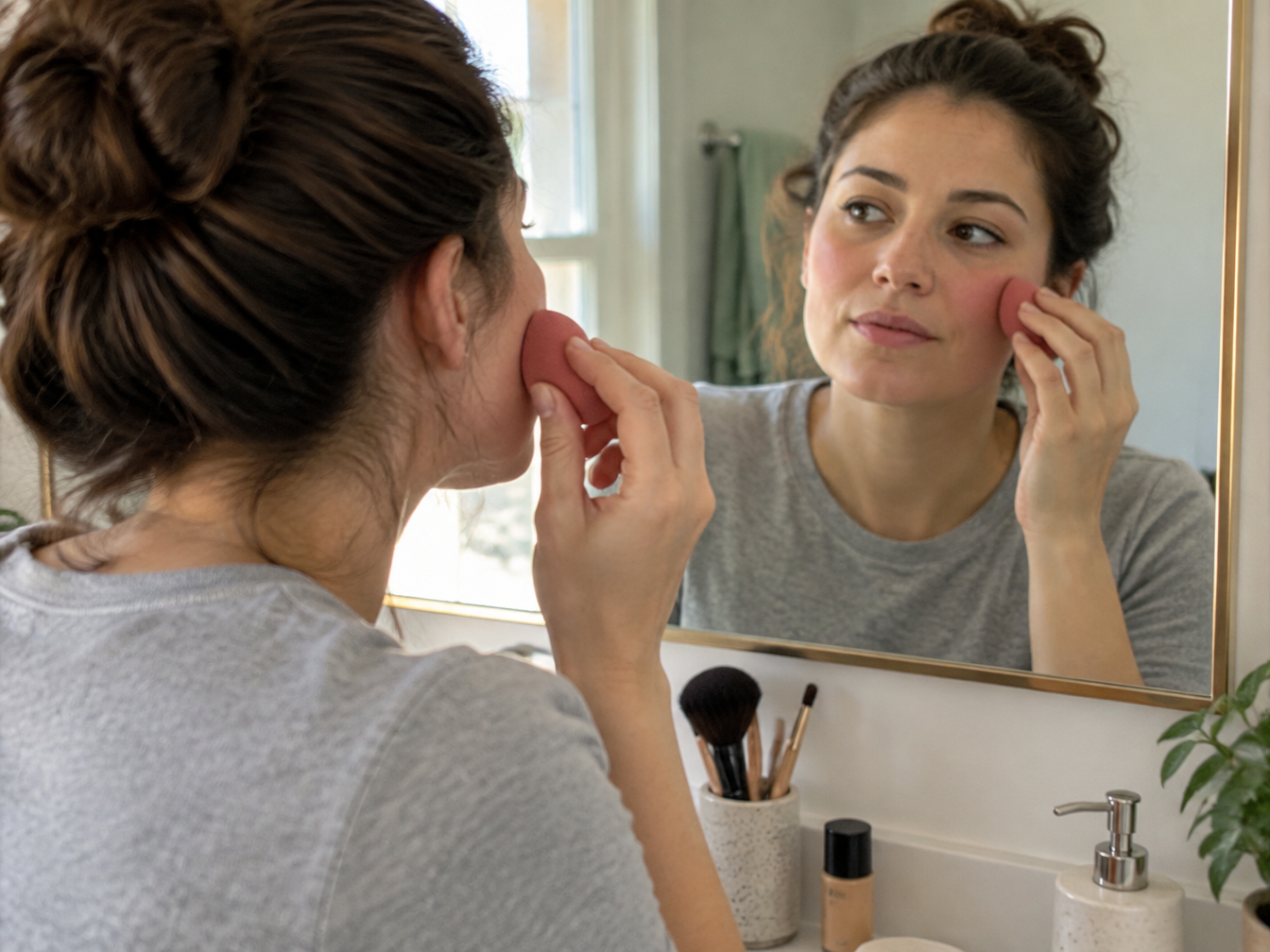
The formula changes the finish. Cream blush is good for dry or mature skin, since it adds hydration and a natural glow [2]. Gel suits most skin types and is sheerer than liquid [2]. Liquid is highly pigmented, best for normal to oily skin, and gives a dewy finish [2]. Powder is versatile, suits all skin types, absorbs oil and gives a matte finish, though it can look too matte on dry skin [2].
Application matters as much as shade. For cream, dab onto the cheeks with fingertips or a brush, then blend gently [2]. For gel, tap on with a stippling brush or fingertips, then blend in small circles [2]. For powder, sweep a fluffy brush over the cheeks and blend back toward the temples [2]. For liquid, apply a small dot, blend quickly and build up gradually [2].
If you are layering, cream goes on before powder, and a small amount of powder on top helps a cream blush last longer. And choose softer shades for a natural look and bolder ones for a dramatic one [2].
One last practical note is to store cream and liquid blush in a cool, dry place and replace them when the smell or texture changes. Clean your brushes every week or two, since dirty brushes can muddy color and irritate the skin. A clean brush also blends better, which helps even a bold shade look natural.
Pairing Blush With Lips, Eyes and the Season
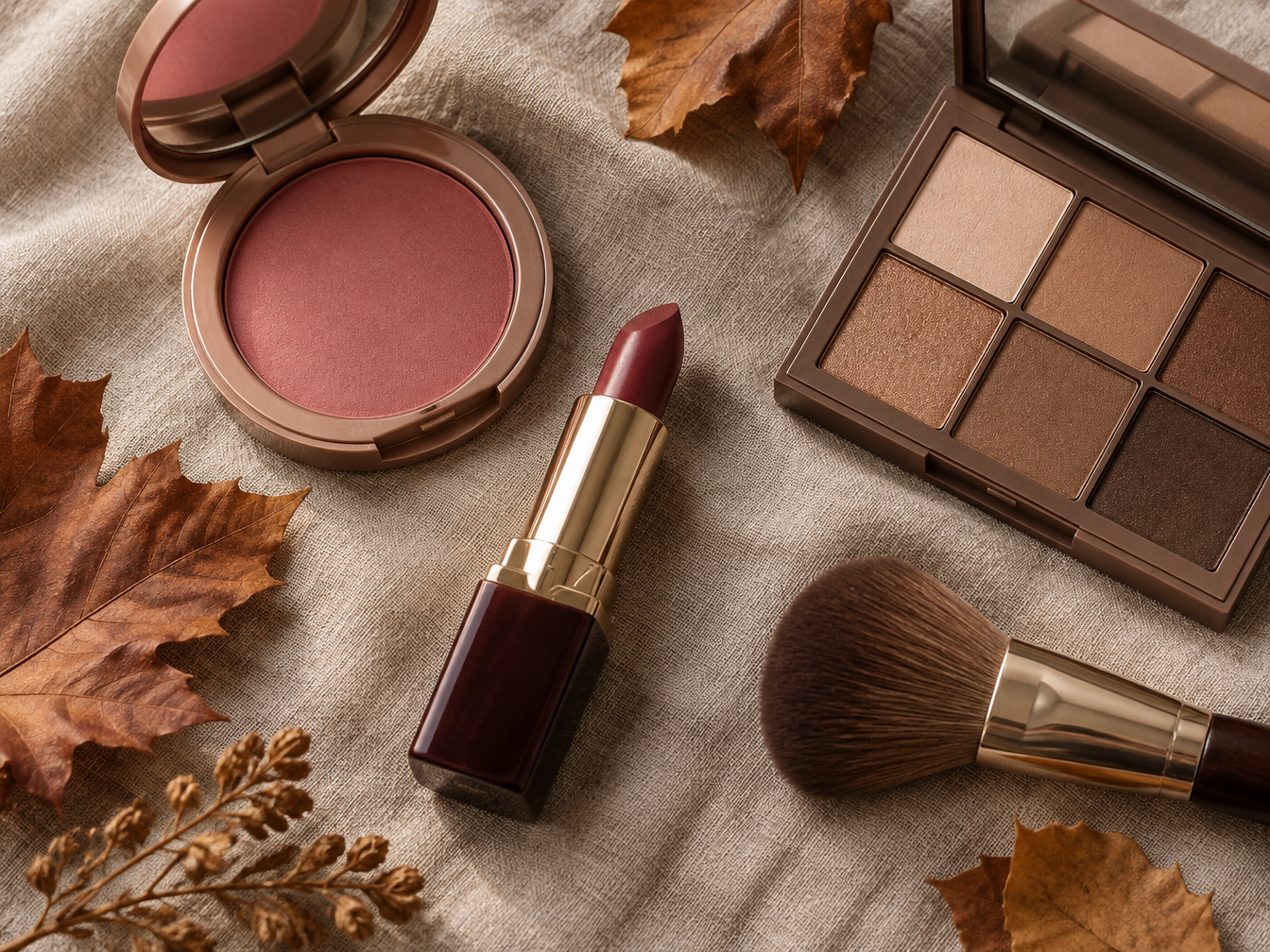
Blush works best as part of a team. A dependable method is to choose a blush that matches your natural lip color, since shades that suit your lips usually complement your cheeks too. If you wear a bold lip, soften the blush. If you wear a bare lip, strengthen the blush.
For winter, deeper lips pair well with a berry or rose cheek, and dark lip colors for winter and how to wear them without fear offers ideas for the lip side. If you like color on the eyes, keep the cheeks softer to avoid an overloaded face.
For nights out and celebrations, a sparkly look pairs well with a glowing cheek.
Seasons shift color preferences. In summer, use sheer peach or coral that looks like a light tan. In autumn, choose terracotta and warm rose. In winter, go for berry and plum. If your skin tone shifts with tanning, keep a couple of shades for different seasons [2].
The right blush is the one that makes people ask if you have been on vacation, even when you have been at your desk all week.
Sources
- How To Find the Right Blush Color for Your Skin Tone, L’Oreal Paris
- How to Find the Perfect Blusher, Live That Glow
Leave a Reply