The Dress I Bought for a Life I Was Not Living
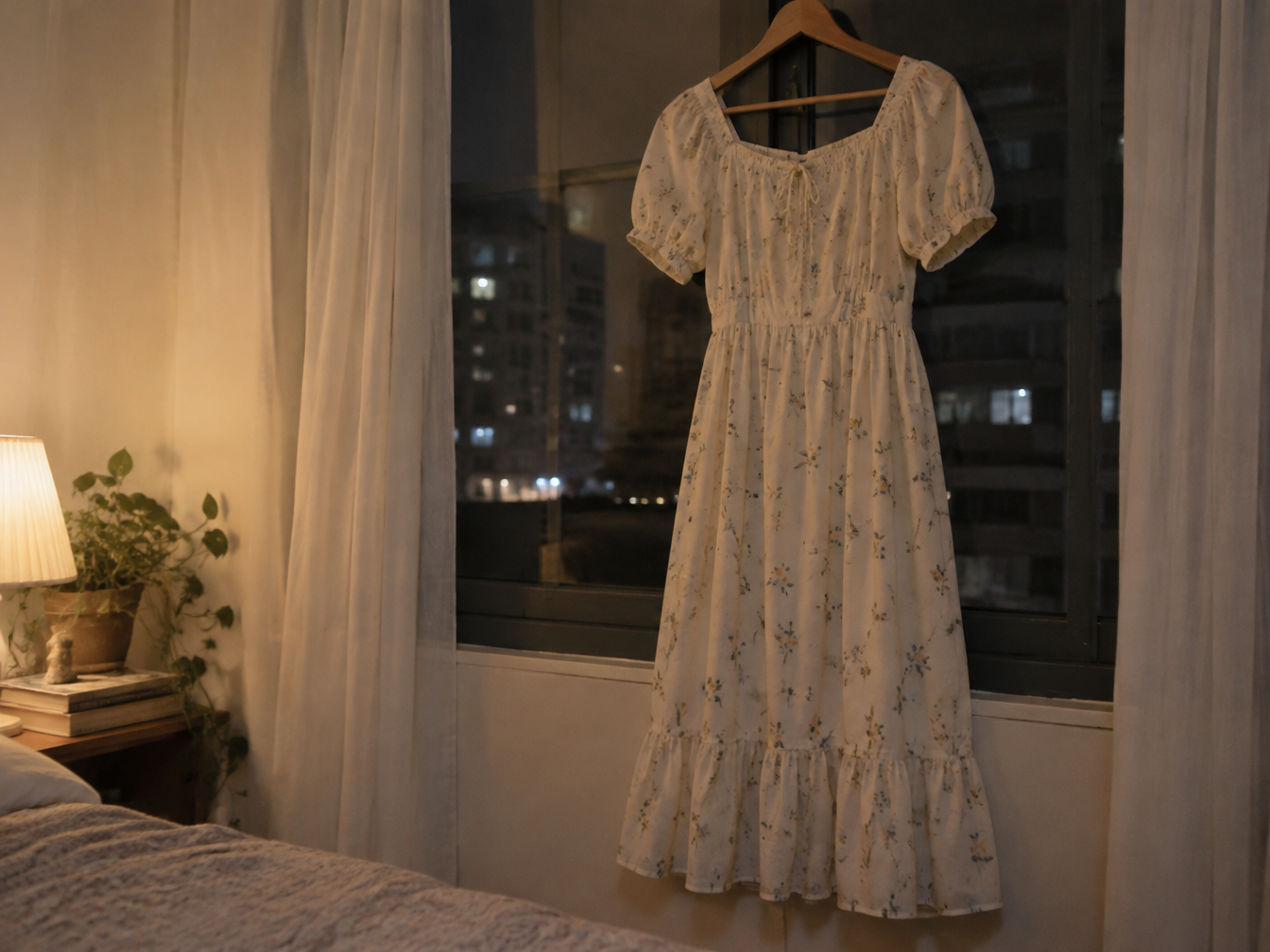
The dress arrived in a flat plastic bag, and I remember how fast I tore it open. Cream cotton, puffed sleeves, a tiny pattern of wildflowers that no real meadow has ever produced. I put it on in my bedroom at eleven at night, stood in front of the mirror, and felt something unclench in my chest.
I did not live in a cottage. I lived in a third-floor apartment above a laundromat, and my view was a parking lot and a very committed pigeon. But for about ninety seconds, in that dress, I was a woman who kneaded her own bread and kept bees and never once refreshed her phone to see what had gone wrong in the world.
Then I took a photo, posted it, and went back to my inbox in the same dress. The feeling lasted until the first email.
That is the thing nobody tells you about cottagecore. The dress is not the point. The dress is a doorknob. You buy it because you are desperate to walk through the door, and then you stand there in a very pretty outfit, still on the wrong side of it.
I have spent a long time thinking about why that tiny pattern of fake wildflowers made me feel so seen. I think it is because I was not shopping for clothes. I was shopping for quiet.
Where the Cottage in Cottagecore Actually Came From
If you want the tidy origin story, there isn’t one. The internet does not keep good birth certificates. The aesthetic floated around in different corners for years before it had a name that stuck.
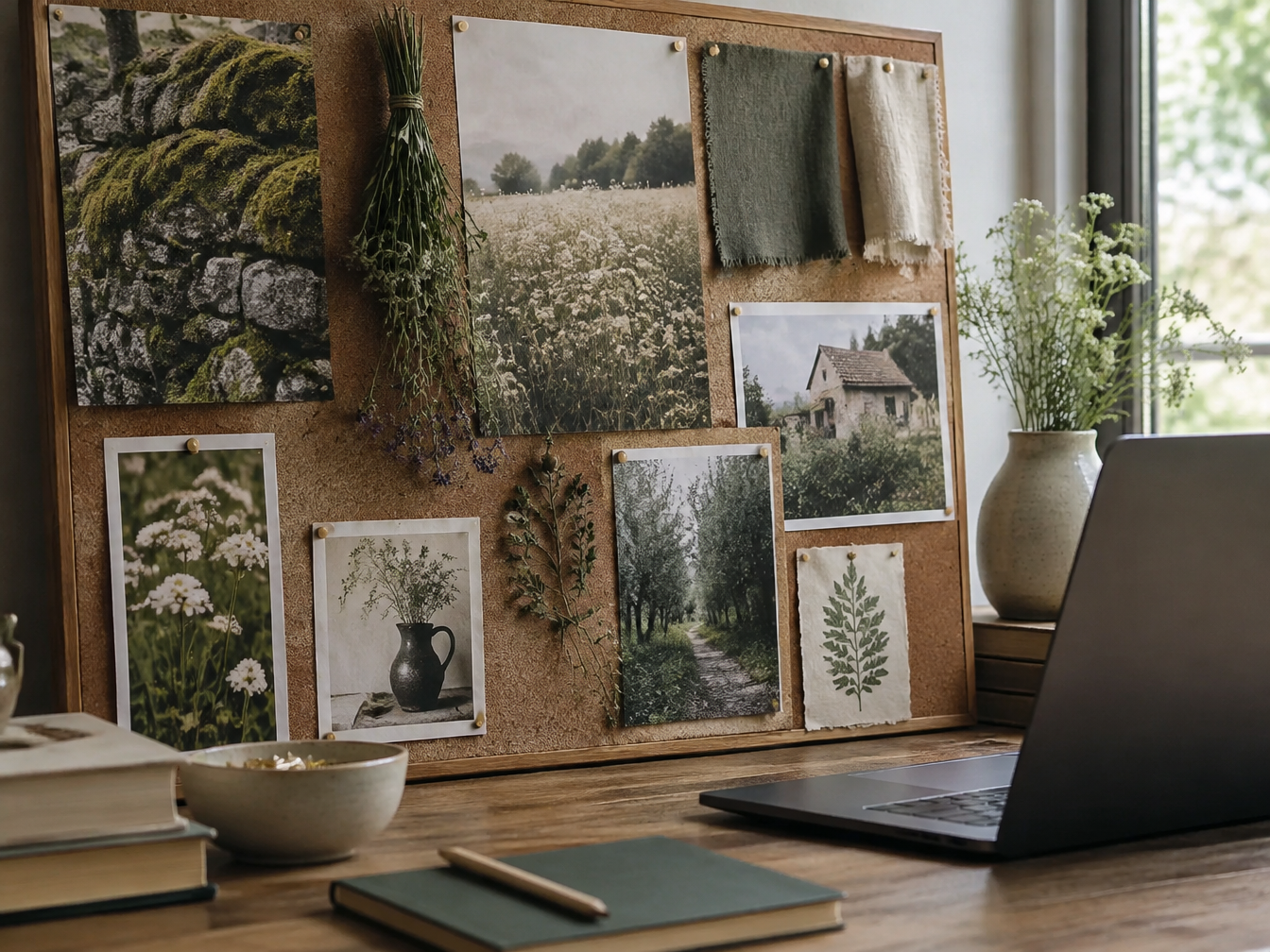
NPR reported that Tumblr saw its first use of the cottagecore hashtag in March 2014 [1]. Cottage Life, writing a few months later, traced the word itself to Tumblr in June 2018, with a subreddit following two months after, and said it jumped to TikTok in January 2020, where it really took off [2]. The two sources do not agree on the exact date, which feels about right for a trend built on mood boards. Somebody was always quietly pinning pictures of mossy stone walls long before anyone gave the pile of pictures a label.
The name borrows its grammar from normcore, where the first half tells you the whole philosophy. Normcore made plain clothes a statement. Cottagecore does the same with the countryside: long skirts, flowy shirts, waistcoats, a palette of green and brown and cream, and a rejection of the hustle that fills an ordinary Tuesday [2].
What I find most interesting is who built it. Cottage Life notes that the movement was originally pushed forward by young women and LGBTQ people who imagined a rural utopia where they could raise chickens and wander through forests, and where traditionally feminine pursuits like cooking and crafting got celebrated instead of eye-rolled at [2]. One teenager told Vox that because many people like her are not fully accepted in the modern world, the thought of running away to a cottage is soothing [1].
That reframed the whole thing for me. It was never a costume party. It was a fantasy of a place where you do not have to defend yourself.
If you like the softer, bookish edge of this world, I wrote about a close cousin in these poetcore outfits for a cozy, bookish wardrobe, which is basically cottagecore with a library card.
Why Lockdown Turned a Tumblr Mood Into a Movement
In the spring of 2020, everyone was trapped indoors with their phones, and the news came in like weather. Doomscrolling had a name and a nightly appointment.
Cottagecore arrived as the opposite of that feed. NPR described it as a wholesome, back-to-basics escape and the antidote to doomscrolling [1]. Tumblr’s own numbers backed it up: between March and April of that year, engagement with the cottagecore hashtag jumped 153 percent and likes rose more than 500 percent [1]. Tumblr’s “meme librarian,” Amanda Brennan, said the trend rose and fell right alongside the CDC releasing more data on COVID cases [1]. People were not choosing the aesthetic because it was cute. They were choosing it because it was the only thing in their feed that made their shoulders drop.
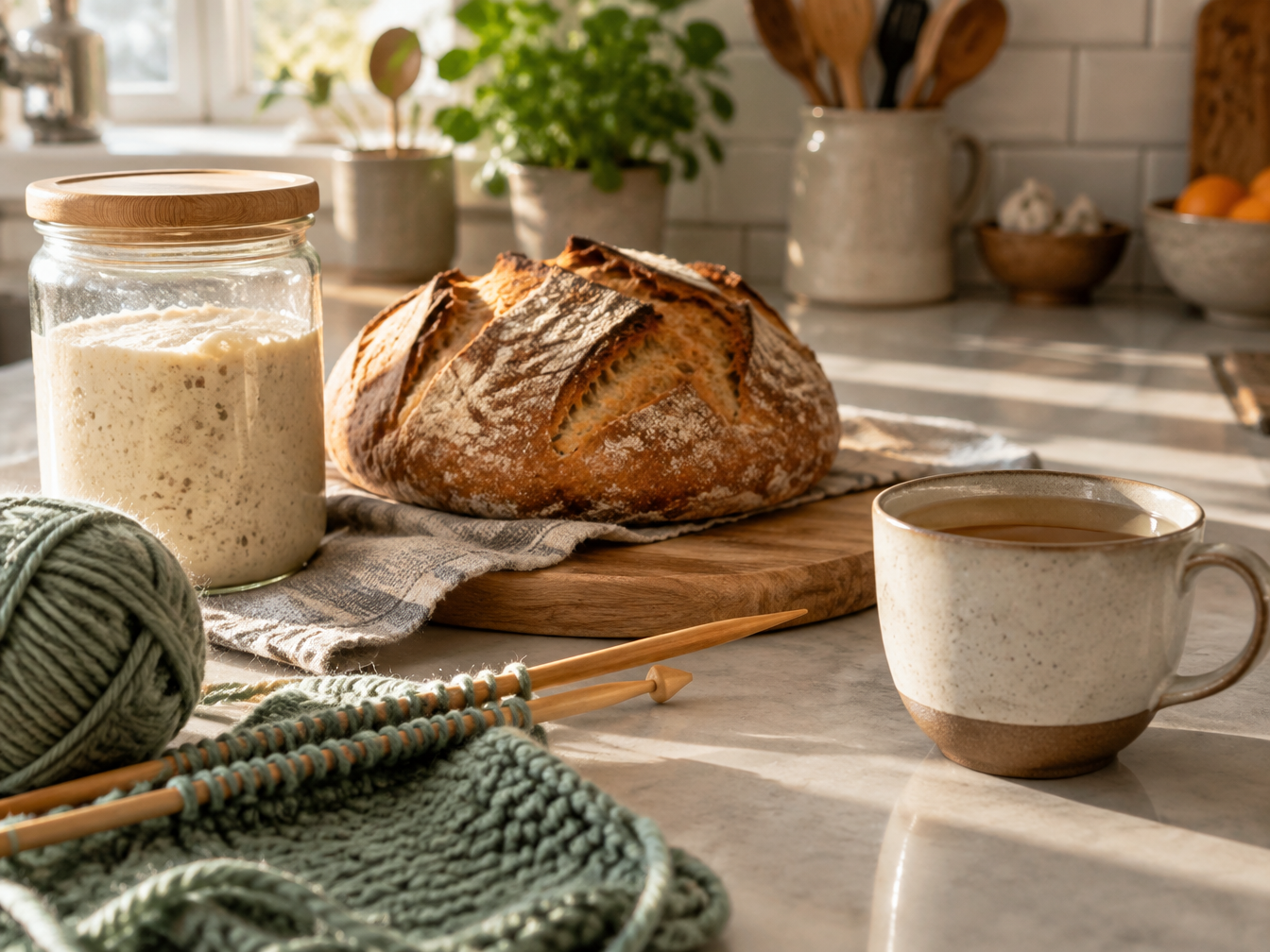
Think about what else was happening that season. Sourdough starters sat on counters like new pets. People learned to knit and bake pies and press flowers. Taylor Swift released an album that looked like a woodland fog. Cottage Life counts the pandemic baking and long walks as part of the same wave, a yearning for a break from endless screens and digital doom [2].
Seen that way, the prairie dress was a kind of emotional first aid. When the world is too loud, you reach for the thing that looks like silence.

I do not think there is anything shallow about that. I think it is one of the most honest things fashion has ever done. We wear what we are missing.
The Part Nobody Puts in the Photo
I would be lying if I said the fantasy was clean, so let me be a little annoying for a minute.
The Museum of English Rural Life got into a viral exchange about cottagecore in 2020, and its digital editor, Joe Vaughan, made a point that stuck with me. There is a long legacy, he said, of people putting on the clothes of the poor and frolicking around in them [1]. His example was Marie Antoinette, who built a rustic retreat called the Hamlet near Versailles and played the shepherdess alongside real farm workers [1]. Pastoral nostalgia for a simple life, he said, is simply not reflective of lived experience, because farming has been so difficult [1].
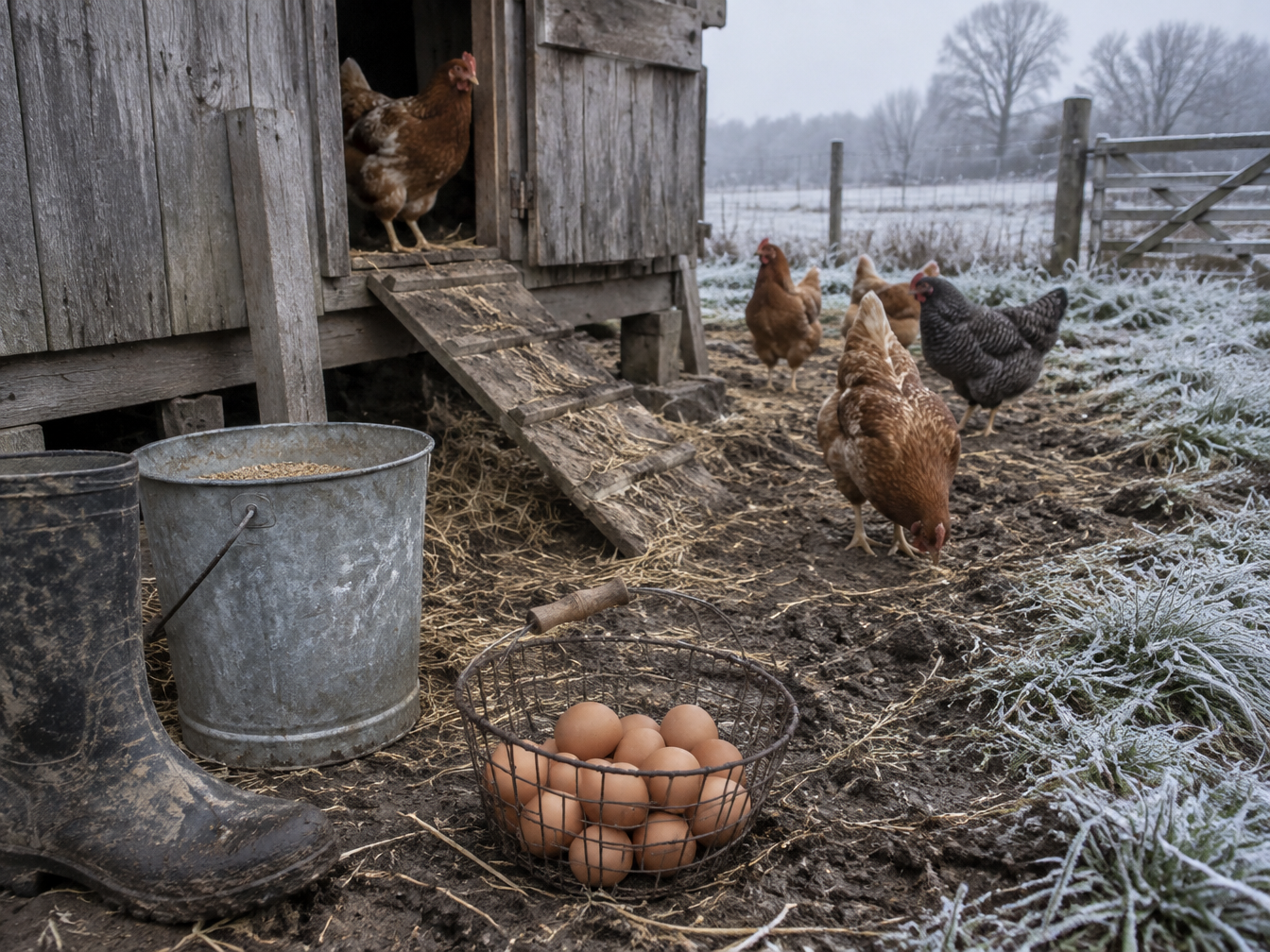
I think about that whenever I scroll past a picture of someone in a linen apron holding a basket of eggs. Those eggs came from a chicken that needs feeding at six in the morning in January. The cottage has a leaking roof. Real country life is not quiet. It is just loud in a different language.
Vaughan was careful to say he was not trying to shame anyone who loves the aesthetic, only to point out that the impulse has a history [1]. I hold on to that part. You are allowed to daydream. You are allowed to want a softer life. You just get to be honest about the fact that a daydream is a daydream.
And the same warning applies to the clothes. The aesthetic is a story, and a story can be sold back to you in a thousand versions. If you have ever watched a mood quietly turn into a shopping cart, you might recognize the pattern I described in what I learned from trying the clean girl aesthetic. Different palette, same pull.
What Cottagecore Looks Like When You Live in a City Apartment
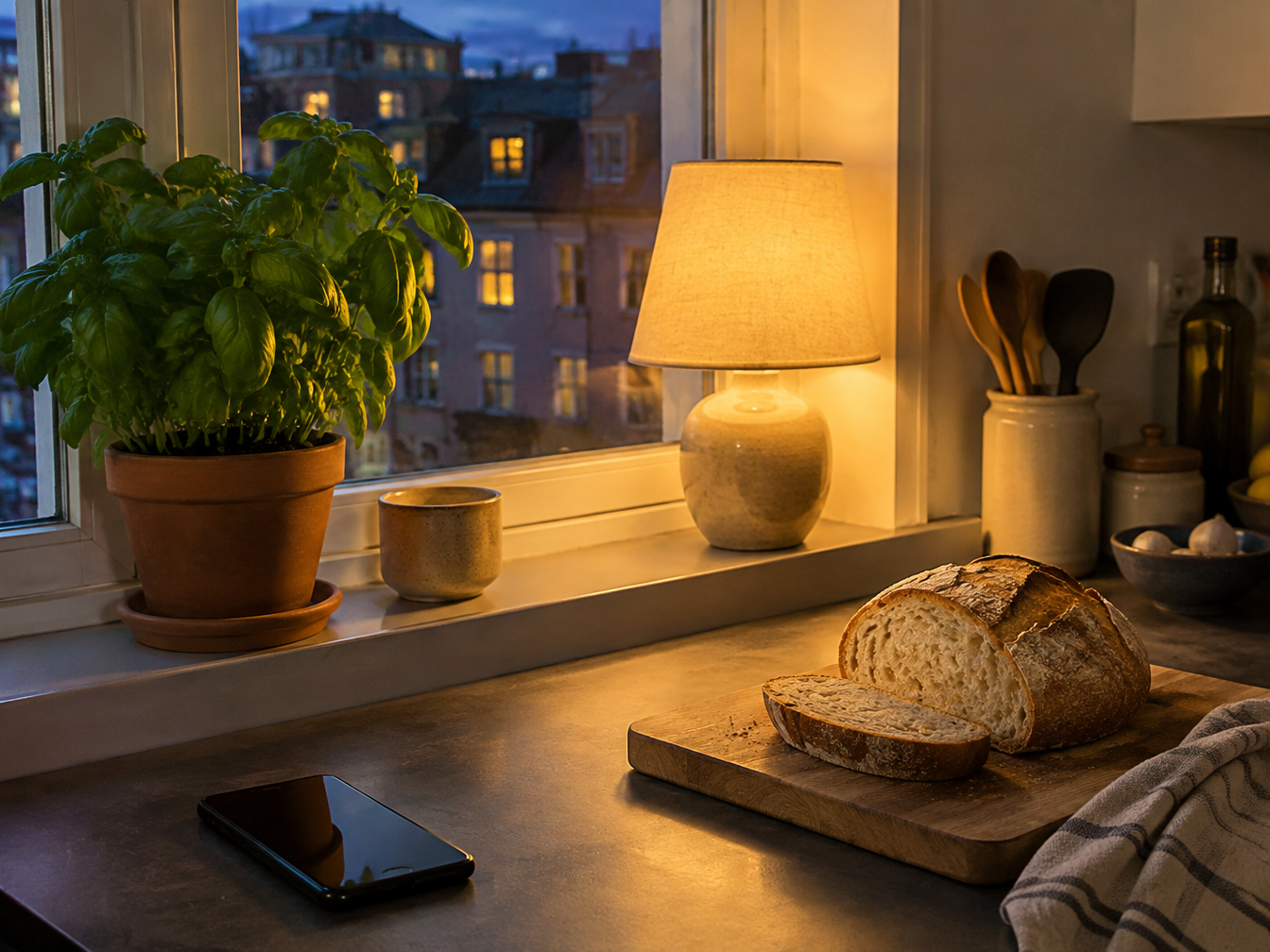
Here is the good news. Cottage Life makes the point that you do not have to live in a cottage to be cottagecore, because fans can bring its mood into smaller things [2]. NPR quoted a twenty-year-old who described it as sharing homemade bread, thrifting, buying local and growing your own food, and who called it embracing sustainability, community and kindness [1].
That list does not contain a single dress.
So here is what the idea looked like once I stopped trying to cosplay it. I bought a cheap basil plant and kept it alive for four months, which for me is practically a farm. I started baking one loaf of bad bread on Sunday afternoons and eating it warm with too much butter. I set a rule that my phone sleeps in the kitchen after nine. I put a lamp with a warm bulb where the overhead light used to be, because I learned that half of cozy is just lower light.
If you want a little more outdoor inspiration for your balcony or windowsill, the ideas in these rustic garden decor ideas are a gentle place to start, and none of them require acreage.
None of that is photogenic. All of it worked better than the dress.
How to Wear the Feeling Without the Costume
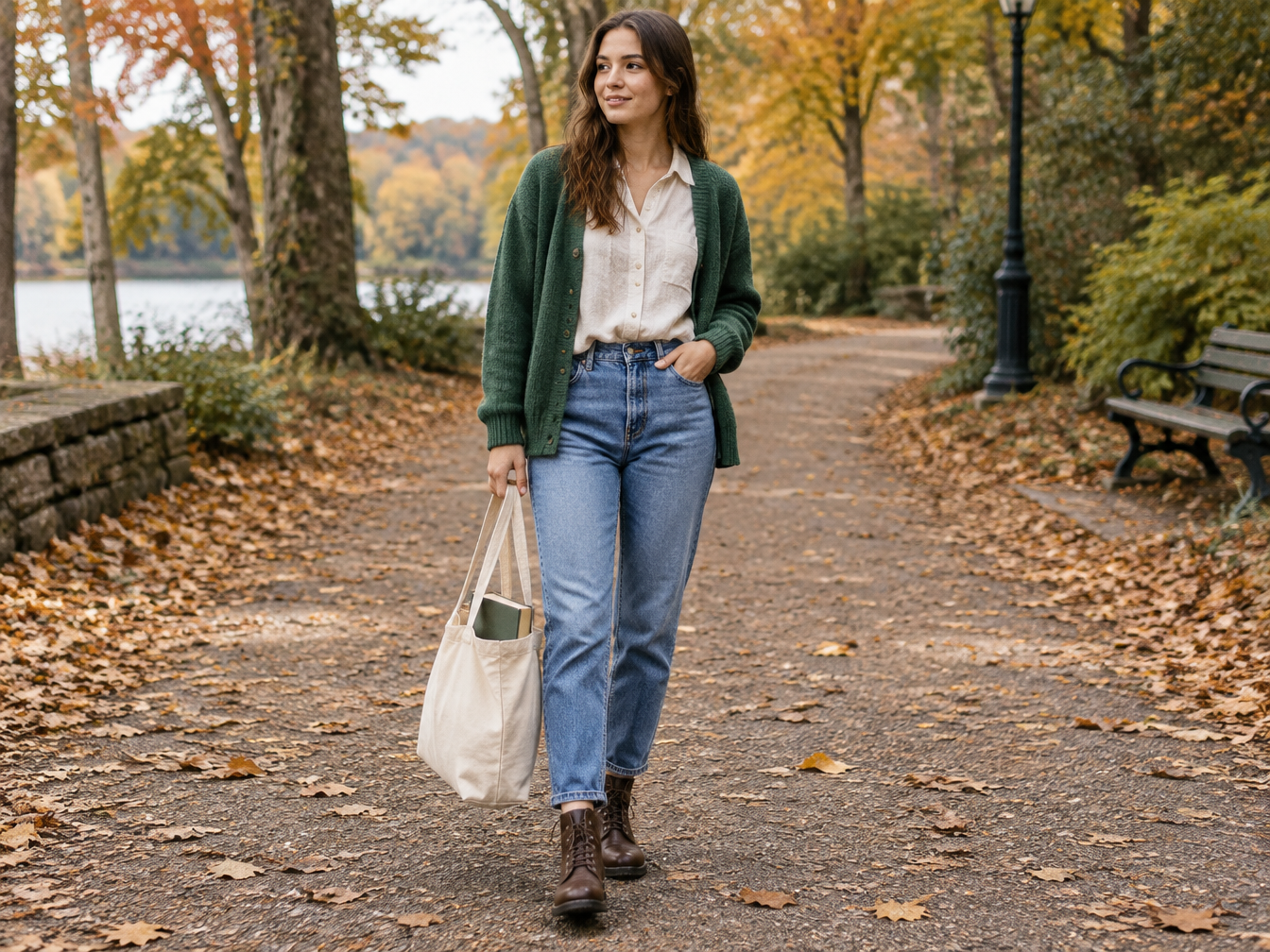
I still love the clothes. I would never tell you to throw out the prairie dress. I just wear it differently now, and the difference is where the whole lesson lives.
Start with one piece, not the whole fantasy. A single floaty blouse with a pair of jeans reads as softness. A head-to-toe bonnet reads as a Halloween party. You want the outfit to say “I choose gentleness” and not “please believe I live in a field.”
Choose fabrics you can feel. Cotton, linen, wool and knits do half the mood work before you have styled anything. If it is scratchy or sticky, it will not feel like a retreat no matter how it photographs.
Keep the palette close to nature. Cottage Life points to green, brown and cream as the preferred shades [2], and they happen to be very forgiving on almost everyone. Add one soft accent, like a faded rose or a butter yellow, and stop there.
Mix eras on purpose. A vintage cardigan, a modern pair of boots, a skirt that hits mid-calf. The magic of this look is that it feels collected, not purchased in one afternoon. If you like the idea of borrowing a little from the past, these 1950s fashion looks for today show how to do it without looking like you are headed to a reenactment.
And finish with something practical. A good coat, sturdy shoes, a bag that holds a book. Cottagecore at its best is clothing for a life with chores and walks in it, not a life with only photographs.
What I Kept After the Aesthetic Stopped Trending
Trends have a lifespan, and cottagecore has had its pendulum swing like everything else. Nobody is asking about it in the group chat anymore. The hashtag has gone quiet, and the algorithm has moved on to whatever it wants us to feel next.
Here is what is strange. I do not miss the aesthetic at all, but I would fight someone for what it gave me.
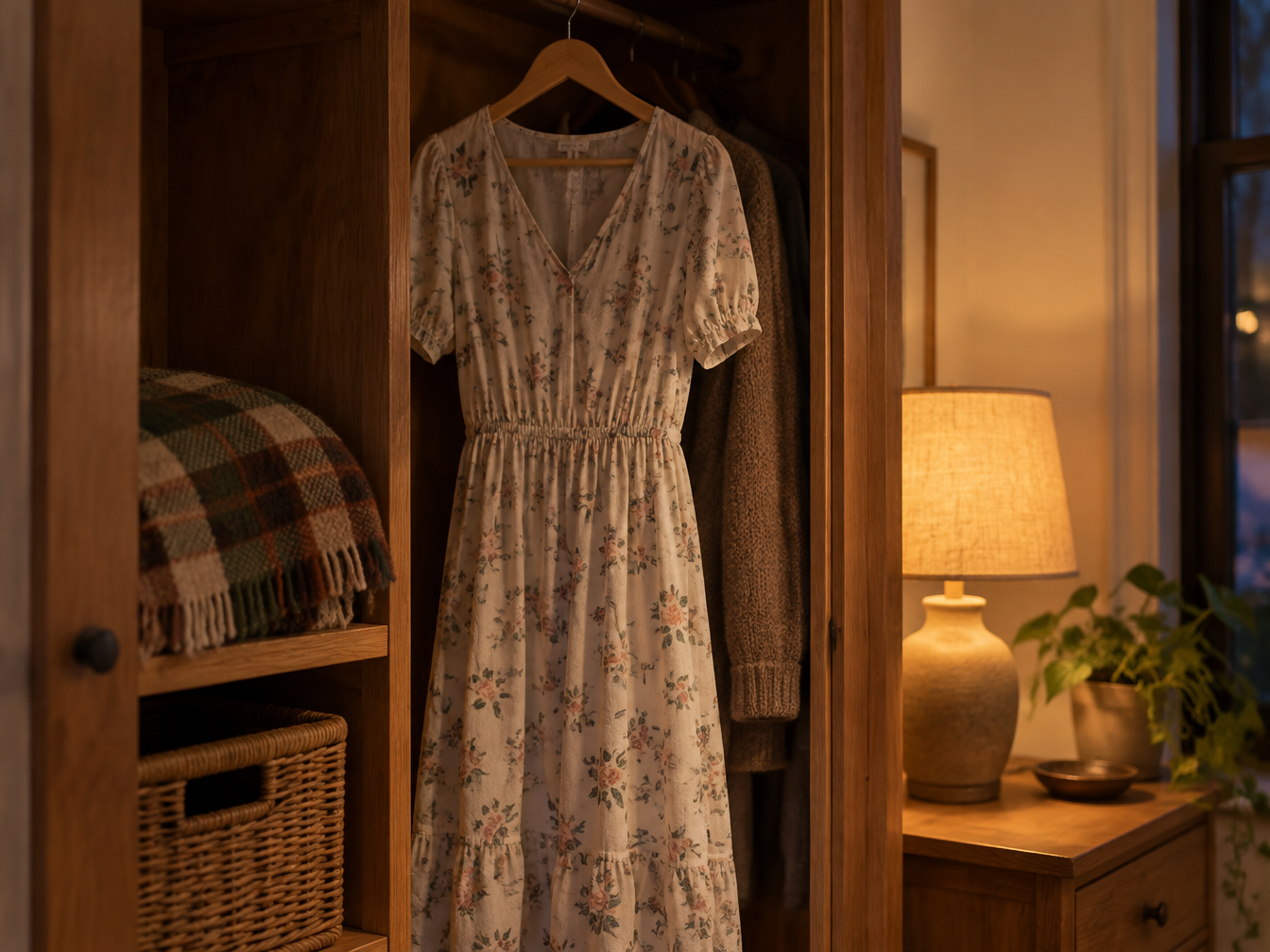
I kept the dress. It lives in the closet with the lamp-lit evenings, and I wear it when I want to remember what I was reaching for. I kept the Sunday bread. I kept the phone in the kitchen. I kept the habit of asking, whenever I want a new outfit, what feeling I am actually trying to buy.
That question has saved me real money. Most of the time, the answer is not “a puffed sleeve.” The answer is rest, or safety, or a break from being looked at. You cannot order those, but you can build small, boring versions of them with a basil plant and a warm lamp.
So if you are standing in front of a mirror right now in something wildly impractical, feeling the unclench in your chest, I am not here to take it away. Wear the dress. Just notice what the dress is trying to tell you.
You were never missing a cottage. You were missing quiet, and quiet is something you are allowed to make.
Sources
- Emma Bowman, The Escapist Land of ‘Cottagecore,’ From Taylor Swift to Marie Antoinette, NPR via KQED, August 10, 2020.
- V.S. Wells, What is cottagecore, and why does Gen Z love it?, Cottage Life, November 20, 2020.
Leave a Reply