Every November, a quiet agreement settles over closets everywhere. Black, gray, more black. A sweater the color of wet pavement. A coat the color of a rainy parking lot. We call it practical, and then we wonder why getting dressed in winter feels like putting on a mood.
It does not have to be that way. Winter is the season when color works the hardest, because everything outside is already muted. A single well-chosen shade can do more for your face and your outfit in January than any amount of sparkle in July.
Why Winter Is the Best Season for Color

Short days and gray skies strip the world of its brightness, so a rich shade stands out and lifts everything around it. Fashion writers describe the winter 2026 palette as full of vibrant and viral moments, built from six clear trends, from deep navy to bright citrus [1]. That is a long way from the all-black uniform most of us default to.
Color also does a practical job. A warm shade near your face reflects light back onto your skin and makes you look rested, which is not a small thing when you are getting dressed in the dark at 6:30 in the morning. Cool tones, in contrast, can make a tired face look more tired.
The easiest way in is not to buy a rainbow. Choose one color you love, keep the rest of the outfit neutral, and wear that color on the piece closest to your face. A sweater, a scarf or a hat does it in one move.
There is also a psychological bonus. Most of us notice that we feel a little brighter after putting on a favorite color, and winter is when that lift is most welcome. Think of your palette as a small daily kindness. It takes no extra time, costs nothing beyond the clothes you already own, and changes how you walk out the door. A cheerful scarf can turn a commute from something you endure into something you almost enjoy.
Navy, the Smarter Alternative to Black

If black feels too heavy, deep navy is the gentlest swap. Fashion editors describe navy as a shade so dark it can read almost black, and recommend it as a fresher substitute, in forms like a nautical-style pea coat or a pair of navy barrel jeans for a modern look [1].
Navy works because it behaves like black in the closet. It goes with white, gray, camel, cream and almost every other color, and it does not show lint the way black does. But in daylight it has a depth and a little warmth that black lacks.
Try it in unexpected places. A navy trench over a cream knit looks expensive, and how to nail trench coat outfits shows several ways to wear one. A navy knit with navy trousers and a cream coat works just as well. A navy turtleneck under a gray blazer looks sharp. And if you are worried about wearing it head to toe, break it up with a lighter layer, like an oatmeal scarf, so the outfit does not turn into a single dark block.
Pair navy with texture to keep it interesting. Wool, corduroy, suede and cashmere all take navy beautifully, and each gives it a slightly different personality. For shoes, brown leather boots look warm and relaxed, while black leather looks sharper. White sneakers lighten the whole outfit if you want something casual, and a pair of gold earrings makes navy feel dressier in seconds.
Camel and Cream, the Anchors of the Season
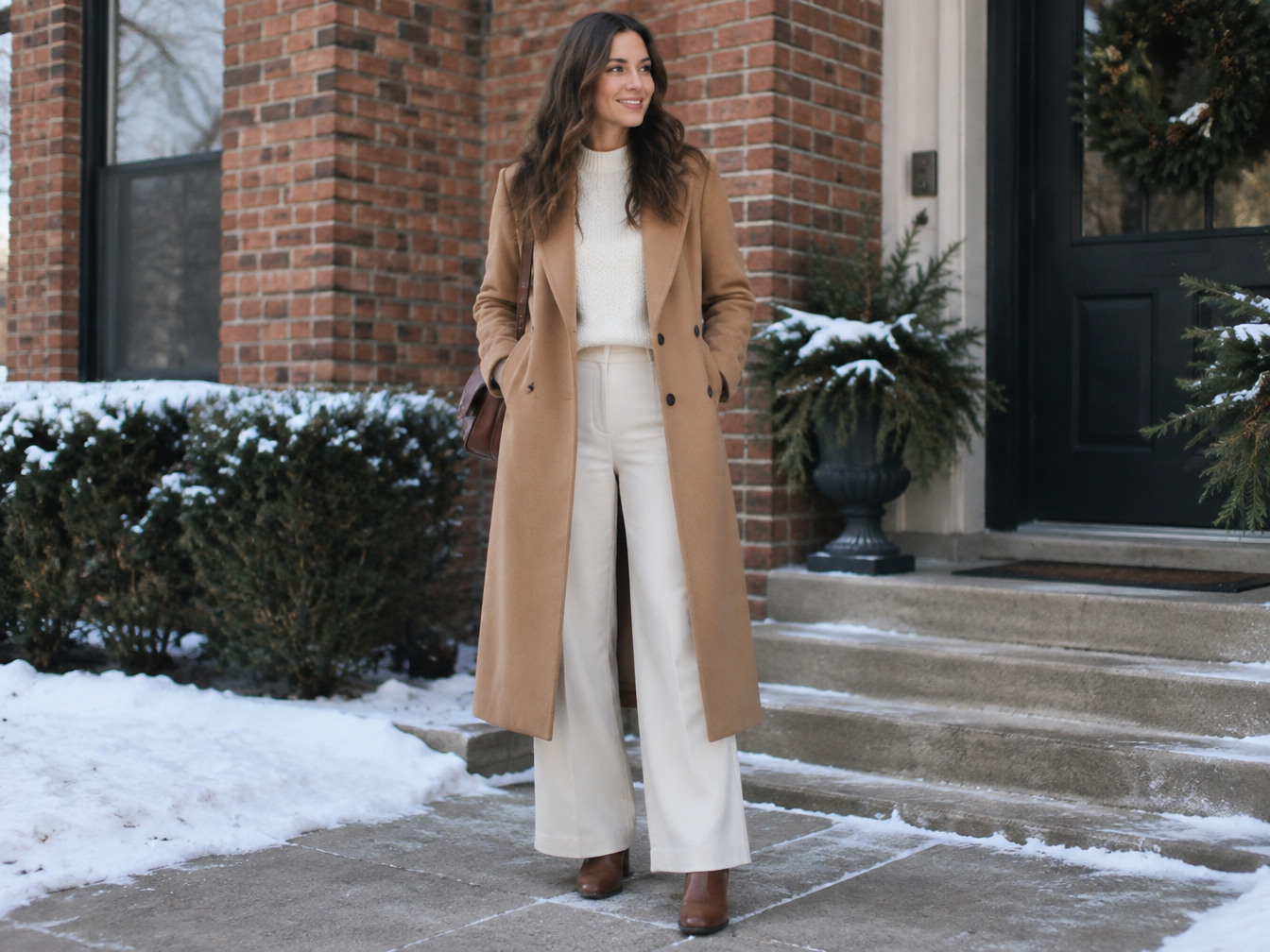
Camel is the neutral that grounds nearly any outfit, which is why stylists suggest investing in a camel coat as your centerpiece and adding a light brown bootie or leather shoulder bag to match [1]. It looks warm even on the coldest day, and it works on every skin tone when you pair it with the right companion colors.
Camel and cream make the simplest pairing in the whole winter wardrobe. A camel knit against cream wide-leg trousers feels cozy and soft, the tonal contrast elongates your silhouette, and a little gold jewelry makes it look polished [2].
A good coat is a long-term relationship, so it is worth thinking about how it ages. The story in my grandmother’s coat and the style lessons it keeps teaching me is a lovely reminder that the right color and cut can outlast any trend. Choose a coat in a shade you would still love in ten years, and let everything else change around it.
Be careful with undertones when you wear camel near your face. If your skin has cool undertones and camel looks dull, wear it lower, as a coat or trousers, and put a brighter or cooler shade at your neckline. If your skin has warm undertones, camel near the face usually looks glowing. A cream scarf in between works for almost everyone, because it bounces light up under the chin.
Powder Pink and Blush for Softness
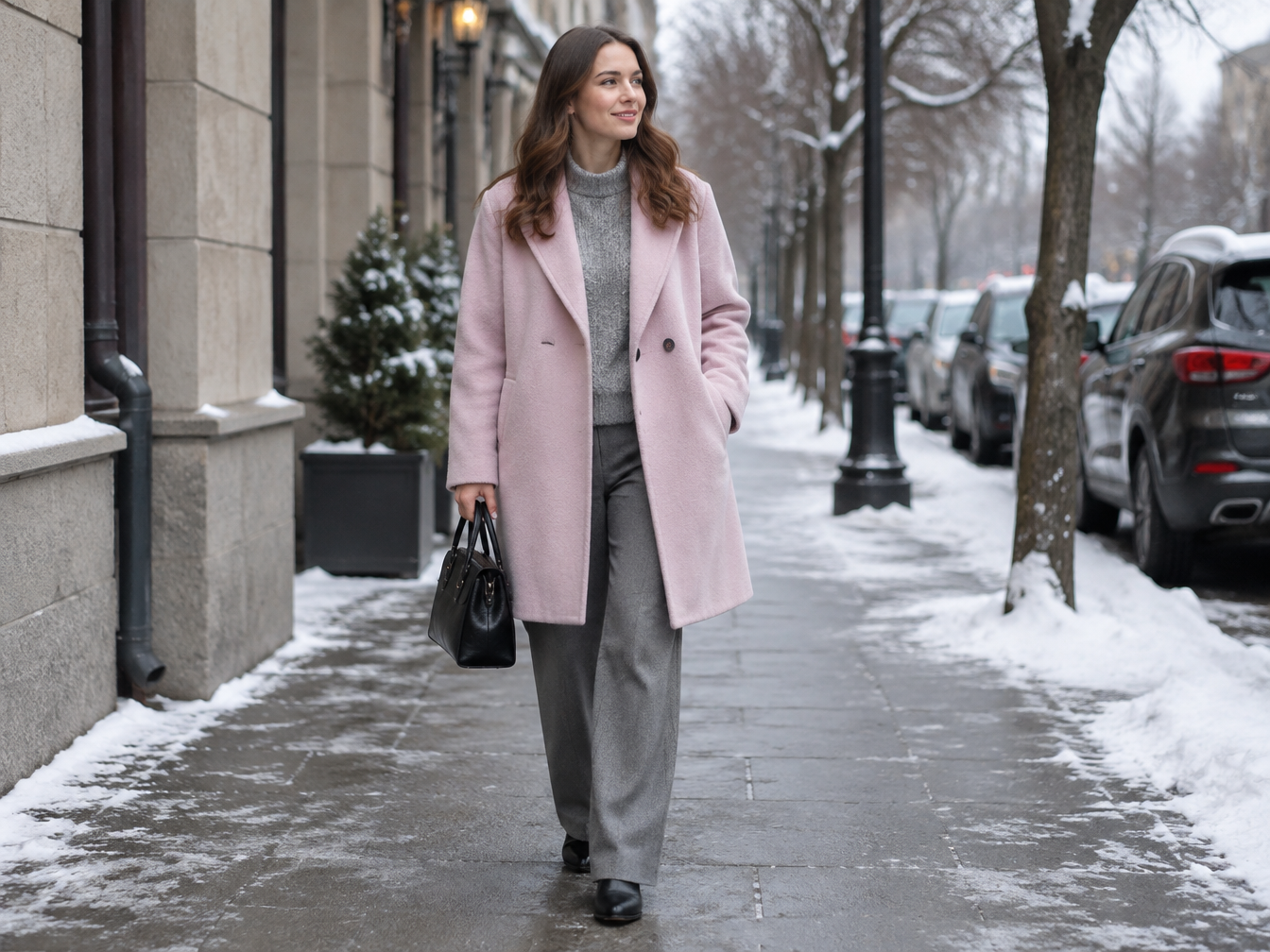
Pink in winter sounds wrong until you try it. A soft, grown-up powder pink can replace winter white, and it looks lovely in a nubby camel-hair-style coat, a sheer turtleneck or a slip dress [1]. It brightens a gray day without shouting about it.

Blush has a special gift in winter: it is flattering near the face. Chocolate with blush makes a classic duo, where deep brown provides warmth and structure while blush brings a feminine touch that works from day to evening [2].
A small warning about shade. Pick pinks with a little gray or beige in them, which read as sophisticated, rather than bubblegum tones that can feel summery. If you are unsure, hold the garment under your chin in natural light. If your face looks brighter, buy it. If your skin looks sallow, put it back.
Pink also gets along with unexpected partners. Try powder pink with chocolate brown, camel with a touch of pink in the scarf, or a pink coat over an all-gray outfit. The gray acts as a calm background and the pink becomes the star. For evening, a deep berry lip with a pale pink sweater looks romantic without being sweet, which is exactly the balance winter pink needs.
Teal and Pistachio for a Fresh Pop

Not everything has to be cozy and earthy. Teal is a blue-green that offers a bold pop while still feeling natural, and it looks best as the statement piece, such as a soft cashmere cardigan over dark-wash jeans and a plain white tee, or a teal slip-on loafer [1].
Pale pistachio is the surprise of the palette. This milky green pastel is brighter than it first looks, and it can be worn as a collared knit polo, a puffer jacket or a sneaker to add freshness to winter neutrals [1]. It is the color equivalent of cracking a window in a stuffy room.
Both shades love a gold accent. If you are choosing between metals, our guide to choosing gold or silver jewelry to match your outfit goes deeper, and the short answer is that warm gold lifts teal and pistachio better than cool silver does.
Both shades also work in small amounts if you are cautious. A teal beanie over a navy coat makes a classic, outdoorsy combination. A pistachio sneaker with gray trousers and a cream sweater makes the shoe the point of the outfit. And if you are curious about green but not ready to wear it on your torso, try it on your nails first, since color on the hands makes a surprisingly strong accent.
Citrus Orange for When You Need Some Joy
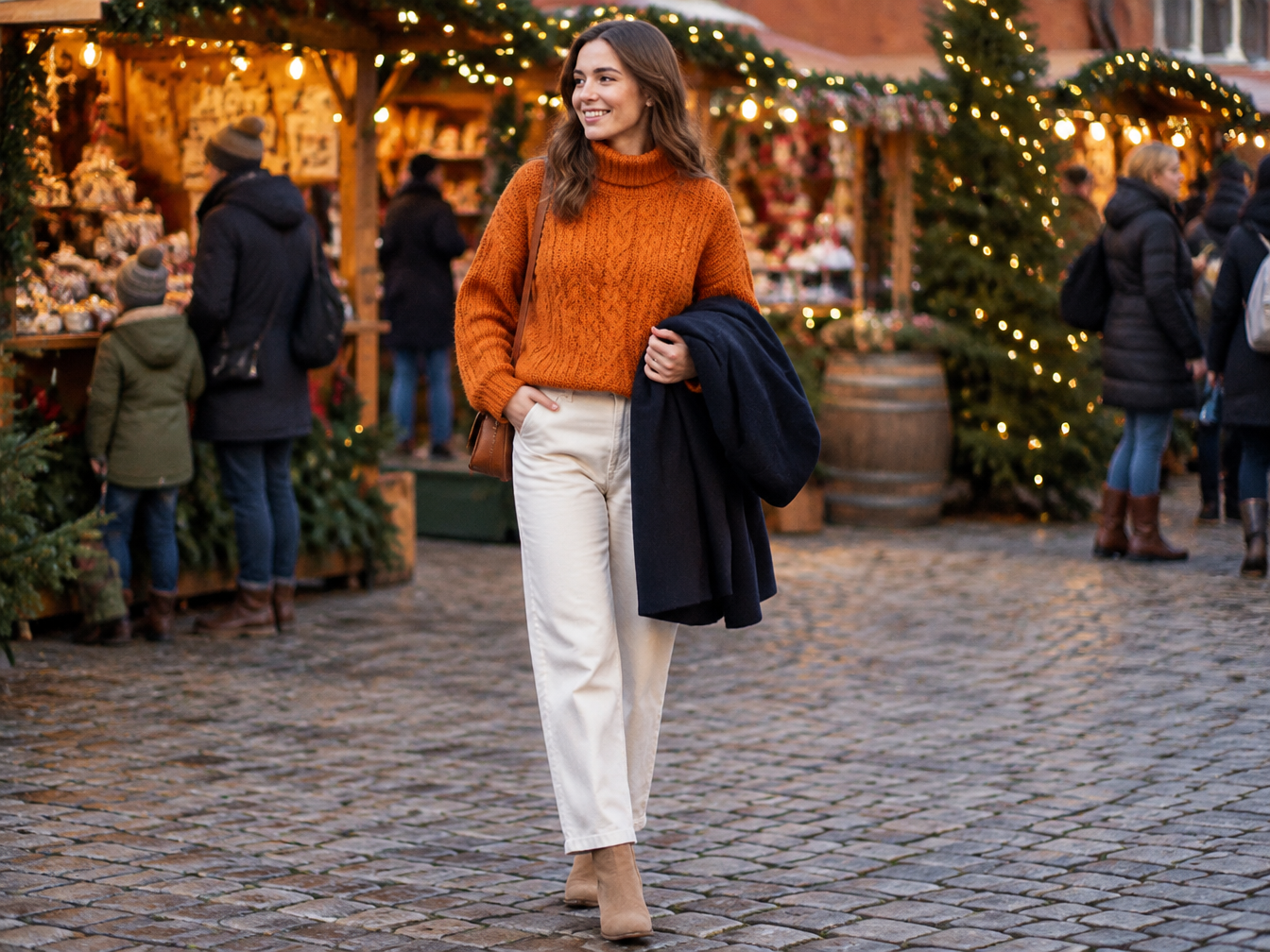
Winter citrus is the boldest color on the list. Bright oranges and tangerines lift the mood, and they work best in simple shapes like a cable-knit turtleneck or a mini dress for holiday gatherings [1]. It is a color that says you are still having a good time, even when it is dark at four in the afternoon.
The trick is to use it in small, deliberate doses. A bright orange scarf with a navy coat is a classic combination that looks intentional. An orange knit with cream trousers and brown boots works for brunch. If you are nervous, start with an accessory, like gloves or a hat.
For tips on adding a scarf in a bold shade without it looking like an afterthought, see how to style colorful scarves like a fashion insider. The knots and drapes there work particularly well with chunky winter fabrics.
Remember that orange loves its neighbors. Pair it with navy, brown, cream or charcoal, and it feels warm and confident. Avoid putting it next to hot pink or bright red unless you want a deliberately loud look. If you are wearing orange near your face and it feels harsh, add a layer of cream or camel underneath, which softens the contrast and lets the brighter shade glow.
Color Pairings That Always Work
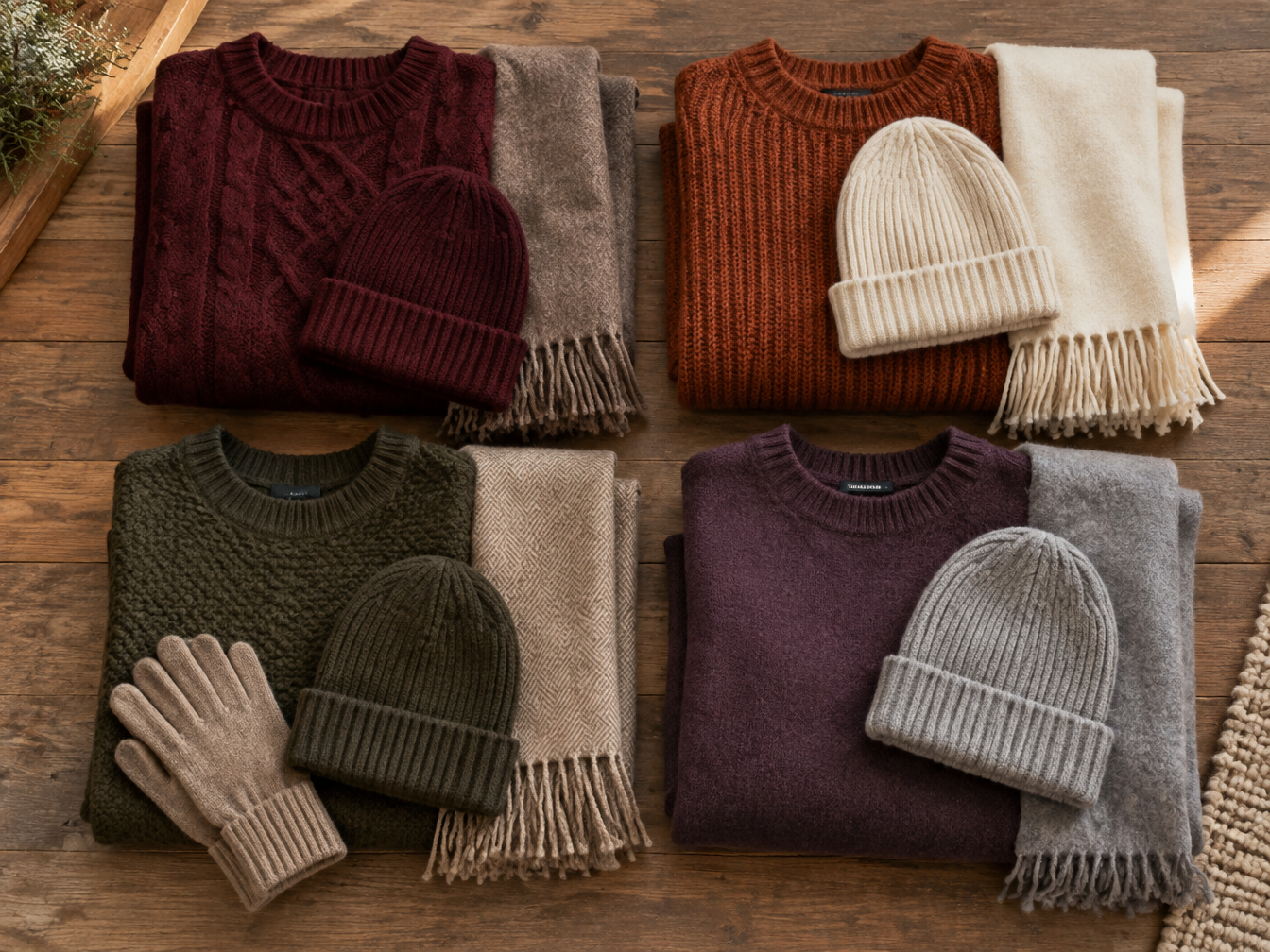
If you want to skip the experimentation, borrow from stylists. Burgundy with taupe lets the rich red look elegant without overwhelming, and the balanced silhouette flatters most body types [2]. Rust with ivory gives a fresh contrast between warm and crisp, and wide-leg ivory pants lengthen the figure [2].
Olive and beige create an earthy, understated pair, with layering that adds depth [2]. Caramel and charcoal make a rich palette where caramel warms the complexion and charcoal grounds the look [2]. Deep plum and soft gray add a sense of luxury while keeping the whole palette calm [2].
Hair color can echo these pairings, too. If you are planning a seasonal change, a copper or chocolate hair shade picks up the same warm, rich tones that look so good against camel, rust and cream.
What these pairings have in common is that one color is warm and rich and the other is calm. That balance is the whole trick. You never need two loud colors in the same outfit, and you rarely need three colors at all. When in doubt, repeat one shade in an accessory, such as a bag that echoes the knit, so the outfit looks connected from top to bottom.
How to Build a Winter Palette You Will Actually Wear
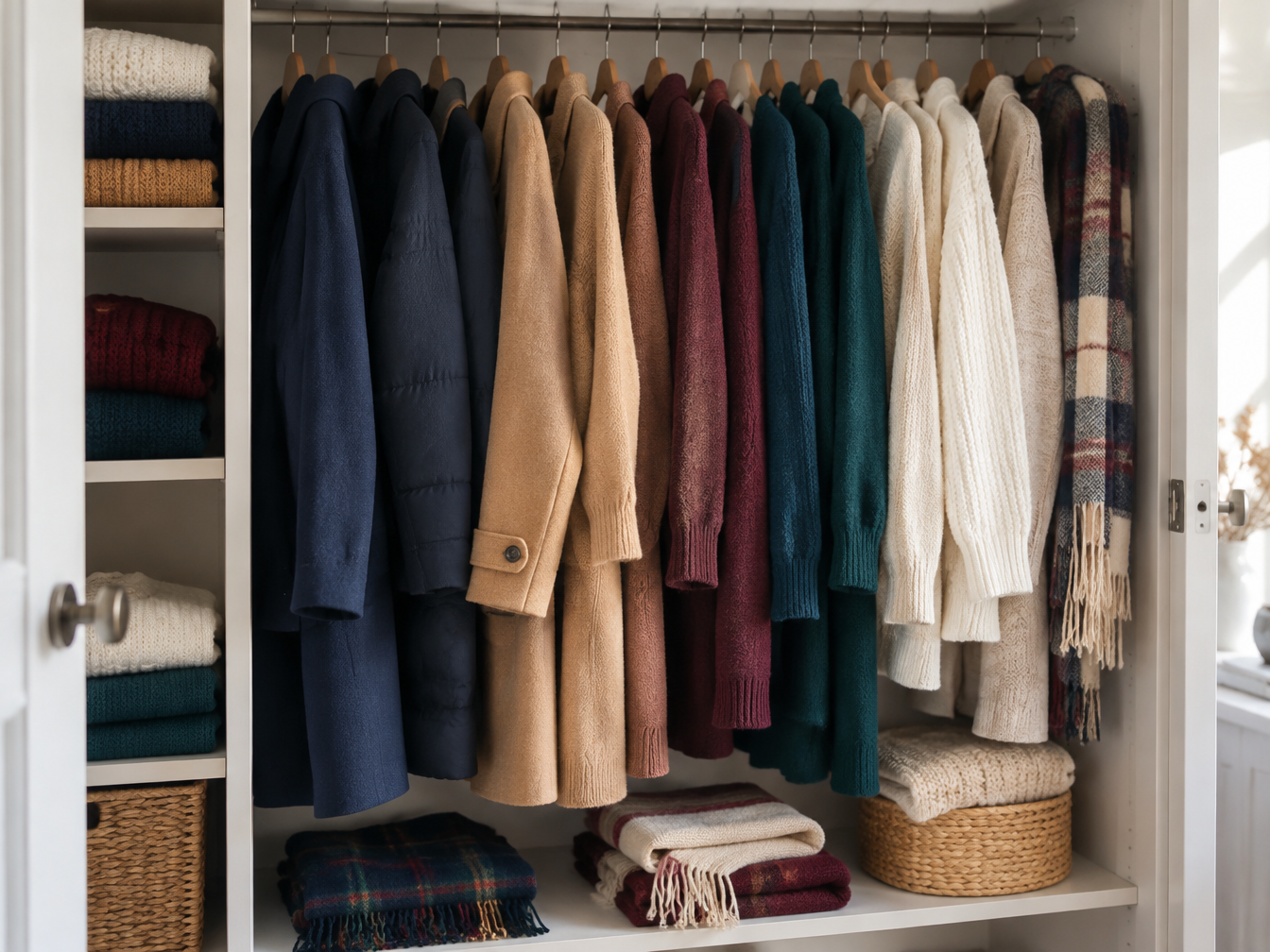
If you enjoy a dark lip in winter, let it follow the palette too. A burgundy outfit sits beautifully with a deep berry or plum mouth, and dark lip colors for winter and how to wear them without fear is a friendly place to start.
Start by looking at what you already own. Most closets have a few colors that keep getting worn, and those are your real palette. Choose two neutrals, such as navy and camel, and add one or two accent colors that you like, such as burgundy and teal.
Then shop for gaps instead of trends. If you have plenty of dark knits, buy a light coat. If everything is neutral, buy one bright scarf. A palette works when each color has at least three partners in your closet.
Texture matters just as much as color. A smooth wool coat over a chunky knit over a silky skirt gives the same color three different looks, and the contrast keeps a monochrome outfit from looking flat.
Finally, pay attention to what happens to your face. Take a photo in natural light wearing each shade, and notice which ones make you look awake. Keep those. Your best winter color is not the one on the runway. It is the one that makes you look like yourself on a good day.
Winter does not need less color. It needs someone brave enough to wear it first.
Sources
- Winter 2026’s Fashion Color Trends Are Already Making a Mark, Marie Claire
- 7 Color Pairings That Stylists Say Instantly Add Warmth to Winter Outfits, Petite Dressing
Leave a Reply