There is a particular kind of morning when your curls simply refuse. The humidity is up, the defined spirals from yesterday have turned into a cloud, and you have somewhere to be. You do not need a miracle. You need a plan that holds up for days.
Braids are that plan. Braided styles have been protecting and decorating textured hair for centuries, and they work for every curl pattern, every length and every mood. Here is how to choose the right one, wear it well, and take it out without losing a single curl.
Why Braids and Curly Hair Work So Well Together
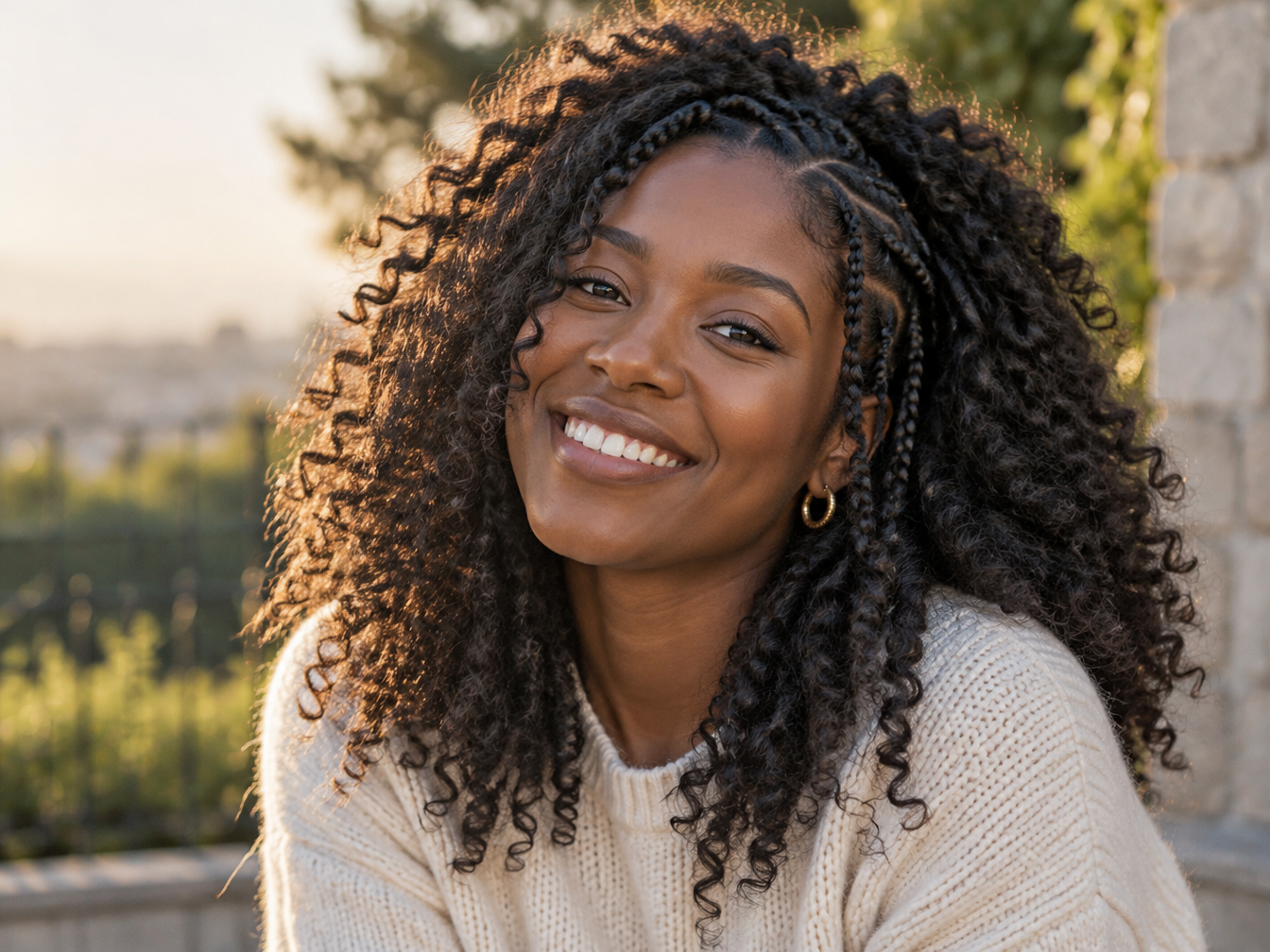
Curly and coily hair is beautiful and a little fragile. Because the strands twist as they grow, moisture has a harder time traveling from root to tip, and constant brushing, heat and styling can lead to breakage. Protective styles, which tuck the ends away and reduce daily handling, are one of the best ways to give your hair a break.
These styles can help reduce manipulation and support length retention, and they are useful year-round, especially in humidity [1]. A braided style also saves time. Once it is installed, you can wake up, wrap your hair and leave the house.
There is a creative side, too. Braids let you play with size, parting, color and length without committing to a haircut. Small braids look delicate and detailed, while jumbo ones look bold and modern. You can wear them up, down, half-up or twisted into a bun. Think of braids as a wardrobe for your hair rather than a single outfit.
If you are new to protective styling, start with a short test. Choose one style and wear it for a week or two, and notice how your hair and scalp feel when it comes out. Are your curls softer? Is your hair easier to detangle? Does the scalp feel calm or sore? The answers tell you what to repeat and what to skip. Everyone’s hair behaves differently, and the best guide is the one on your own head.
Knotless Box Braids for a Gentle Start
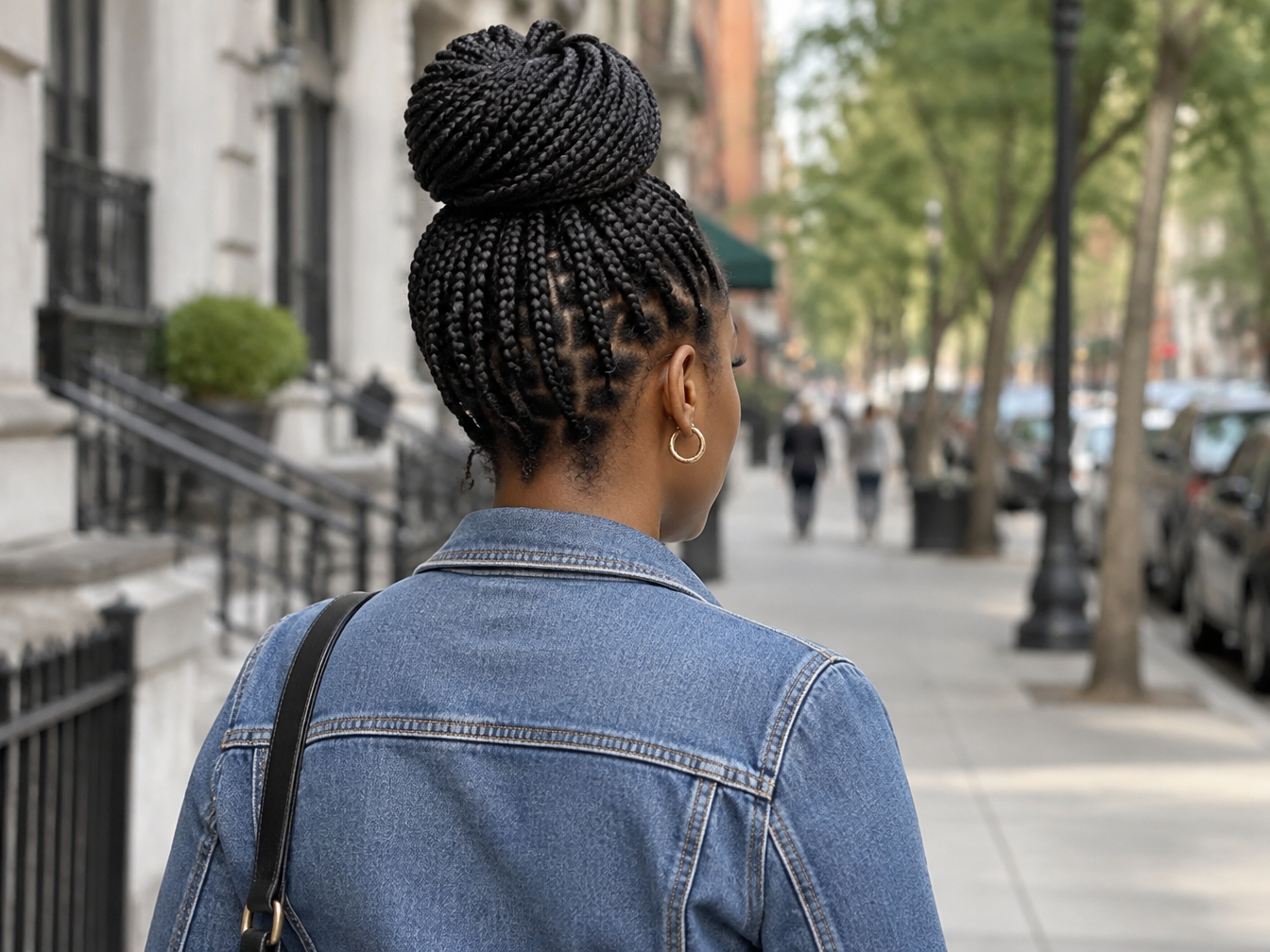
If you have never worn braids, knotless box braids are a friendly place to begin. Instead of attaching extension hair with a knot at the root, the braider starts with your natural hair and feeds in the extension gradually, which reduces tension on the scalp [1]. That makes them a good fit for anyone who is tender-headed.
Knotless braids can be styled in buns, ponytails or space buns, so they work for the gym, the office and a night out [1]. Add a folded bandana at the hairline and the whole look changes, and 15 bandana hairstyles for every hair type has plenty of ways to tie one. You can also choose the size. Medium braids are the classic, small ones look finer and take longer to install, and jumbo box braids use fewer, larger braids that install quickly and need little upkeep [1].
Choose a length that suits your lifestyle. Shoulder length is easy to manage, while waist length makes a statement but can feel heavy by the end of a long day. If you have thinning edges, ask your braider to keep the tension light around the hairline.
Size and parting also change the personality of the style. Smaller braids look refined and keep a polished shape for longer, though they take more time to install and remove. Larger braids look bold and are gentler to take down. A square part gives a classic grid, while a triangle or curved part gives a more playful pattern. Show your braider a photo, because words like medium and small mean different things to different people.
Flat Twists, Cornrows and Fulani Braids
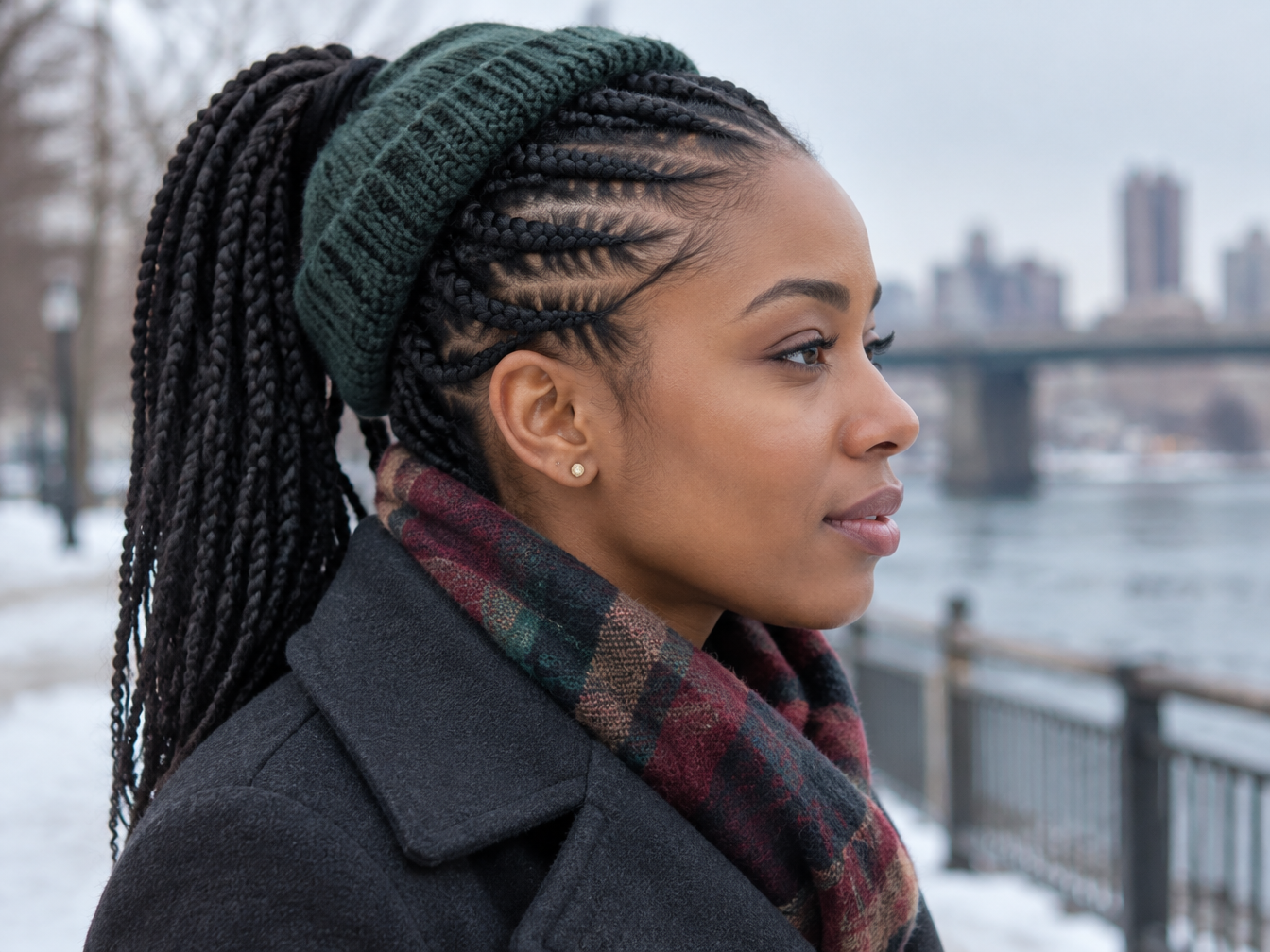
Flat styles sit close to the scalp, which makes them excellent if you like a neat, sleek look. Flat twists are two-strand twists that lie flat, and you can wear them sideways, back, in a bun or in a high ponytail [1]. They are also a good base for a twist-out, which gives soft, defined curls when you take them down.
Cornrows are classic braids along the scalp, and they serve as a base for many other styles [1]. Fulani braids are cornrows at the scalp that loosen further down, often with decorative accents, and they sit flat enough to pair well with hats [1].
If you like wearing hats and caps in cold weather, flat styles are especially practical. Our post on what static, frizz and hat hair taught me about letting things be messy is a funny and honest read for anyone fighting winter frizz. Flat braids keep your hair neat under a beanie and spare you the flattened-curl look afterward.
If you are going somewhere special, flat styles can be dressed up with small accessories. A few gold cuffs, a row of tiny pearls or a thin ribbon woven into a cornrow turns a practical style into something that looks designed for the occasion. Keep the rest of the outfit simple and let the pattern at the scalp be the star, since the lines of a cornrow are already a graphic design.
Bantu Knots and Space Buns for Playful Shapes
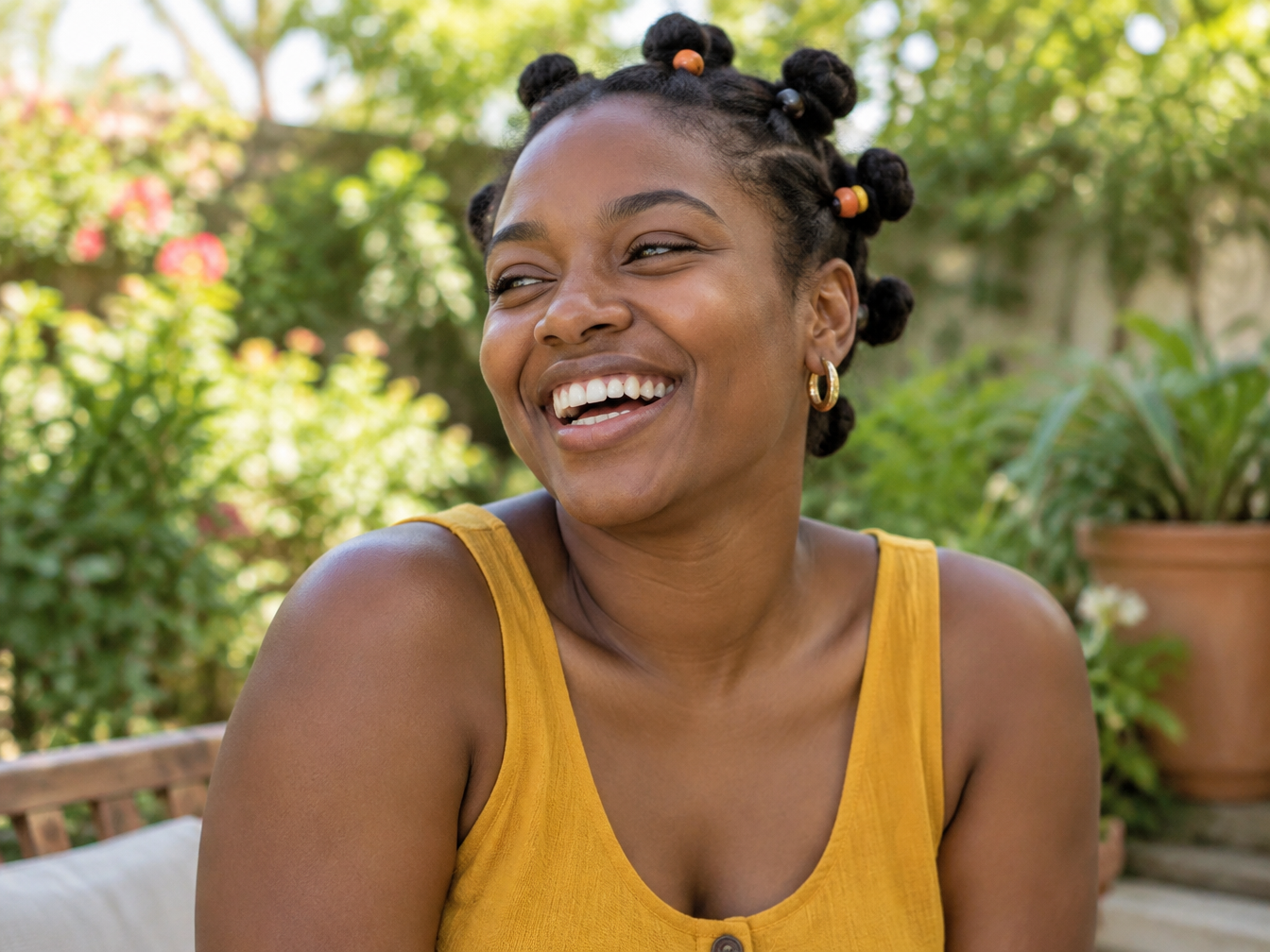
Bantu knots take braided or twisted sections and wind them into small coils against the scalp, with the edges laid flat. Beads or color can add some flair [1]. They are a favorite for both style and function, and when you take them out you get springy, defined curls with no heat.

Space buns are the braided version of the classic two-bun look, and they are popular with box braids [1]. They take a minute to create once your braids are in, and they keep the length off your neck on hot days.
A word of caution on timing. Bantu knots should stay in for only two to three weeks, since longer wear can strain the scalp [1]. If you want a short-term style for a weekend event, knots are ideal, and the curls you reveal when you unwind them are a nice bonus.
For a softer take, try small braids in front and loose curls in back. It looks effortless and keeps the shape of your natural texture visible.
The release is half the fun. Unwind each knot slowly, rub a little oil on your fingers, and separate the curls with your hands instead of a comb. You will see a soft, stretched wave pattern that looks different from a wash-and-go. If you want more definition, spritz a little water and a curl cream while the hair is still in its wavy shape. Then shake out the roots, and you have a style made from a style.
Twists and Faux Locs That Last
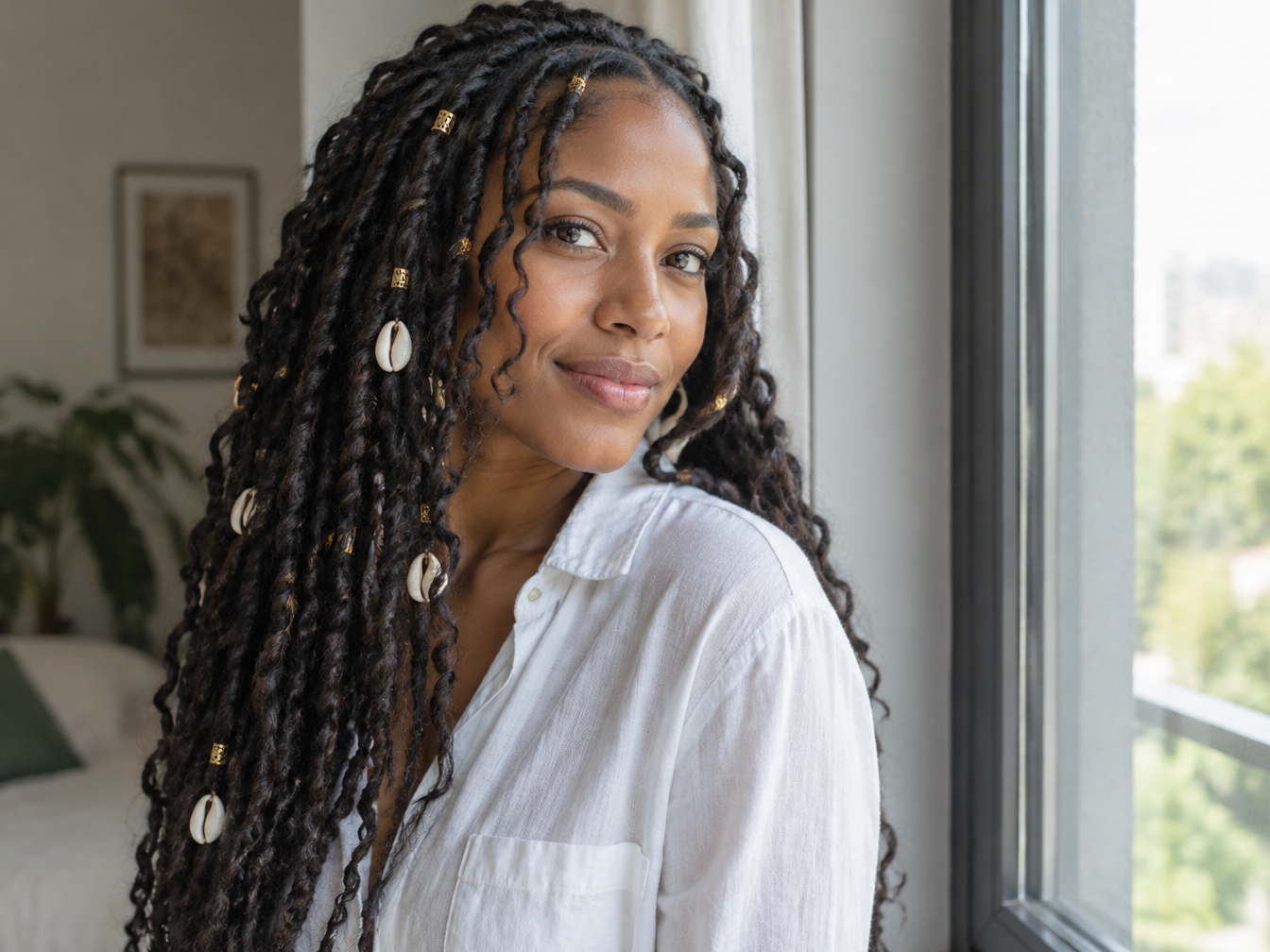
When you want a style that carries you through weeks, twists and faux locs are the long-haul options. Senegalese twists are two-strand twists with added hair that form a spiraling, rope-like look [1]. Passion twists blend goddess locs and Senegalese twists, made with two-strand twisting and curly braiding hair, and you can customize both the color and the length [1].
Goddess locs are thick, loosely undone braids that can be decorated with shells, beads or cuffs [1]. Faux locs are a long-lasting braided style that protects hair from handling and moisture, and they can stay in for up to three months [1].
Triangle braids, a playful take on box braids with triangular parting patterns, can last six to eight weeks with proper care [1]. These timelines are a guide, not a promise. Your hair type, scalp and routine all affect how long a style stays fresh, and the safest approach is to take it down when new growth starts to tangle at the root.
If you want to add some accessories, cuffs and beads add sparkle, and a silk scarf keeps everything tidy. For an evening look, dreamy romantic hairstyles for date night and beyond shows how braided pieces and loose curls can work together.
Weight is worth a thought with long-wearing styles. Heavy extensions can pull on the roots, particularly around the edges and nape, so ask for a lighter hair type or a shorter length if your scalp is sensitive. Pre-stretched braiding hair is lighter and can reduce tangling. If a style feels tight on day two, loosen it with a gentle massage or take it down. Comfort should always outrank looks.
How to Install Braids Without Hurting Your Curls
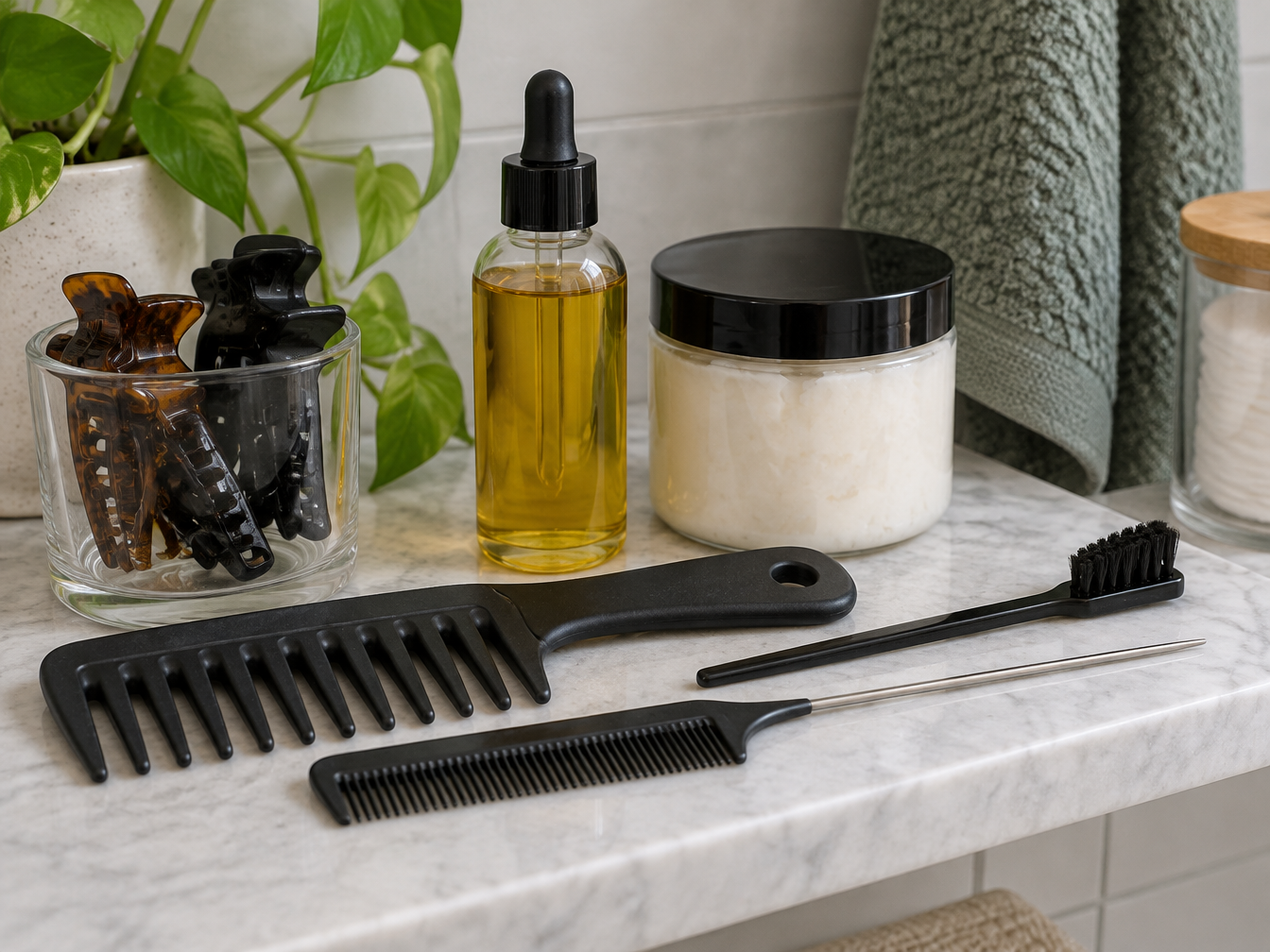
A good install protects your hair. Work slowly and in small sections, and comb each section thoroughly before braiding or twisting to prevent knots [2]. For a twist-out, start with damp hair and apply styling products just before twisting so they can set [2]. A trim beforehand helps remove split ends, and smoothing loose hairs at the hairline with edge control gives a finished look [2].
Tension is the thing to watch. Rough handling and excessive tugging can cause breakage, so keep the process gentle [2]. If something hurts during the install, say so. A good braider will loosen the section, because pain is not a sign of a good grip.
Prepare your hair the day before by washing, deep conditioning and fully detangling. Stretching your hair with a blow-dryer on low heat, or with banding, makes braiding easier and reduces tangles. If your hair is fragile or has been through a lot of changes, our hair growth guide covers the habits that help strands stay strong.
A final tip is to arrive prepared and hydrated. Drink water, eat something before a long appointment, and bring a charger, a snack and something to watch, because installs can take hours. Ask about the price and timeline before you sit down, and check that the braider uses clean tools. A good experience in the chair makes the style feel better all week.
Keeping Braids Fresh Day and Night
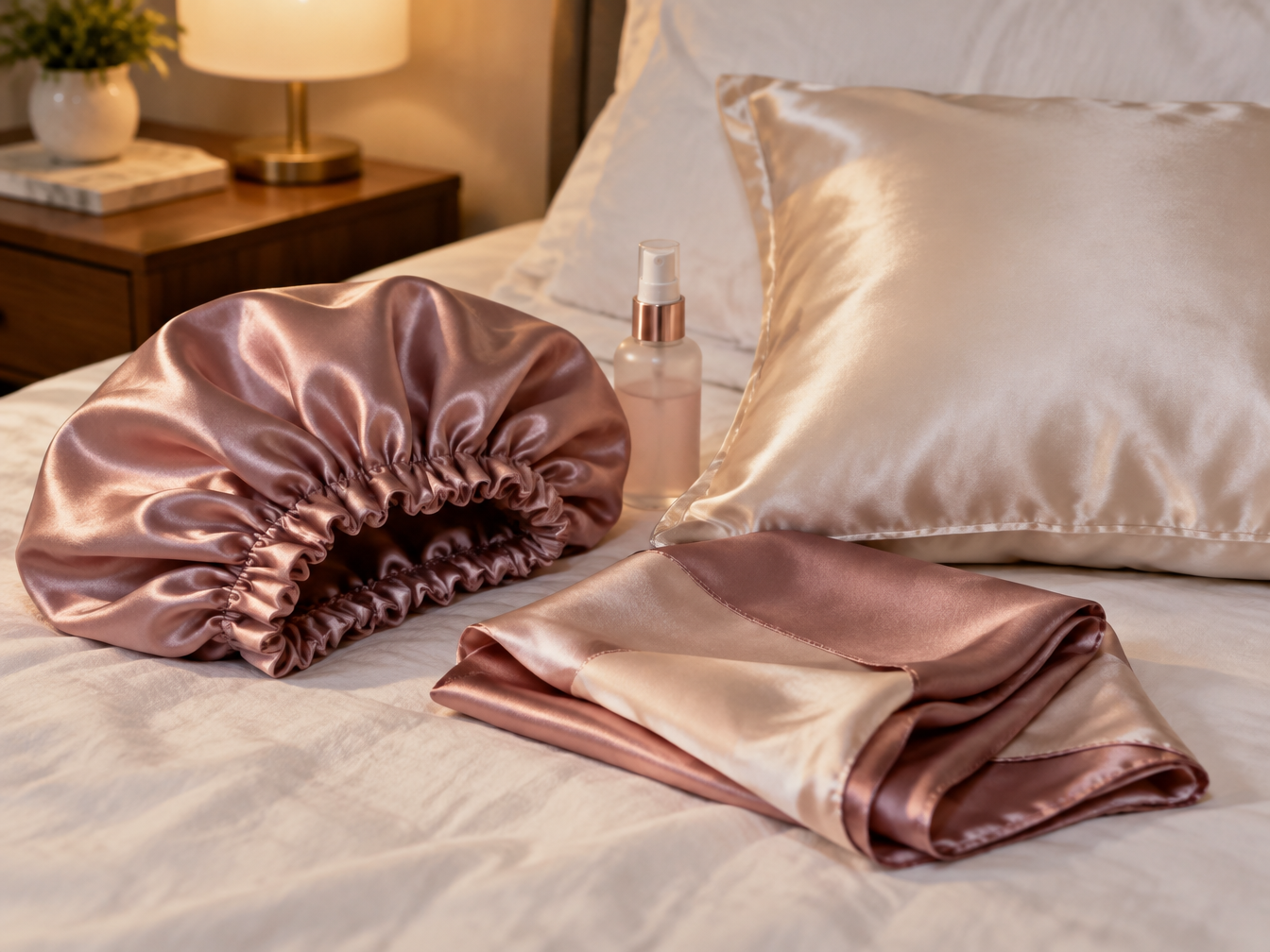
Care does not end when you leave the chair. Protect your braids at night with a bonnet or silk scarf to limit frizz and exposure [1], and wrap hair in a bonnet or silk scarf at night to reduce friction [2]. Braids and twists can make the scalp itch, so apply a light oil to the scalp about once a week, focusing on the parts [2].
Box braids can last several months if they are well maintained, though root grow-out and poor upkeep shorten their life [2]. Wigs and sew-in weaves should generally stay in no more than about two months, followed by a break so the hair and scalp can be cleaned and recover [2].
For daily styling, a claw clip can lift braids into a quick updo. A bandana also works beautifully with braids.
Wash your scalp every couple of weeks with a diluted shampoo, applied with a nozzle bottle along the parts and rinsed thoroughly, so product does not build up. Dry the braids well afterward, since damp braids can smell musty and cause problems for the scalp. A light spritz of leave-in mist keeps the hair soft, and a little edge control helps frizz at the hairline look neat without stiffening it.
Taking Braids Out Without Losing Your Curls
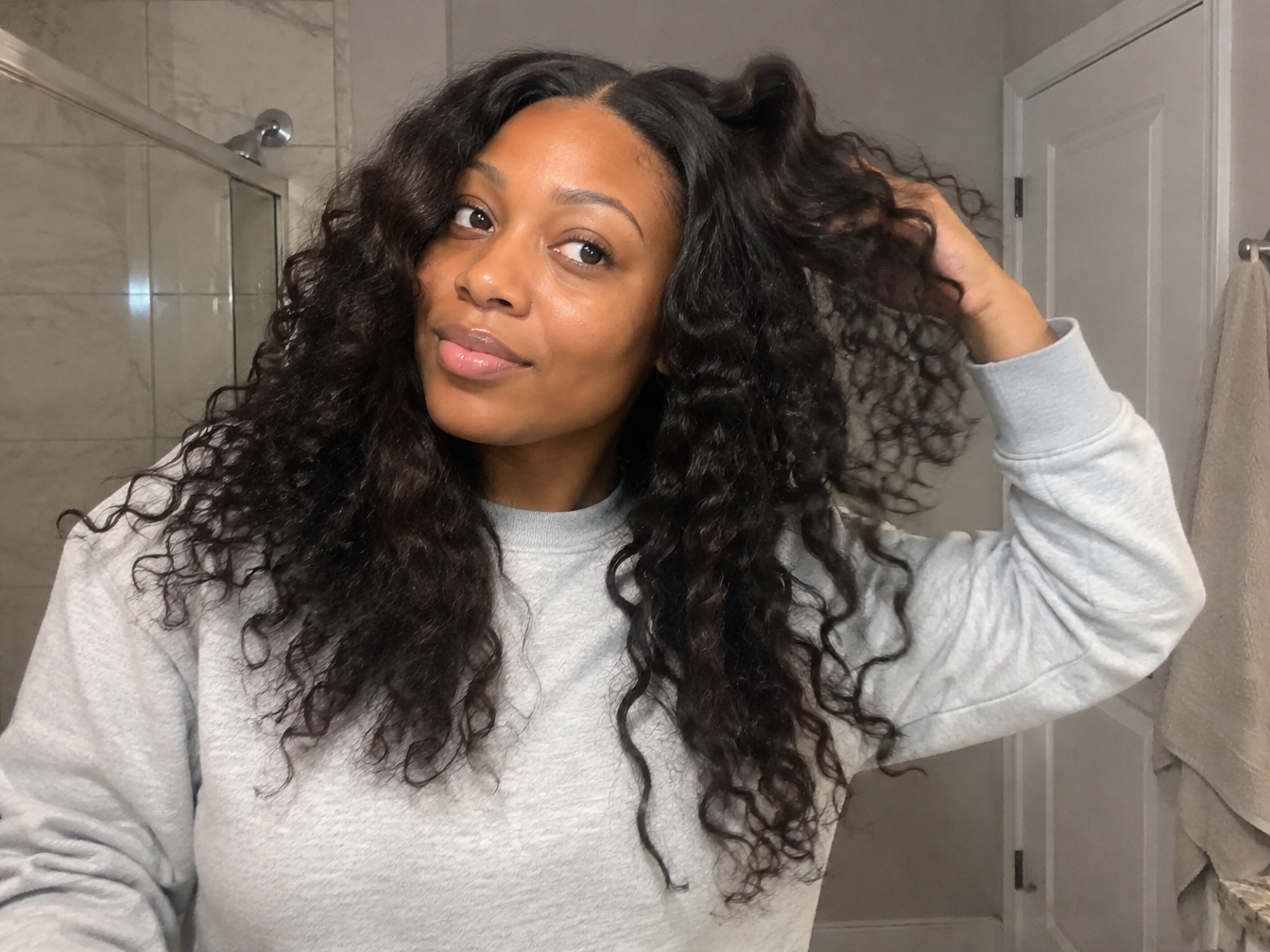
Removal is where a lot of damage happens, because tired hands rush. If you want to wear your hair up while it recovers, claw clip hairstyles that look intentional instead of accidental gives easy ideas that put no tension on the roots. Use a rattail comb rather than a fine-tooth comb, and if extension hair was used, snip the ends far from your natural hair [2]. Add conditioner or water to braids to loosen them, but skip water on twist-outs so the curl pattern holds [2].
Work from the ends toward the roots, then detangle with conditioner before washing [2]. Finish with a sulfate-free shampoo and conditioner or a deep treatment [2]. Expect some shedding, since the hairs that normally fall out each day stay trapped in the braids. That shedding is normal and not a sign of loss.
Give your hair a rest between styles. A week or two in loose, moisturized curls lets your scalp breathe and shows you what your hair needs next. Then, when you are ready, you can choose another look.
The best curly braided style is the one that lets your hair rest while the rest of you gets on with the day.
Once the style is out, treat your curls to a proper reset. A clarifying wash, a deep conditioner and a gentle trim of any split ends bring your hair back to its best condition.
Sources
- 13 Natural Braid Hairstyles That Are Stunning Year-Round, The Zoe Report
- Your Guide to Protective Hairstyles for Natural Hair, Carol’s Daughter
Leave a Reply