
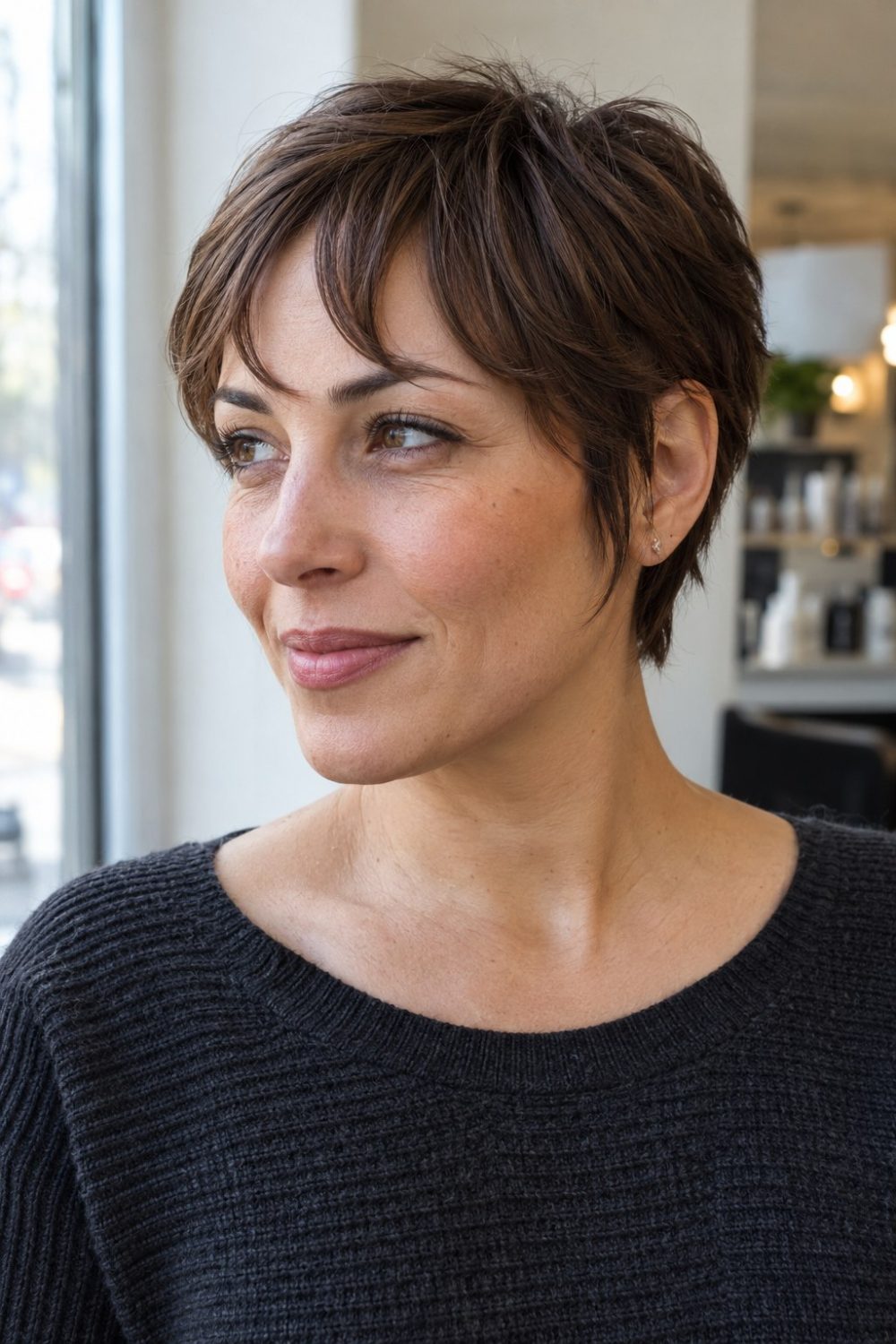
You want the short hair. It is the moment after the haircut that worries you—the first look in the mirror when there is nothing left to hide behind.
A feminine pixie can feel soft, sharp, romantic or quietly strange in the best way. The difference often lives in a tiny detail: a fringe that curves at the cheek, a little length around the ear, a curl left loose at the forehead.
These eight ideas give you something more useful than eight nearly identical crops. The names describe the designs here; they are not universal salon terms. Take the image and the details to your stylist, then adapt them to your hair. And keep the word feminine only if it means something useful to you. A haircut does not come with a personality requirement.
1. The petal-fringe pixie
This cut keeps the outline short while leaving the fringe in soft, curved sections. Think three or four little bends across the forehead rather than one solid wall of bangs. Wispy pieces in front of the ears continue that softer line.
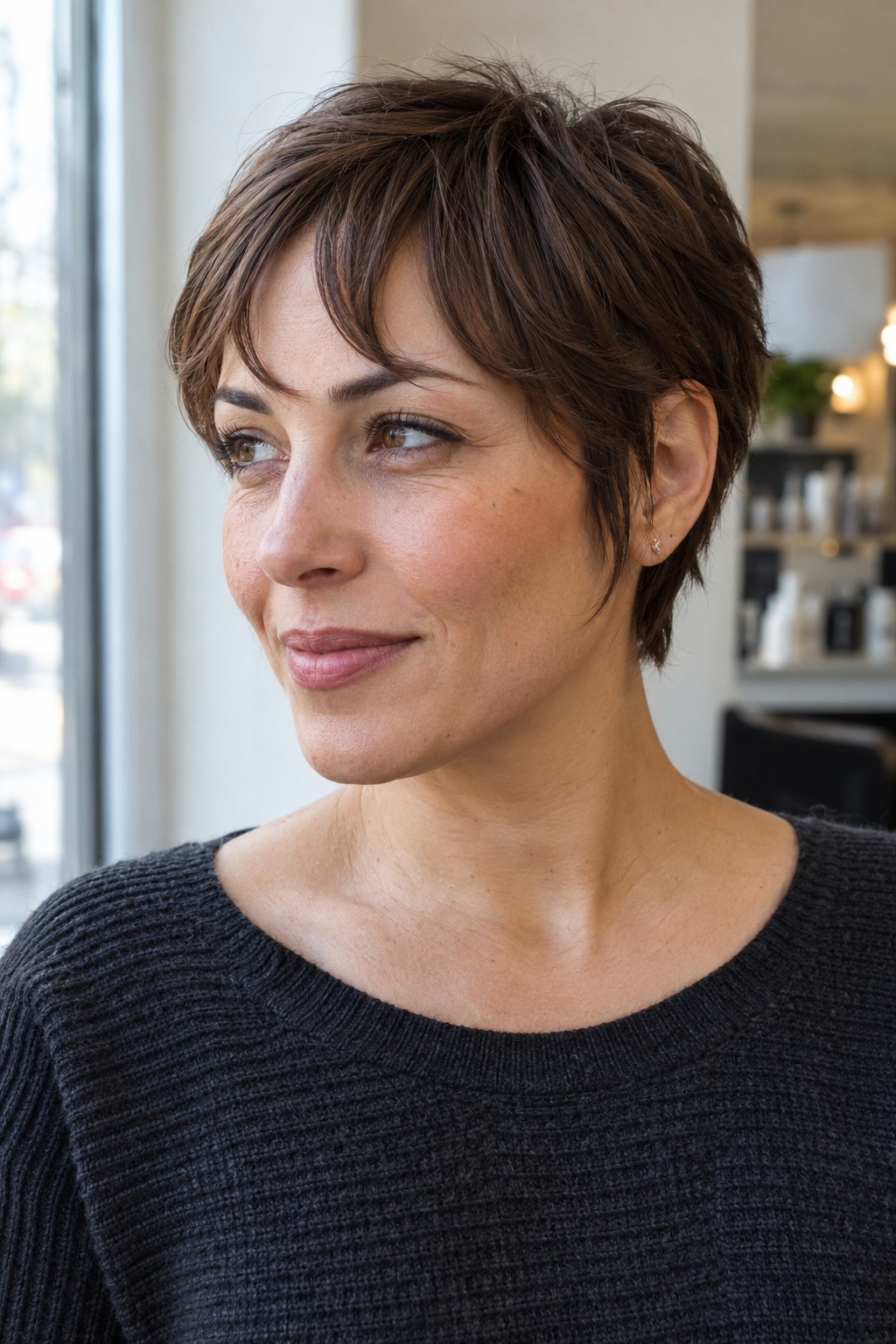
Ask for enough length in the fringe to create separation without making the ends look sparse. The exact amount depends on your hair density and how it falls. Bring attention to the curved shape in the reference, rather than asking for the same measurements.
For styling, try a tiny amount of light cream on the ends and guide the fringe with your fingers. If the hair naturally falls in a different direction, let your stylist show you a version that works with it. The softness should come from the cut, not twenty minutes of persuasion. For product and heat choices that support the cut, review these practical hair health basics.
2. The moth-wing side sweep
A longer diagonal fringe gives this pixie a wing-like shape, especially when the ends turn slightly toward the temple. The opposite side stays neat around the ear. You get movement across the face without turning the whole haircut into a short bob. If you want to push the sweep toward something darker and more rebellious, these vampire haircut ideas offer extra reference points.
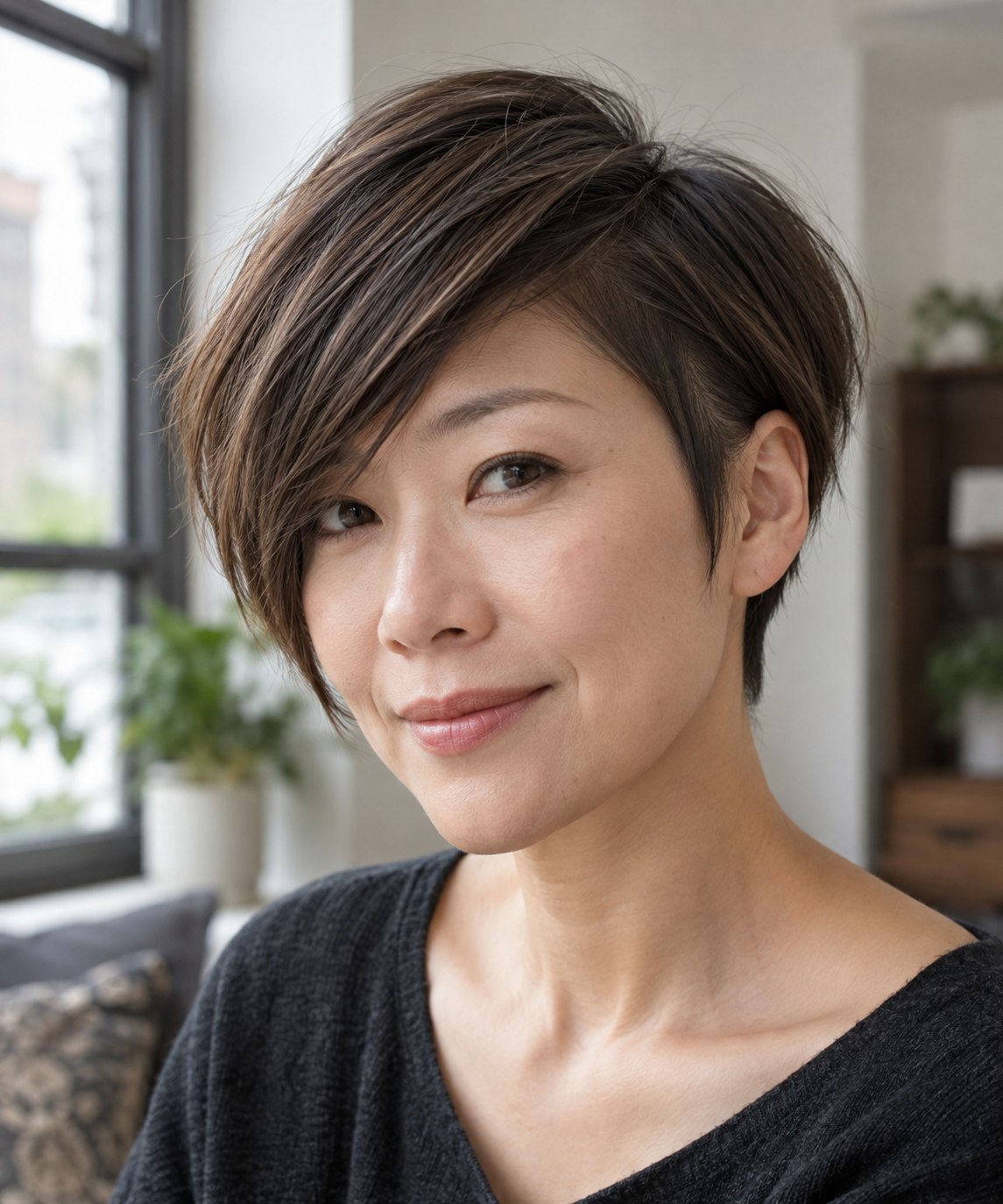
Ask your stylist to show you where the fringe will land when it is dry and relaxed. It should sit where you enjoy seeing it, rather than constantly falling into an eye. A small pointed piece at the temple makes the silhouette feel more personal.
Try drying the fringe in its intended direction, then loosen it with your fingers. Keep the finish flexible. A little movement is the point; a stiff sheet of hair is a different haircut with a much more demanding schedule.
3. A sculpted curl-cloud crop
For coily hair, this design uses a compact rounded crown, softer sides and one deliberate curl at the forehead. The outline has shape, but the texture gets to look like itself. No flattened top or artificially identical ringlets required.
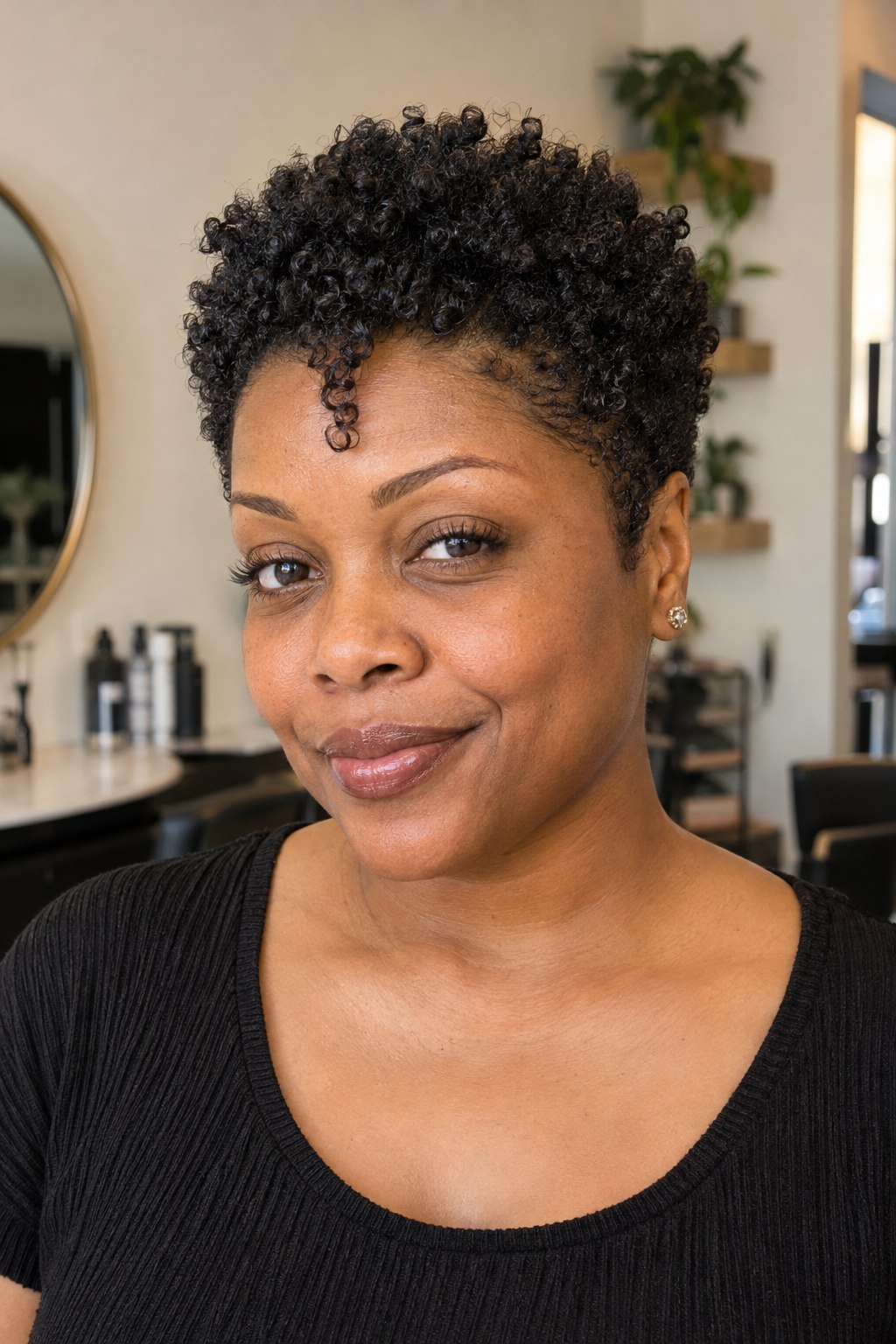
Ask for a consultation that considers your usual washing and styling routine, including how the hair changes as it dries. The photo should guide the overall shape, not promise an exact copy on a different curl pattern.
Have the stylist demonstrate the smallest routine that gives you a result you like. That might mean defining a few front curls and leaving the rest softly textured. The distinctive part is the balance between the cloud-like top and the neat outline, not perfect control of every coil.
4. The crescent-fringe pixie
A short fringe can still feel soft. Here, the edge follows a shallow crescent instead of a perfectly straight line, with a little softness around the ears. It is a small design change that makes a very short cut feel considered.
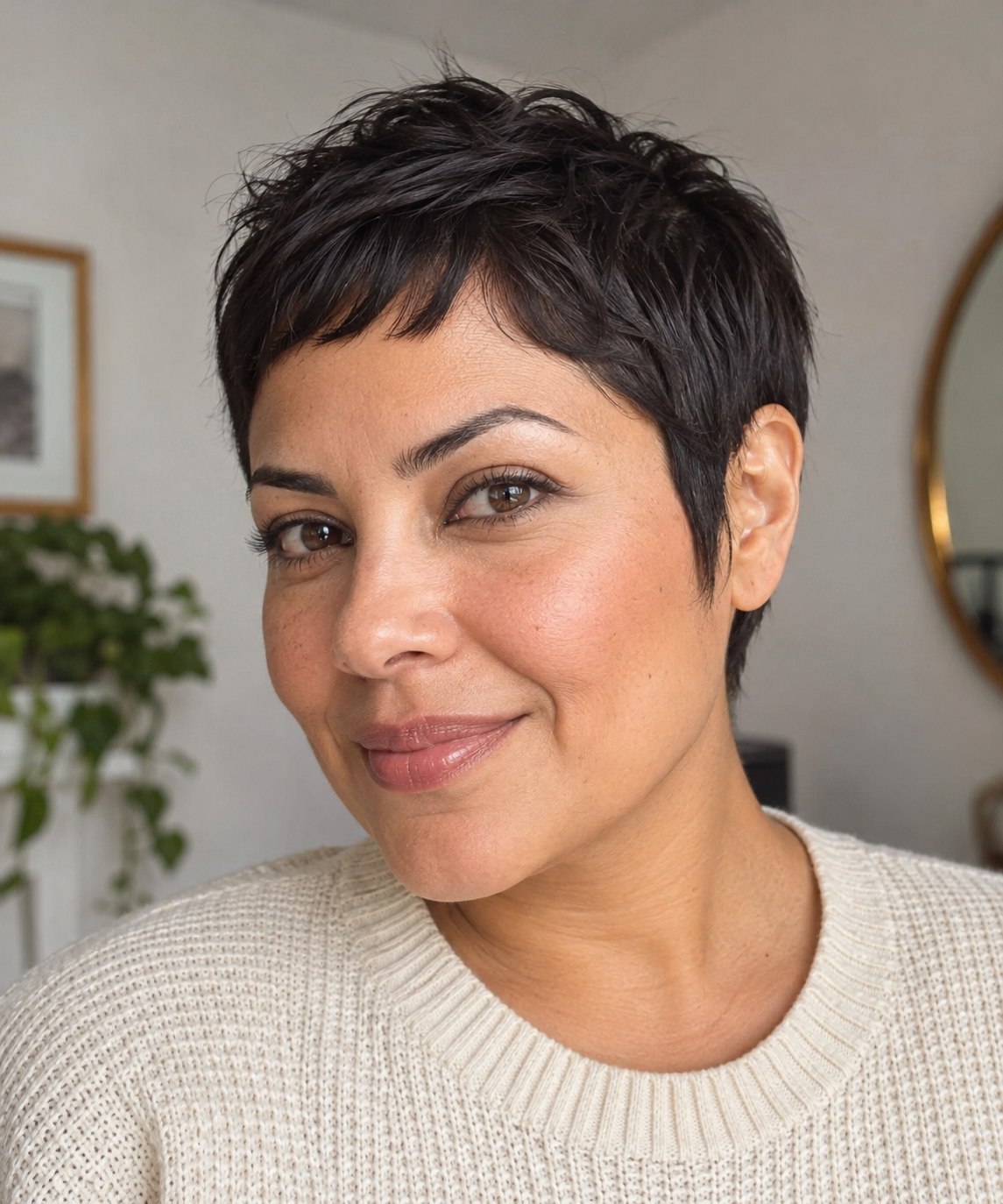
Ask your stylist to assess how your front hairline behaves before choosing the length. A fringe cut above where the hair wants to settle can have opinions of its own. You want to know what the shape looks like without a salon blow-dry. If you are growing toward this length, a practical hair growth guide can help you focus on retention and breakage prevention.
Keep styling simple and avoid piling on heavy product at the fringe. If you like a polished finish, smooth the edge lightly. If you prefer texture, separate a few pieces. Both versions keep the curved outline visible without needing extra length.

5. The silver ribbon-quiff pixie
A small curved quiff gives this cut height at the front, then lets it fold softly to one side. Silver strands make that bend easy to see, but the same shape can work in any color. If your base is brunette, these spring hair colors for brunettes can help you choose a warmer or lighter direction. For help comparing cooler, warmer, and brighter variations, browse these blonde hair color shades before choosing your tone. The idea is a loose ribbon, not a towering sculpture.

Ask for enough front length to create the curve while keeping the back and sides clearly short. Show your stylist how much height you actually want. It is easier to discuss a small bend in a photo than the very elastic phrase ‘a bit of volume.’
A fingertip of styling product and a short demonstration can be more useful than a new drawer of tools. If your hair falls flatter after an hour, ask to see a lower version you still like. A haircut needs an acceptable off-duty mode.
6. The tucked-wave pixie
This pixie keeps enough length above one ear for a gentle tuck, with an S-shaped wave at the front and a much shorter nape. It is useful if you like the feeling of hair moving around your face but want a clearly short silhouette.
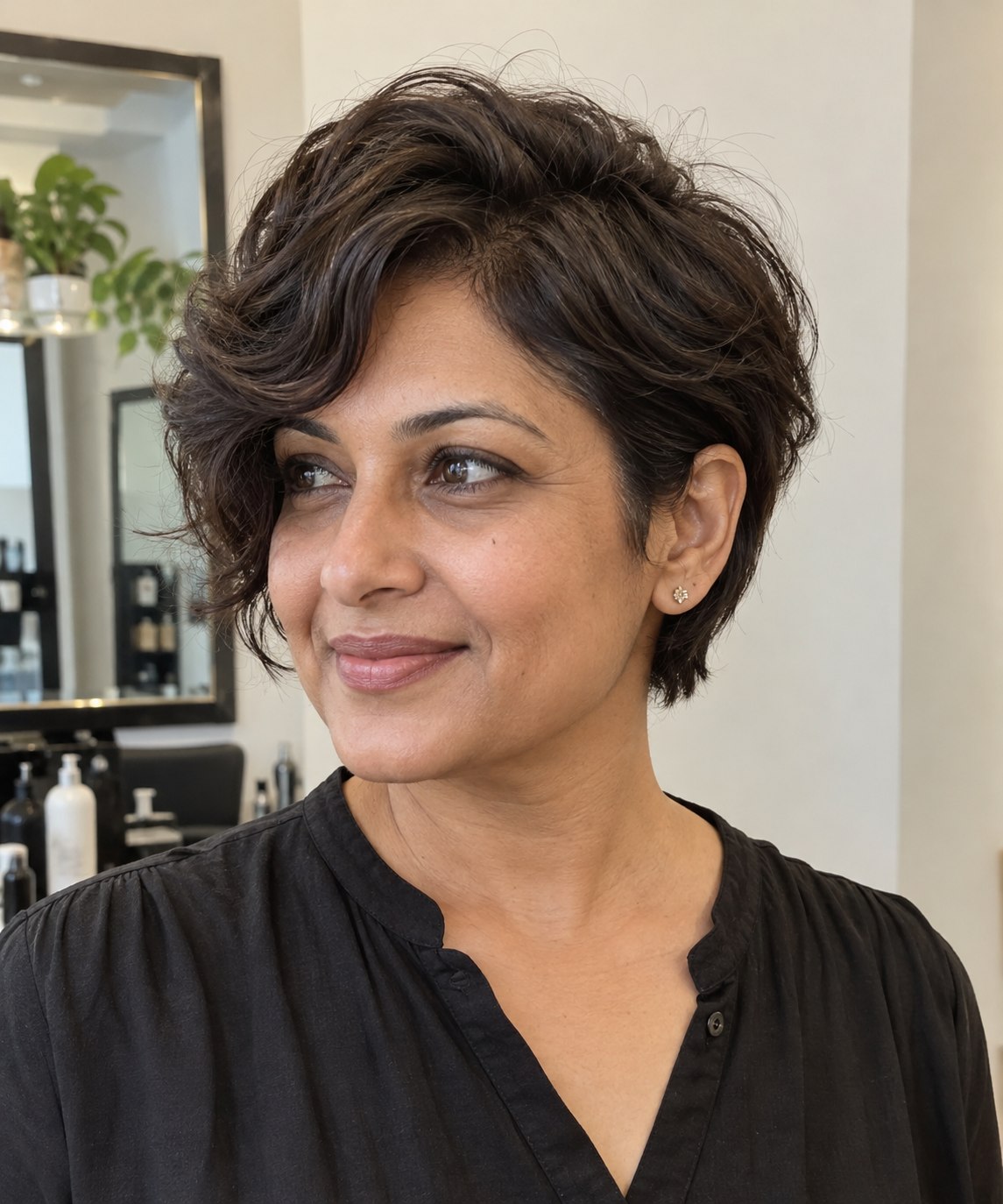
Ask the stylist to leave the length where your wave forms, rather than distributing it evenly around the head. On some hair, that means a little more room at the front; on other hair, the strongest movement sits farther back.
Try shaping the wave while damp and letting the finish stay soft. Your stylist can suggest a product for your texture and show how much to use. The tucked side should look effortless because it is easy to place, not because someone has hidden twelve pins inside it.
7. The feathered pixie with a secret nape detail
From the front, this is a soft feathered pixie. Turn around and a small curved line at the lower nape gives it a private little twist. Keeping the detail small lets the rest of the haircut stay gentle.
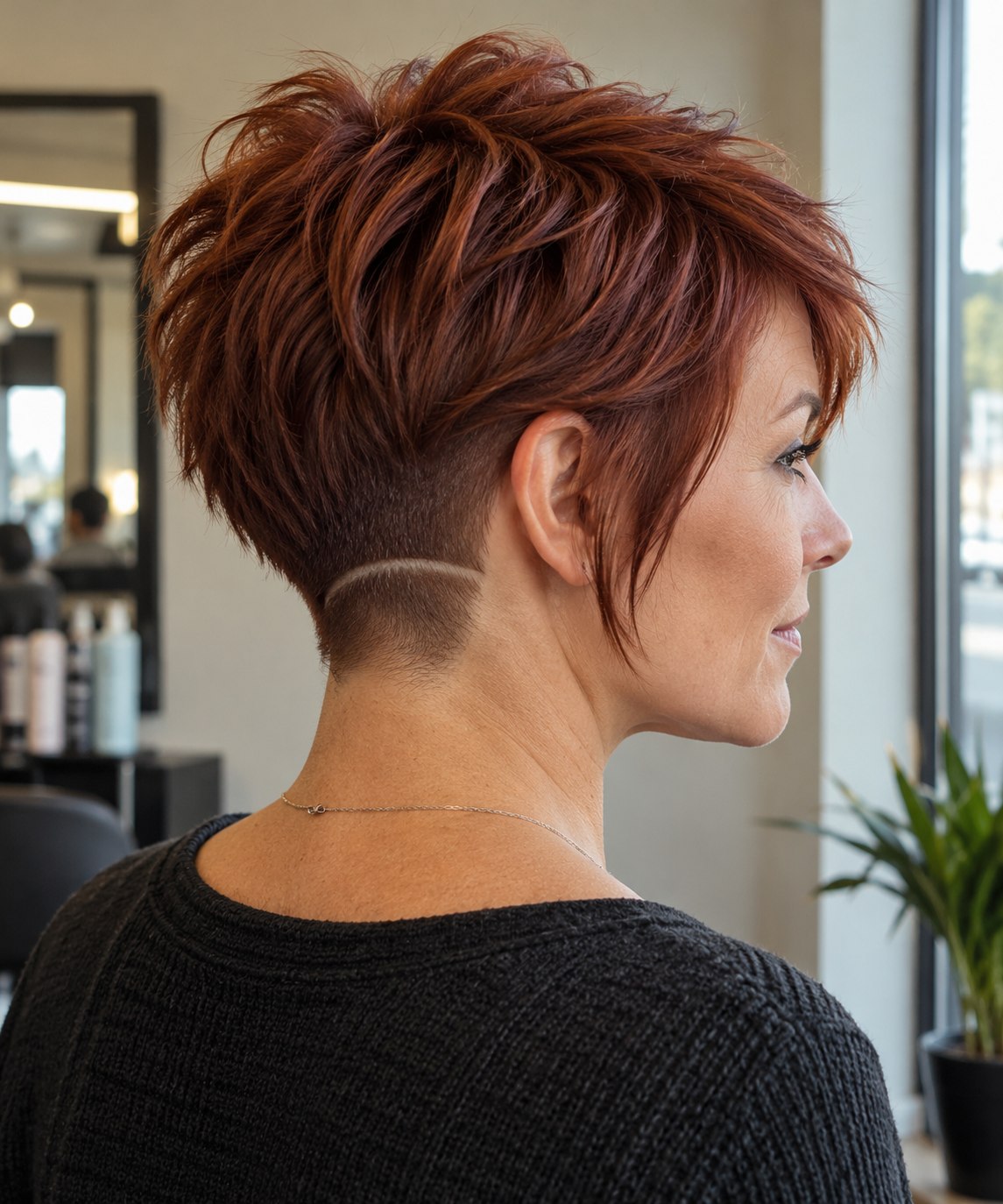
Discuss the nape design separately from the top. A curved line needs a clear placement, and the surrounding length determines how visible it is. Ask what it will look like as it grows out and how often you would need to refresh it to keep that edge.
The front can be worn loose and separated with a very small amount of paste. You do not have to make every layer spiky. The contrast between the soft top and precise hidden detail is what makes this version interesting.
8. The rounded pixie with a longer cheek piece
A rounded crown and one longer curved piece near the cheek give this cut a softer asymmetry. The nape stays short, so the overall shape remains a pixie. That single longer piece becomes the detail you notice first.
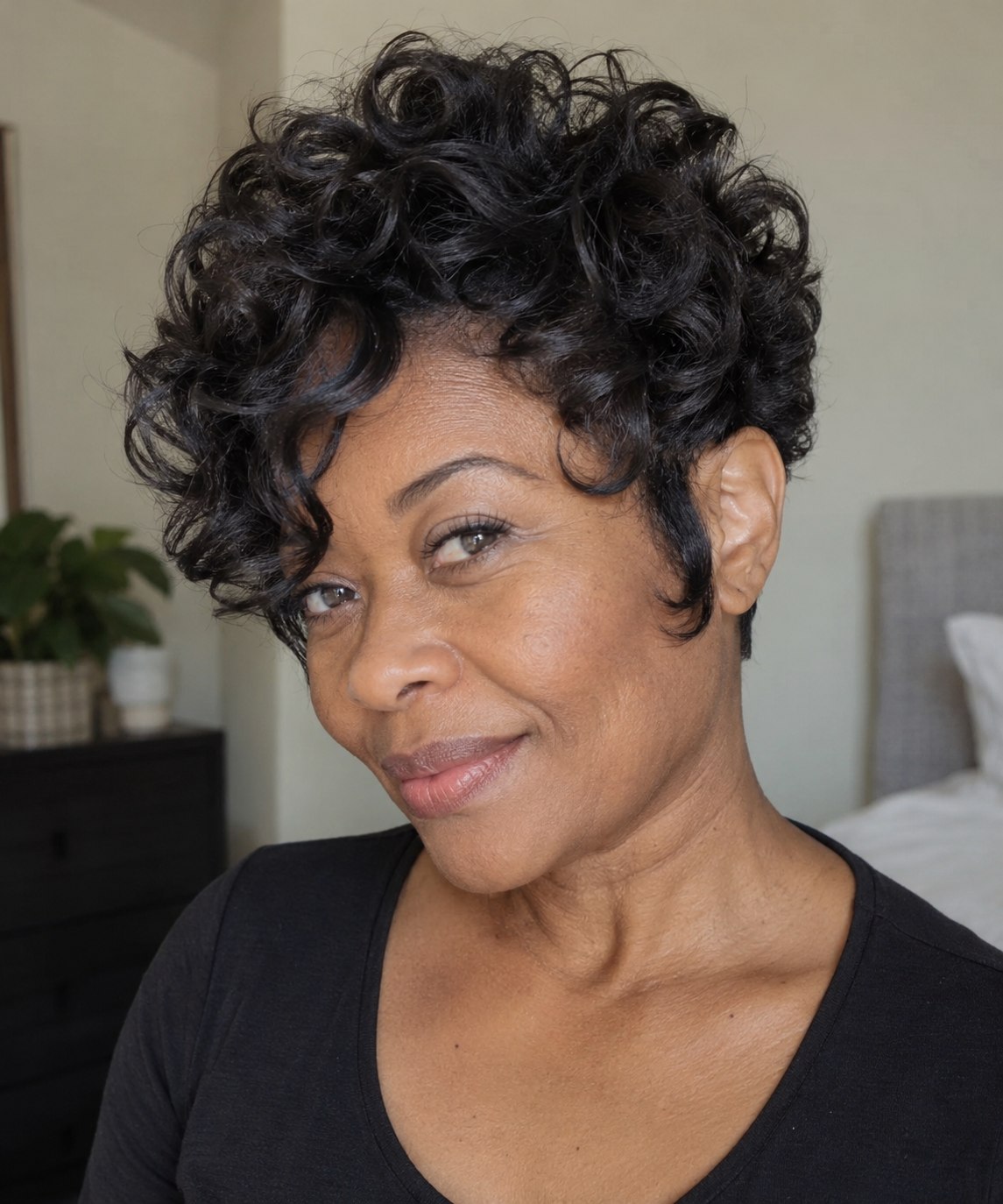
Ask for the face-framing section to be placed where it moves comfortably. It should not need constant tucking or pinning unless that is how you enjoy wearing it. The same idea can be adapted to straight, wavy or loosely curled hair.
Try wearing the longer piece both forward and back before deciding on the final length. Having two easy options can make a short haircut feel more flexible. You are choosing a shape to live with, not a photograph that has to remain perfectly still.
Take the detail to the salon, not just the name
Choose your two favorite images and identify exactly what you like: the fringe curve, the length at the ear, the crown shape or the nape. Also point out the part you would change. That conversation is far more useful than hoping a style name means the same thing to both of you.
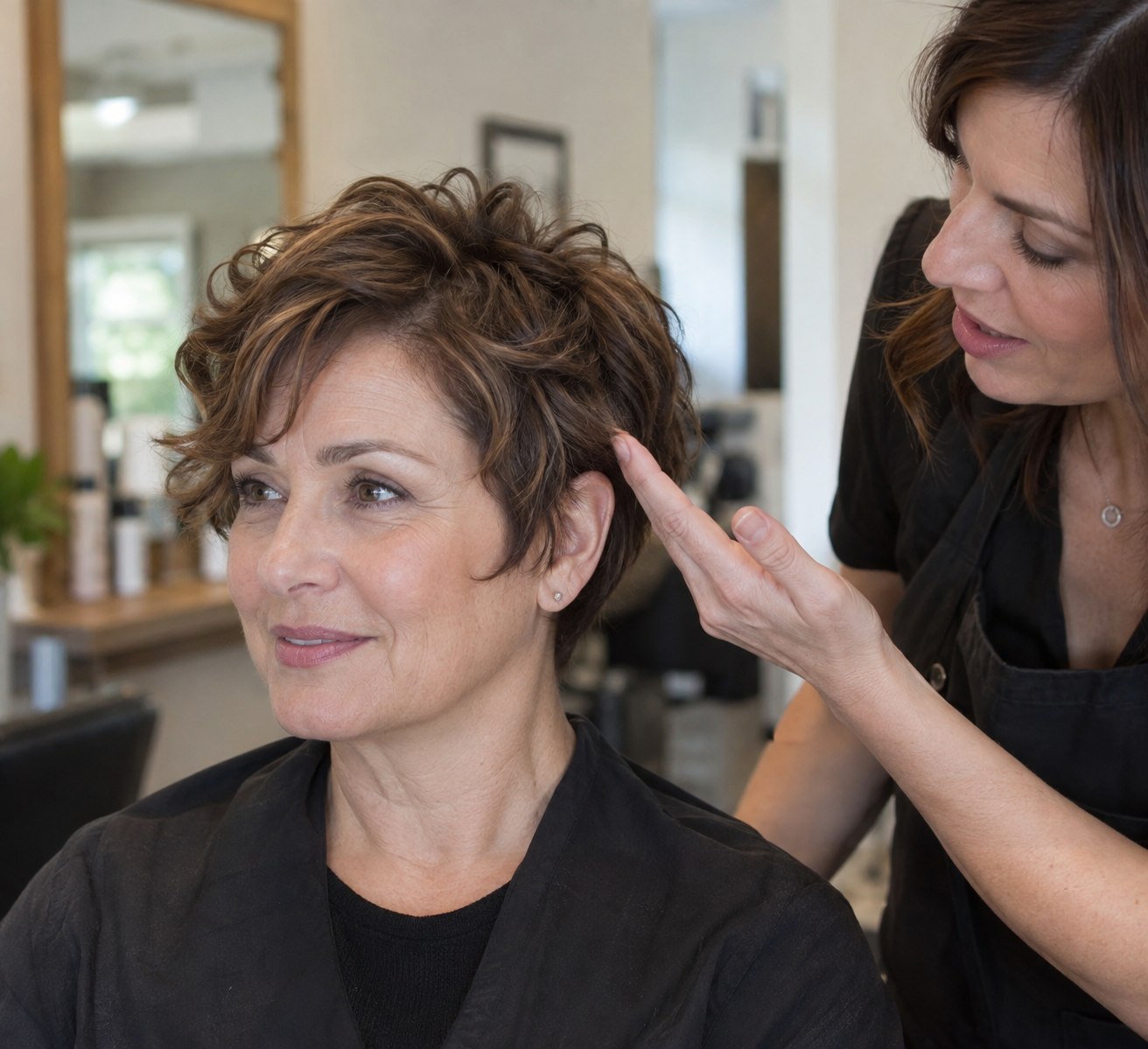
Ask how the cut will behave with your density, growth direction and normal styling routine. Discuss upkeep and a possible grow-out shape before the scissors come out. A distinctive cut can still have a practical plan.
Accessories can change the mood later; this bandana hairstyle guide offers some ideas to adapt where your length allows. For now, choose the cut you would like on a quiet morning, with your usual face and five minutes to get ready.
Short hair leaves room for the details. Make them yours.
