There is a can of dry shampoo in my bag right now, and for most of my twenties I would have rather died than let you see it. I used to slide it deeper under the wallet and the spare tights, as if it were contraband. As if I had been caught with something worse than a little powder and a lot of hope.
This is the confession. I do not wash my hair every day. I have not for years. I have spent real energy pretending otherwise, and I am tired.
The Night I Hid the Can in the Cabinet
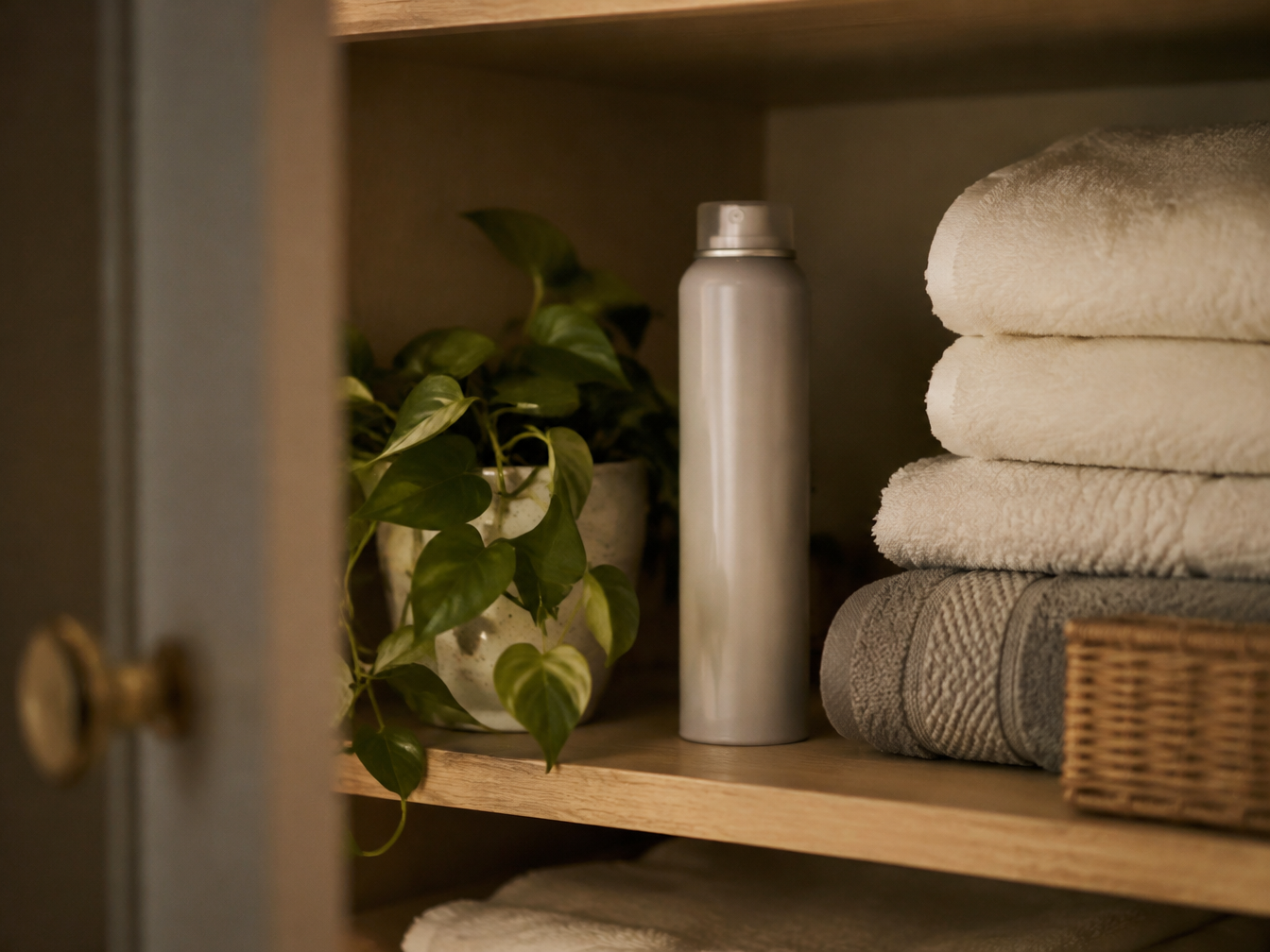
The first time I felt truly caught was at a friend’s apartment, years ago. I had stayed over after a late dinner, and in the morning she handed me a towel and said, “Take a shower, I will make coffee.” I smiled and said I was fine. Then I locked myself in her bathroom, whispered a prayer, and sprayed half a can into my roots with the fan on so she would not hear it.
I came out smelling like a fake vanilla cloud, and I swear she knew. She said nothing, which was almost worse. I carried that tiny shame around for months, the idea that my hair needed to be fresh and shining every single morning or I had somehow failed at being a woman.
Looking back, nobody ever said that to me directly. It lived in magazines and in the casual comments of older relatives who said things like “a girl should always wash her hair.” It lived in the way my mother wrapped hers in a towel every night, as if she were putting a baby to bed.
So I learned to hide. I hid the can, I hid the days between washes, and I hid the small, specific relief of putting on a hat and calling it a day. I was keeping a secret that was not really a secret, and it was costing me more than it should have.
Why Dry Shampoo Felt Like a Lie
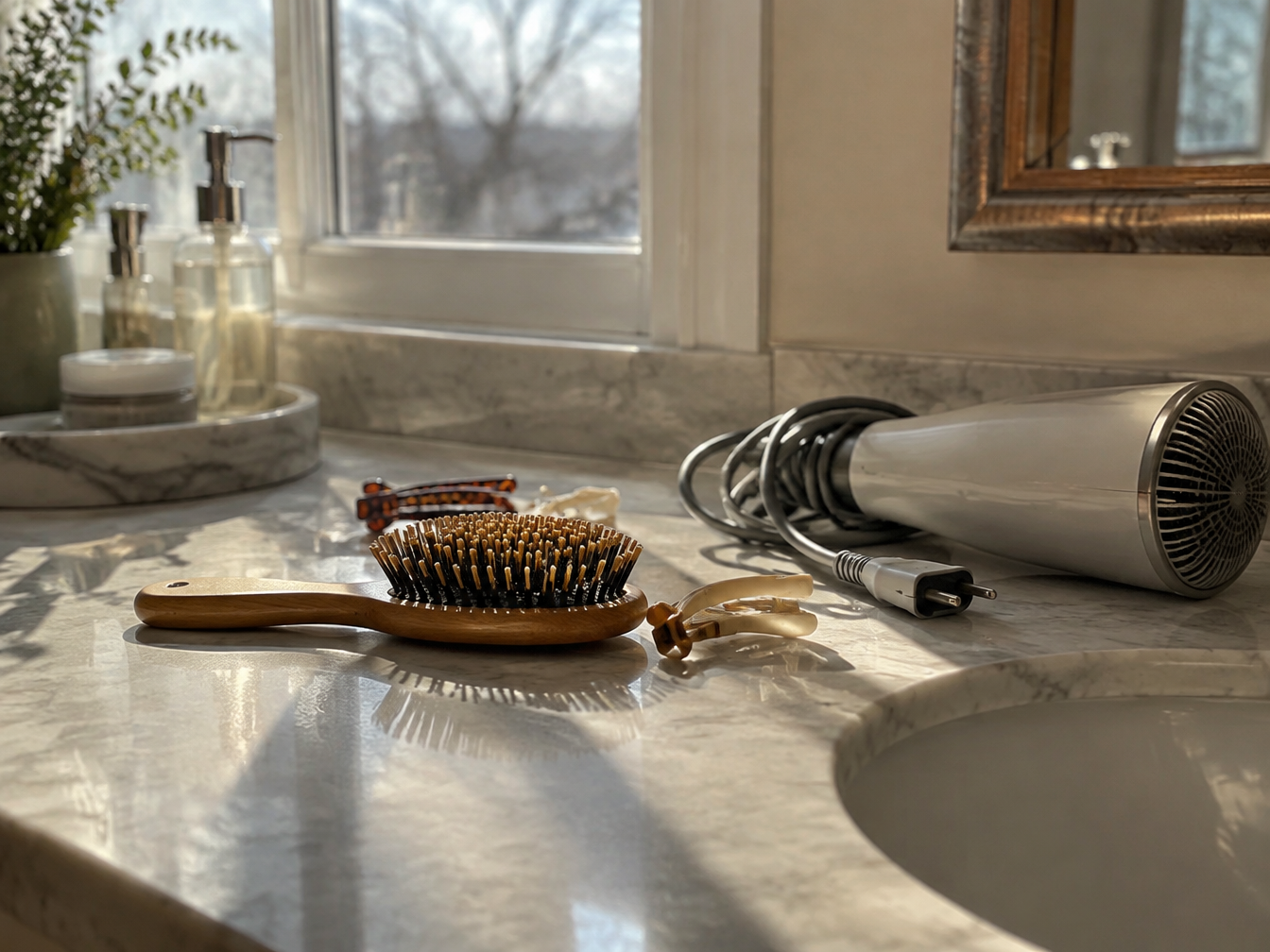
Part of the shame was that dry shampoo felt like cheating. I imagined a world of women with naturally clean hair and me, the fraud, covering up. That belief never survived a single honest conversation, but I kept it alive anyway.
What finally cracked it open was a month when I stopped heat styling altogether and had to look at what my hair actually wanted. I wrote about it in what my hair taught me when I stopped heat styling for a month. It turned out my hair had its own rhythm, and my daily washing and blow drying had been fighting it for a decade.
Here is something I had never been told: dry shampoo is not a substitute for real shampoo, and nobody serious claims it is. One health site reviewed by a board-certified dermatologist says it can help prevent the damage of over-washing but “isn’t a substitute for regular shampoo” [1]. That sentence did more for me than a year of guilt. It is a tool for the in-between days, not a lie.
I also noticed how much of my guilt was really about time. Washing and drying my hair took nearly an hour on the mornings I did it, and I was doing it out of fear, not need. Giving that hour back to sleep, or coffee, or a slow walk, felt like finding money in an old coat.
The thing I had been calling cheating was just maintenance with a nicer smell. And once I stopped treating it as a crime scene, I could finally ask better questions about how I was using it.
What the Experts Actually Say About Washing and Spraying

I spent a Sunday reading instead of spraying, which is not my normal Sunday. A few things stayed with me.
First, how often to wash is not one answer. In a Cleveland Clinic interview, dermatologist Shilpi Khetarpal says finer hair may need washing every other day, semi-coarse hair every two to four days, and coarse, thick hair about once a week, while coarse, coiled or tightly curled hair should be washed at least every two weeks [3]. An oily scalp might want a daily wash, and dry hair does not need washing as often. Washing too often, she notes, can leave hair brittle and dry because it strips away oil that moisturizes the strands [3].
Second, dry shampoo has a ceiling. The same site suggests using it no more than three times a week, between washes, and never more than two days in a row, since buildup on the scalp can irritate it [1]. If you have used it on back-to-back days, it suggests a double cleanse or a weekly clarifying shampoo [1].
Third, how you use it matters. Spray from six to twelve inches away, apply lightly, massage it in, wait a minute or two, then brush it through so the roots do not look chalky [1].

Reading all this, I felt something unexpected. Relief. The advice was reasonable. It was not asking me to be perfect, only paying attention.
On the hardest days, I remind myself that a bad hair day is rarely about the hair. I explored that in why a bad hair day is never really about your hair, and it still helps me more than any product.
The Recall That Changed How I Read a Label
I have to tell you about the scare, because it is part of the story. In October 2022, Unilever voluntarily recalled select lots of aerosol dry shampoo sold in the United States, covering brands such as Dove, Nexxus, Suave, TIGI and TRESemmé, because the products might contain elevated levels of benzene [2]. The company said the source was traced to the propellant [2].
I want to be careful and fair here. The company said an independent health hazard evaluation found that daily exposure at the levels detected would not be expected to cause adverse health consequences, and that it had received no adverse event reports [2]. It also noted that benzene is classified as a human carcinogen, which is why it recalled the products out of caution [2]. Customers were told to stop using the affected cans [2].
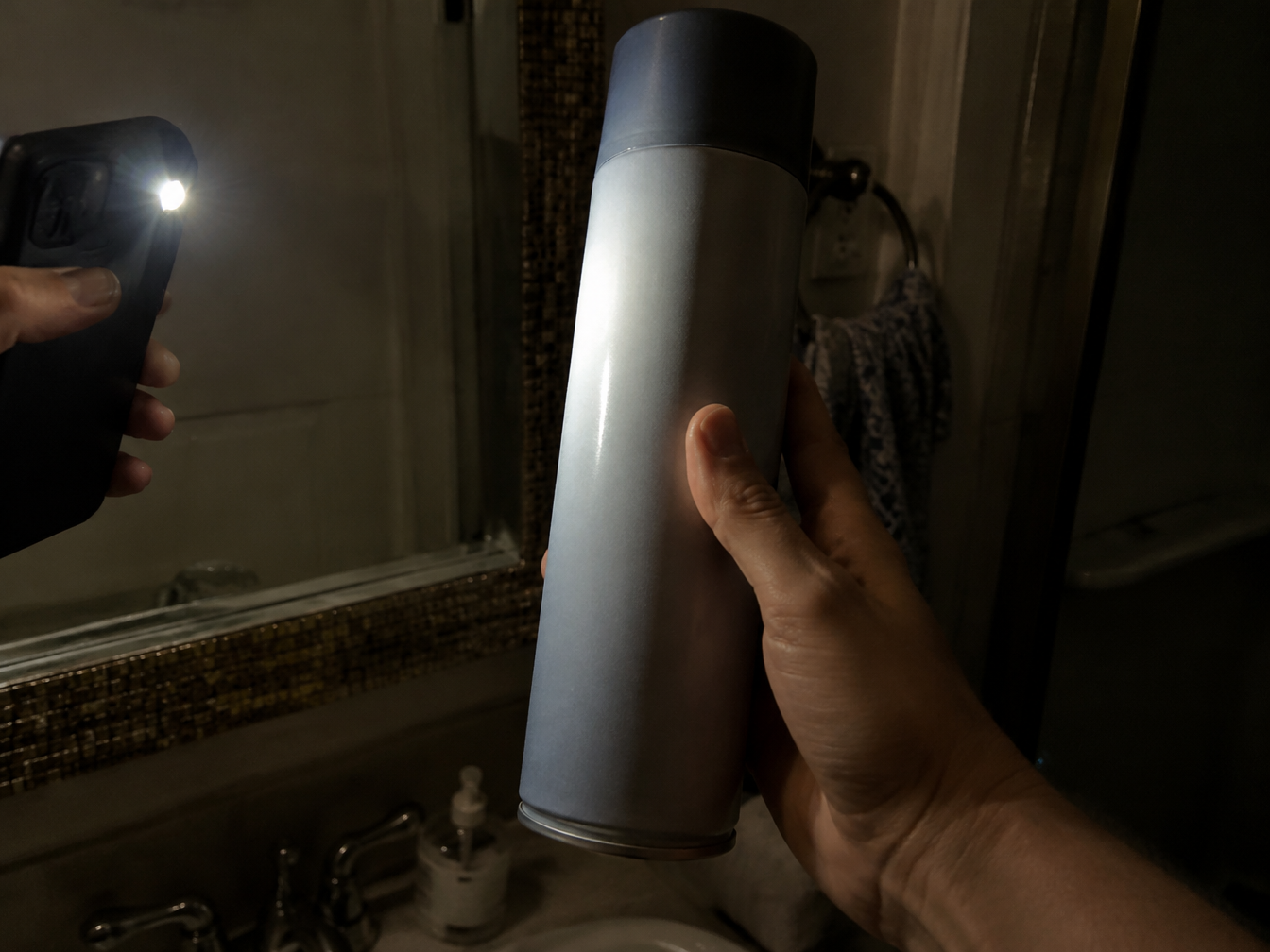
I had one of those cans. I remember standing in my bathroom reading the lot code with my phone flashlight, feeling absurdly guilty and absurdly frightened at the same time.
What changed for me was not panic. It was attention. I now read labels. I check recall notices once in a while. I lean toward lighter applications and, when I can, a fragrance-free product, because that same guidance suggests fragrance-free, non-aerosol options since aerosols release more particles you can inhale [1]. Small decisions, made calmly, feel better than secrets kept nervously.
The Other Hair Secrets I Was Keeping
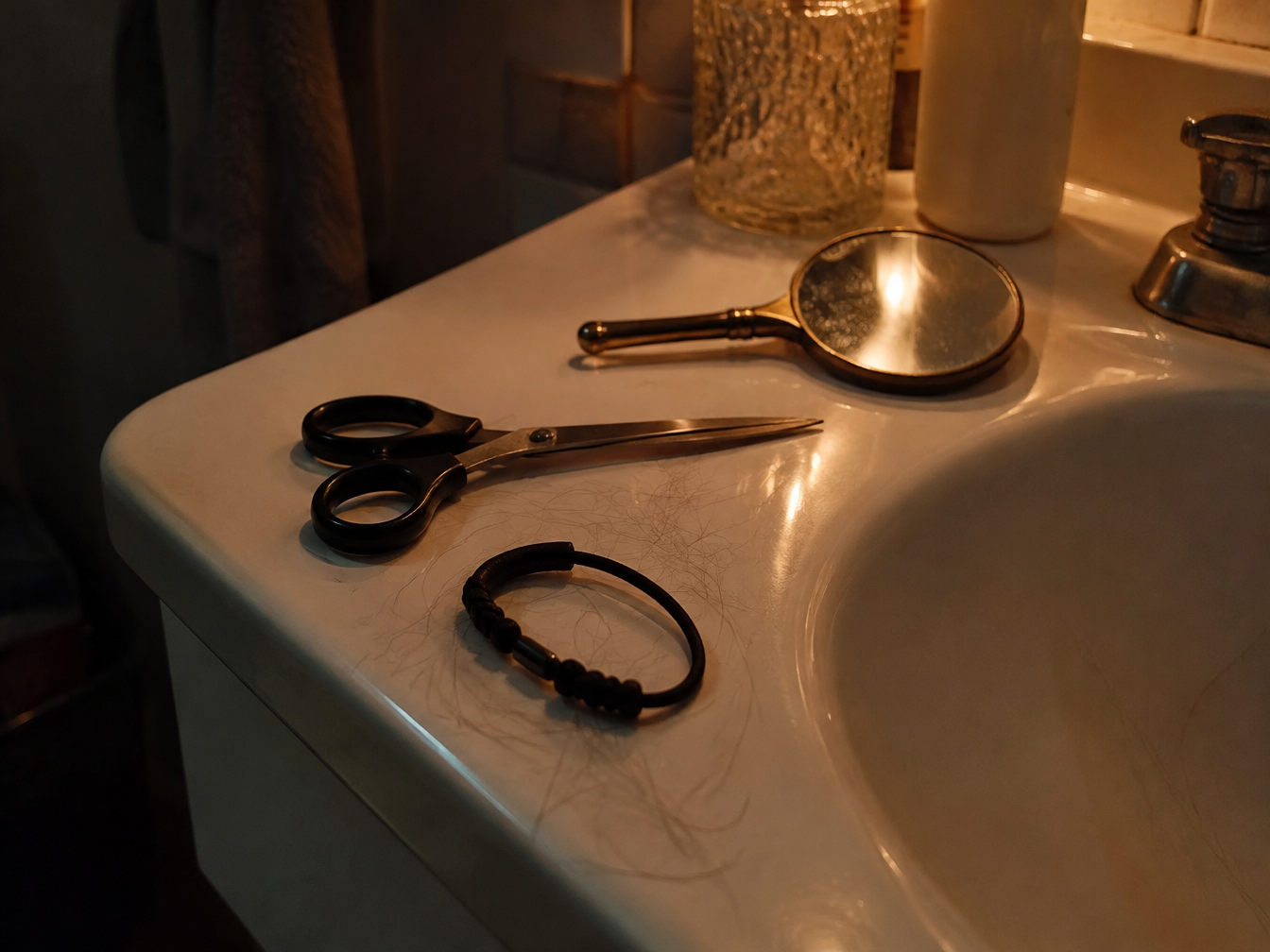
Once the dry shampoo was out in the open, the other secrets started tumbling out, and I realized how many I had.
I secretly trim my own bangs over the bathroom sink at night, with kitchen scissors, usually after something has gone wrong. I secretly have a patch near my temple that has been thinning since a stressful year, and I style around it like a magician. I secretly sleep in a messy braid and wake up looking better than I do after an hour of effort. I secretly cry in salon chairs when a stylist is kind to me.
Women do strange, tender things with their hair when life is moving underneath them. I wrote about the bigger version of this in things women do to their hair before a big life moment (and what it says), and the more I wrote, the more I noticed that my little secrets were not shameful. They were signals.
The kitchen scissors haircut was a way of taking control the week I could not control anything else. The braid was comfort. The thinning patch was a reminder that my body keeps score of my stress, whether I ask it to or not.
I have started to treat each secret as a clue. Not a flaw to hide, but a message from a person who is doing her best.
What Happened When I Stopped Hiding Them

Nothing dramatic. That is the part nobody tells you. No one gasped. No one pulled me aside to give me a lecture about hygiene. I started saying out loud, to friends, that I wash my hair twice a week. One of them looked at me and said, “Me too, I thought I was the only one.” Another admitted she sleeps in dry shampoo on purpose. A third, laughing, told me she has a hat for every day of the week.
The shame loosened, not because I solved anything, but because it had been so much bigger in my head than it ever was in the room.
I think about this whenever I hear someone say that confidence is something you build with products. Maybe a little. But more often it is built by finishing a sentence you used to swallow. I do not wash my hair every day. I wash it when it needs it, and I take care of it in between.
I also stopped apologizing for the way my hair looks after a long day or a long trip. I wrote about this in what my hair looks like after a long trip home and why I finally stopped fixing it, and it remains one of the most freeing things I have ever done. Messy is not a moral failing. It is what hair looks like when someone has been living.
A Kinder Hair Routine for Real Mornings
If you are tired of hiding too, here is the routine I actually follow. It is not a rule, and it is not a trend.
On wash days, I shampoo the scalp and condition the ends, which is the guidance the dermatologist in that interview gives for how to avoid greasy roots and dry lengths [3]. On in-between days, I use a light dusting of dry shampoo at the roots, wait, and brush. If I have used it two days in a row, I wash on the third. About once a month, I use a clarifying shampoo to clear whatever has built up, which fits the one-to-two-times-a-month suggestion for heavy styling product users [3].
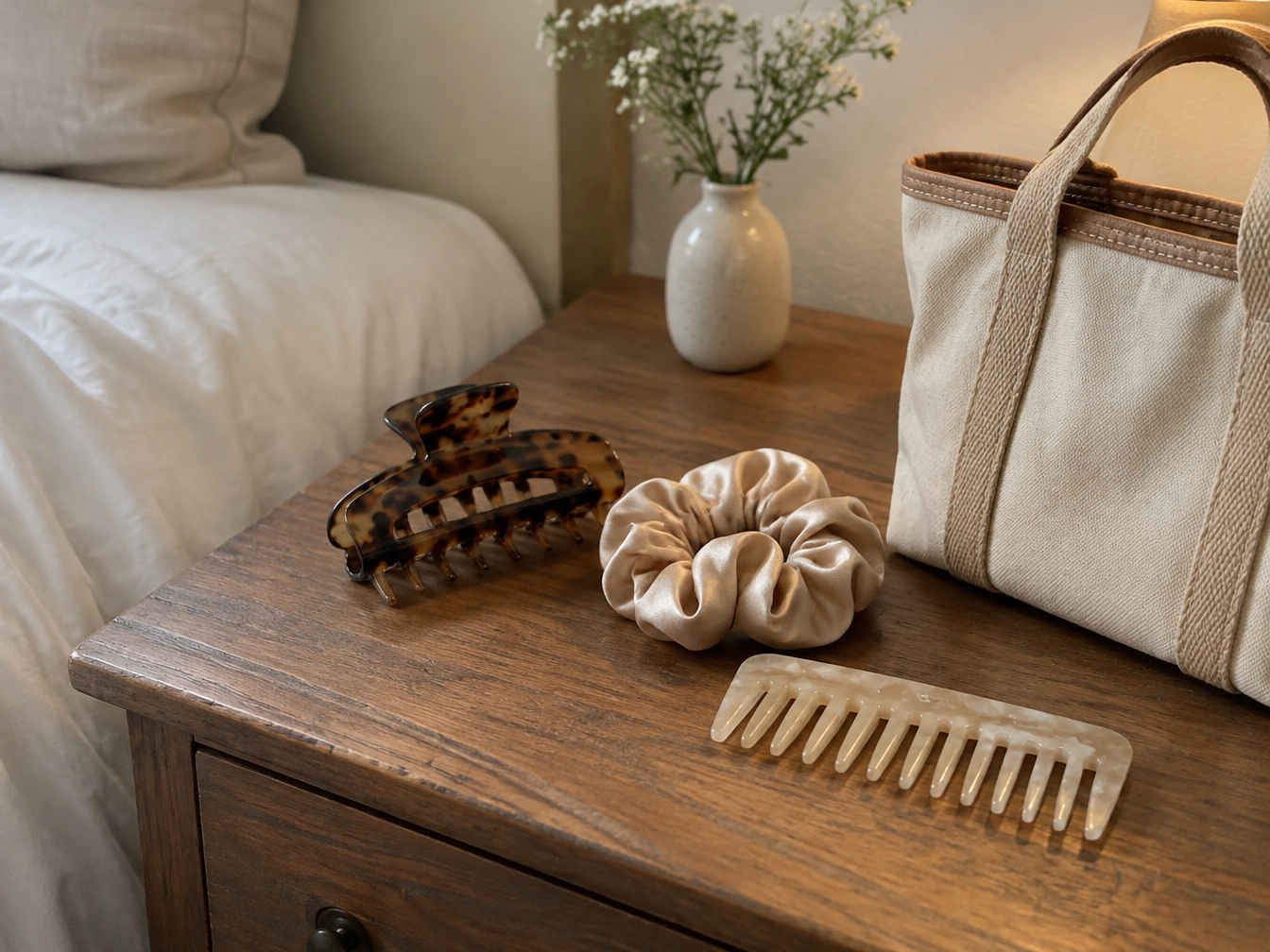
On rushed mornings, I reach for a clip. A good claw clip has rescued more of my days than any serum, and I put my favorite looks together in claw clip hairstyles that look intentional instead of accidental. It is the closest thing I have to a magic trick.
Some mornings the routine falls apart anyway. I oversleep, the can is empty, the weather is wet, and my hair does something that cannot be negotiated with. Those mornings, I put on a scarf or a beanie and let it go. The world has not ended once.
Most of all, I try to speak about my hair the way I would speak about a friend who is doing her best. Not harshly, not with a list of corrections. Just with a little warmth, and a little humor, and the quiet understanding that she was never the problem.
The can is still in my bag. I take it out in public now. Last week, a stranger on the train saw it and whispered, “Which one is that?” I told her, and we both laughed like women who had finally been let out of a very small room.
Sources
- Is Dry Shampoo Bad for Your Hair?, GoodRx, medically reviewed by Maria Robinson, MD.
- Unilever Issues Voluntary U.S. Recall of Select Dry Shampoos Due to Potential Presence of Benzene, U.S. Food and Drug Administration, company announcement (October 2022).
- The Dirty Truth About Washing Your Hair, Cleveland Clinic.
Leave a Reply